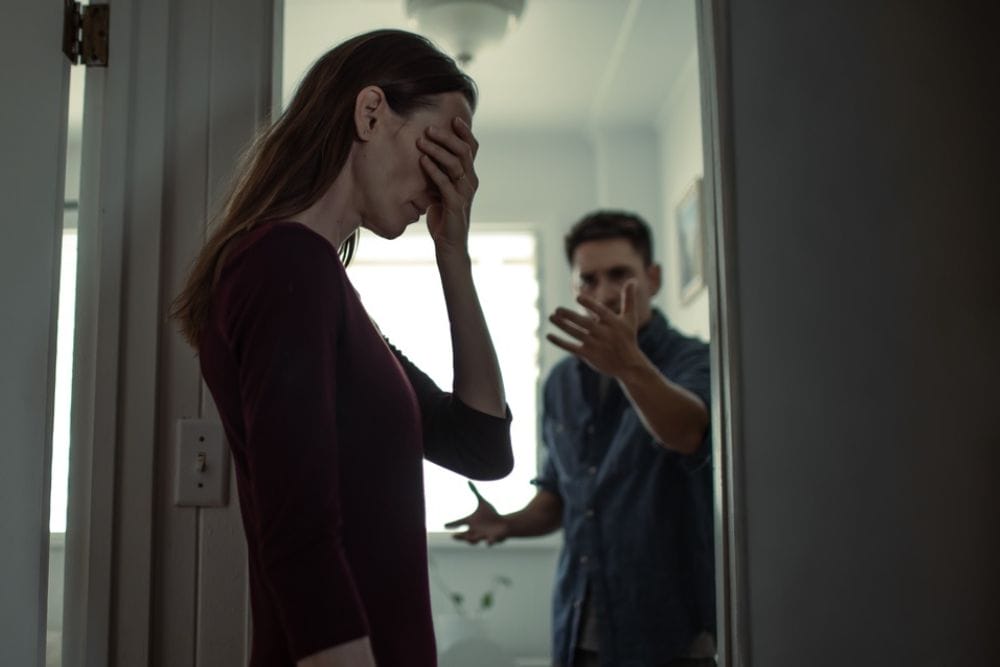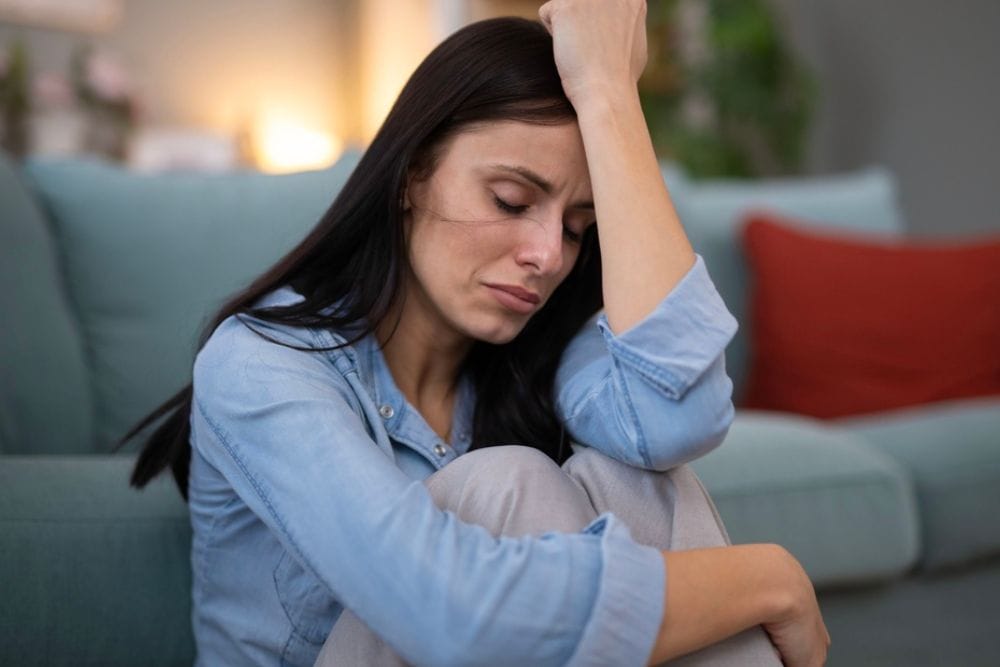

Leaving an abusive relationship is an act of courage. Yet many survivors find that the hardest part is not the leaving itself, but what comes after. Trauma does not vanish when the relationship ends. For many people, symptoms of post-traumatic stress disorder take root quietly, reshaping the way they feel safe, the way they trust others, and the way they see themselves. Understanding what is happening in your nervous system is the first step in healing from an abusive relationship and reclaiming a sense of stability.
Research consistently shows that survivors of intimate partner abuse develop PTSD at high rates, with some studies indicating that more than a third of people who have experienced physical or emotional abuse meet the diagnostic criteria. The trauma response is biological, not a character flaw. Your brain’s threat-detection system has been running on high alert, sometimes for years, and it takes deliberate, compassionate care to reset it. The good news is that trauma is treatable, and recovery, while rarely linear, is genuinely possible.
South Florida residents navigating this kind of pain are not without support. Effective, evidence-based treatment is available that addresses both the psychological wounds of abuse and any co-occurring concerns, including anxiety, depression, and substance use. Understanding the full picture of trauma, from its symptoms to its treatment pathways, helps survivors make informed decisions about where to turn next. For those dealing with the impact of complex trauma on relationships, that clarity can be life-changing.

What Does PTSD Look Like After Abuse?
PTSD after an abusive relationship often looks different from what most people expect. It is not always flashbacks or nightmares, though those can certainly occur. Many survivors experience a pervasive sense of dread, emotional numbness, difficulty concentrating, and a strong startle response to ordinary sounds or situations. These are not signs of weakness. They are the predictable aftermath of living in an environment where threat was constant and unpredictable.
The symptoms typically cluster into four categories recognized by clinical guidelines. Survivors often experience intrusive memories or dreams about the abuse, active avoidance of reminders including people, places, and conversations, negative shifts in mood and thinking such as persistent shame or self-blame, and hyperarousal symptoms like irritability, poor sleep, and hypervigilance. These symptoms can interfere significantly with work, parenting, friendships, and daily functioning.
One important clinical distinction worth understanding is that many survivors of prolonged abuse develop what clinicians call complex PTSD, or CPTSD. This form of trauma tends to affect identity and emotional regulation more deeply than single-incident PTSD. Survivors with CPTSD may struggle with intense shame, a fragmented sense of self, and difficulty managing emotional responses. Recognizing the difference matters because it shapes the treatment approach a clinician will recommend. You can learn more about how CPTSD symptoms present in women and how they differ from standard PTSD.
Why Is It Hard to Leave or Move On?
Abusive relationships are built on cycles of tension, harm, and reconciliation that create powerful psychological bonds. Over time, intermittent kindness from an abuser can become more reinforcing than consistent kindness from a safe person. This phenomenon, sometimes called trauma bonding, is a neurological reality, not a failure of willpower or self-respect. The brain learns to associate the abuser with relief from fear, which makes breaking free emotionally much harder than simply walking out the door.
Even after leaving, many survivors find their minds returning to the relationship repeatedly, second-guessing their decision, minimizing the abuse, or feeling grief for the relationship they wished they had. Isolation, financial dependence, cultural pressures, and fear of retaliation are all additional barriers that prolong the psychological grip of abuse. Healing from an abusive relationship requires naming these obstacles openly, without shame, because they are part of the clinical picture, not evidence that a survivor secretly wanted the abuse to continue.
Hypervigilance can also make moving forward feel dangerous. When someone has spent months or years scanning their environment for signs of danger, ordinary trust becomes extraordinarily difficult. Many survivors avoid new relationships, pull back from friends, or feel numb when they try to connect. This social withdrawal is a trauma response, and it responds well to targeted therapeutic intervention when a survivor is ready to engage. Understanding how trauma-focused therapies help survivors move forward can make the idea of treatment feel less overwhelming.
What Our Customers Are Saying
What Does Recovery Look Like Step by Step?
Recovery from relationship trauma rarely follows a straight path, and no two survivors move through it at the same pace. What clinical research supports, however, is that recovery does have identifiable phases: safety and stabilization first, then processing the traumatic material, and finally integration, where the trauma becomes part of a survivor’s history rather than the lens through which they see everything. Moving through these phases requires appropriate clinical support, not just time.
Stabilization is the essential foundation. Before any meaningful trauma processing can happen, a survivor needs to feel physically safe, emotionally regulated to a degree, and supported. This might look like establishing a stable living situation, building a safety plan, reconnecting with trusted people, and developing basic coping skills for managing intrusive symptoms. Without this groundwork in place, deeper trauma therapy can actually be destabilizing rather than helpful.
Processing the trauma itself is where evidence-based therapies become central. Approaches like EMDR, cognitive behavioral therapy, and DBT have strong research support for treating abuse-related PTSD. After processing, integration work helps survivors rebuild their sense of identity, challenge the distorted beliefs the abuse installed, and practice healthier relationship patterns. Many survivors find that group therapy during this phase is particularly powerful because being genuinely seen by others who understand their experience can counteract the profound isolation abuse creates. You can find more information about PTSD treatment options in South Florida to understand what professional care looks like at each stage.
Why Do Some Survivors Turn to Substances?
Substance use among survivors of intimate partner abuse is more common than many people realize, and understanding why it happens removes the moral judgment that can prevent someone from seeking help. Alcohol, opioids, benzodiazepines, and other substances can temporarily quiet the hyperarousal, emotional pain, and intrusive memories that characterize PTSD. When the nervous system has been chronically overwhelmed, substances can feel like the only thing that works. That is not a character flaw. It is a predictable response to untreated trauma.
The relationship between trauma and substance use is bidirectional. PTSD symptoms can drive someone toward substances as a coping mechanism, and substance use can worsen PTSD symptoms over time by disrupting sleep, impairing emotional regulation, and increasing anxiety between uses. This cycle is one reason why treating trauma and substance use simultaneously, rather than sequentially, produces significantly better outcomes in clinical research. Treating one while ignoring the other leaves too many doors open for the other to return.
Dual diagnosis treatment, which addresses mental health conditions and substance use at the same time, is the evidence-based standard for people navigating this intersection. Survivors in this situation deserve care that recognizes both dimensions without treating the substance use as a moral failing. Effective dual diagnosis programs create space to explore what the substance use was protecting the person from, and then build safer, healthier alternatives. Those navigating both trauma and co-occurring substance concerns can learn about integrated dual diagnosis treatment in Florida that addresses both at once.
What Treatment Helps Survivors Heal?
Trauma treatment for abuse survivors has advanced considerably in recent decades, and several approaches now have strong evidence behind them. The core goal of any effective treatment is to help the nervous system process what happened without being retraumatized in the process. Skilled trauma clinicians move at a pace the patient can tolerate, building trust before going deep. Several therapies have demonstrated particular effectiveness for this population.
The most commonly recommended evidence-based treatments for PTSD after relationship abuse include the following options, each suited to different presentations and patient needs:
- EMDR: processes traumatic memories by pairing recall with bilateral sensory stimulation
- Trauma-focused CBT: restructures distorted beliefs formed during the abuse
- DBT: builds emotional regulation skills essential for survivors with intense mood responses
- Neurofeedback: uses brainwave training to calm a dysregulated nervous system
- Group therapy: reduces shame and isolation through shared experience with peers
These therapies are most effective when delivered within a structured, individualized care plan rather than as a standalone session. For survivors whose trauma has also led to substance use, a full continuum of care, from stabilization through outpatient programming, provides the consistency and ongoing support that makes lasting recovery possible. Compassion Behavioral Health offers healing from an abusive relationship as a central clinical focus, integrating trauma-informed mental health care with dual diagnosis expertise across every level of their South Florida programs.
Frequently Asked Questions About Healing From PTSD After an Abusive Relationship
Here are some of the most common questions people ask about recovering from trauma after an abusive relationship:
-
How Long Does It Take to Recover From PTSD After an Abusive Relationship?
Recovery timelines vary widely depending on the duration and severity of the abuse, the presence of co-occurring conditions, and access to appropriate treatment. Many people see meaningful symptom reduction within several months of consistent, evidence-based therapy, though full integration can take longer.
-
Can You Develop PTSD Even If the Abuse Was Emotional Rather Than Physical?
Yes, emotional and psychological abuse can produce PTSD just as severe as physical abuse, and in some cases it is harder to name and process. The unpredictability and chronic nature of emotional abuse can be especially damaging to the nervous system’s sense of safety.
-
Is It Normal to Still Love Someone Who Abused You?
Feeling love, grief, or longing for an abusive partner is a recognized psychological response, often rooted in trauma bonding formed through cycles of harm and reconciliation. These feelings do not mean the relationship was safe or that returning is a good idea, and a trauma-trained therapist can help untangle them.
-
What Is the Difference Between PTSD and Complex PTSD After Abuse?
Standard PTSD often follows a single traumatic event, while complex PTSD typically develops after prolonged, repeated trauma such as ongoing abuse within an intimate relationship. Complex PTSD tends to include additional symptoms like severe identity disruption, chronic shame, and difficulty trusting others, which require a treatment approach calibrated to those deeper layers.
-
Can Substance Use Develop as a Result of Trauma From an Abusive Relationship?
Research consistently links trauma exposure, particularly from intimate partner abuse, to elevated rates of substance use as a coping mechanism for unmanaged PTSD symptoms. Dual diagnosis treatment that addresses both the trauma and the substance use together produces significantly better outcomes than treating either condition alone.
-
When Should a Survivor Consider Inpatient or Residential Treatment?
Residential or inpatient treatment is worth considering when symptoms are significantly disrupting daily functioning, when outpatient therapy alone has not produced stability, or when substance use has developed alongside the trauma. A higher level of structured care provides the round-the-clock support that some survivors need to stabilize before deeper therapeutic work can begin.
Key Takeaways on Healing From an Abusive Relationship
- PTSD after abuse is a biological response, not a personal failure, and it is treatable with the right clinical support.
- Complex PTSD is common among survivors of prolonged abuse and requires a treatment approach that addresses identity, shame, and emotional regulation.
- Trauma bonding explains why leaving and moving on is psychologically difficult, even when a survivor knows the relationship was harmful.
- Substance use frequently co-occurs with abuse-related PTSD, and dual diagnosis treatment that addresses both simultaneously produces the best outcomes.
- Evidence-based therapies including EMDR, trauma-focused CBT, DBT, and neurofeedback have demonstrated real effectiveness for this population.
Recovery from relationship trauma is not a single event. It is a process that unfolds in phases, and each phase requires appropriate support, clinical expertise, and a treatment environment where patients feel genuinely safe. The symptoms you are experiencing are real, they are recognized, and they respond to care.
Compassion Behavioral Health offers trauma-informed, dual diagnosis care across a full continuum in South Florida, from medical stabilization through outpatient programming, with a clinical team that knows every patient by name. If you or someone you care about is navigating the aftermath of an abusive relationship, please reach out to our team at 844-503-0126. Individualized care, delivered by people who understand what trauma actually looks like, is how stories change.
External Sources
- Nih.gov – Traumatic Events and Post-Traumatic Stress Disorder (PTSD)
- Nih.gov – Coping With Traumatic Events – National Institute of Mental Health (NIMH)
- Samhsa.gov – SAMHSA’s National Helpline