
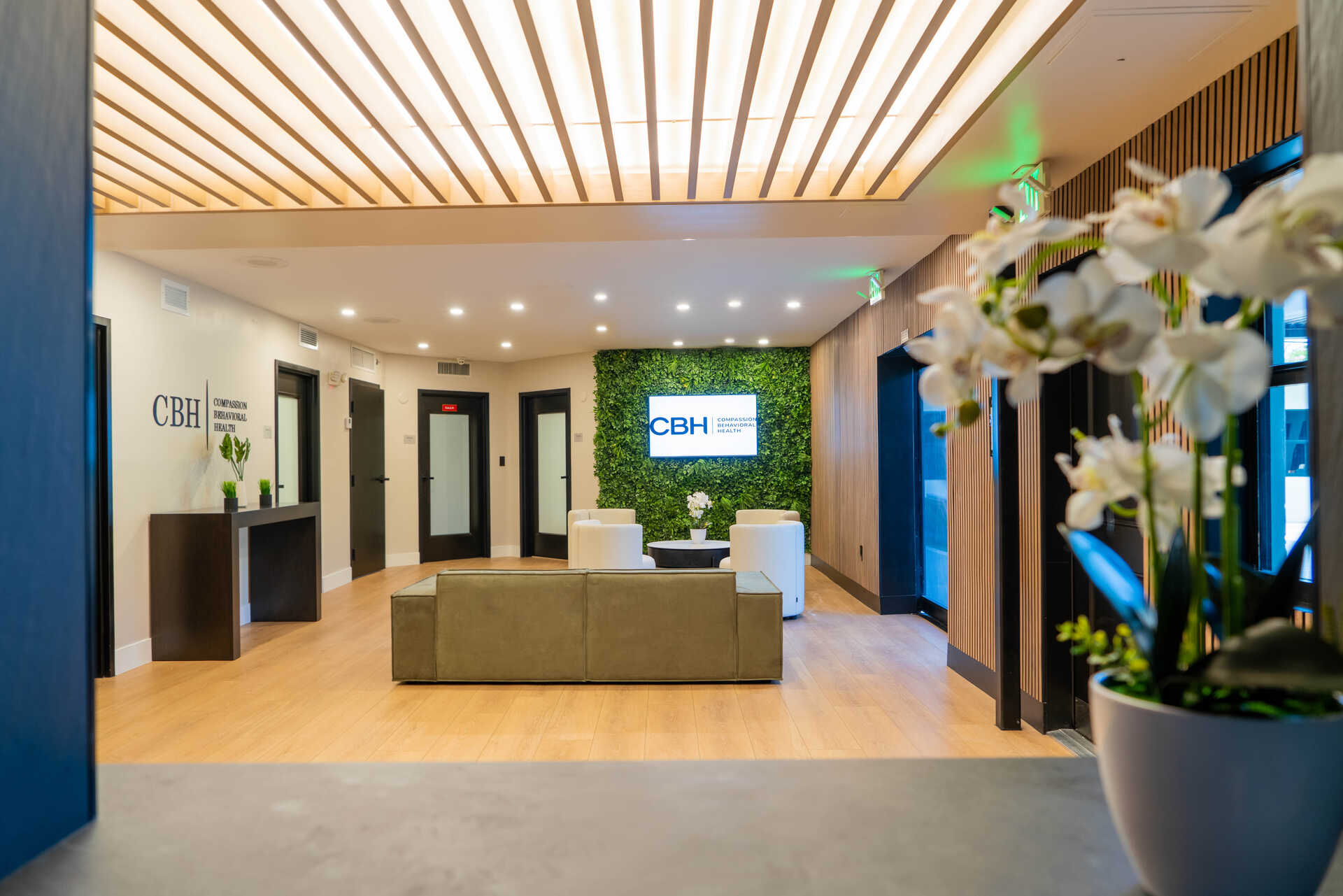
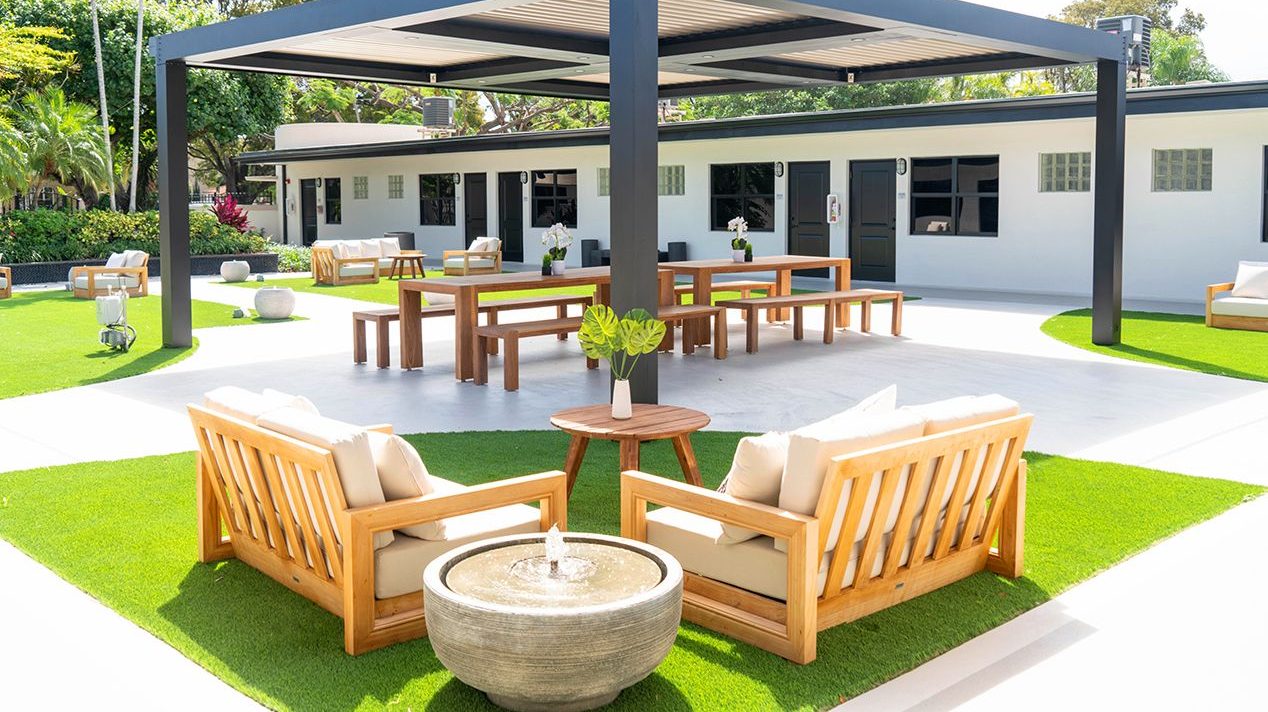



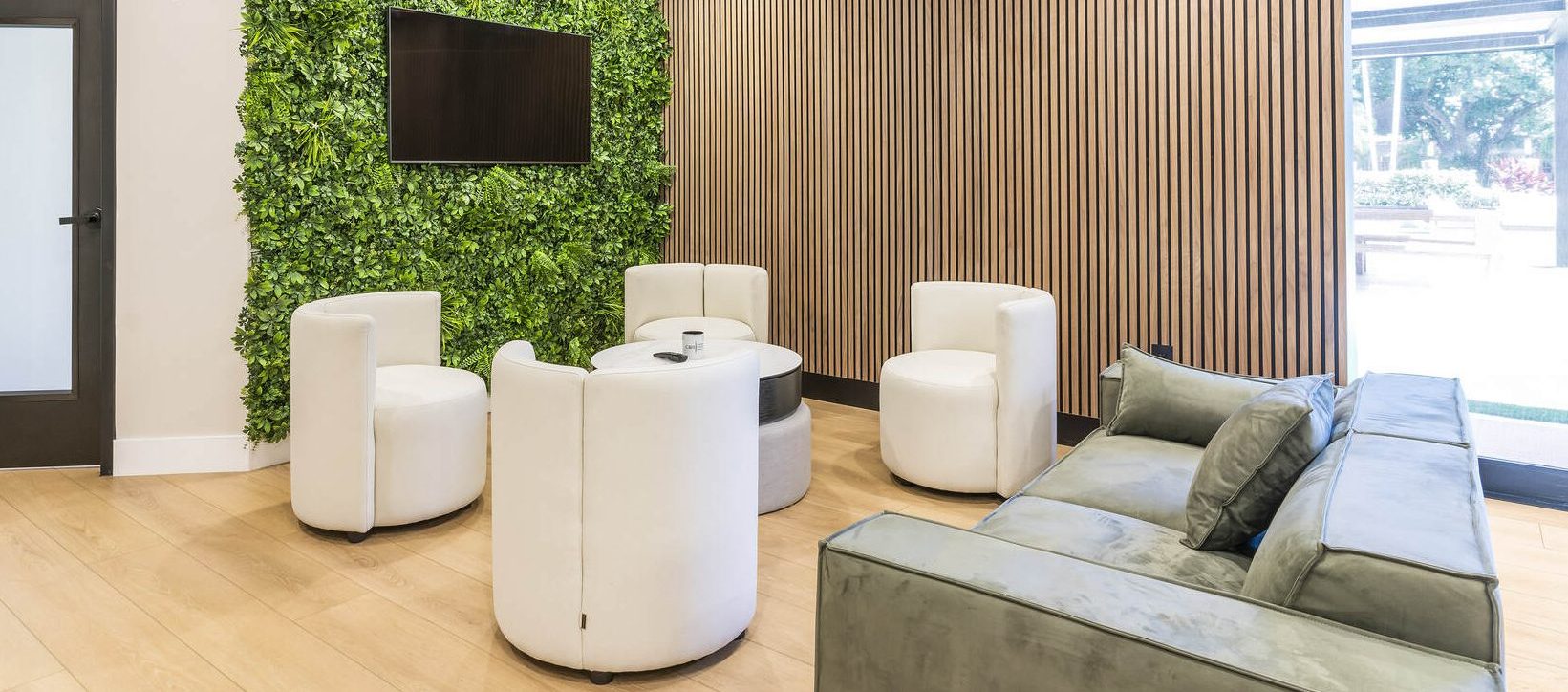
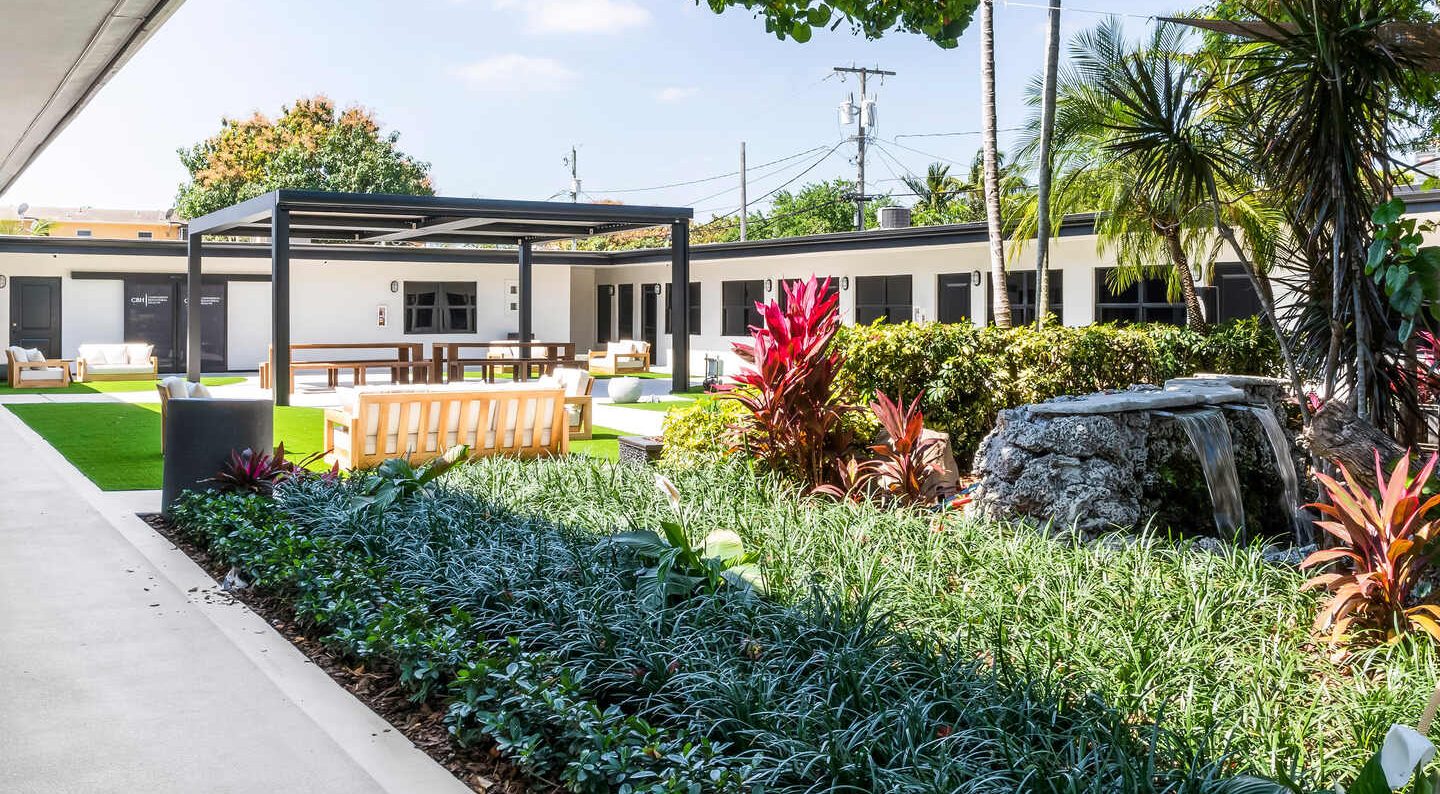


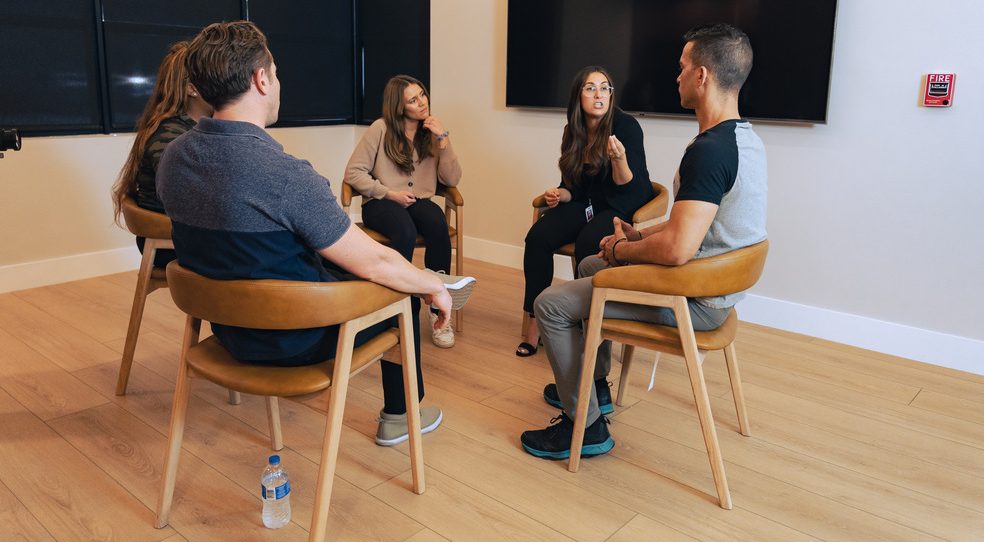




Group therapy at Compassion Behavioral Health is not an optional program feature. It is a daily clinical component of treatment at every level of care, from residential through IOP, delivered by licensed therapists in a structured format that is tailored to the specific clinical needs of each group at each stage of recovery.
CBH’s group therapy program serves adults across South Florida, including clients from Miami, Miami-Dade County, Fort Lauderdale, Hollywood, Boca Raton, Broward County, and the surrounding region. Our residential program in Hollywood and our PHP and IOP programs in Fort Lauderdale both deliver daily group therapy as a core component of the treatment week.
If you are looking for group therapy in Florida as part of a structured mental health or dual diagnosis treatment program, call 844-503-0126. Our admissions team will explain what group therapy looks like at each level of care, verify your insurance at no cost, and help you understand whether CBH’s program is the right clinical fit.
or Substance Use Disorders?
Why Group Therapy Works: The Clinical Evidence
Group therapy is one of the most extensively researched psychotherapeutic modalities available. Decades of randomized controlled trials have demonstrated its effectiveness across mental health conditions, including depression, anxiety, PTSD, OCD, bipolar disorder, and substance use disorders. In many clinical presentations, group therapy produces outcomes comparable to individual therapy, and in some contexts, it produces outcomes that individual therapy cannot replicate.
The clinical mechanism of group therapy is distinct from individual therapy. Individual therapy works primarily through the therapeutic relationship between the clinician and the client. Group therapy works through multiple simultaneous mechanisms: universality, the recognition that others share the same experience and that one is not uniquely broken; altruism, the experience of helping others and discovering one has something useful to offer; interpersonal learning, the real-time observation and processing of relational patterns as they emerge within the group; and cohesion, the sense of belonging to a community that accepts and understands one’s experience.
For conditions including depression, which produces profound isolation; PTSD, which creates shame and the belief that one’s experience is too extreme to be understood by others; OCD, which generates secrecy; and attachment disorder, which disrupts the capacity for safe connection, the group experience itself is often the most clinically powerful single intervention available. No amount of individual therapy can provide what the experience of being genuinely known and accepted by a peer group provides.
Group Therapy at CBH: What the Groups Actually Cover
CBH’s group therapy curriculum is not a single rotating program applied identically across all clients. The group content shifts based on the level of care, the clinical composition of the group, and the stage of treatment. Here is what the group therapy program includes.
CBT-Based Groups
Cognitive Behavioral Therapy groups focus on identifying and restructuring the thought patterns that maintain mental health symptoms and drive behavioral avoidance. In group format, CBT work benefits from the shared recognition of cognitive distortions. When one group member articulates a distorted belief, other members often recognize the same pattern in themselves. The group becomes a mirror that accelerates individual cognitive work.
DBT Skills Groups
Dialectical Behavior Therapy skills groups teach the four core DBT skill sets in a structured curriculum: mindfulness, distress tolerance, emotional regulation, and interpersonal effectiveness. DBT skills groups run on a rotating basis so that clients who progress through different levels of care continue building on skills rather than repeating material they have already covered. The skills group format is specifically designed for group delivery, making it one of the most clinically appropriate therapies for the group setting.
Trauma Psychoeducation Groups
Trauma psychoeducation groups provide structured education about how trauma affects the brain, nervous system, and behavior. Understanding the neurobiology of trauma, including why certain triggers produce automatic physiological responses, why sleep is disrupted, and why emotional regulation is impaired, reduces shame and increases insight. For clients who have never understood why they respond the way they do, trauma psychoeducation groups are often experienced as genuinely revelatory.
Dual Diagnosis Education Groups
Dual diagnosis groups address the relationship between mental health conditions and substance use. They cover the biological and psychological mechanisms of co-occurring disorders, why treating one without the other fails, how mental health symptoms drive substance use patterns, and what integrated dual diagnosis recovery looks like in practice. These groups are particularly important for clients who have been through addiction treatment programs that did not address their underlying mental health conditions.
Relapse Prevention Groups
Relapse prevention groups build the specific, individualized plans that clients need to maintain their recovery after treatment ends. These groups identify the triggers, warning signs, high-risk situations, and coping strategies that are specific to each client’s diagnosis and substance use history. At the IOP level, relapse prevention groups are a core deliverable of the treatment phase, producing documented plans that clients carry into their post-treatment lives.
Gender-Specific Groups
Gender-specific groups run every Friday at CBH and provide a space where clients can discuss challenges and experiences specific to their gender in a setting they may find more comfortable for certain disclosures than mixed groups. A dedicated LGBTQIA+ affirming group is also available every Friday. Research consistently shows that LGBTQIA+ individuals face elevated rates of depression, anxiety, PTSD, and substance use disorders, driven in part by minority stress and the experience of discrimination and family rejection. A clinically affirming, peer-supported group space is a meaningful clinical resource for this population.
Process Groups
Process groups focus on the relational dynamics that emerge within the group itself, rather than on a specific skill or educational topic. In a process group, the facilitator guides the group to observe and explore the interpersonal patterns that arise between members in real time. For clients with attachment disorder, interpersonal difficulties, or relational trauma, the process group is one of the most direct interventions available for the relational patterns that individual therapy can only address retrospectively.

Group Therapy Across CBH’s Levels of Care
Group therapy serves different clinical functions at each level of care. Understanding how the group program differs across residential, PHP, and IOP helps clients and families understand what to expect at each stage.
Group Therapy in Residential Treatment, Hollywood, FL
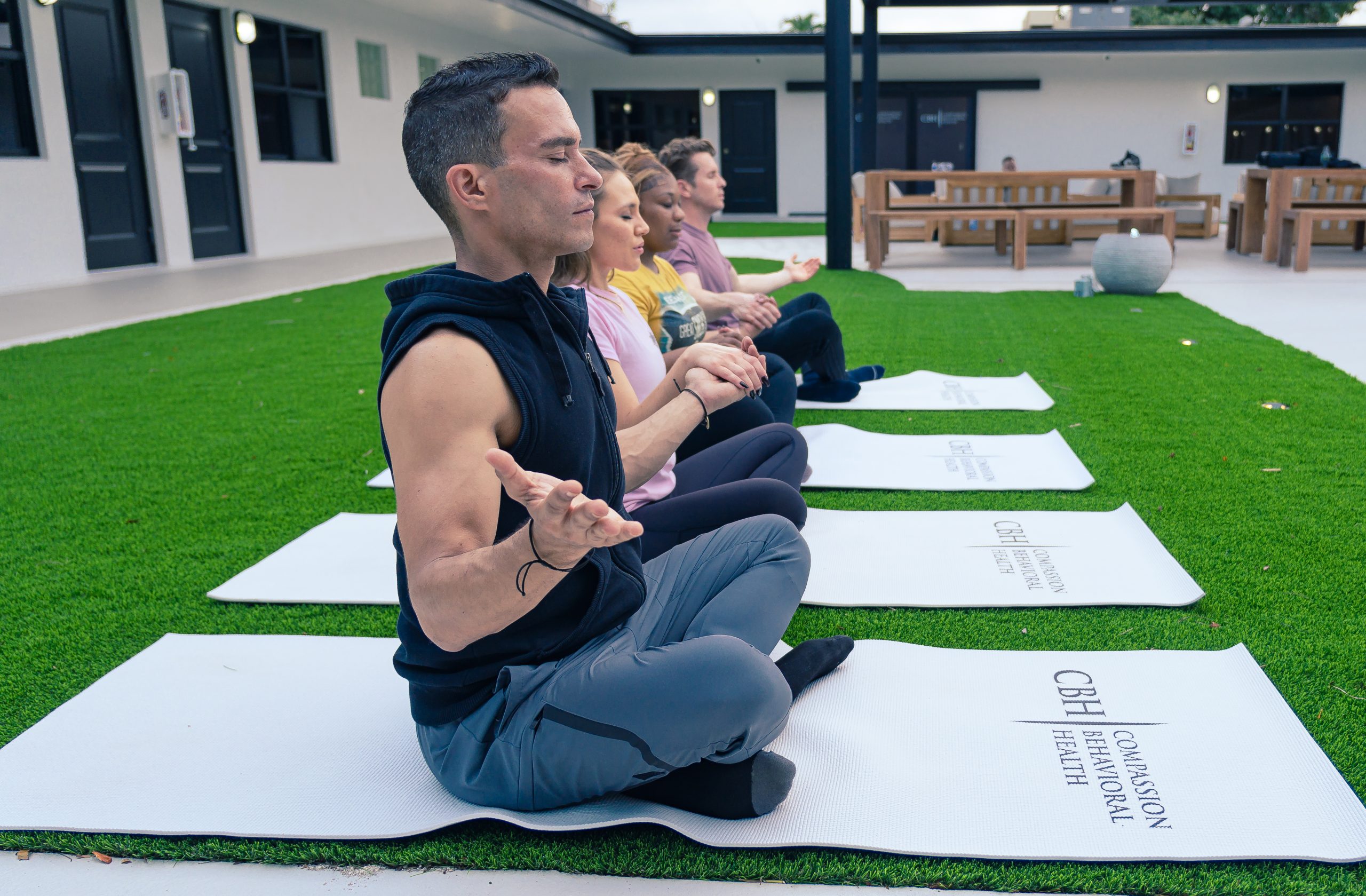
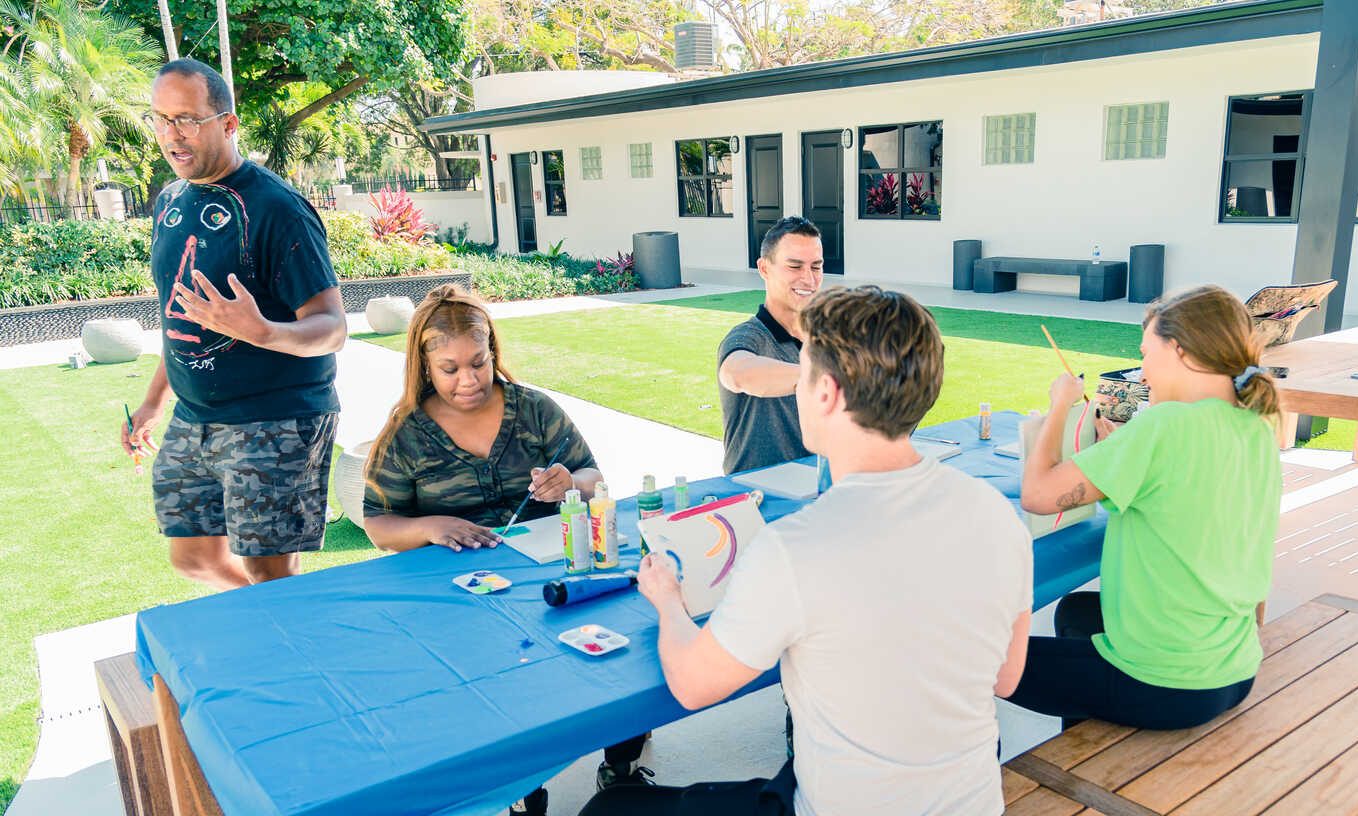
In residential treatment, group therapy runs every day of the week, including weekends. The residential group program serves a dual function: it provides the structured daily programming that maintains clinical engagement throughout the treatment week, and it builds the peer community and relational trust that makes the deeper therapeutic work of PHP possible. Groups in residential settings are often more psychoeducational and skill-building in focus, establishing the shared clinical vocabulary and relational foundation that the treatment community will build on through PHP and IOP.
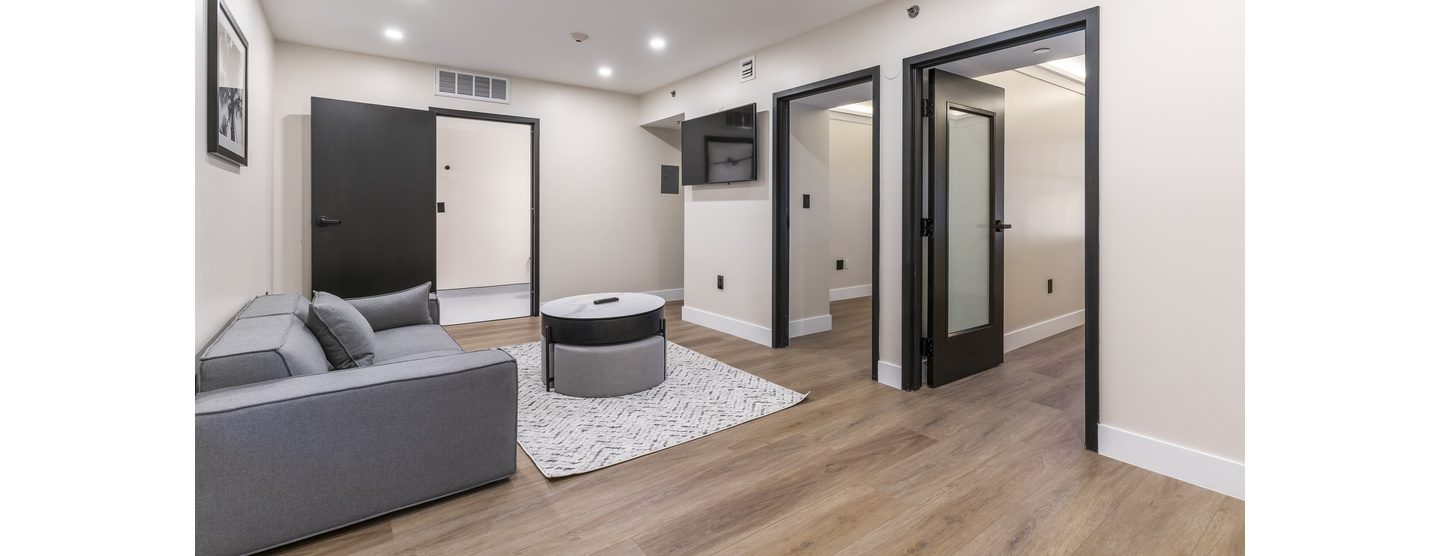
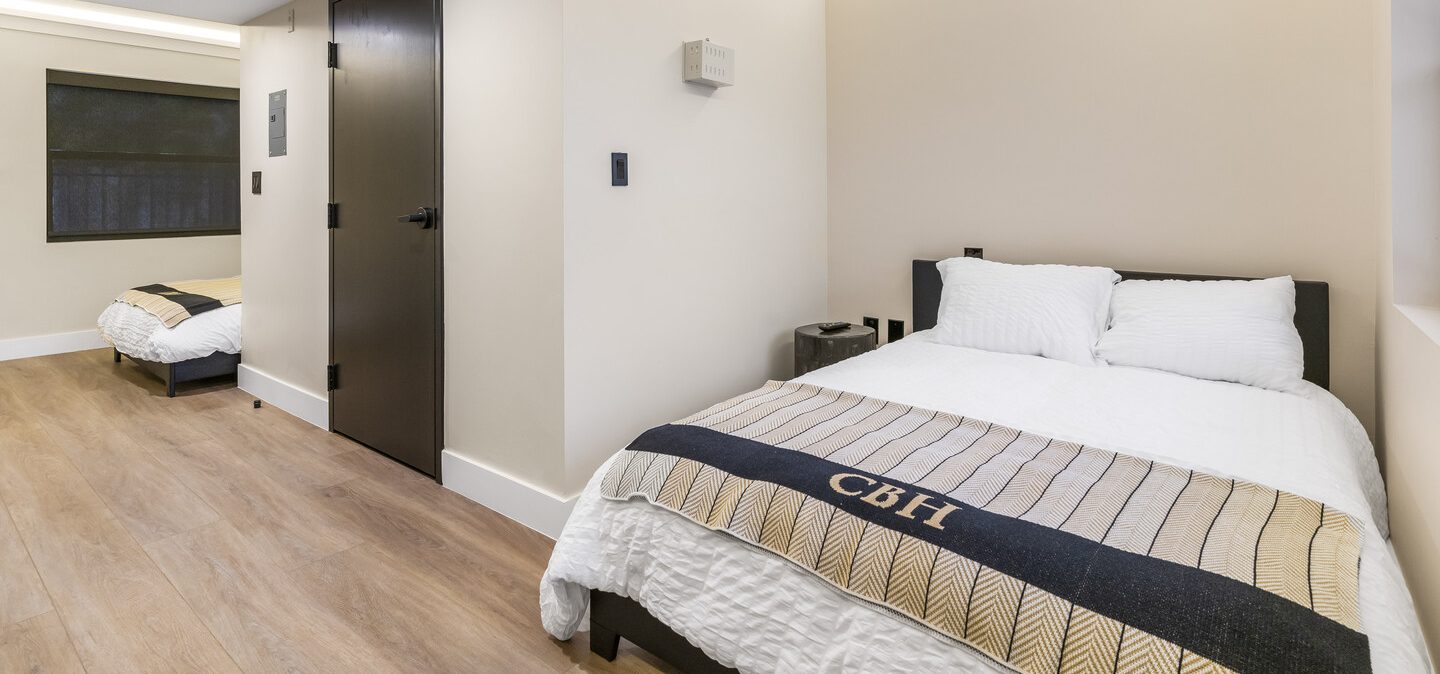
CBH’s residential program in Hollywood accommodates a maximum of 29 clients, which means residential groups are small. Most behavioral health residential programs run groups of 15 to 20. CBH’s groups are often half that size. The intimacy of a smaller group produces a qualitatively different experience, with more individual speaking time, more direct clinical attention from the facilitating therapist, and a more genuine sense of community.
Group Therapy in PHP, Fort Lauderdale, FL
PHP at CBH provides a minimum of 20 hours of structured treatment per week, with group therapy constituting a significant portion of that programming. Groups in PHP intensify the clinical work that began in residential: DBT skills move from foundational to applied, trauma psychoeducation deepens, and process groups become more clinically challenging as the therapeutic relationships within the group mature. Family therapy also begins at the PHP level, running alongside the group program and complementing it.
Group Therapy in IOP, Fort Lauderdale, FL
IOP at CBH provides a minimum of 12 hours of structured treatment per week. Group therapy at the IOP level has a more applied, real-world focus than at higher levels of care. Groups at IOP process what is happening between sessions, in clients’ homes, workplaces, and relationships, and use those real-world experiences as material for the clinical work. Relapse prevention groups are a primary component of IOP programming. The peer community built through residential and PHP continues at IOP, providing accountability and support as clients rebuild independence.
Group Therapy Near Miami: CBH Serves the Greater Miami-Dade and Broward County Area
Group therapy at CBH is facilitated by licensed mental health professionals who are trained in the specific therapeutic modalities delivered in each group format. Group facilitators hold licenses, including Licensed Mental Health Counselor (LMHC), Licensed Clinical Social Worker (LCSW), and Licensed Marriage and Family Therapist (LMFT), and are trained in CBT, DBT, trauma-informed approaches, and motivational interviewing.
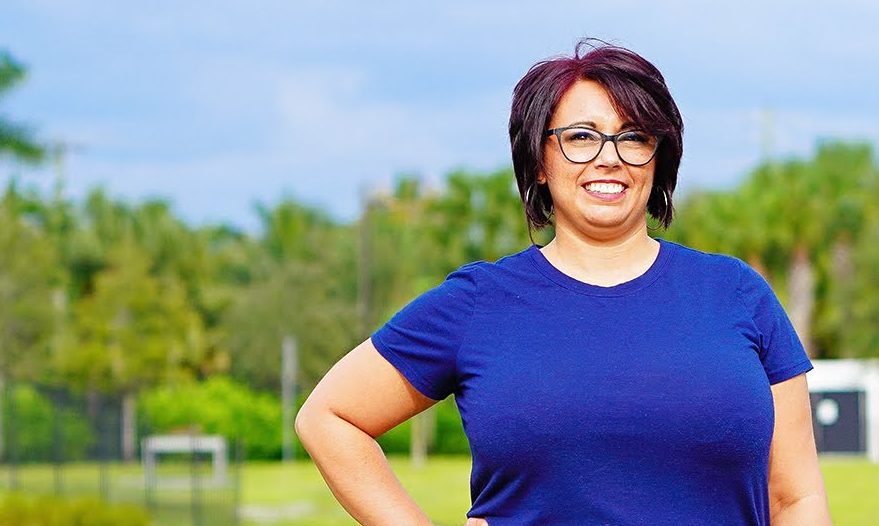
Stephanie is a licensed Mental Health and Substance Abuse Counselor at CBH with experience since 2009. She holds a Master of Science in Addiction Counseling from Drexel University and is a Florida Board Certified Addiction Professional (CAP). Her therapeutic approach integrates person-centered, cognitive-behavioral, and motivational interviewing frameworks across both group and individual therapy. Aimee is a primary therapist at CBH whose focus is on supporting and uplifting clients while helping them work through emotional and mental burdens. Both Stephanie and Aimee facilitate group therapy sessions as part of their clinical roles within CBH’s
Who Leads Group Therapy at CBH
Group therapy at CBH is facilitated by licensed mental health professionals who are trained in the specific therapeutic modalities delivered in each group format. Group facilitators hold licenses, including Licensed Mental Health Counselor (LMHC), Licensed Clinical Social Worker (LCSW), and Licensed Marriage and Family Therapist (LMFT), and are trained in CBT, DBT, trauma-informed approaches, and motivational interviewing.
Stephanie is a licensed Mental Health and Substance Abuse Counselor at CBH with experience since 2009. She holds a Master of Science in Addiction Counseling from Drexel University and is a Florida Board Certified Addiction Professional (CAP). Her therapeutic approach integrates person-centered, cognitive-behavioral, and motivational interviewing frameworks across both group and individual therapy.
Aimee is a primary therapist at CBH whose focus is on supporting and uplifting clients while helping them work through emotional and mental burdens. Both Stephanie and Aimee facilitate group therapy sessions as part of their clinical roles within CBH’s treatment programs.
Ready to Experience Group Therapy as Part of a Full Mental Health Treatment Program in South Florida?
Group therapy at CBH is not an add-on. It is a daily clinical component of a program that has produced verified outcomes: 159% improvement in depression, 167% improvement in anxiety, and 88% improvement in PTSD across more than 1,000 patient surveys measured by Greenspace Health.
Whether you are coming from Miami, Fort Lauderdale, Hollywood, Boca Raton, or anywhere in South Florida, CBH’s group therapy programs are accessible to you within our residential, PHP, and IOP treatment tracks. Small groups. Licensed facilitators. Evidence-based formats. A therapeutic community that is intimate by design.
Call 844-503-0126 now. Available 24 hours a day, seven days a week. All calls are completely confidential. Insurance verified at no cost. Stories change here.
or Substance Use Disorders?
Frequently Asked Questions: Group Therapy in Florida
What is group therapy, and how does it work?
Group therapy is a structured form of psychotherapy in which a licensed therapist facilitates a session with a small group of clients who share common clinical experiences or goals. Group therapy works through multiple mechanisms, including universality (recognizing that others share similar experiences), interpersonal learning (observing relational patterns as they emerge within the group), altruism (the experience of being helpful to others), and group cohesion (a sense of belonging and acceptance). Research demonstrates its effectiveness across depression, anxiety, PTSD, OCD, bipolar disorder, and substance use disorders.
Does CBH offer group therapy near Miami?
Yes. CBH’s group therapy programs are accessible to clients from Miami and the Miami-Dade County area. CBH’s residential program is in Hollywood, Florida, approximately 25 to 30 minutes from Miami. CBH’s PHP and IOP programs are in Fort Lauderdale, approximately 35 to 45 minutes from Miami. Group therapy runs daily at every level of care. Clients from Miami regularly attend CBH’s residential, PHP, and IOP programs. Call 844-503-0126 to discuss logistics and admission options for clients from the Miami area.
How often does group therapy run at CBH?
Group therapy runs every day at CBH’s residential program in Hollywood, including weekends. At the PHP level in Fort Lauderdale, group therapy runs Monday through Friday as part of a minimum of 20 hours of structured weekly programming. At the IOP level, group therapy is a core component of the minimum 12 hours of structured treatment per week. The daily group therapy schedule varies based on the level of care and the specific group curriculum for that day.
What types of groups does CBH offer?
CBH offers CBT-based groups, DBT skills groups, trauma psychoeducation groups, dual diagnosis education groups, relapse prevention groups, gender-specific groups, LGBTQIA+ affirming groups on Fridays, and process groups. The group curriculum is structured across the continuum of care so that groups at each level of care serve the specific clinical needs of clients at that stage of treatment. Groups in residential are more foundational and psychoeducational. Groups in PHP and IOP become more applied and interpersonally focused.
Does CBH offer LGBTQIA+ affirming group therapy?
Yes. CBH offers a dedicated LGBTQIA+ affirming group every Friday as part of its gender-specific group programming. LGBTQIA+ individuals experience elevated rates of depression, anxiety, PTSD, and substance use disorders compared to the general population, driven significantly by minority stress, discrimination, and family rejection. A clinically affirming, peer-supported group environment is a meaningful clinical resource for this population. CBH’s full clinical program is delivered with an affirming approach throughout, not only in the Friday group.
How is group therapy at CBH different from community support groups?
Group therapy at CBH is a clinically structured intervention facilitated by licensed mental health professionals and integrated into a comprehensive treatment plan alongside individual therapy, psychiatric care, and medication management. It is not a peer-support meeting or a 12-step group. The group sessions are led by trained therapists who use evidence-based therapeutic techniques (CBT, DBT, trauma-focused approaches) and are accountable for clinical outcomes. Community support groups serve an important function in long-term recovery but are not a substitute for clinical group therapy within a structured treatment program.
Does insurance cover group therapy in Florida?
Most commercial insurance plans cover group therapy as a mental health benefit when it is delivered within a licensed treatment program. At CBH, group therapy is a component of residential, PHP, and IOP programs that are covered by most major commercial insurance plans. CBH is in-network with Aetna, Blue Cross Blue Shield, Cigna, Optum, Curative, TRICARE East, and the VA. Our admissions team verifies benefits at no cost before any decisions are made. Call 844-503-0126 for a free benefits verification.