































Opioid addiction in South Florida arrives through multiple pathways. A prescription for OxyContin or Vicodin after a surgery or injury that became dependence before anyone named it that. Fentanyl was found in a supply that was supposed to be something else. Heroin that began as a cheaper and more accessible alternative to prescription opioids that had become unaffordable. Each pathway is different. Each person’s clinical picture is different. The treatment plan at Compassion Behavioral Health reflects those differences because it starts with a comprehensive psychiatric evaluation rather than a standardized protocol.
At CBH in South Florida, opioid addiction treatment begins with medically supervised detox at our Hollywood, Florida, facility and continues through residential treatment, PHP, and IOP at our Fort Lauderdale facility, with the same clinical team and the same dual-diagnosis philosophy at every level. The mental health condition driving the opioid use, whether PTSD, depression, anxiety, or chronic pain with psychiatric dimensions, is identified at admission and treated simultaneously with the opioid use disorder from the first day.
Our outcomes are third-party verified: 88% improvement in PTSD outcomes, 159% improvement in depression outcomes, and 167% improvement in anxiety outcomes, measured by Greenspace Health across more than 1,000 patient surveys. These are the mental health conditions most commonly driving opioid use in CBH’s client population. Call 844-503-0126 for a free assessment.
Opioid Addiction Treatment Options in South Florida
CBH offers the full range of opioid addiction treatment options at its South Florida facilities, from medically supervised detox through residential treatment, PHP, and IOP. The right treatment option depends on the clinical picture: the severity of opioid dependence, the co-occurring mental health conditions, the client’s history with prior treatment, and the level of support available after each phase.
Medical Detox, Hollywood, FL
Medical detox is the first treatment option for opioid-dependent clients who need medically supervised withdrawal management. CBH’s 24/7 medical detox in Hollywood provides physician and nursing oversight throughout opioid withdrawal, Clinical Opiate Withdrawal Scale monitoring, and medication-assisted treatment options, including buprenorphine-based medications when clinically indicated. Psychiatric assessment begins during detox. The mental health picture is being built from day one, not waiting until withdrawal is complete.
Residential Treatment, Hollywood, FL
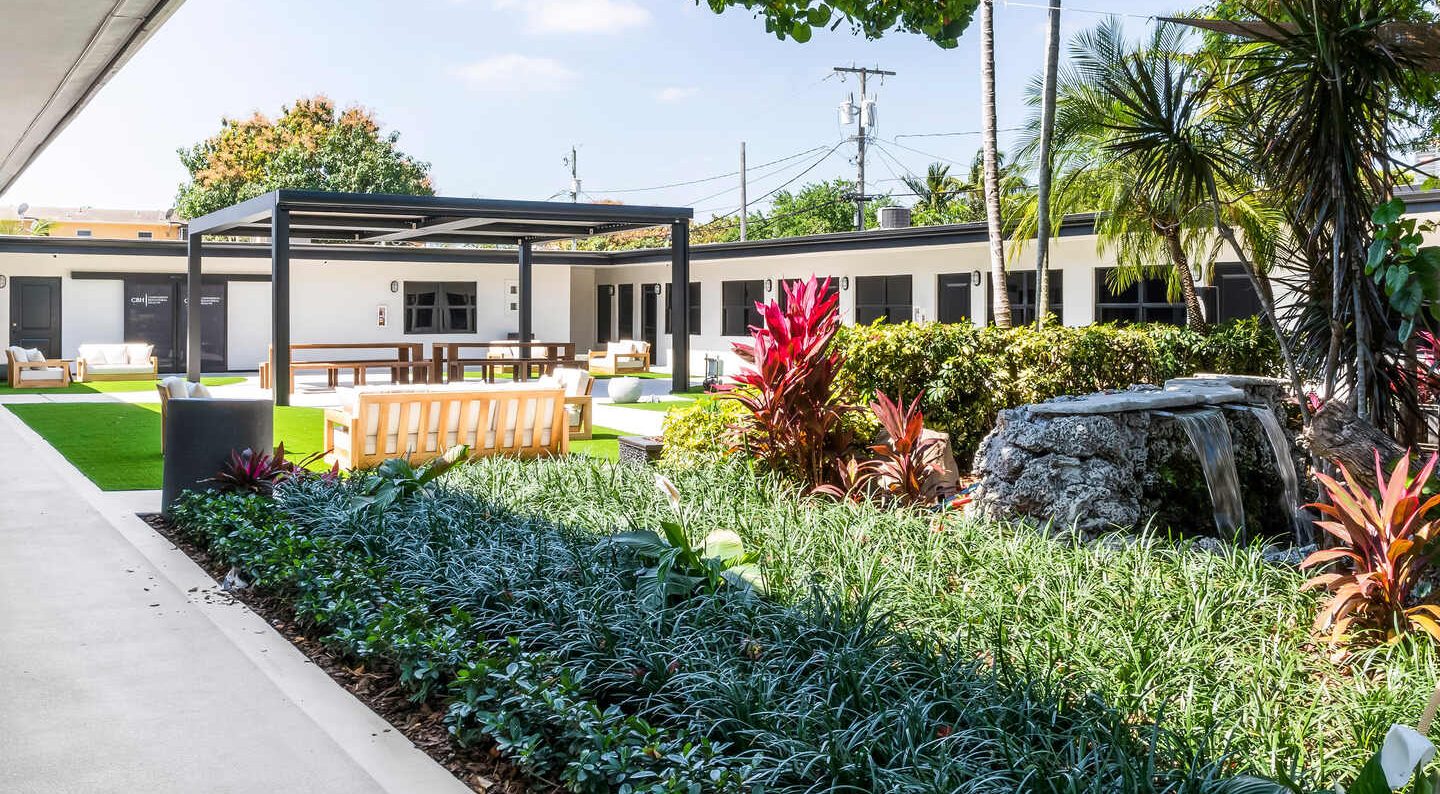
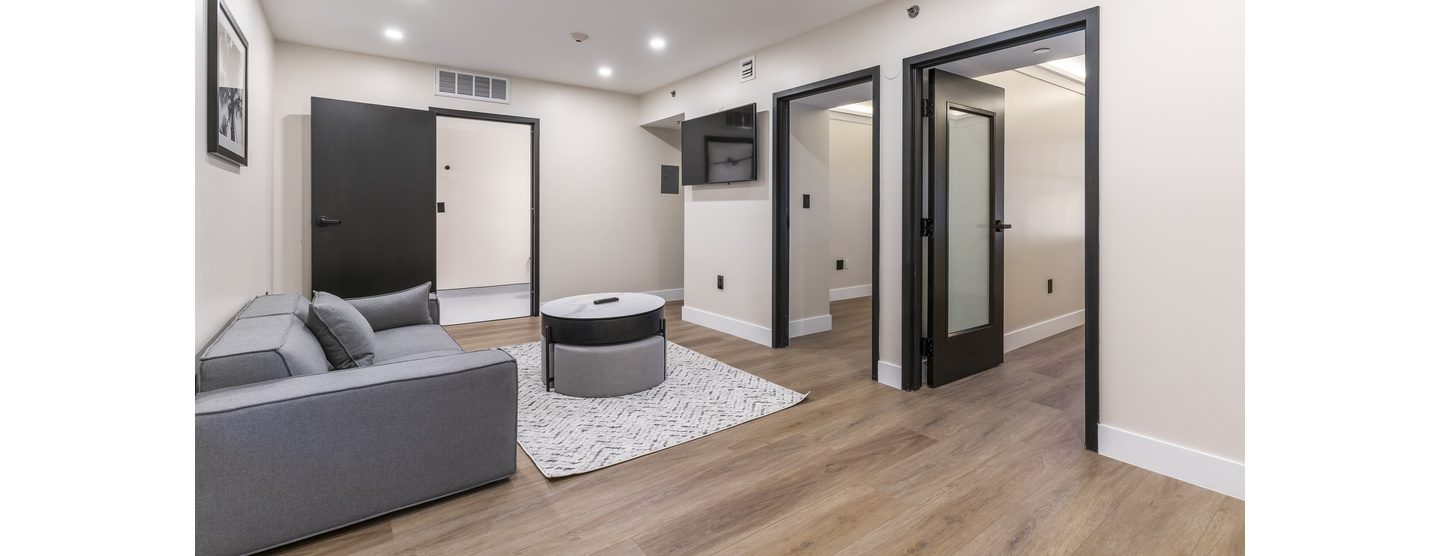
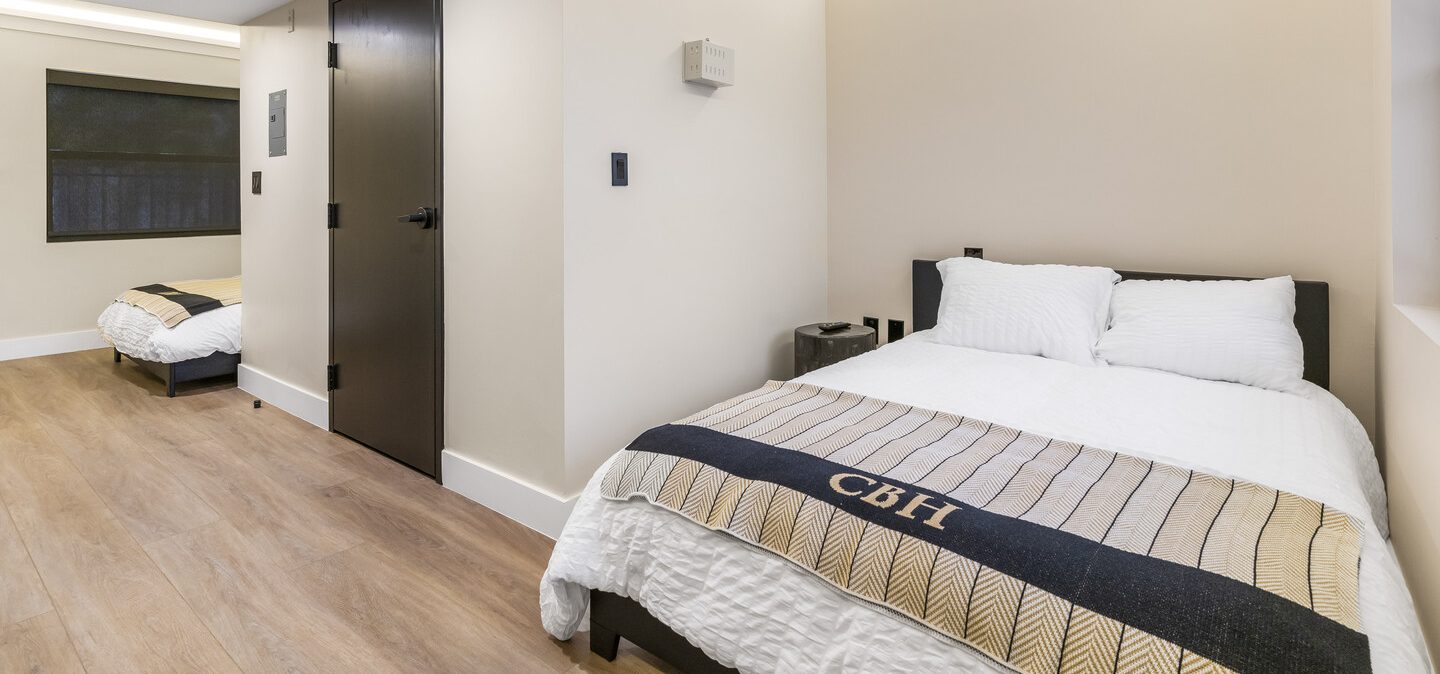
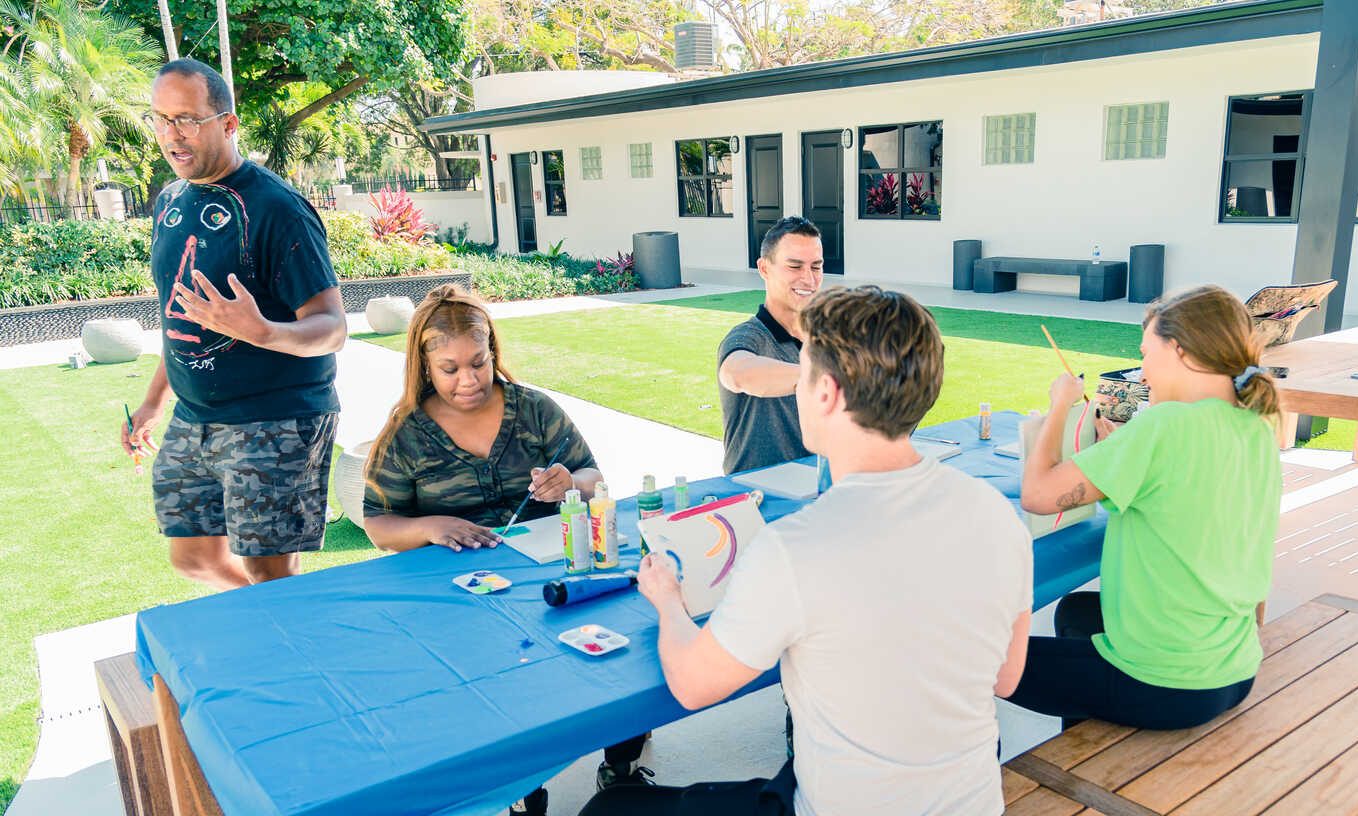
CBH’s 29-bed residential program in Hollywood provides the foundational dual-diagnosis opioid addiction treatment. Both the opioid use disorder and the co-occurring mental health conditions are treated simultaneously with individual therapy, group therapy, psychiatric medication management, CBT, DBT, and neurofeedback. Caseloads of 8 to 10 clients per therapist mean individualized care is operationally real rather than a marketing statement. Residential treatment at CBH follows detox in the same Hollywood facility, with the same psychiatric team.
Partial Hospitalization Program (PHP), Fort Lauderdale, FL
PHP in Fort Lauderdale provides a minimum of 20 hours of structured treatment per week following residential stabilization. The deeper therapeutic work of opioid addiction recovery occurs at PHP: EMDR for trauma-driven opioid use, family therapy, relapse prevention groundwork, and the progressive community reintegration that prepares clients for the independence of IOP. Both the mental health condition and the opioid use disorder remain active clinical priorities.
Intensive Outpatient Program (IOP), Fort Lauderdale, FL
IOP in Fort Lauderdale provides at least 12 hours of structured treatment per week while clients rebuild independence. Opioid addiction relapse prevention planning, addressing both the opioid-specific triggers and the mental health early warning signs, is a core IOP deliverable. The same clinical team from residential and PHP continues at IOP, providing the clinical continuity the research consistently identifies as a predictor of sustained opioid recovery.
Mental Health Conditions Driving Opioid Use
PTSD and Opioid Use
PTSD is one of the strongest predictors of opioid use disorder. The numbing, sedating, and analgesic properties of opioids provide temporary relief from the hyperarousal, intrusive memories, and chronic sense of threat that characterize PTSD. Veterans, sexual assault survivors, and individuals with significant childhood trauma are disproportionately represented in opioid addiction treatment populations. At CBH, PTSD and opioid use disorder are treated within the same dual-diagnosis program. EMDR is available at the PHP and IOP levels. CBH is PsychArmor certified and accepts TRICARE East and VA benefits. Verified outcome: 88% improvement in PTSD symptoms.
Depression and Opioid Use
Opioids produce a powerful dopamine and endorphin response that temporarily reverses the core features of depression. For people with undiagnosed or inadequately treated depression, prescription opioid use for pain can become a solution to emotional suffering that no one intended. Over time, opioids deplete the endogenous opioid and dopamine systems, deepening the underlying depression and creating a cycle in which the opioid use disorder and the depression reinforce each other. CBH treats both simultaneously. Verified outcome: 159% improvement in depression symptoms.
Anxiety and Opioid Use
Opioids produce sedation and anxiolysis that can be profoundly appealing to people with chronic anxiety disorders. The relief from constant physiological arousal that opioids provide creates a powerful reinforcement cycle, particularly for people whose anxiety has never been adequately addressed clinically. CBH’s dual-diagnosis opioid treatment program identifies and treats anxiety alongside opioid use disorder, using CBT, DBT, neurofeedback, and psychiatric medication management to address the anxiety through clinical means rather than leaving it unaddressed as opioids are removed. Verified outcome: 167% improvement in anxiety symptoms.
Chronic Pain and Opioid Use
Many South Florida opioid addiction cases began with legitimate prescription opioid treatment for chronic pain. The transition from therapeutic use to physical dependence can occur without any intention of misuse. For clients whose opioid addiction has a chronic pain origin, pain management is part of the clinical picture alongside the mental health conditions that often develop in the context of chronic pain and prolonged opioid use. CBH’s psychiatric team assesses and addresses the full clinical picture, including pain-related psychiatric presentations, as part of the comprehensive admission evaluation.
Opioid Addiction Recovery in South Florida: What the Process Looks Like
Opioid addiction recovery at CBH is a structured clinical process that moves through defined phases, each building on the previous one, with the same clinical team and the same dual-diagnosis philosophy throughout.
The recovery process begins with medically supervised detox in Hollywood, where opioid withdrawal is managed safely, and a psychiatric assessment begins. Residential treatment follows in the same Hollywood facility, where the foundational dual-diagnosis work of treating both the opioid use disorder and the co-occurring mental health conditions occurs in daily individual and group therapy, with psychiatric medication management, DBT skill building, and neurofeedback as clinical tools.
PHP in Fort Lauderdale deepens the therapeutic work as clients begin reintegrating into community life. EMDR for trauma-driven opioid use, family therapy, and progressive independence preparation occur at PHP. IOP in Fort Lauderdale applies the clinical skills to real-world situations with ongoing support, and relapse prevention planning produces a personalized document that addresses both the opioid-specific and the mental health relapse risks.
Opioid addiction recovery is not a destination at the end of a 30-day program. It is a clinical process that takes the time it actually takes for each person’s specific diagnosis, history, and life circumstances. CBH’s continuum is designed to support that process at every stage.

Why CBH for Opioid Addiction Treatment in South Florida
- Mental health is treated as the primary diagnosis alongside opioid use disorder from day one
- Medical detox in Hollywood with 24/7 physician oversight, COWS monitoring, and MAT options when clinically indicated
- Psychiatric assessment beginning during detox by Dr. Daud, board-certified in psychiatry and addiction psychiatry
- 88% improvement in PTSD outcomes, 159% improvement in depression outcomes, 167% improvement in anxiety outcomes, all third-party verified by Greenspace Health
- EMDR for trauma-driven opioid use at the PHP and IOP levels in Fort Lauderdale
- PsychArmor is certified for military-competent care, TRICARE East, and the VA Community Care Network is accepted
- GeneSight genetic testing for treatment-resistant co-occurring mental health conditions
- 29-bed residential program in Hollywood with caseloads of 8 to 10 clients per therapist
- Full continuum from detox through IOP with the same clinical team at every level in South Florida
- In-network with Aetna, Blue Cross Blue Shield, Cigna, Optum, Curative, TRICARE East, and the VA
- Joint Commission accredited, NAMI affiliated, AHCA, and DCF licensed
- 633 or more Google reviews across both South Florida locations
Frequently Asked Questions: Opioid Addiction Treatment in South Florida
What opioid addiction treatment options are available in South Florida?
CBH offers the full continuum of opioid addiction treatment options in South Florida: medically supervised detox with 24/7 physician oversight and MAT options at its Hollywood facility, 29-bed residential treatment at Hollywood, and PHP and IOP at its Fort Lauderdale facility. All levels of care are delivered within CBH’s dual-diagnosis mental health-first model, treating the mental health conditions driving opioid use simultaneously with the opioid use disorder. Call 844-503-0126 for a free clinical assessment.
Is there an opioid treatment center in South Florida?
Yes. CBH operates an opioid treatment center in South Florida with residential and medical detox in Hollywood, Florida, and PHP and IOP in Fort Lauderdale, Florida. CBH treats prescription opioid dependence, heroin addiction, and fentanyl dependence within a dual-diagnosis framework that addresses the mental health conditions co-occurring with opioid use. CBH serves adults from throughout South Florida, including Fort Lauderdale, Hollywood, Boca Raton, Broward County, and Palm Beach County. Call 844-503-0126 to begin the admissions process.
What is opioid addiction recovery in South Florida like?
Opioid addiction recovery at CBH in South Florida begins with medically supervised detox in Hollywood, progresses through residential dual-diagnosis treatment in Hollywood, and continues through PHP and IOP in Fort Lauderdale. At every level, both the opioid use disorder and the co-occurring mental health conditions are treated simultaneously by the same clinical team. Recovery is not a fixed timeline. Length of treatment at CBH is driven by clinical progress, to build the skills and the relapse prevention plan that support lasting recovery after treatment ends.
Does medical detox treat opioid withdrawal?
Yes. CBH’s medical detox in Hollywood provides 24/7 physician and nursing supervision for opioid withdrawal management using Clinical Opiate Withdrawal Scale monitoring. Medication-assisted treatment options, including buprenorphine-based medications, are available when clinically indicated. Psychiatric assessment begins during detox, so the mental health picture that will drive the residential treatment plan is being developed from the first day of admission, not starting after withdrawal is complete.
What mental health conditions drive opioid addiction?
The most common mental health conditions driving opioid addiction are PTSD, depression, anxiety disorders, and chronic pain with psychiatric dimensions. In many cases, opioids were initially used as self-medication for untreated mental health symptoms, and the physical dependence developed alongside or as a consequence of that use. At CBH, every client receives a comprehensive psychiatric evaluation at admission that identifies all co-occurring conditions, and both the opioid use disorder and the mental health diagnosis are treated with equal clinical weight throughout treatment in South Florida.
Does insurance cover opioid addiction treatment in South Florida?
Yes. Most commercial insurance plans cover opioid addiction treatment, including medical detox, residential care, PHP, and IOP, under the federal mental health parity law. CBH is in-network with Aetna, Blue Cross Blue Shield, Cigna, Optum, Curative, TRICARE East, and the VA. Our admissions team verifies benefits at no cost before any decisions are made. Call 844-503-0126 for a free benefits verification at CBH’s South Florida locations.
Can veterans get opioid addiction treatment at CBH?
Yes. CBH is PsychArmor certified for military-competent care and accepts TRICARE East directly. CBH is also an approved VA Community Care Network provider, meaning eligible veterans may receive treatment through VA benefits. PTSD and opioid use disorder are among the most common co-occurring presentations in the veteran population, and CBH’s dual-diagnosis program treats both simultaneously. Call 844-503-0126, and our veteran admissions team will explain your benefit options.
Treatment Options Available for Your Loved One
The continuum of care for opioid addiction spans multiple stages, from detox to outpatient programs, each tailored to meet specific needs. Detoxification is often the first step, addressing the physical dependence on opioids and managing withdrawal symptoms in a safe environment. After detox, individuals may transition to residential treatment, where they receive intensive therapy and support in a structured setting. For those who require ongoing support but with more flexibility, options such as partial hospitalization programs (PHP) and intensive outpatient programs (IOP) are available. These levels of care ensure that treatment is comprehensive and adaptable to the individual’s progress and circumstances.
Residential and inpatient treatment programs offer a controlled environment ideal for those with severe addiction or co-occurring disorders. These programs provide round-the-clock medical care, psychological support, and a community of peers undergoing similar challenges. Residents engage in a variety of therapeutic activities, such as cognitive-behavioral therapy and group counseling, designed to address the root causes of addiction. This immersive approach facilitates a deeper understanding of addiction and equips individuals with skills for long-term recovery. Residential treatment is particularly beneficial for those who have not succeeded in less intensive settings or who need a break from environments that trigger substance use.
For individuals requiring different levels of support, PHP, IOP, and outpatient programs offer flexible treatment modalities. Partial hospitalization programs offer intensive treatment similar to residential care but allow individuals to return home at the end of the day. Intensive outpatient programs provide a step-down in care, offering therapy sessions several times a week while allowing for greater personal freedom. Outpatient programs are suitable for those who have achieved stability but require ongoing support to maintain their recovery. These programs can also address concurrent issues such as alcohol addiction treatment, ensuring a holistic approach to recovery.
Supporting Your Loved One Through Recovery
The role of family in the recovery process cannot be overstated. When a loved one is battling opioid addiction, the support of family members can provide an essential foundation for successful recovery. However, it is crucial to establish healthy boundaries to ensure that support remains beneficial and does not enable harmful behaviors. Families can encourage their loved ones by participating in family therapy sessions, which are often a part of comprehensive opioid treatment programs. Through these sessions, family members can learn effective communication strategies and gain a better understanding of addiction, helping them to support their loved one’s journey toward recovery.
During the treatment process, families might wonder what to expect and how long recovery from opioid addiction typically takes. Treatment often begins with a detox program, where individuals are safely weaned off opioids under medical supervision. This is followed by participation in either inpatient or outpatient treatment programs, such as those offered by Compassion Behavioral Health. The duration of treatment varies based on individual needs, but a commitment of several months is generally recommended for effective recovery. Families need to remain patient and supportive throughout this period, as recovery is a gradual process that involves both physical and psychological healing.
Resources for families are an invaluable component of the recovery journey. Support groups, such as Al-Anon or Nar-Anon, provide a community of peers who understand the unique challenges of loving someone with an addiction. These groups offer a space to share experiences and gain strength from others who have faced similar struggles. Additionally, family therapy sessions integrated into treatment plans can help repair and strengthen relationships strained by addiction. By utilizing these resources, families can better support their loved ones, as well as care for their own emotional well-being. For a deeper understanding of therapeutic interventions, you might explore EMDR for Addiction Treatment: A Comprehensive Guide to learn about innovative approaches in addiction therapy.
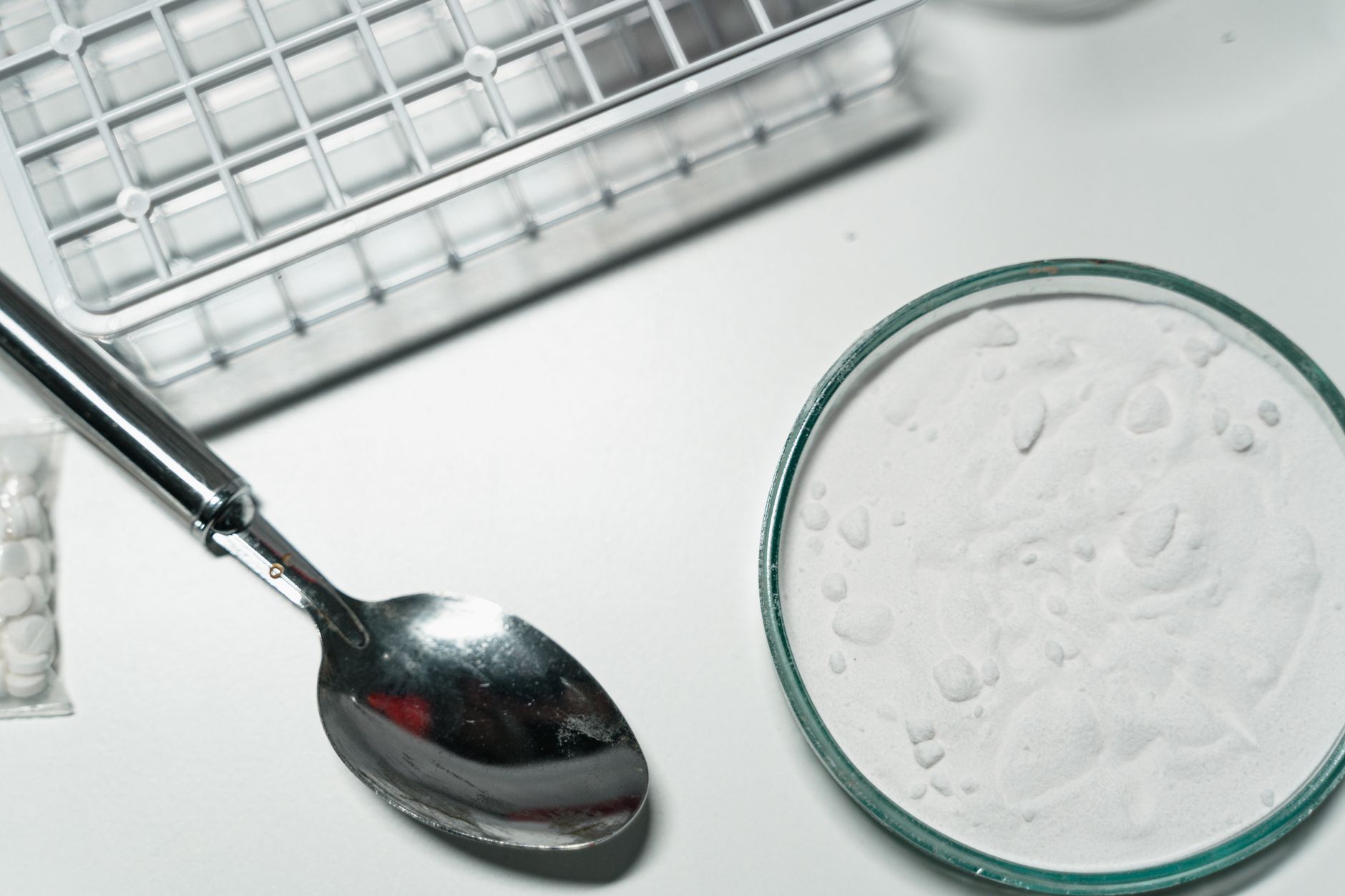
Opioid Addiction Treatment in South Florida: CBH Hollywood and Fort Lauderdale
If you or someone you love is in South Florida and dealing with opioid addiction, whether from a prescription that became dependent, from heroin or fentanyl, or from any opioid that has taken more than it was supposed to, CBH’s programs in Hollywood and Fort Lauderdale are built around treating the full clinical picture.
Medical detox in Hollywood with psychiatric oversight from day one. Dual-diagnosis residential treatment that identifies and treats the mental health driving the opioid use. EMDR for trauma-driven cases. The same clinical team from detox through IOP. In-network with major insurance carriers, including TRICARE East and the VA.
88% PTSD improvement. 159% depression improvement. 167% anxiety improvement. Verified. Because the mental health condition driving opioid use will not disappear when the opioids are removed. And treating both is how stories change here.
Call 844-503-0126 now. Available 24 hours a day, seven days a week. All calls are completely confidential. Insurance verified at no cost.
