











































If someone you love has been diagnosed with schizophrenia, or if you have received that diagnosis yourself, you may have spent weeks or months trying to understand what it means, what to do next, and where to find care that takes this diagnosis as seriously as it deserves. The fear and uncertainty that surround schizophrenia are real. So is the fact that, with the right treatment, schizophrenia is manageable. People with schizophrenia can stabilize, function, maintain relationships, and build meaningful lives.
At Compassion Behavioral Health, schizophrenia is treated as the complex, high-acuity psychiatric condition it is. That means comprehensive psychiatric evaluation at admission, expert antipsychotic medication management, GeneSight genetic testing for clients who have not responded to prior medication trials, and a dual-diagnosis model for the significant portion of clients whose schizophrenia co-occurs with substance use or other mental health conditions.
One of the most clinically important things research has established about schizophrenia is this: the longer it goes untreated, the more neurological damage accumulates. Early, appropriate treatment is not just helpful. It is neuroprotective. If you are looking at this page, now is the right time to make the call. Reach us at 844-503-0126. Our admissions team is available around the clock to answer your questions, verify your insurance, and help you understand your options.
What Schizophrenia Actually Is and What It Is Not
Schizophrenia is one of the most misunderstood psychiatric diagnoses in popular culture. It is not multiple personalities. It is not inherently associated with violence. It does not mean the person experiencing it is unintelligent, dangerous, or beyond help. These misconceptions cause real harm because they delay families from seeking treatment, cause individuals to hide symptoms out of shame, and lead to years of untreated illness that could have been addressed much sooner.
Schizophrenia is a chronic brain disorder characterized by disruptions in thought, perception, emotion, language, and behavior. It affects approximately 0.25 to 0.64 percent of the U.S. population. It typically emerges in late adolescence to early adulthood, generally the late teens to mid-20s for men and the late 20s to early 30s for women. It is rare in children, but not impossible. Its onset can be gradual, making it easy to dismiss early warning signs as stress, substance use, or adolescent behavior.
The symptoms of schizophrenia are organized into three categories, each of which has important implications for treatment.
Positive Symptoms
These are experiences added to the person’s reality that should not be there. Hallucinations are the most recognized: hearing voices is the most common, but hallucinations can also be visual, tactile, or olfactory. Delusions are fixed false beliefs that persist despite clear evidence to the contrary, beliefs about being persecuted, being monitored, having special powers, or receiving messages from external sources. Disorganized thinking and disorganized or agitated behavior also fall in this category. Positive symptoms typically respond most directly to antipsychotic medication.
Negative Symptoms
These are the reductions or absences of normal functions. Flat affect is a diminished range of emotional expression. Alogia, reduced speech output. Avolition, lack of motivation to initiate or sustain goal-directed activity. Anhedonia, the inability to experience pleasure. Social withdrawal. Negative symptoms are frequently mistaken for depression and are often more treatment-resistant than positive symptoms. They are also the symptoms that most directly impair daily functioning, employment, and relationships. Addressing negative symptoms requires more than medication alone.
Cognitive Symptoms
Impaired working memory, difficulty with sustained attention, slowed processing speed, and impaired executive function. Cognitive symptoms are often the first to appear, preceding the more dramatic positive symptoms by months or years. They are also among the most disabling features of schizophrenia in terms of a person’s ability to work, study, and manage daily life independently. Neurofeedback and structured cognitive remediation approaches can target these deficits directly.
The Schizophrenia Spectrum: Understanding Related Conditions
Schizophrenia does not exist in isolation. It sits within a broader spectrum of psychotic disorders that share overlapping features but differ in important ways that affect both diagnosis and treatment. CBH evaluates and treats the full spectrum.
Schizoaffective Disorder
Schizoaffective disorder combines the psychotic features of schizophrenia with significant mood disorder symptoms, either depressive episodes, manic episodes, or both. It is frequently misdiagnosed as either schizophrenia or bipolar disorder. Accurate diagnosis matters enormously here because the treatment approach differs: mood stabilizers or antidepressants are added alongside antipsychotics, and the therapeutic work must address both the psychotic and mood dimensions simultaneously.
Schizophreniform Disorder
Schizophreniform disorder is clinically identical to schizophrenia but has a shorter duration, lasting at least one month but less than six. It is sometimes a precursor to a full schizophrenia diagnosis and sometimes resolves. Early, aggressive treatment during this window can significantly alter the long-term trajectory of the illness.
Brief Psychotic Disorder
A sudden, short-term episode of psychotic behavior lasting at least one day but less than one month, often triggered by an extremely stressful event. Brief psychotic disorder can be terrifying for both the person experiencing it and their family, and it requires immediate psychiatric stabilization even though the episode typically resolves.
Delusional Disorder
Characterized by persistent delusions without the hallucinations or disorganized thinking typical of schizophrenia. The person may function relatively normally in areas of life that do not intersect with the delusional content. Delusional disorder is frequently underdiagnosed because the person’s overall behavior can appear normal to others.
Drug-Induced Psychosis
Psychotic symptoms triggered by substance use or withdrawal, most commonly associated with cannabis, methamphetamine, cocaine, and psychedelics. Drug-induced psychosis can be clinically indistinguishable from schizophrenia in the acute phase, and in some individuals, particularly those with a genetic predisposition, substance-triggered psychosis can catalyze the onset of a true schizophrenia spectrum disorder. CBH’s dual-diagnosis residential model is specifically equipped to stabilize and assess clients with drug-induced psychosis while simultaneously addressing the underlying substance use.
Why Starting Treatment Immediately Matters: The Duration of Untreated Psychosis
Duration of Untreated Psychosis, or DUP, is one of the most clinically significant concepts in schizophrenia research. It refers to the length of time between the onset of psychotic symptoms and the beginning of effective treatment. Research consistently shows that longer DUP is associated with worse long-term outcomes across every meaningful measure: more severe symptoms, greater cognitive impairment, higher relapse rates, poorer social functioning, and reduced quality of life.
Every week that psychosis goes untreated involves active neurotoxic processes in the brain. Excitotoxicity, inflammatory microglial activity, and synaptic disruption accumulate. Gray matter loss is measurable and progressive. Studies comparing people who received early treatment versus those who experienced prolonged DUP show significantly better functional recovery in the early treatment group, including less gray matter loss and higher rates of symptom remission.
This is not presented to create urgency for its own sake. It is presented because family members of people with schizophrenia often spend months or years trying to manage symptoms at home, not knowing whether what they are seeing is serious, not knowing where to get help, or hoping things will improve on their own. The research is unambiguous: earlier treatment produces better outcomes. If you are looking at this page, you are already taking the right step. Call 844-503-0126 now.
Schizophrenia and Co-Occurring Conditions
Schizophrenia rarely presents without additional clinical complexity. CBH’s founding philosophy, that mental health conditions drive the behavioral struggles that bring people into treatment, applies directly here. The majority of people with schizophrenia who enter residential or outpatient treatment have at least one co-occurring condition that must be assessed and treated alongside the primary diagnosis.
Schizophrenia and Substance Use
Substance use co-occurs with schizophrenia at a rate significantly higher than in the general population. Research indicates that approximately 47 percent of people with schizophrenia meet criteria for a substance use disorder at some point in their lifetime. Cannabis and alcohol are the most common. Methamphetamine and stimulant use are particularly dangerous because they directly exacerbate psychotic symptoms. The relationship runs in both directions: substances can trigger or worsen psychotic episodes, and the distressing experience of schizophrenia symptoms drives many people toward substances as a form of self-medication or symptom management.
Treating substance use without simultaneously treating schizophrenia produces poor outcomes. CBH’s dual-diagnosis model treats both with equal clinical weight from the first day of admission.
Schizophrenia and Depression
Depression is extremely common in schizophrenia, occurring in up to 25 percent of people across all phases of the illness. It is most pronounced following psychotic episodes, when the person has insight into what has happened and what it means for their life. Untreated depression in schizophrenia significantly increases the risk of suicide — schizophrenia already carries a substantially elevated suicide risk compared to the general population, and co-occurring depression compounds it. CBH’s psychiatric team specifically monitors and treats depressive symptoms throughout the treatment process.
Schizophrenia and Anxiety
Social anxiety, generalized anxiety, and OCD-spectrum symptoms all occur at elevated rates in schizophrenia. Anxiety symptoms are frequently driven by psychotic content — the distress of hearing voices, the fear associated with paranoid delusions, the anticipatory anxiety about symptom recurrence. Addressing anxiety as a distinct clinical target alongside psychotic symptoms improves overall treatment outcomes.
Schizophrenia and Trauma
The relationship between trauma and schizophrenia is bidirectional and well-documented. Childhood trauma and adverse experiences are among the strongest environmental risk factors for schizophrenia. And the experience of psychotic episodes, involuntary hospitalization, frightening hallucinations, and loss of agency is itself traumatic. EMDR and trauma-focused approaches available at CBH’s PHP and IOP levels address the trauma dimension of schizophrenia treatment that standard antipsychotic-focused programs frequently overlook.
How CBH Treats Schizophrenia: The Full Clinical Approach
Schizophrenia treatment at CBH is built around a stabilization-first model that prioritizes psychiatric stabilization before intensive psychosocial work begins. This sequencing matters clinically: a client in acute psychosis cannot meaningfully absorb CBT or group therapy. Medication management is the necessary foundation, and everything else is built on top of it once the client has achieved sufficient stability to engage.
Comprehensive Psychiatric Evaluation
Every client admitted to CBH receives a comprehensive psychiatric evaluation that assesses the full clinical picture: symptom history, prior diagnoses, medication history, substance use history, trauma history, and family psychiatric history. For schizophrenia specifically, differential diagnosis is critical. Schizoaffective disorder, bipolar disorder with psychotic features, drug-induced psychosis, and PTSD can all present with psychotic features. Accurate diagnosis from the outset shapes every subsequent treatment decision.
Antipsychotic Medication Management
Antipsychotic medication is the clinical cornerstone of schizophrenia treatment. CBH’s psychiatric team, led by a board-certified psychiatrist with dual specialization in psychiatry and addiction psychiatry, manages antipsychotic medication with close monitoring of both therapeutic efficacy and side effects. Both first-generation and second-generation antipsychotics may be used depending on the client’s history, presentation, and prior treatment response. Medication selection for schizophrenia involves significant trial-and-error in standard practice, which is precisely why CBH offers GeneSight genetic testing.
GeneSight Genetic Testing for Medication Optimization
GeneSight analyzes a client’s genetic profile to determine how they metabolize specific psychiatric medications, including antipsychotics. For clients with schizophrenia who have been through multiple failed medication trials — a common pattern in this population — GeneSight can identify why specific medications were ineffective and guide a more targeted prescribing approach. For families who have watched a loved one cycle through antipsychotics without adequate symptom control, this testing can represent a genuine clinical turning point. CBH is one of the few residential treatment programs in South Florida that integrates GeneSight into its standard treatment protocol.
Cognitive Behavioral Therapy for Psychosis (CBTp)
Cognitive Behavioral Therapy adapted specifically for psychosis, known as CBTp, is one of the most evidence-supported psychosocial interventions for schizophrenia. It helps clients develop a more adaptive relationship with their symptoms by examining the evidence for delusional beliefs, developing coping strategies for distressing hallucinations, and building the insight and self-awareness that support long-term functioning. CBTp does not aim to eliminate psychotic experiences but to reduce their power and distress.
Dialectical Behavior Therapy (DBT)
DBT is particularly relevant for clients with schizophrenia whose illness is accompanied by significant emotional dysregulation, impulsivity, or interpersonal difficulties. The distress tolerance, mindfulness, and emotional regulation skills in DBT provide practical tools for managing the day-to-day emotional volatility that schizophrenia can produce.
Neurofeedback
Neurofeedback uses real-time brain activity monitoring to help clients train their nervous systems toward healthier patterns of functioning. For schizophrenia, neurofeedback has applications in cognitive symptom management — specifically attention, working memory, and processing speed — as well as anxiety regulation. CBH’s neurofeedback therapist, Tharlene, has extensive clinical experience across the full spectrum of the facility’s client population.
Group Therapy and Psychoeducation
Group therapy and structured psychoeducation are components of treatment at every level of care at CBH. For clients with schizophrenia, psychoeducation — learning about the illness, its neurological basis, the role of medication, warning signs of relapse, and strategies for daily management — is a critical component of treatment that reduces relapse rates and improves long-term functioning. The research on psychoeducation for schizophrenia is consistent and strong.
Family Therapy and Family Psychoeducation
For schizophrenia, more than almost any other diagnosis, the family environment and the quality of family support are direct predictors of long-term outcomes. High expressed emotion in the family environment — criticism, hostility, or emotional overinvolvement — is one of the strongest predictors of relapse. CBH’s family therapy program begins at the PHP level and addresses communication patterns, realistic expectations, boundary-setting, and the skills families need to provide support without enabling symptom maintenance. Family psychoeducation is provided alongside family therapy so that the people who will be part of the client’s long-term support system understand the illness they are managing.
EMDR for Trauma-Related Psychotic Symptoms
For clients whose schizophrenia or psychotic disorder has a significant trauma component, which is more common than is often recognized, EMDR is available at the PHP and IOP levels. The intersection of trauma and psychosis requires clinical precision, and EMDR is delivered only when the client has achieved sufficient stability to engage with it safely.
Schizophrenia Treatment Across the Full Continuum of Care
Schizophrenia is a chronic condition that requires sustained, long-term treatment and support. CBH’s full continuum ensures that clients receive the right level of clinical intensity at every stage, with no gaps in the clinical philosophy or team as they step down through levels of care.
Residential Treatment — Hollywood, FL
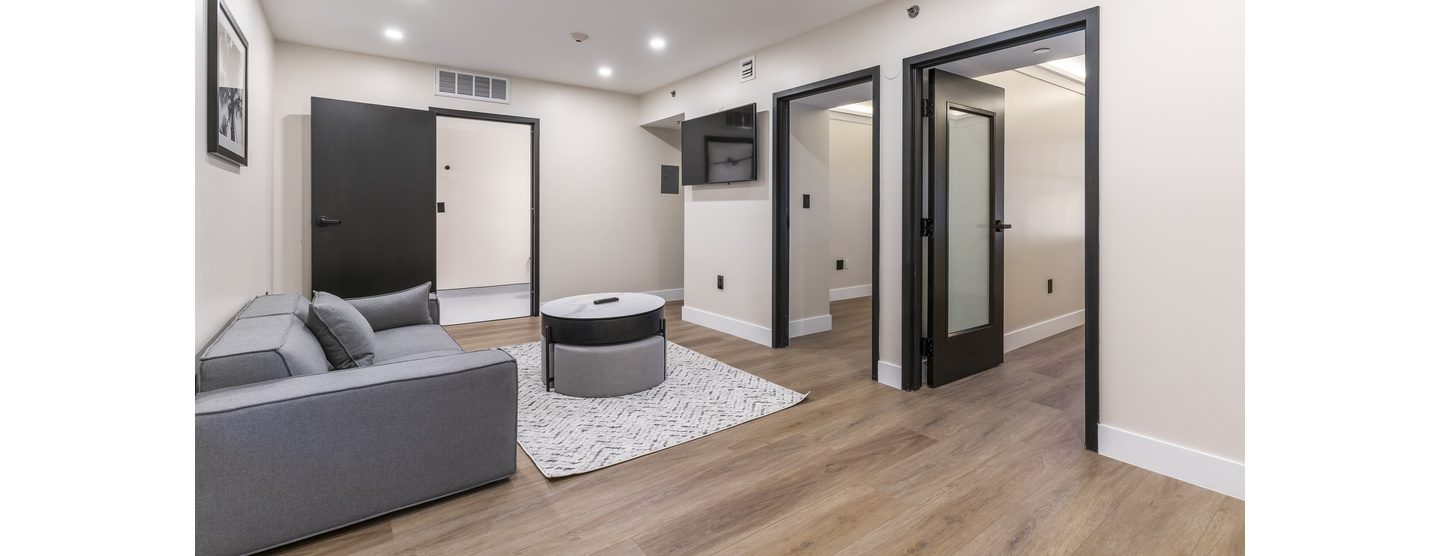
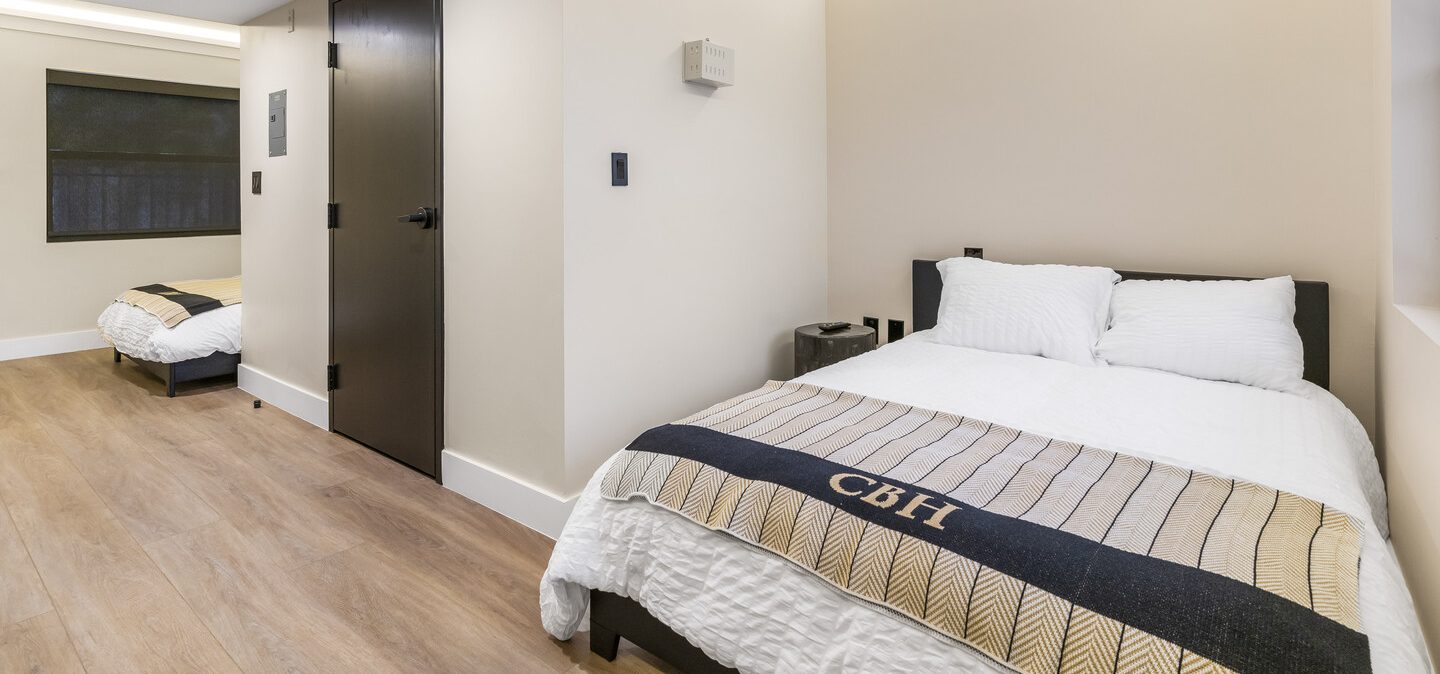
For clients in acute psychotic episodes, first-episode psychosis, or with severe symptoms requiring stabilization, CBH’s 29-bed residential program in Hollywood provides 24/7 medical and psychiatric supervision in an intimate, non-institutional setting. Psychiatric stabilization, medication initiation or adjustment, and the beginning of psychosocial treatment all occur in residential. The Clinical Director knows every client by name. Caseloads are held to 8 to 10 clients per therapist.
The residential environment removes clients from the stressors, triggers, and substance access that can exacerbate psychotic symptoms. It provides the safety, routine, and clinical containment that acute schizophrenia requires. For families who have been managing a loved one’s psychosis at home without adequate support, the residential admission is frequently a profound relief.
Partial Hospitalization Program (PHP) — Fort Lauderdale, FL
PHP provides a minimum of 20 hours of structured treatment per week while clients live in supervised housing. At the PHP level, antipsychotic medication regimens are refined based on clinical response. CBTp deepens. Family therapy and psychoeducation begin in earnest. For clients with drug-induced psychosis, the substance use treatment track runs simultaneously with the psychiatric track. EMDR becomes available for clients with significant trauma histories when clinical readiness has been established.
Intensive Outpatient Program (IOP) — Fort Lauderdale, FL
IOP provides at least 12 hours of structured treatment per week while clients rebuild independence. The focus shifts from stabilization and skill acquisition to community reintegration, relapse prevention planning, and vocational and social functioning. The clinical team provides coaching and accountability as clients navigate daily life with a chronic psychiatric condition in active management.
What CBH Offers That Most Schizophrenia Treatment Programs in Florida Do Not
- GeneSight genetic testing to identify why prior antipsychotic medication trials failed and guide targeted prescribing, a clinical capability that few residential programs in South Florida provide
- Board-certified psychiatrist with dual specialization in psychiatry and addiction psychiatry, overseeing all medication management, critical for the high proportion of schizophrenia clients with co-occurring substance use
- CBTp-informed individual therapy targeting the specific cognitive distortions of psychotic illness, not generic CBT applied to a psychiatric population, was not designed for
- Neurofeedback for cognitive symptom management, particularly attention and working memory deficits that impair daily functioning
- Family therapy and family psychoeducation begin at PHP, addressing the family environment that directly predicts long-term relapse
- EMDR for clients with trauma-related psychotic symptoms is an intersection that the vast majority of schizophrenia programs in Florida do not address
- A full dual-diagnosis model for approximately 47 percent of schizophrenia clients with co-occurring substance use disorders
- 29-bed intimate residential program, not a large institutional psychiatric ward, where the clinical relationship is impossible to build
- Caseloads of 8 to 10 clients per therapist, giving each client meaningful individual therapy time
- Joint Commission accredited, NAMI affiliated, AHCA, and DCF licensed
- 633+ Google reviews across both locations
A Direct Word for Families: What to Do When Someone You Love Has Schizophrenia
If you are a parent, spouse, sibling, or adult child who has been watching someone you love change in ways you do not understand, or have recently received a diagnosis that explains everything and terrifies you at the same time, this section is specifically for you.
Schizophrenia is not something a family can manage through willpower, patience, or love alone. It requires professional psychiatric care. The impulse to protect a loved one by managing their behavior at home, delaying hospitalization, or hoping the episode will pass is understandable. But every week of untreated psychosis involves neurological processes that cause measurable damage. The most loving thing a family can do is get the person into appropriate care as quickly as possible.
CBH’s admissions team works directly with families through the entire process. We explain the clinical picture honestly. We help navigate insurance authorization. We provide guidance on what to expect during residential treatment and how to prepare for the family therapy work that begins at the PHP level. You do not have to figure this out alone.
Call 844-503-0126. If the situation is acute, if your loved one is actively psychotic, not sleeping, refusing to eat, or if you are concerned for their safety, our admissions team can walk you through the immediate next steps. We are available around the clock.
Frequently Asked Questions About Schizophrenia Treatment
Can Schizophrenia be Treated?
Yes. Schizophrenia cannot currently be cured, but it can be treated effectively. With the right combination of antipsychotic medication, psychosocial therapies, and sustained support, many people with schizophrenia achieve significant symptom reduction and can live independently, maintain relationships, work, and build meaningful lives. The key factors that predict better outcomes are early treatment, medication adherence, strong family and social support, and sustained engagement with a clinical team. CBH’s treatment model is built to support all of these factors.
Can Schizophrenia be Treated without Medication?
For the vast majority of people with schizophrenia, antipsychotic medication is a necessary component of effective treatment. Positive symptoms — hallucinations and delusions — respond primarily to antipsychotic medication, and without adequate symptom control, psychosocial therapies cannot be meaningfully absorbed. There are people with very mild presentations who may be managed with psychosocial support alone, but this represents a small minority. CBH does not take a medication-first approach that ignores the psychosocial dimensions of schizophrenia treatment, but it does recognize medication as the clinical foundation upon which everything else depends.
What is the Difference between Schizophrenia and Schizoaffective Disorder?
Schizophrenia is characterized primarily by psychotic symptoms, hallucinations, delusions, disorganized thinking, with emotional flatness or withdrawal, but without the distinct mood episodes that define schizoaffective disorder. Schizoaffective disorder includes both the psychotic features of schizophrenia and significant mood disorder episodes, either depressive or manic, that occur independently of the psychotic symptoms. The distinction matters clinically because schizoaffective disorder requires mood stabilizing or antidepressant medication in addition to antipsychotics.
How long does Schizophrenia Treatment take?
Schizophrenia is a chronic condition and requires long-term treatment and management. At CBH, the acute stabilization phase in residential treatment typically spans 25 to 45 days. PHP follows for approximately 45 days. IOP follows for approximately two months. But the end of formal treatment programming is not the end of treatment — it is the beginning of long-term outpatient psychiatric care and community support. CBH’s treatment is designed to produce durable stabilization and equip clients with the skills, medication regimen, and support network to sustain it. We do not promise a 30-day fix for a chronic condition.
What causes Schizophrenia?
Schizophrenia has no single identified cause. Current research points to a combination of genetic predisposition, neurological differences in dopamine and glutamate systems, prenatal and early developmental factors, and environmental triggers. Childhood trauma, early substance use, and severe psychosocial stress can trigger the onset of schizophrenia in individuals with a genetic vulnerability. It is not caused by poor parenting, personal weakness, or moral failure. It is a brain disorder with complex, multifactorial origins.
How do I help a Family Member who has Schizophrenia and will not Accept Treatment?
Anosognosia, a neurological lack of illness awareness, affects approximately 50 percent of people with schizophrenia. It is not denial. The brain literally cannot recognize its own dysfunction. This is one of the most painful aspects of schizophrenia for families because the person who most needs treatment is often the most convinced they do not need it. The most effective strategies involve consistent, non-confrontational communication, maintaining the relationship, reducing expressed emotion in the home environment, and working with a mental health professional on a structured intervention approach. CBH’s admissions team can guide families navigating this situation. Call 844-503-0126.
Does Insurance Cover Schizophrenia Treatment?
CBH is in-network with Aetna, Blue Cross Blue Shield, Cigna, Optum, Curative, TRICARE East, and the VA. Most commercial insurance plans cover residential and outpatient psychiatric treatment for schizophrenia and related psychotic disorders under federal mental health parity laws. Call 844-503-0126, and our admissions team will verify your benefits at no cost, explain exactly what is covered, and help you understand your out-of-pocket costs before making any decisions.
What is the Difference between Schizophrenia and Psychosis?
Psychosis is a symptom — the experience of losing contact with reality through hallucinations, delusions, or disorganized thinking. Schizophrenia is a diagnosis — a specific chronic brain disorder that produces psychosis along with negative and cognitive symptoms. Psychosis can occur in many conditions, including bipolar disorder, severe depression, PTSD, substance use, and certain medical conditions. Not everyone who experiences psychosis has schizophrenia. A comprehensive psychiatric evaluation is necessary to determine the underlying cause of psychotic symptoms and design the appropriate treatment response.
Schizophrenia Is Treatable. Earlier Treatment Produces Better Outcomes. The Next Step Is a Phone Call.
If you have made it to the bottom of this page, you are already doing the right thing. You are looking for real answers about a diagnosis that most people do not understand, and you are looking for a treatment program that takes it seriously.
At Compassion Behavioral Health, schizophrenia is not an uncomfortable edge case that gets managed with a medication and a handshake. It is a primary psychiatric diagnosis that receives the full weight of our clinical team, our dual-diagnosis model, our psychiatric expertise, and our GeneSight-informed medication approach.
We work with families. We work with individuals who have been through other programs that did not help. We work with people experiencing their first psychotic episode who need stabilization and a clear path forward. And we work with clients who need drug-induced psychosis assessed and addressed alongside a substance use disorder that has spiraled.
Call 844-503-0126 now. We are here around the clock. Your benefits can be verified before you make any decisions. Stories change here.
If you or a loved one is seeking effective schizophrenia treatment in South Florida, Compassion Behavioral Health is here to offer hope and personalized care. Our team is committed to fostering sustainable recovery through tailored programs that address both mental health and substance use.
Conveniently located in Hollywood, our rehab center is a beacon of support, providing access to expert care and a path to reclaim your highest well-being. Call Us Today and let us guide you through your journey to recovery.