










Comfort

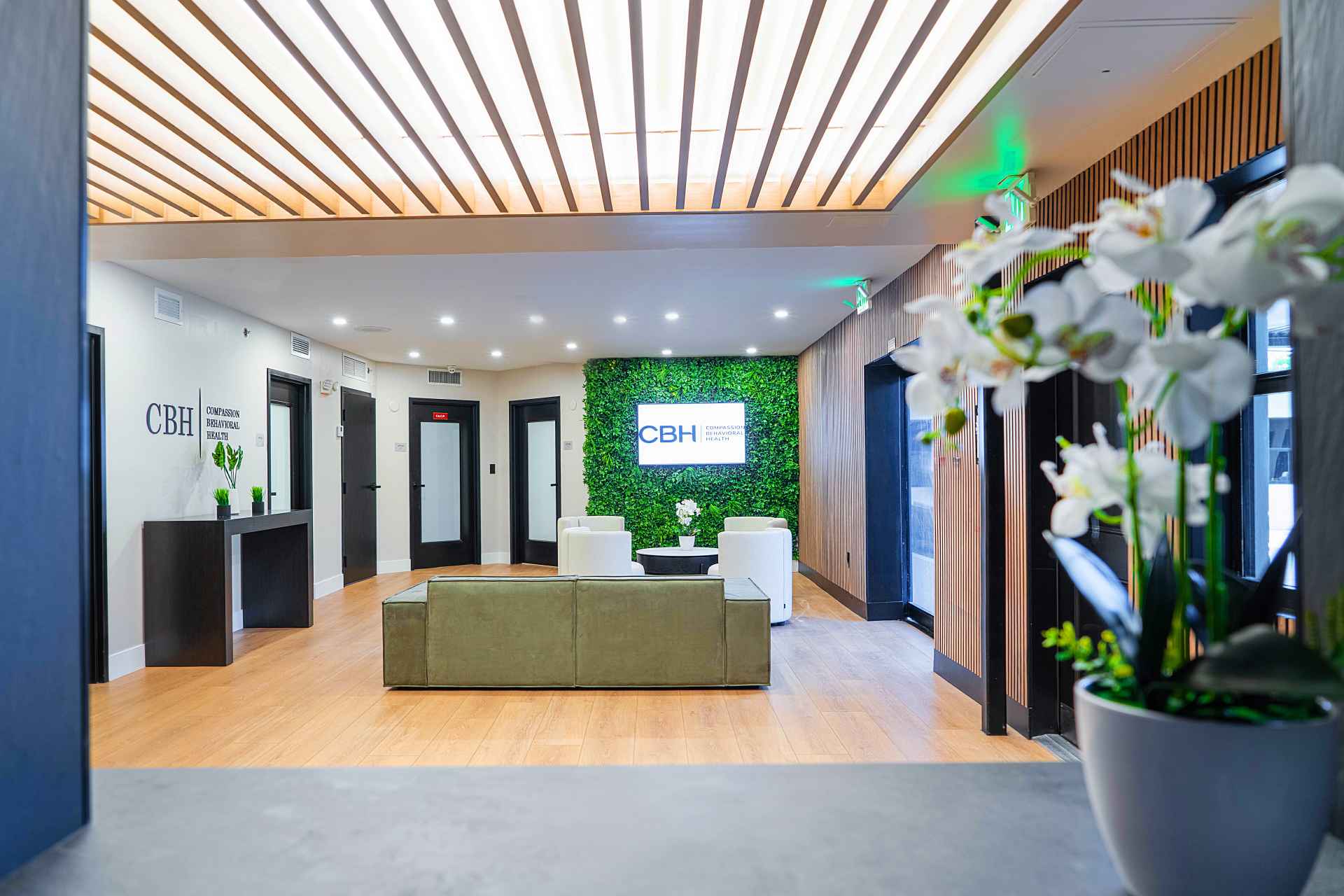
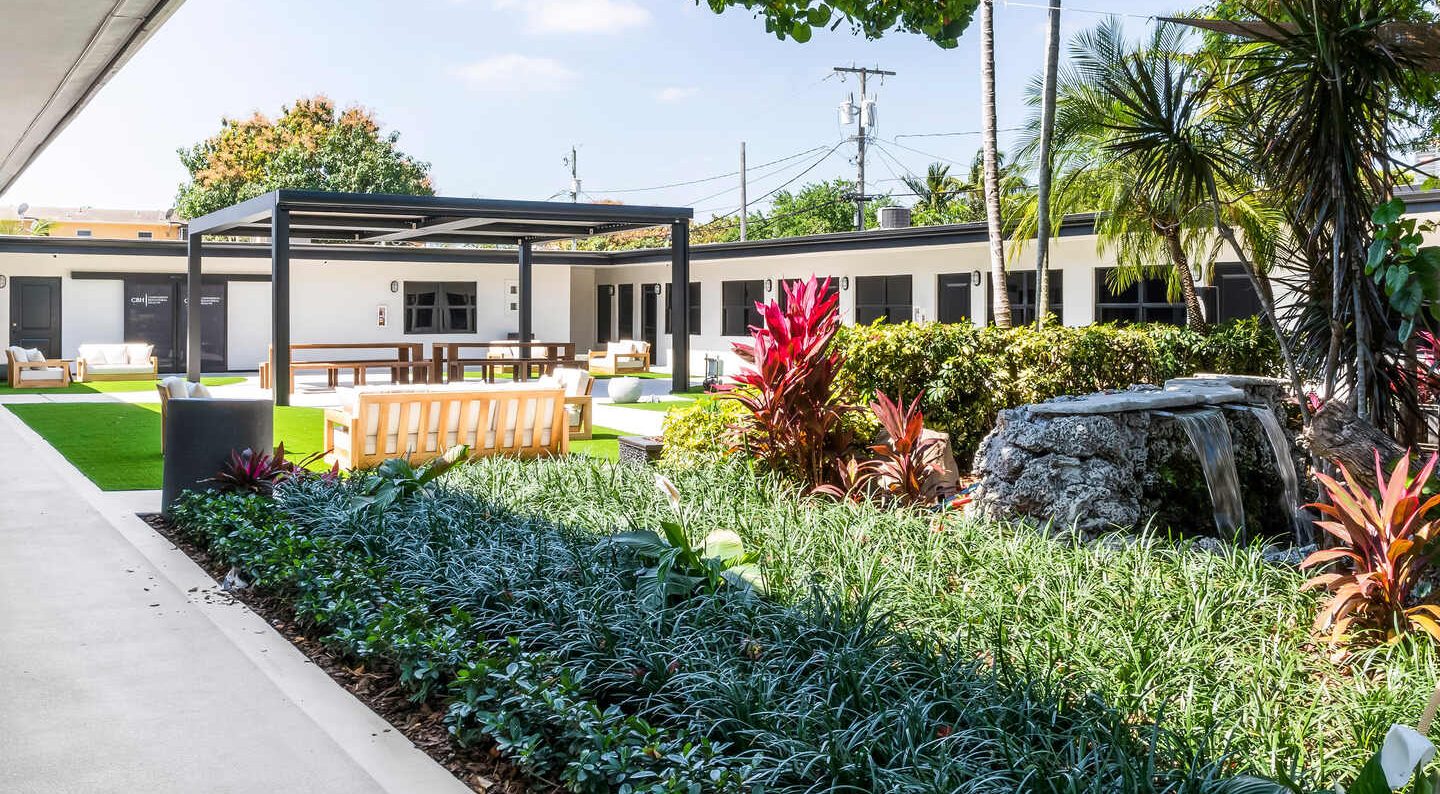
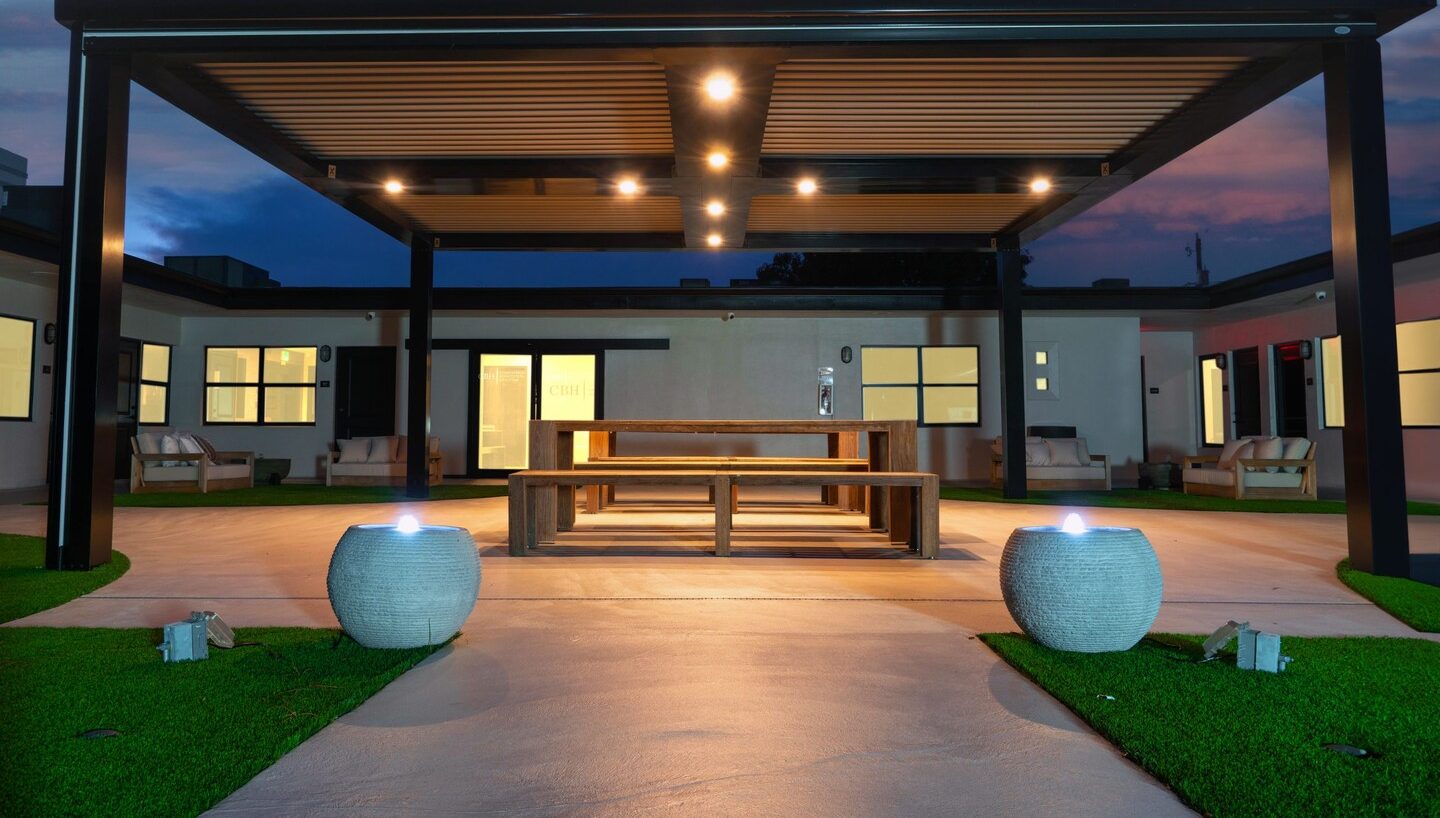
Holistic Recovery in Healing Environment

mental health treatment in south florida


4QYNLsFu2W-FSM00631 (2) (1)


compassion behavioral health residential facility for mental health and addiction treatment
Addiction and Mental Health Treatment Residential Facility in Hollywood Florida - Compassion Behavioral Health


4QYNLsFu2W-FSM00535 (2) (1)


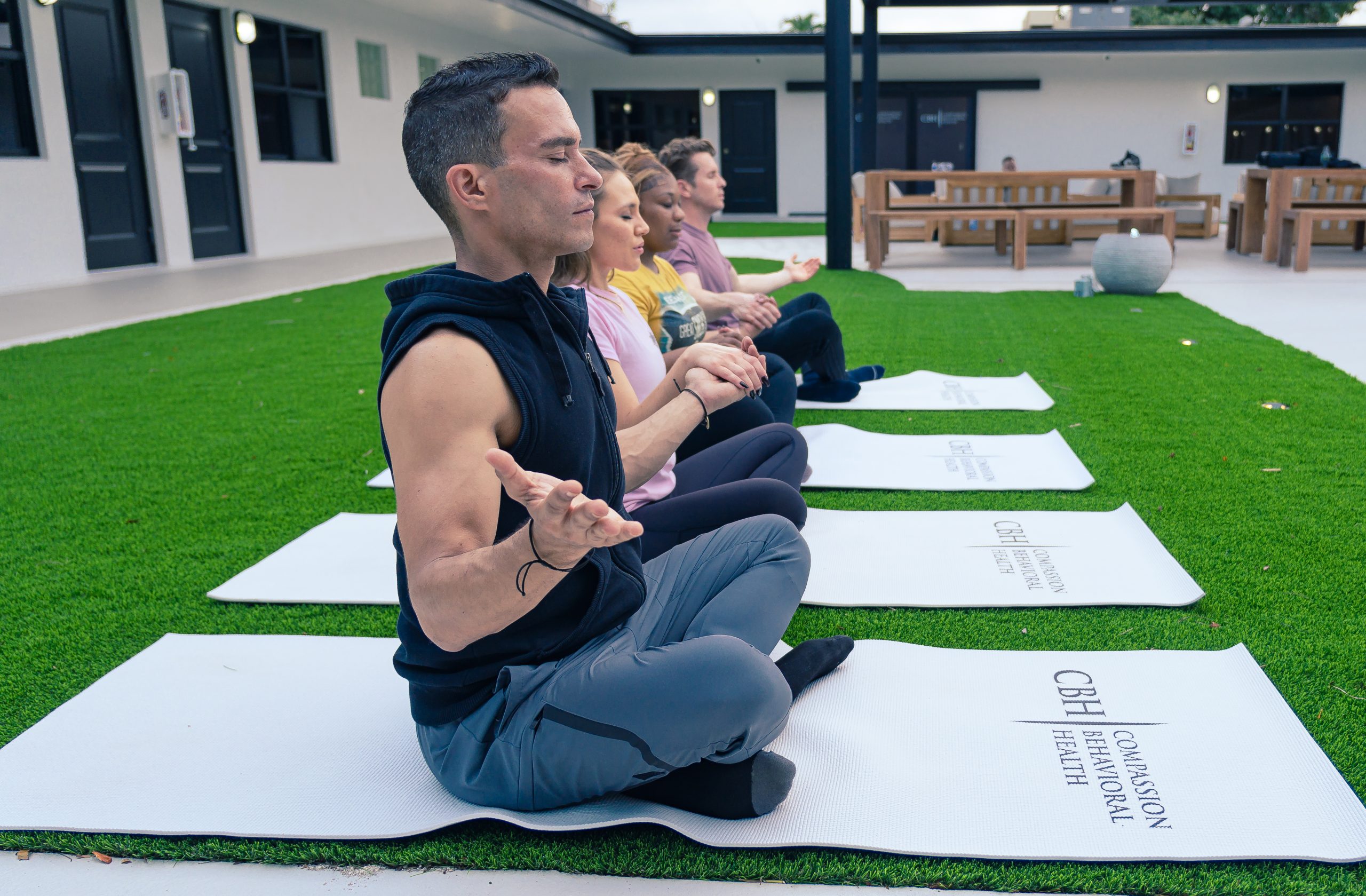
Compassion Behavioral Health Yoga Session


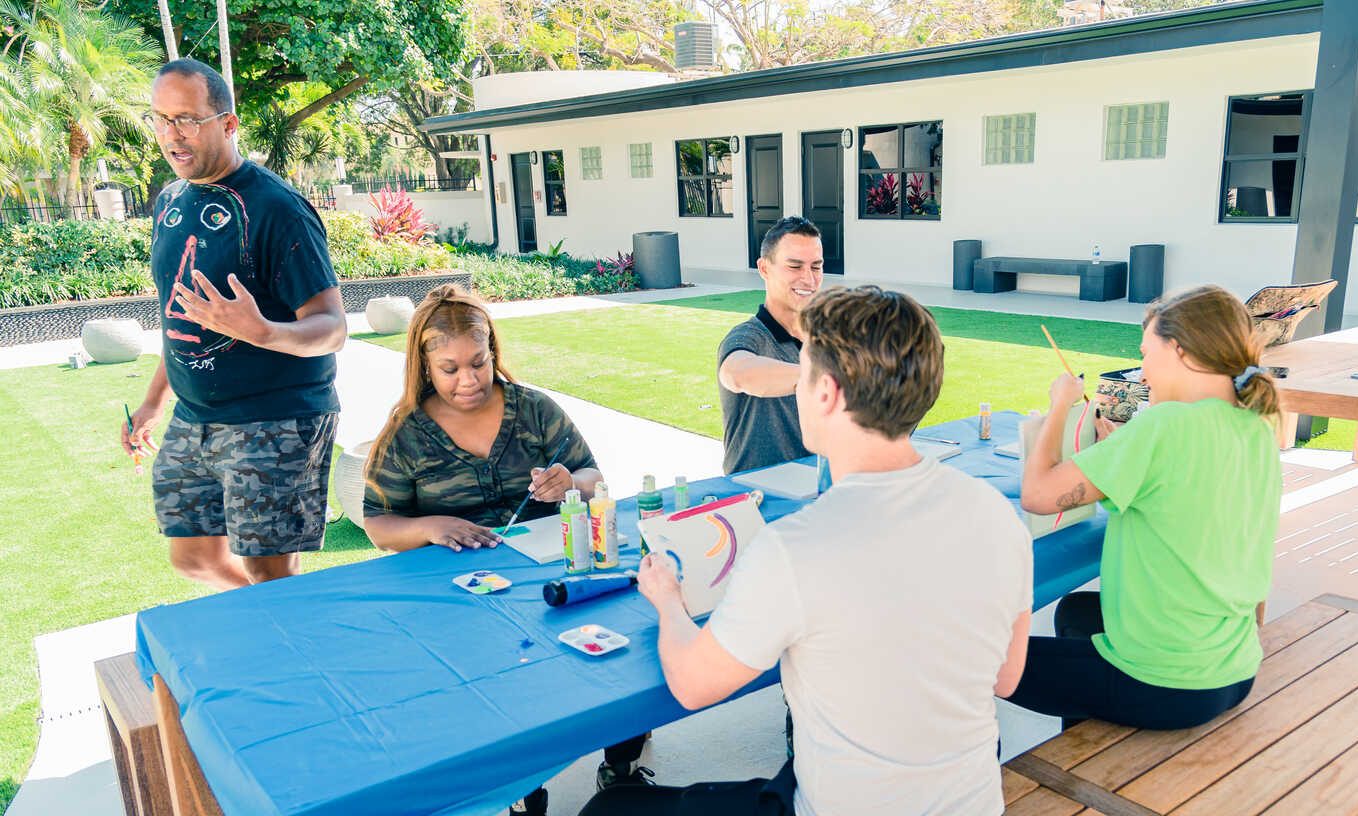
art therapy at compassion behavioral health residential facility


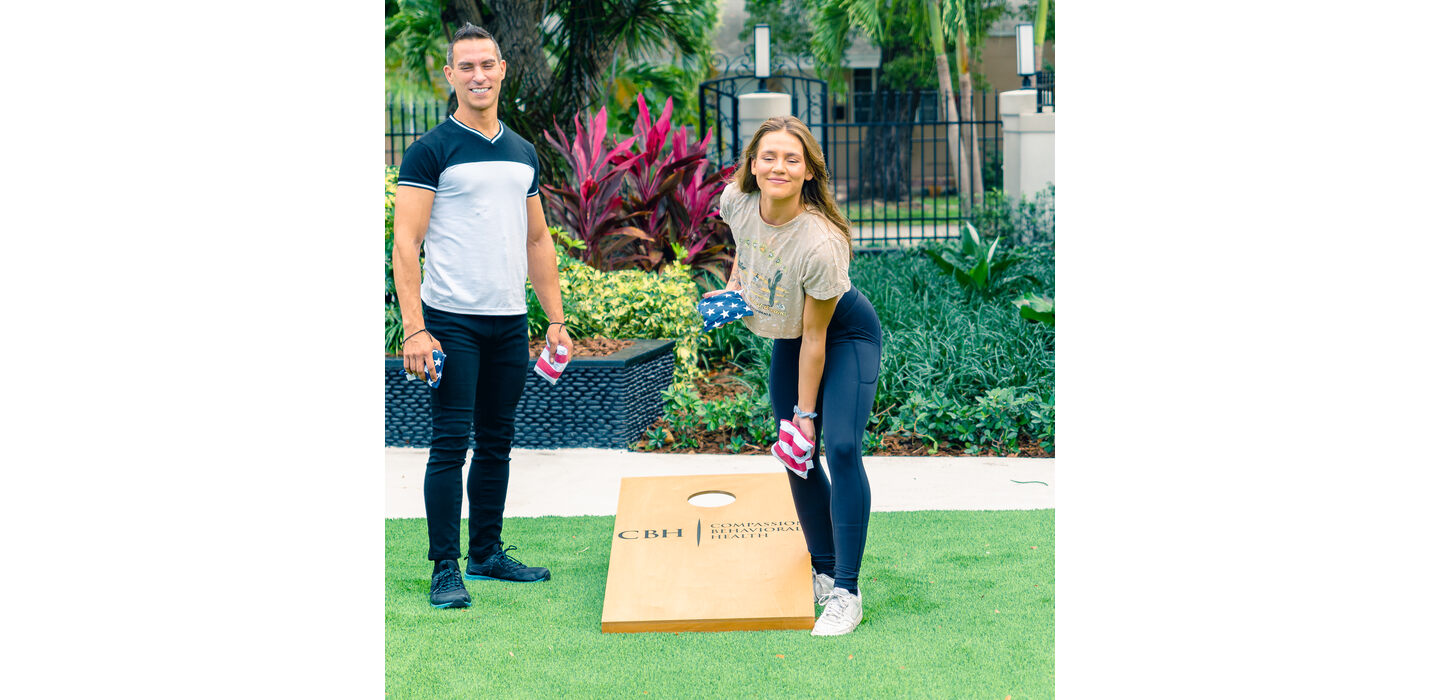
Compassion Behavioral Health Residential Facility Outdoor Activity
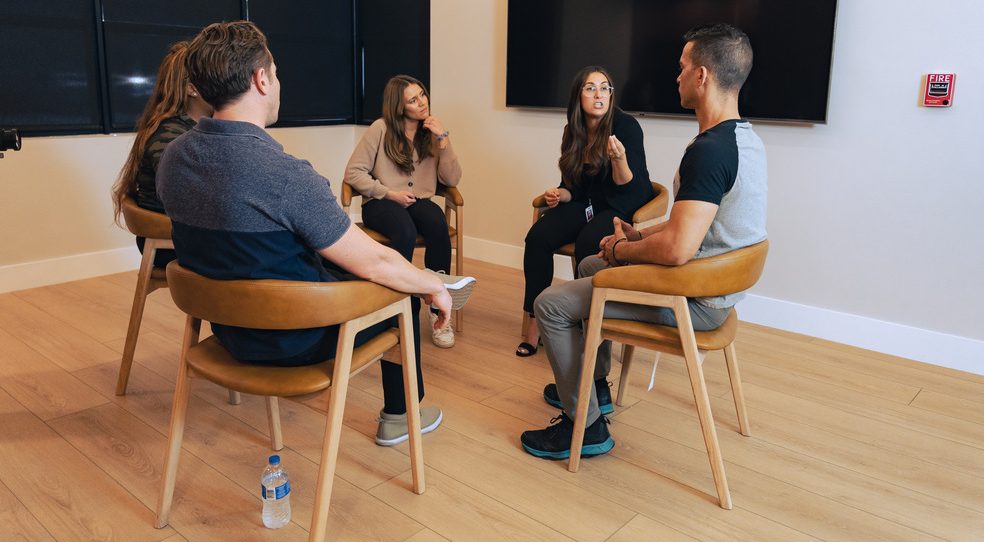
group therapy for mental health and addiction treatment


mental health rehab php facility-compassion behavioral health3


mental health rehab php facility-compassion behavioral health2


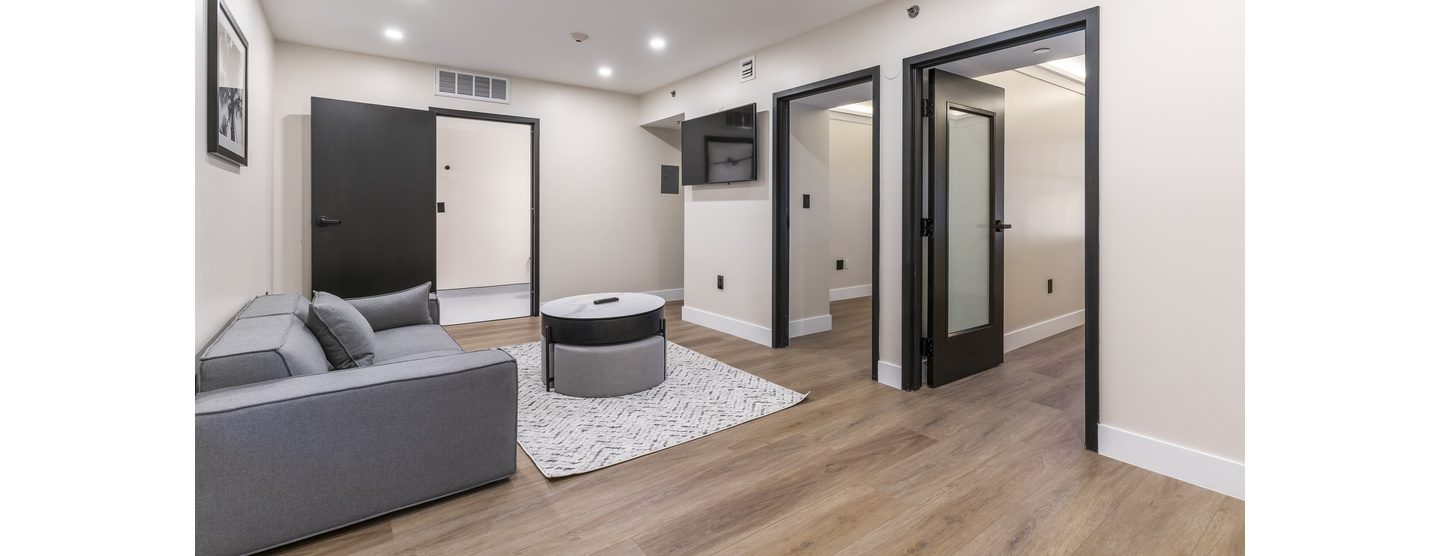
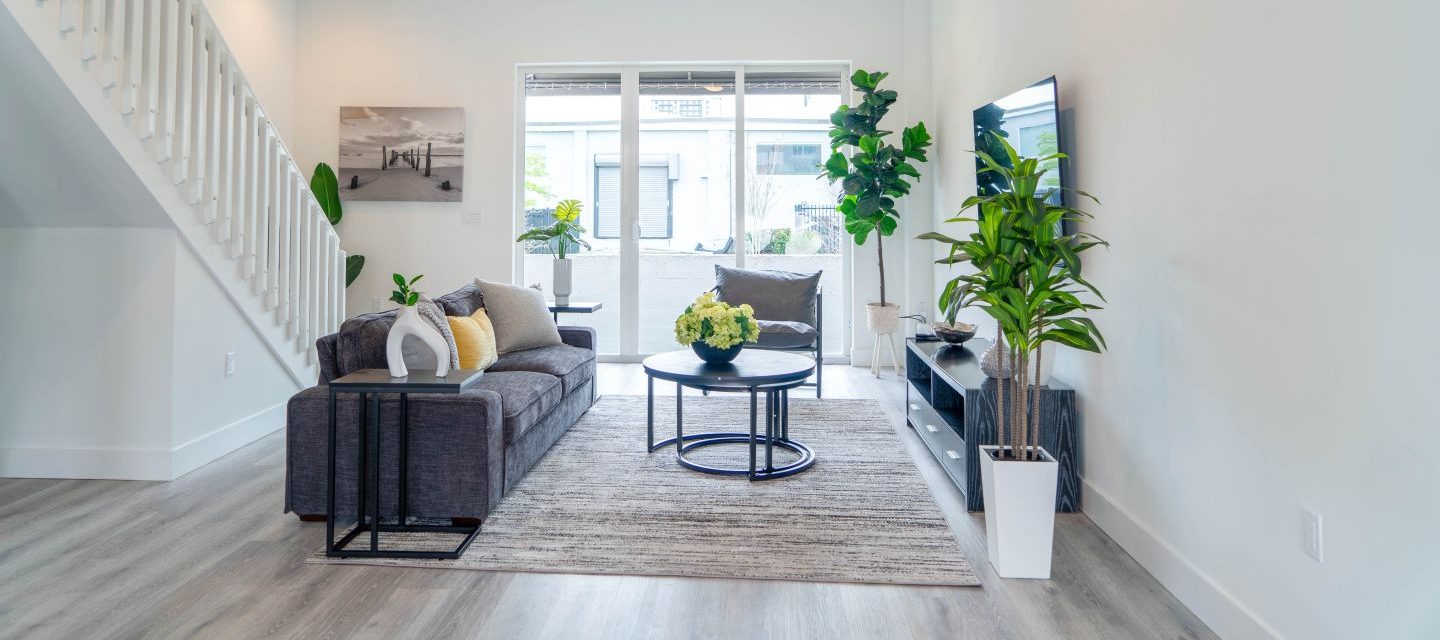
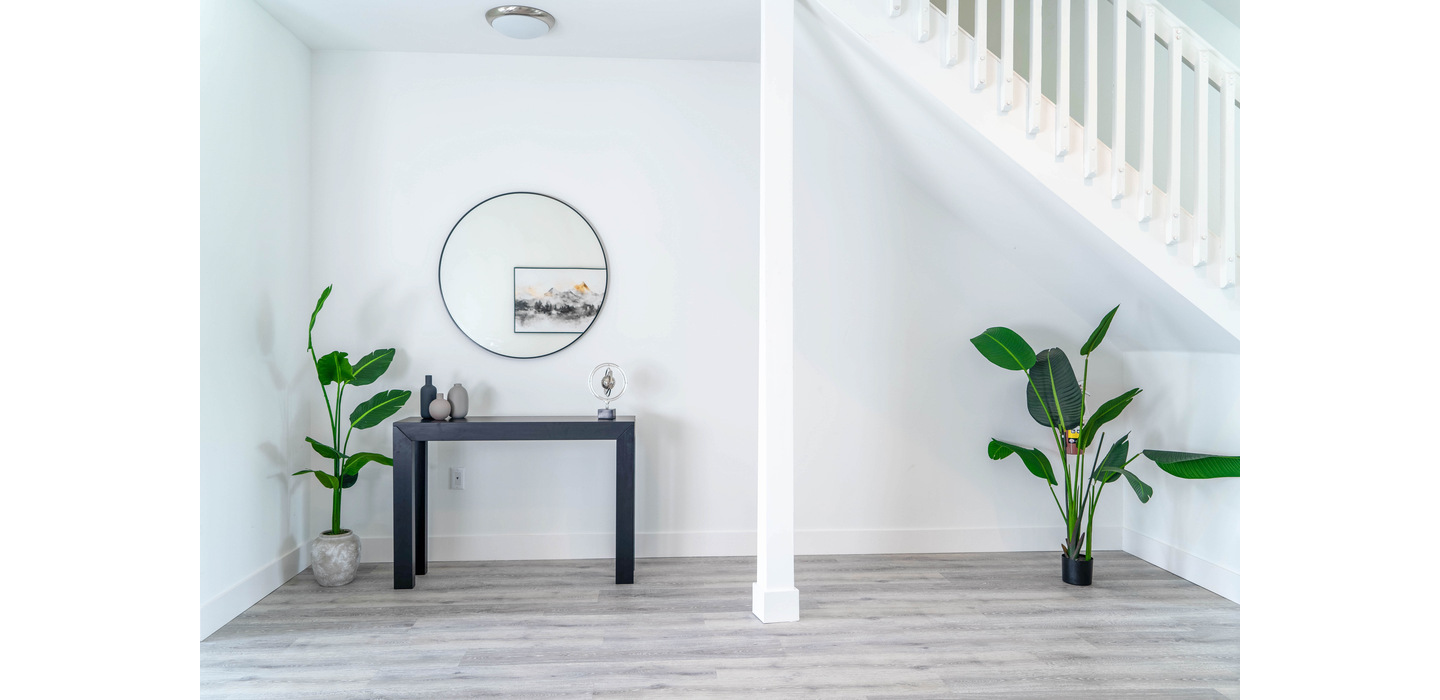
addiction rehab PHP housing in South Florida stairs


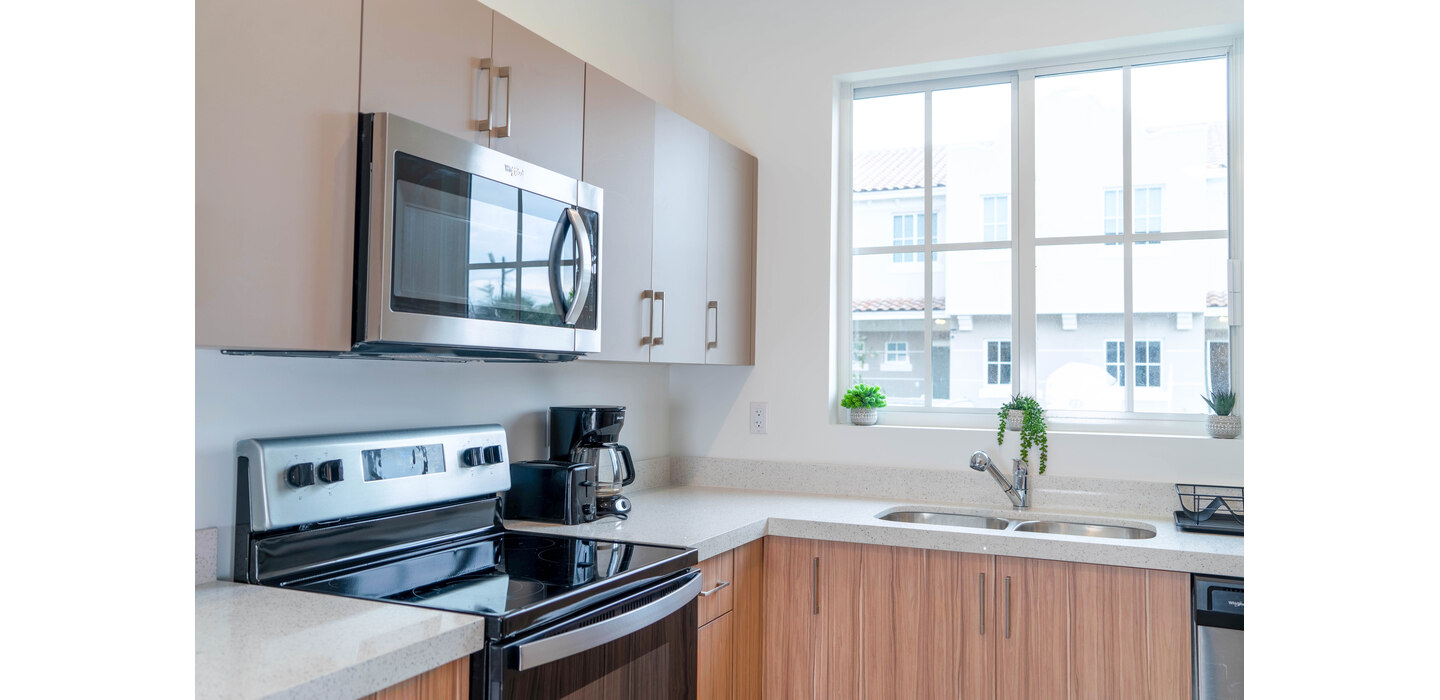
addiction rehab PHP housing in South Florida kitchen


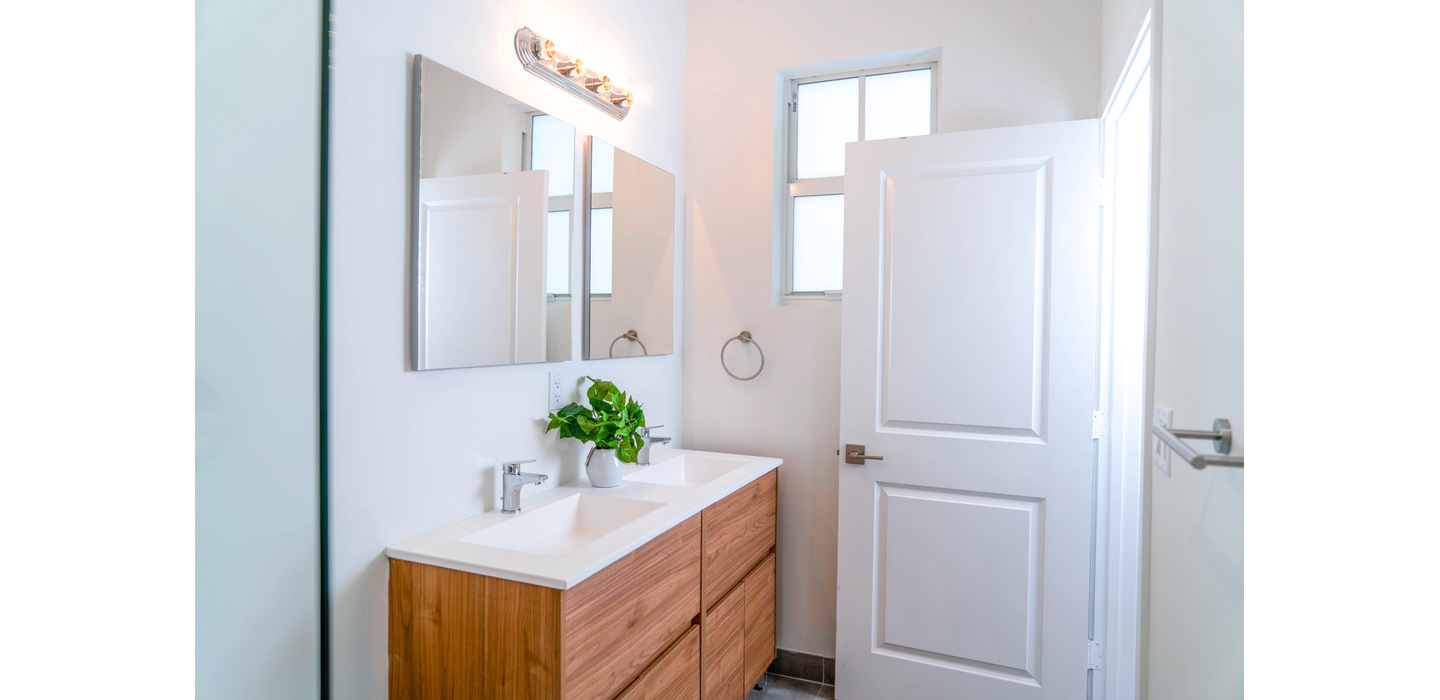
addiction rehab PHP housing in South Florida bathroom


Patient Stories

TRUSTED BY THE COMMUNITY

Caterine P.
1 day ago
Coming to CBH has been a blessing for me. I came to uneasy, specially after other facilities I’ve been too. But this place has offered so much support and care. The facility is beautiful and the techs care about everyone here. Clean environment, lots to do and most importantly lots of work. I would come back
Aj R.
5 days ago
I came for mental health and Substance abuse. I was in really bad shape, confused and lost in life. They helped me guide my life in a better direction that even I couldn’t even imagine. I am now aspiring to go back to school for an even better life!
Jack E.
6 days ago
Struggling with my mental health, I needed to step away from the outside world for a bit, bringing me to Compassion. Being here has allowed me to focus on myself without all the distractions. I truly felt the genuine kindness of the staff here and that they cared about me and my recovery. There's many groups throughout the day which cover an array of topics and life changing skills.
Yehudit W.
6 days ago
I was struggling with my mental health . My warning ⚠️ signs were visible and I needed more care at the residential level . At CBH I was cared for immediately. It took 2 weeks for medication to take effect . During that adjustment the staff were available and caring. Shout out to Ashley and Sara, Elena Groups were thought provoking. Overall pleasant experience
Sharin T.
1 week ago
Compassion is actually the place where CBT and DBT are taught! I've searched everywhere for a place like this. The staff is STELLAR. Aliyah helped get through a panic attack here for the first time in my LIFE! It gave me hope that this is the place is where I can practice and build the skills I need to implement in the real world. I was so insanely terrified and coming here but the staff really cares. Thank you to Raquel, Jake and Kelly. Also to Stephanie who is a brilliant teacher and comedian ha! Thank you to Cindy (really holds things down with such elegance and ease), Alexa, Lashondra for her sweetness during my intake and on the daily, Shaquila for her leadership and humility, Kesha (is such a sweetheart!). Thank you to Sarah my therapist for your relentless care and understanding! Thank you to Elena for your professionalism and also for sharing your humanity. I hope to come back one day as a peer specialist and help with music therapy. God bless you all.
Outcome Driven

Clinically Significant Improvements

Most patients at CBH experienced meaningful reductions in symptoms of depression, anxiety, trauma, and other mental health conditions during treatment, with improvements sustained after discharge.

Data derived from 1,043 patient surveys conducted by Greenspace Health, a third-party clinical research firm, from August 2024 to August 2025.

159 %

Improvement in Minimal to
No Depression Symptoms

167 %

Improvement in Minimal to
No Anxiety Symptoms

88 %

No Longer Showing Severe
PTSD Symptoms

Admission Process

The Path to Recovery Starts Here

mental health and addiction rehab admission step 1
Step 1

Get in Touch

Start your recovery journey: Call or contact us online

mental health and addiction rehab admission step 2
Step 2

Pre-Admission Assessment

Confidential assessment to tailor your treatment plan

mental health and addiction rehab admission step 3
Step 3

Verification of Insurance

We verify your coverage and clarify costs with your insurer

mental health and addiction rehab admission step 4
Step 4

Admission

Set your admission date and prepare for your stay

Ashley
Stories Change Here

“My Life now feels like being in color. I am a lot happier and I can feel alive again.”

Watch Her Full Story
Catherine
Stories Change Here

“I needed to be there for myself, for the kid that never had that person.”

Watch Her Full Story
Theresa
Stories Change Here

“I took everything I learned at CBH and applying it today and that is why I can smile today”

Watch Her Full Story
Ashley J.
Depression
Catherine G.
Depression
Theresa B.
PTSD

Meet Your Support System

Expert Licensed Clinicians Committed to Your Recovery

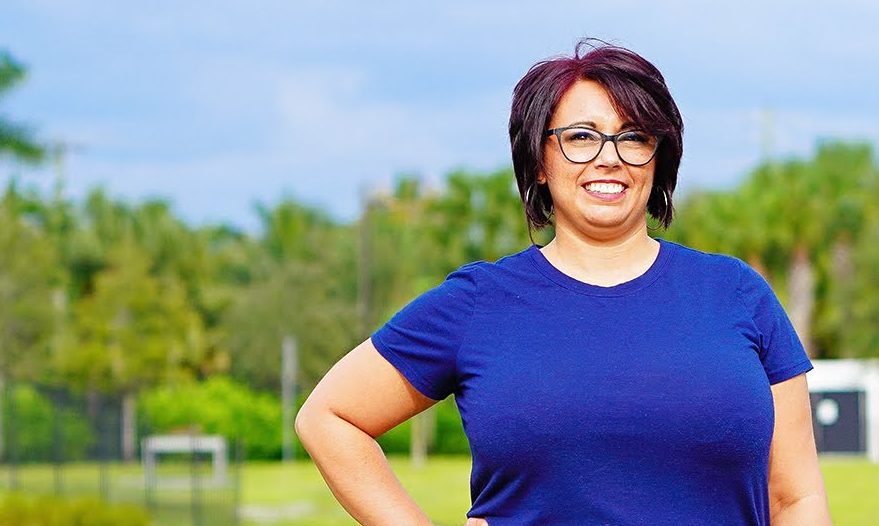
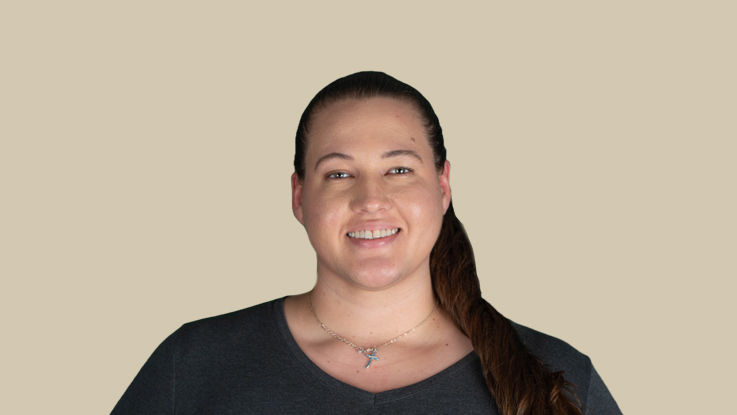
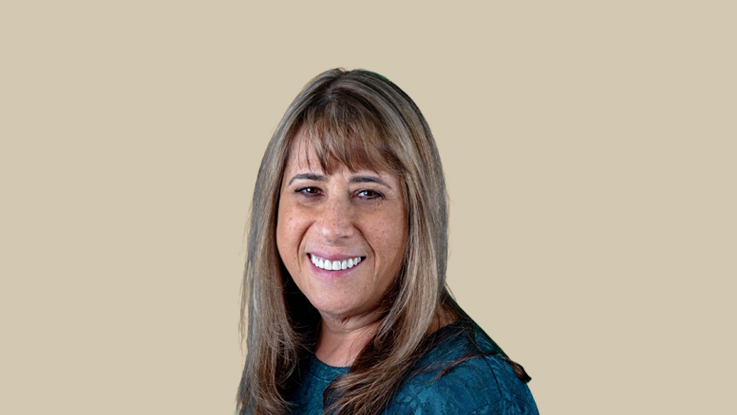
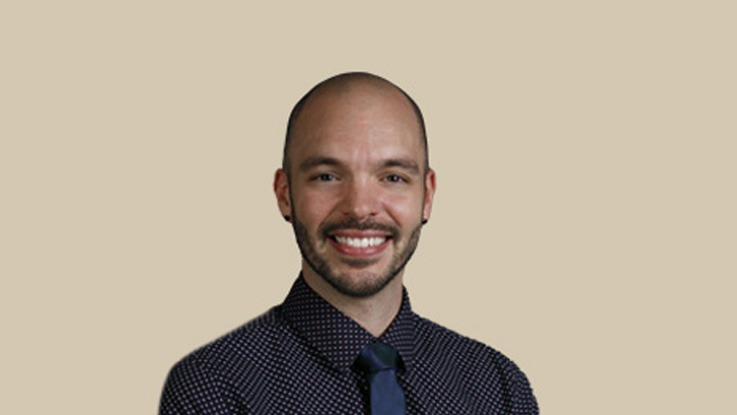
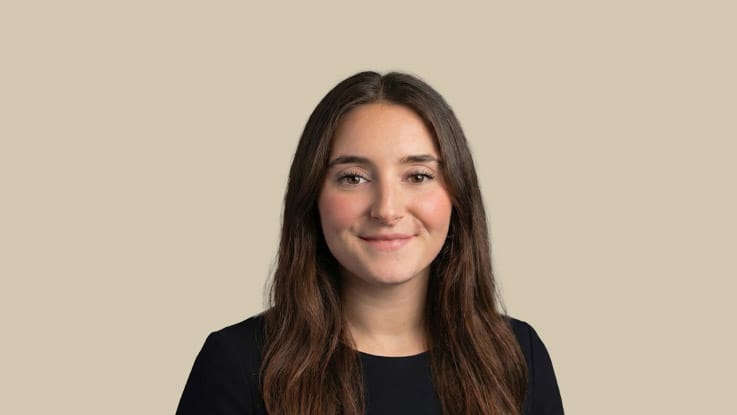
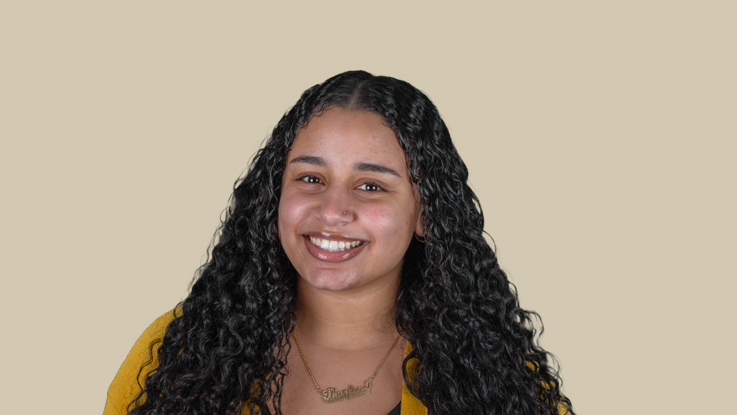
  • Lisa Micheletti

    Lisa
    Micheletti, LMHC

    Executive Director
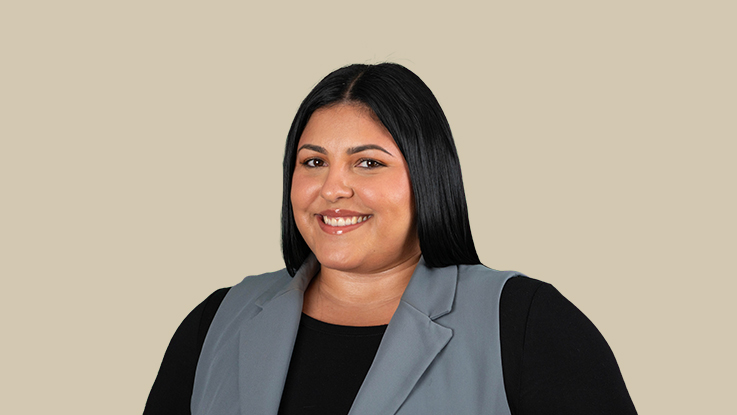
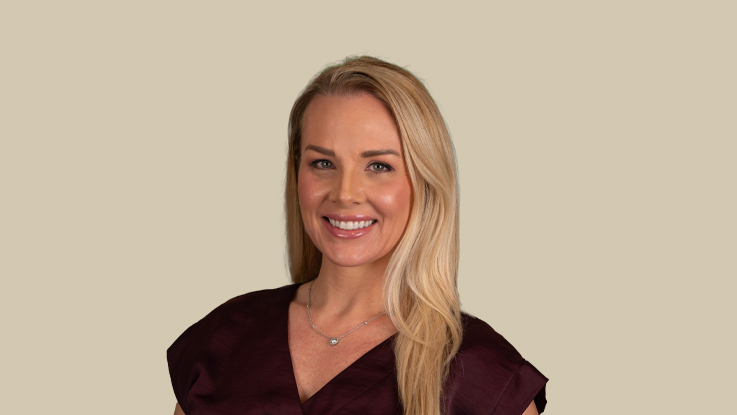
  • Ana - Clinical Director at Compassion Behavioral Health in Hollywood, Florida

    Ana
    Carbonell, LMHC

    Clinical Director
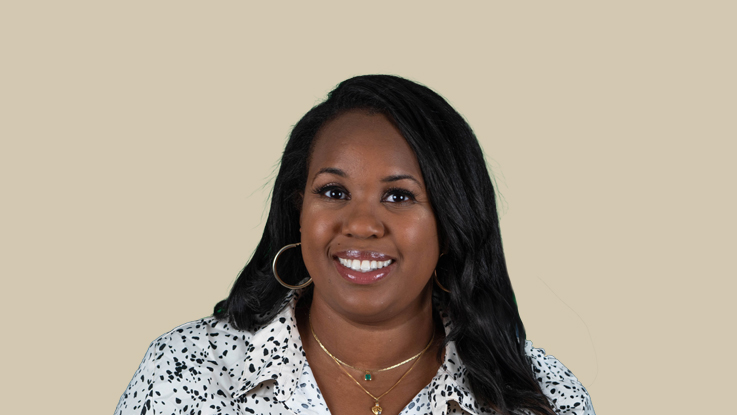
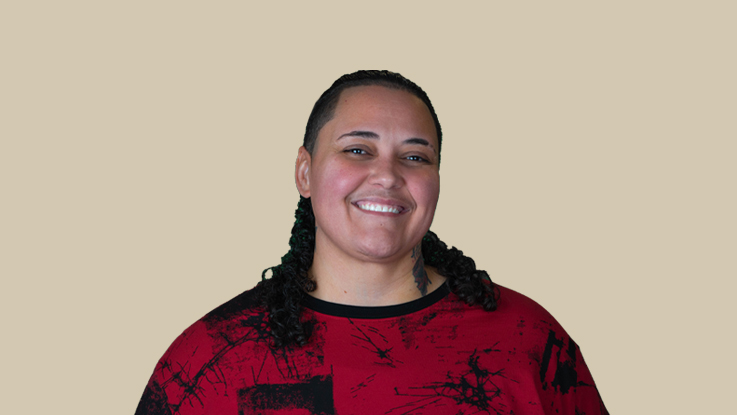
  • Barbara Barroso

    Barbara
    Barroso, LCSW

    Clinical Director
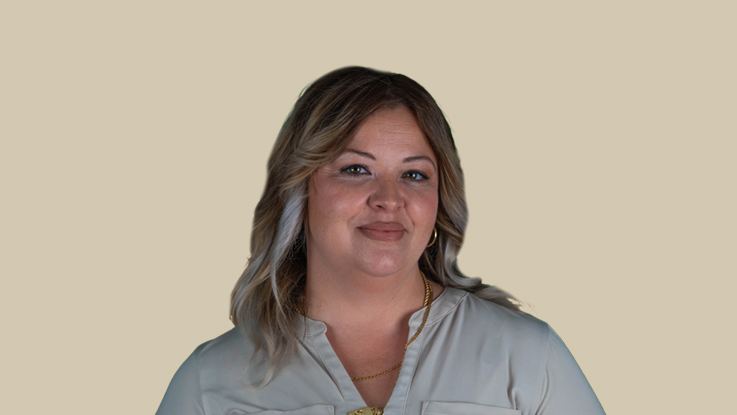
  • Jawad Daud

    Dr. Jawad
    Daud, MD

    Medical Director
  • Aimee Payton

    Aimee
    Payton, APRN, PMHNP-BC

    Nurse Practitioner
  • Monya Holt

    Monya
    Holt, LMHC

    Primary Therapist
  • Sarah Pastor

    Sarah
    Pastor, LMHC

    Primary Therapist
  • Stephine Yaskal

    Stephanie
    Yaskal, MS, CAP

    Primary Therapist
  • Aimee Rolle

    Aimee
    Rolle, MS

    Primary Therapist
  • Greg LoForte

    Gregory LoForte, LMHC

    Family Therapist
  • Paula Buitrago

    Paula
    Buitiago, RMHCI

    Primary Therapist
  • Shauna

    Shauna
    Dworkin, MS, RMHCI

    Primary Therapist
  • Briana

    Brianna
    Mendoza, MSW, RCSWI

    Primary Therapist
  • Tharlene Pou

    Tharlene
    Pou

    Neurofeedback Technician
  • Michelle Blair

    Michelle
    Blair,APRN, PMHNP-BC, FNP-BC

    Nurse Practitioner
  • Heather Brathwaite

    Heather
    Brathwaite, PhD, PMHNP-BC

    Nurse Practitioner
  • Lauren Chambers

    Lauren
    Chambers

    Operations Manager
  • Elena Morales

    Elena
    Morales

    Case Manager
  • Ivo Garcia

    Ivo
    Garcia

    Housing Supervisor

Drug-Induced Psychosis: Medically Supervised Detox and Treatment in South Florida

Hallucinations that feel real, voices that will not quiet, and terrifying beliefs can erupt after heavy substance use or sudden withdrawal. In South Florida, families often face this crisis late at night, unsure whether to call 911 or try to talk someone down. Safety comes first, and the right next step is stabilization with medical and psychiatric oversight.

Drug-induced psychosis describes psychotic symptoms triggered by substances or withdrawal, but it is never just about the drug. Mental health must be evaluated and treated from the start, because anxiety, PTSD, bipolar disorder, or depression often sit underneath the crisis. With prompt, medically supervised detox and integrated psychiatric care, patients can move from chaos to clarity and begin a sustainable recovery plan.
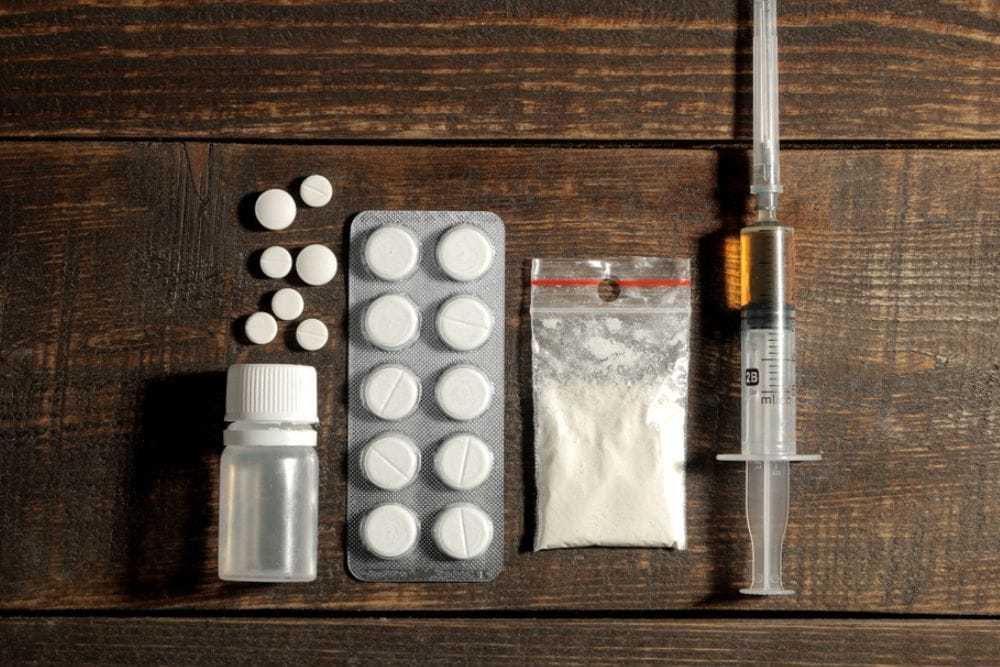
Therapist supporting a patient experiencing substance-related psychosis during treatment in South Florida

What Drug-Induced Psychosis Actually Is

Drug-induced psychosis is a cluster of symptoms like hallucinations, delusions, paranoia, and severe disorganization that occur during intoxication or withdrawal. The picture often includes sleeplessness, heightened anxiety, and agitation, which can worsen distorted perceptions. Clinicians distinguish this from primary psychotic disorders by timing, toxicology findings, and how symptoms evolve after stabilization.

Substance-related episodes can resolve as the body clears toxins, but not always on the same timeline and not always completely. Care teams watch for persistence or recurrence once sleep, nutrition, hydration, and vital signs improve. For a sense of our integrated perspective on mental health and co-occurring substance use, you can Learn about our approach in South Florida.

Substances That Cause Psychosis and How Each One Presents

Different substances can provoke psychosis through distinct brain effects and withdrawal syndromes. Presentations vary by dose, chronicity, sleep loss, and individual vulnerability. These patterns are common in emergency and detox settings:

  • Methamphetamine: intense paranoia and visual-tactile hallucinations
  • High-potency cannabis or synthetics: persecutory delusions and anxiety
  • Cocaine and other stimulants: rapid thoughts and suspiciousness
  • Alcohol or benzodiazepine withdrawal: fluctuating confusion and fear

Patients may experience mixed symptoms, especially with polysubstance use. Medical teams tailor stabilization to the specific agent and withdrawal risks while addressing the underlying psychiatric picture. When alcohol is part of the pattern, dedicated support is available through Alcohol treatment in South Florida as part of an integrated plan.

The Dual Diagnosis Reality: Psychosis Does Not Always Disappear When the Drugs Do

Substances can unmask or accelerate conditions like schizophrenia spectrum disorders, bipolar disorder, PTSD, or major depression with psychotic features. Some patients improve quickly once stabilized, while others continue to have delusions, hallucinations, or thought disturbance after toxicology clears. Careful observation across days and levels of care helps clarify what is substance-related versus primary mental health.

Evaluation includes serial psychiatric exams, sleep restoration, nutritional support, and trauma-informed screening once a patient can participate. Treatment then layers in psychotherapy, skills work, family involvement, and medication where appropriate. To continue building insight and coping skills, patients step into structured work such as Individual therapy with experienced clinicians supported by small caseloads.

What Detox for Drug-Induced Psychosis Looks Like at CBH

Detox in Hollywood, Florida provides 24/7 nursing support and psychiatric oversight in a calm, secure setting. Teams prioritize safety, hydration, sleep, and symptom relief while monitoring vitals and agitation. When appropriate, clinicians may use short-term medications to reduce distress and allow assessment, then transition to residential mental health stabilization without breaking continuity.

Once stable, patients can continue care with the same team through residential, then step down to PHP, IOP, and OP in Fort Lauderdale. Programming includes CBT, DBT skills, EMDR for trauma, neurofeedback, SMART Recovery, Canine Assisted Therapy, and family therapy within our Compassion Connections program. In complex medication decisions, providers may use GeneSight testing for high-acuity mental health cases to guide safer choices.

  • Medical and psychiatric monitoring around the clock
  • De-escalation and supportive counseling in real time
  • Medication only when clinically indicated
  • Warm handoff to the next level of care

If opioids are also part of the picture, you can review Opioid treatment in South Florida to understand stabilization options within a dual-diagnosis plan. This integrated pathway keeps mental health first while addressing substance use as co-occurring. Drug-induced psychosis is managed as an urgent mental health event with coordinated follow-through across levels of care.

Frequently Asked Questions About acute psychosis related to substances

Here are clear answers to common concerns families and patients raise:

  1. How do clinicians tell if symptoms are substance-related or primary?

    They review timing, toxicology, and how symptoms change after stabilization. Ongoing evaluation across several days helps reveal persistent patterns suggestive of a primary disorder.

  2. How long can hallucinations or delusions last after stopping substances?

    Duration varies widely based on the substance, dose, and mental health history. Some episodes resolve in days, while others require extended stabilization and follow-up.

  3. What happens first during medical detox if someone is agitated or frightened?

    Staff ensure safety, reduce stimulation, restore hydration, and assess vitals. Medication may be used short term to lower distress so thorough evaluation can continue.

  4. Is hospitalization always required for severe symptoms?

    Not always, but high-risk situations may require a higher level of care for safety. Teams determine the least restrictive setting that can reliably stabilize the patient.

  5. Which therapies help after the crisis phase passes?

    CBT, DBT skills, EMDR, and family therapy support insight and stability. Medications may be added or adjusted to target persistent symptoms and prevent relapse.

  6. Can families participate in care decisions and support?

    Yes, families are included through structured education and therapy sessions. This involvement improves safety planning, communication, and long-term outcomes.

Struggling with Drug-Induced Psychosis?
We can help

Key Takeaways on Drug-Induced Psychosis

  • Psychosis triggered by substances is a mental health emergency.
  • Presentations differ by substance, dose, and sleep disruption.
  • Symptoms may persist, revealing an underlying psychiatric disorder.
  • Detox with psychiatric oversight enables safe, accurate diagnosis.
  • Continuum care and family involvement support long-term recovery.

Stabilization works best when medical detox, psychiatric care, and therapy move in lockstep. Addressing co-occurring mental health conditions from day one reduces risk and builds a clearer path forward. This integrated approach is essential when drug-induced psychosis has complicated the picture.

If you or someone you love needs timely, compassionate stabilization in South Florida, reach out to the team at Compassion Behavioral Health. Our clinical directors know every patient by name and story, and the same care team follows patients across levels of care. Call 844-503-0126 to speak with an admissions specialist 24/7. Your next chapter can start safely and with support.

External Sources

GET HELP NOW

CONTACT US TODAY

(844) 358-7502

WE’RE HERE TO LISTEN

Reach out today. We’re here to help.