





























Most people who develop a dependence on Ambien, Lunesta, or other sleep medications did not set out to become dependent. They had a prescription for insomnia that was legitimate. The medication worked. And then stopping it became difficult, then impossible, then something they stopped trying to do because the withdrawal anxiety and rebound insomnia were worse than anything they had experienced before the prescription. By the time many people in South Florida recognize that their sleeping pill use has become a dependence, they have been trying to stop on their own for months or years.
At Compassion Behavioral Health in South Florida, sedative addiction treatment addresses both the physical dependence on sleep medications and the underlying mental health condition that was driving the insomnia in the first place. Anxiety disorders, PTSD, depression, and the hyperarousal of unprocessed trauma are the most common clinical roots of the chronic insomnia that leads to sleeping pill prescriptions and eventual dependence. Treating only the dependence without treating the cause of the insomnia leaves the person medically stable and functionally miserable, and relapse-prone.
Our outcomes are third-party verified: 167% improvement in anxiety outcomes and 88% improvement in PTSD outcomes, measured by Greenspace Health across more than 1,000 patient surveys. Anxiety and PTSD are the two most common mental health conditions driving sedative dependence in CBH’s client population. Call 844-503-0126 for a free clinical assessment.
Sedative Medications CBH Treats in South Florida
Sedative-hypnotic medications fall into two primary categories: benzodiazepine sedatives prescribed for anxiety and sleep, and non-benzodiazepine hypnotics, commonly called Z-drugs, prescribed specifically for insomnia. Both categories produce physical dependence and carry significant withdrawal risks that require medical supervision.
Z-Drugs: Ambien, Lunesta, and Sonata
Z-drugs are non-benzodiazepine hypnotics that act on the same GABA-A receptor system as benzodiazepines but with a different chemical structure. They are prescribed almost exclusively for insomnia and are among the most commonly prescribed sleep medications in the United States. Because they are marketed and prescribed differently from benzodiazepines, many people who develop Z-drug dependence do not recognize that these medications carry benzodiazepine-like withdrawal risks, including rebound insomnia, severe anxiety, tremors, and, in cases of abrupt discontinuation after prolonged high-dose use, seizures.
Ambien (zolpidem) is the most commonly prescribed Z-drug and one of the most common sedative presentations at CBH. Lunesta (eszopiclone) and Sonata (zaleplon) are also frequently encountered. All three require medically supervised taper when the client has developed physical dependence, and all three are associated with rebound insomnia that can persist for weeks to months after discontinuation without clinical support for the underlying sleep disorder.
Benzodiazepine Sedatives: Restoril and Halcion
Some benzodiazepines are prescribed specifically as sleep aids rather than as anxiolytics. Restoril (temazepam) and Halcion (triazolam) are the most common. They carry the same withdrawal risks as other benzodiazepines, including seizure risk in physically dependent individuals, and require medically supervised taper. Clients who have been taking these medications for sleep and who also have anxiety often have both a sleep disorder and an anxiety disorder that have never been properly distinguished and treated separately.
Other Sedative-Hypnotics
Barbiturates, including phenobarbital and butalbital, are older sedative-hypnotic medications that produce significant physical dependence and carry serious withdrawal risks. While less commonly prescribed than Z-drugs and benzodiazepines, they are encountered in clinical practice, particularly in clients with a history of chronic headache treatment or older prescribing patterns. Muscle relaxants with sedative properties, including cyclobenzaprine and carisoprodol (Soma), can also produce dependence and require clinical management during discontinuation.
Mental Health Conditions Driving Sedative Dependence
Anxiety Disorders and Sleep Medication Dependence
Anxiety is the most common mental health condition driving both insomnia and sedative dependence. Anxiety disorders produce hyperarousal at night, the inability to quiet the racing thoughts and physiological tension that prevent sleep onset, making sleep medications a natural and often appropriate short-term prescription. Over time, the medication becomes the only thing that makes sleep possible; the underlying anxiety disorder has never been properly treated, and the dependence has replaced one problem with another.
At CBH, anxiety is treated as the primary diagnosis alongside sedative use disorder throughout the treatment continuum in South Florida. CBT, DBT, and neurofeedback address the anxiety at the cognitive, behavioral, and physiological levels. Non-sedative medications for anxiety and sleep are established under Dr. Daud’s psychiatric management. The goal is safe, sustainable sleep and anxiety management without sedative-hypnotic dependence. CBH’s verified 167% improvement in anxiety outcomes reflects this integrated approach.
PTSD and Sleep Medication Use
PTSD is one of the most common root causes of chronic insomnia that leads to sleep medication prescriptions. The hyperarousal, nightmares, and hypervigilance of PTSD are incompatible with normal sleep onset and maintenance. Sleep medications suppress the neurological activity that produces these symptoms temporarily, providing relief from the PTSD-driven insomnia without addressing the PTSD itself. Many clients in CBH’s South Florida programs have been taking sleep medications for years as an indirect management strategy for PTSD that has never been directly treated. CBH’s verified 88% improvement in PTSD outcomes includes clients for whom EMDR and DBT have provided the PTSD treatment that eliminated the need for sleep medication management.
Depression and Insomnia
Insomnia is both a symptom and a driver of depression. Disrupted sleep worsens depressive symptoms, and depressive symptoms worsen sleep quality, creating a reinforcing cycle that sleep medications partially interrupt without resolving. For clients with depression-driven insomnia and sedative dependence, the dual-diagnosis treatment plan at CBH addresses the depression as the primary clinical target, with the expectation that effective depression treatment will improve sleep quality independently of sleep medication management. CBH’s verified 159% improvement in depression outcomes reflects the effectiveness of treating the depression directly rather than managing the insomnia pharmacologically.
Sedative Addiction Treatment Across CBH’s South Florida Continuum
Medical Detox, Hollywood, FL
CBH’s 24/7 medical detox program in Hollywood provides physician-supervised sedative taper management for clients dependent on Z-drugs, benzodiazepine sedatives, and other sedative-hypnotic medications. The taper protocol is individualized based on the specific medication, the dose, the duration of use, and the client’s clinical presentation. Vital signs and withdrawal symptoms are monitored throughout. Psychiatric assessment begins during detox, identifying the anxiety disorder, PTSD, or depression that drove the original insomnia prescription and building the treatment plan that will address it during residential.
Residential Treatment, Hollywood, FL
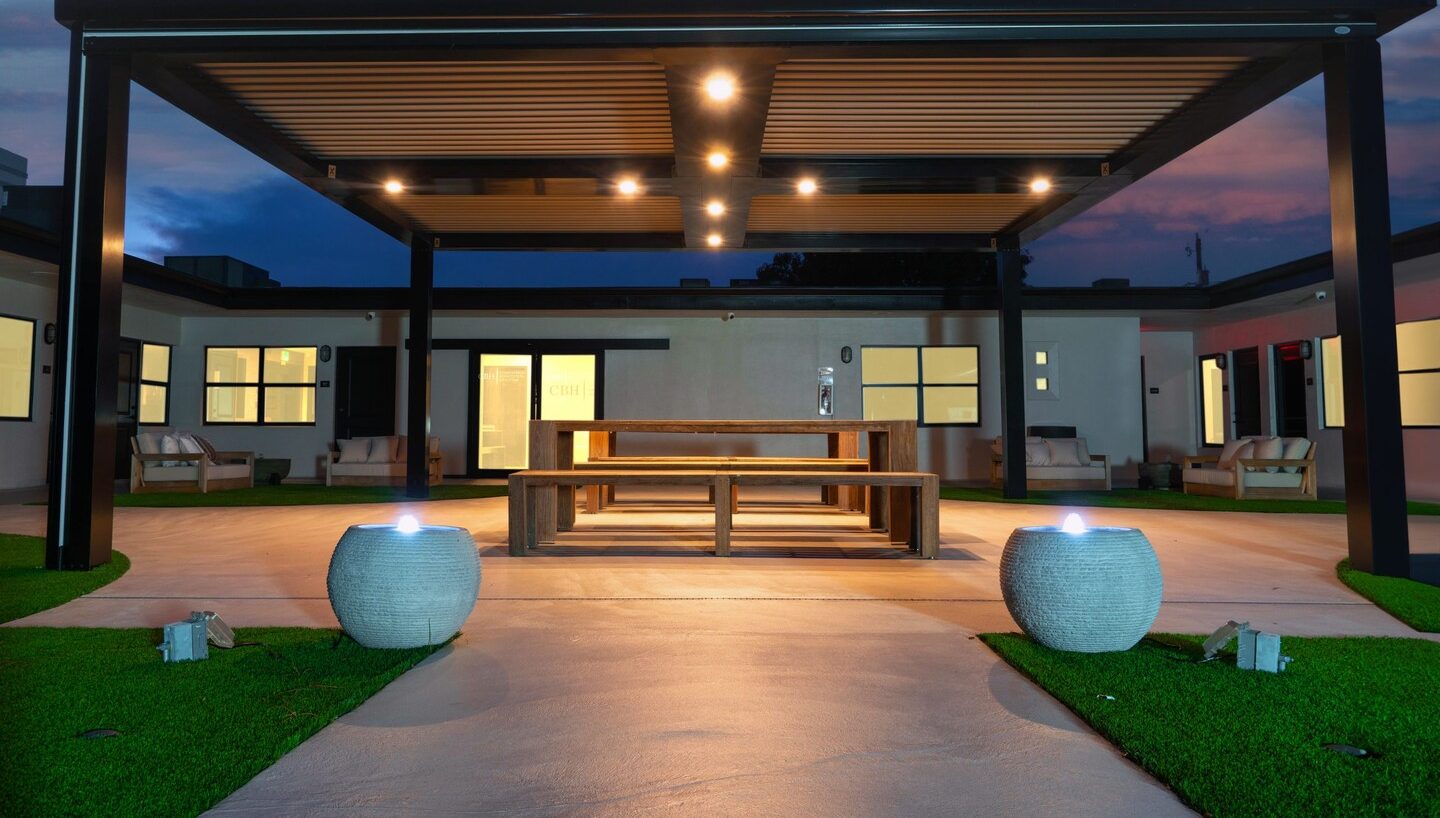
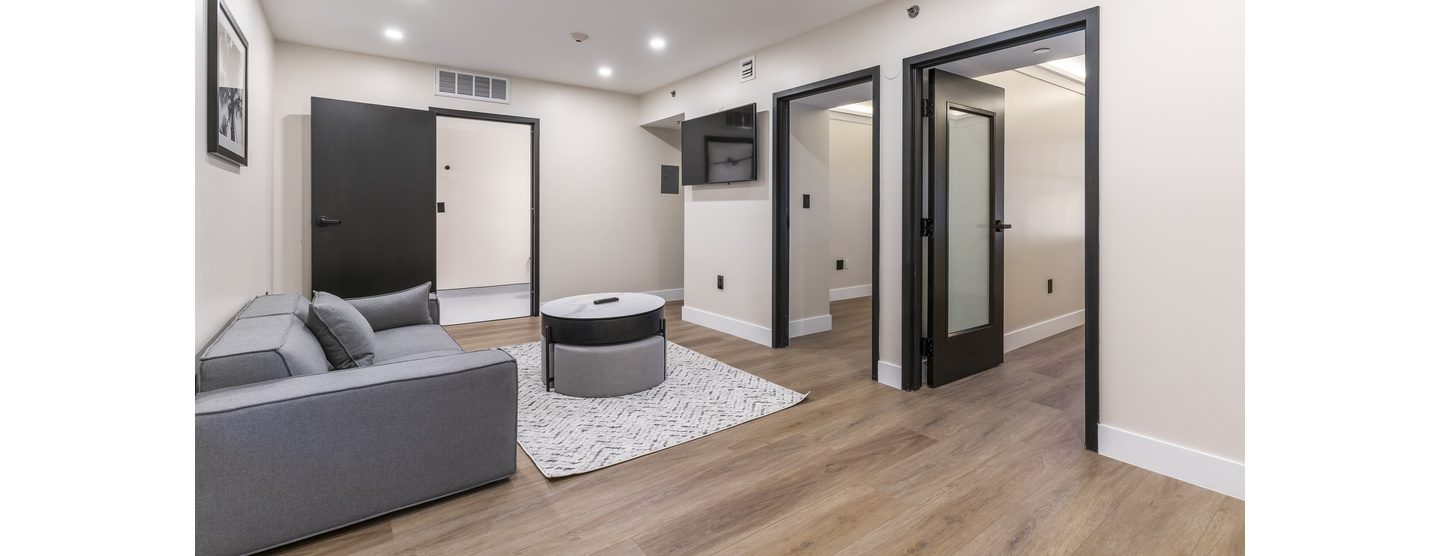
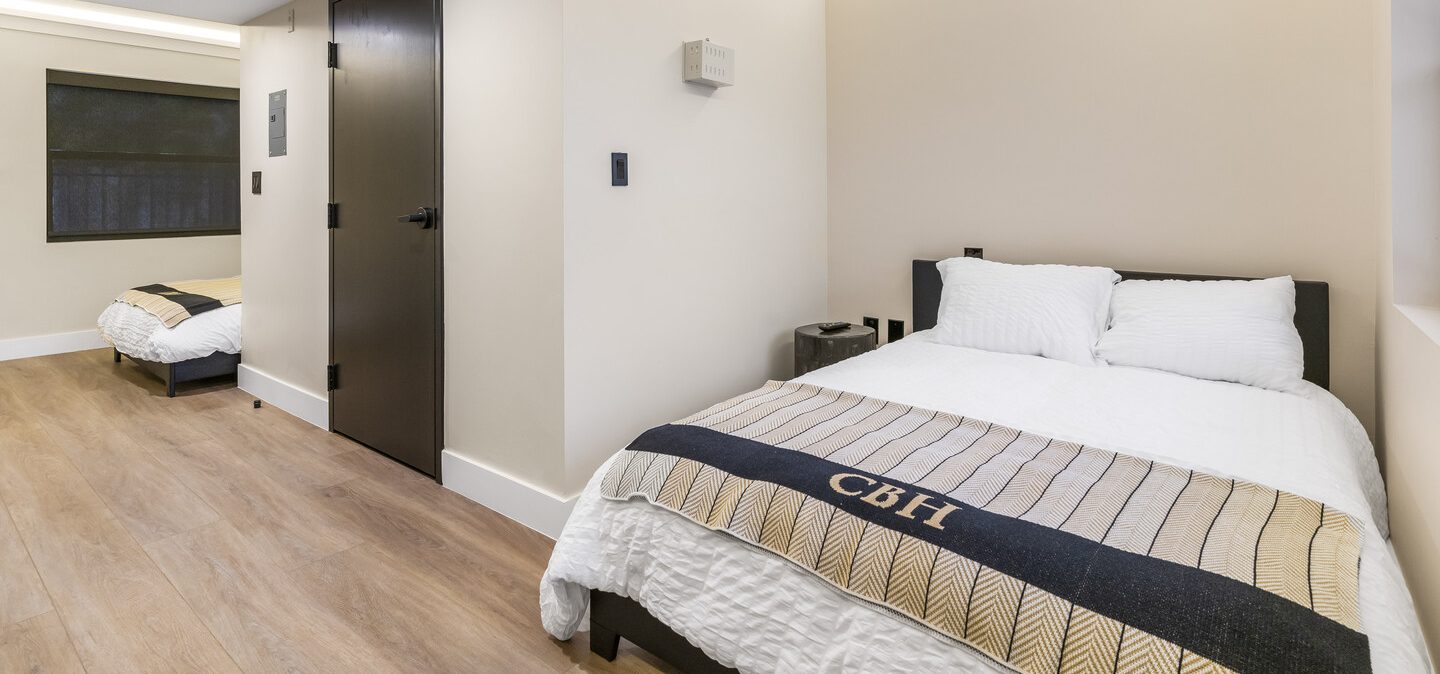
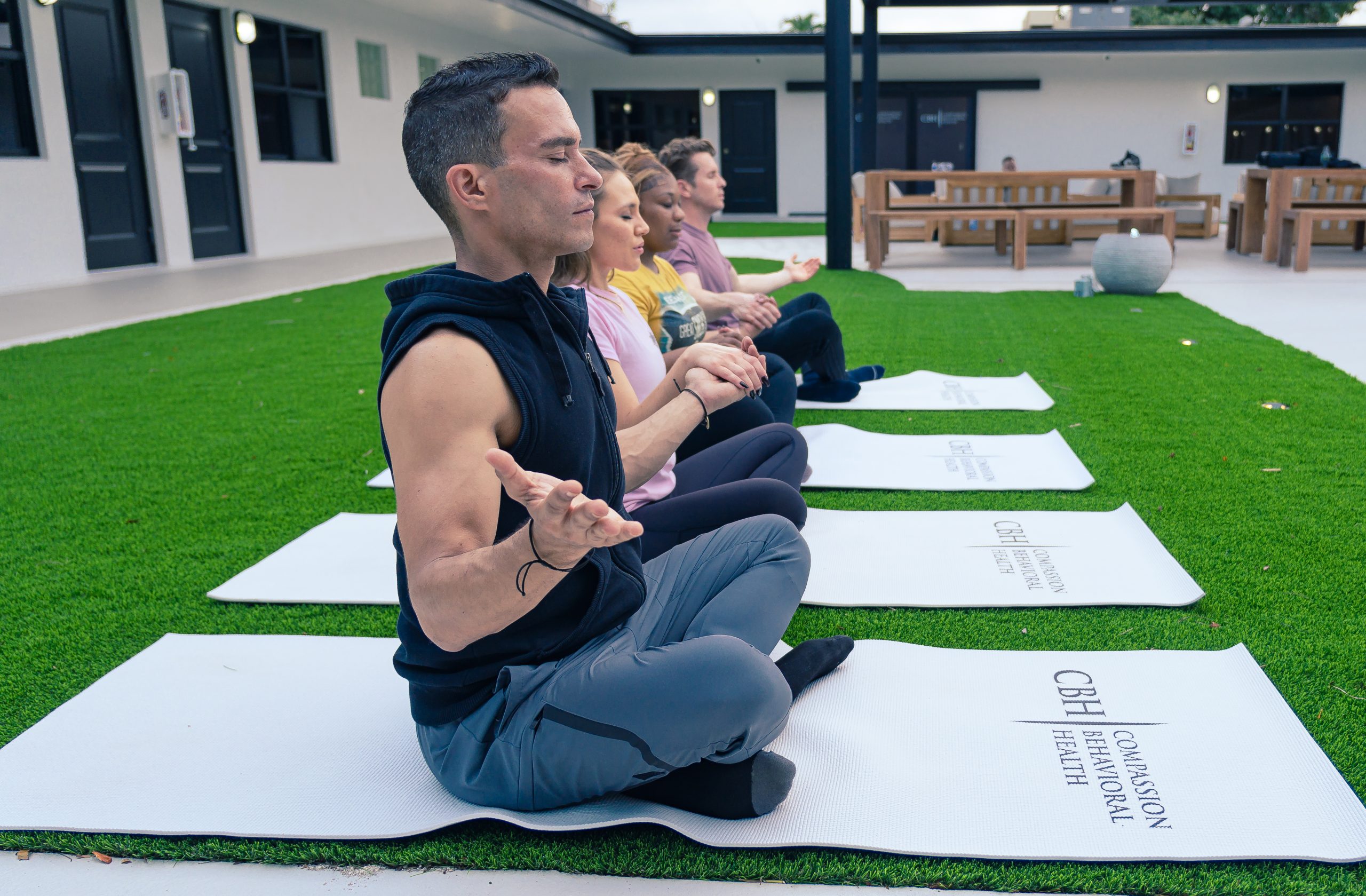
Following medically supervised detox stabilization, CBH’s 29-bed residential program in Hollywood provides the foundational dual-diagnosis treatment for sedative addiction and co-occurring mental health conditions. Individual therapy, daily group therapy, psychiatric medication management, establishing non-sedative sleep and anxiety management, CBT, DBT, and neurofeedback address both the sedative use disorder and the underlying conditions simultaneously. Sleep hygiene education and cognitive behavioral therapy for insomnia are integrated into the treatment plan for clients whose insomnia requires specific clinical attention beyond the mental health treatment.
PHP and IOP, Fort Lauderdale, FL
PHP and IOP in Fort Lauderdale deepen the anxiety, PTSD, or depression treatment that drives sustainable sleep improvement. The non-sedative sleep management strategies developed in residential settings are tested and refined against real-world sleeping conditions during PHP and IOP. Relapse prevention planning for sedative use disorder addresses both the substance-specific triggers and the anxiety and insomnia management strategies that protect against return to sleep medication use when stress or sleep disruption occurs.

Why CBH for Sedative Addiction Treatment in South Florida
- Mental health is treated as the primary diagnosis: anxiety, PTSD, and depression, driving sedative dependence, are identified and treated simultaneously
- Medical detox in Hollywood with 24/7 physician oversight and individualized sedative taper protocols
- Psychiatric assessment beginning during detox by Dr. Daud, board-certified in psychiatry and addiction psychiatry
- 167% improvement in anxiety outcomes, 88% improvement in PTSD outcomes, 159% improvement in depression outcomes, all third-party verified by Greenspace Health
- Non-sedative sleep and anxiety management established during residential, providing sustainable alternatives to sleep medication
- CBT for insomnia is integrated into treatment plans for clients with a sleep disorder as a primary concern
- Neurofeedback for anxiety and PTSD hyperarousal, addressing the physiological root of sleep disruption
- EMDR for trauma-driven insomnia at the PHP and IOP levels in Fort Lauderdale
- 29-bed residential program in Hollywood with caseloads of 8 to 10 clients per therapist
- Full continuum from detox through IOP with the same clinical team at every South Florida level
- In-network with Aetna, Blue Cross Blue Shield, Cigna, Optum, Curative, TRICARE East, and the VA
- Joint Commission accredited, NAMI affiliated, AHCA, and DCF licensed
- 633 or more Google reviews across both South Florida locations
Frequently Asked Questions: Sedative Addiction Treatment in South Florida
Does CBH offer sedative addiction treatment in South Florida?
Yes. CBH offers sedative addiction treatment in South Florida, including medically supervised detox at its Hollywood, Florida, facility and dual-diagnosis residential, PHP, and IOP programs at its Hollywood and Fort Lauderdale facilities. CBH treats dependence on all sedative-hypnotic medications, including Ambien, Lunesta, Sonata, Restoril, Halcion, and related medications. The underlying anxiety disorder, PTSD, or depression driving the insomnia and sedative use is treated simultaneously with the dependence. Call 844-503-0126 for a free clinical assessment.
Is Ambien addiction dangerous to stop without medical help?
Yes. Ambien and other Z-drugs act on the same GABA receptor system as benzodiazepines and can produce similar withdrawal effects in physically dependent individuals, including severe rebound insomnia, anxiety, tremors, and, in cases of abrupt discontinuation after prolonged high-dose use, seizures. Many people dependent on Ambien do not realize this because Z-drugs are marketed and prescribed differently from benzodiazepines. Any adult who has been taking Ambien daily and wants to stop should seek a medical evaluation before making any changes to their dose. Call 844-503-0126 for a confidential assessment.
What causes sleeping pill dependence?
Sleeping pill dependence most commonly develops from a legitimate prescription for insomnia. The underlying cause of the insomnia, most often an anxiety disorder, PTSD, or depression, is never directly treated. The medication provides relief from the insomnia symptom while the mental health condition continues untreated. Over time, the brain adapts to the medication’s presence, producing tolerance and physical dependence. When the medication is stopped, rebound insomnia and withdrawal anxiety emerge, driving continued use. At CBH, treating the underlying mental health condition is the primary clinical path to eliminating the need for sedative-hypnotic medication.
What is the difference between sedative addiction and benzodiazepine addiction?
Benzodiazepines are a specific class of sedative-hypnotic medications. All benzodiazepines are sedatives, but not all sedatives are benzodiazepines. Z-drugs like Ambien and Lunesta are non-benzodiazepine sedatives that work on the same receptor system. The clinical approach to dependence on both classes at CBH is similar: medically supervised taper with psychiatric assessment and simultaneous treatment of the underlying mental health condition. For clients dependent on both types, CBH’s medical detox in Hollywood manages both within the same clinical framework.
What mental health conditions drive sedative dependence?
The most common mental health conditions driving sedative dependence are anxiety disorders, PTSD, and depression. All three produce chronic insomnia that leads to sleep medication prescriptions. Anxiety produces nighttime hyperarousal and the inability to quiet racing thoughts. PTSD produces nightmares, hypervigilance, and sleep maintenance difficulty. Depression disrupts the sleep architecture, producing early morning awakening and non-restorative sleep. At CBH in South Florida, all three conditions are assessed at admission and treated as primary clinical targets alongside the sedative use disorder.
Does insurance cover sedative addiction treatment in South Florida?
Yes. Most commercial insurance plans cover sedative addiction treatment, including medical detox, residential care, PHP, and IOP, under the federal mental health parity law. CBH is in-network with Aetna, Blue Cross Blue Shield, Cigna, Optum, Curative, TRICARE East, and the VA. Our admissions team verifies benefits at no cost before any decisions are made. Call 844-503-0126 for a free benefits verification at CBH’s South Florida locations in Hollywood and Fort Lauderdale.
How long does sedative detox take in South Florida?
The duration of sedative detox at CBH varies based on the specific medication, the dose, the duration of use, and the individual’s clinical response to the taper protocol. Z-drugs like Ambien have shorter half-lives and may produce faster-onset withdrawal than longer-acting benzodiazepine sedatives. Most sedative taper protocols at CBH’s Hollywood medical detox range from one to two weeks for the acute withdrawal phase, with some clients requiring longer taper management. Following detox stabilization, residential treatment addresses the underlying mental health conditions alongside the ongoing recovery from sedative dependence.

Sedative Addiction Treatment in South Florida: CBH Hollywood and Fort Lauderdale
If you or someone you love is in South Florida and physically dependent on Ambien, Lunesta, Restoril, or any other sleep medication, the most important first step is a medical evaluation. Stopping sedative-hypnotic medications abruptly carries real risks that most people who take them for sleep do not realize, and the insomnia and anxiety that return during withdrawal are not reasons to continue using. There are reasons to get the underlying mental health treatment that makes safe discontinuation possible.
CBH’s medical detox in Hollywood provides the supervised taper that makes sedative withdrawal safe. The dual-diagnosis residential program treats the anxiety, PTSD, or depression that drove the original insomnia prescription alongside the dependence that developed from it. The PHP and IOP programs in Fort Lauderdale build the non-sedative sleep and anxiety management tools that make lasting recovery possible.
167% anxiety improvement. 88% PTSD improvement. 159% depression improvement. Verified. Because safe sleep without sedative dependence is possible when the mental health conditions driving the insomnia are treated directly. Stories change here.
Call 844-503-0126 now. Available 24 hours a day, seven days a week. All calls are completely confidential. Insurance verified at no cost.
