




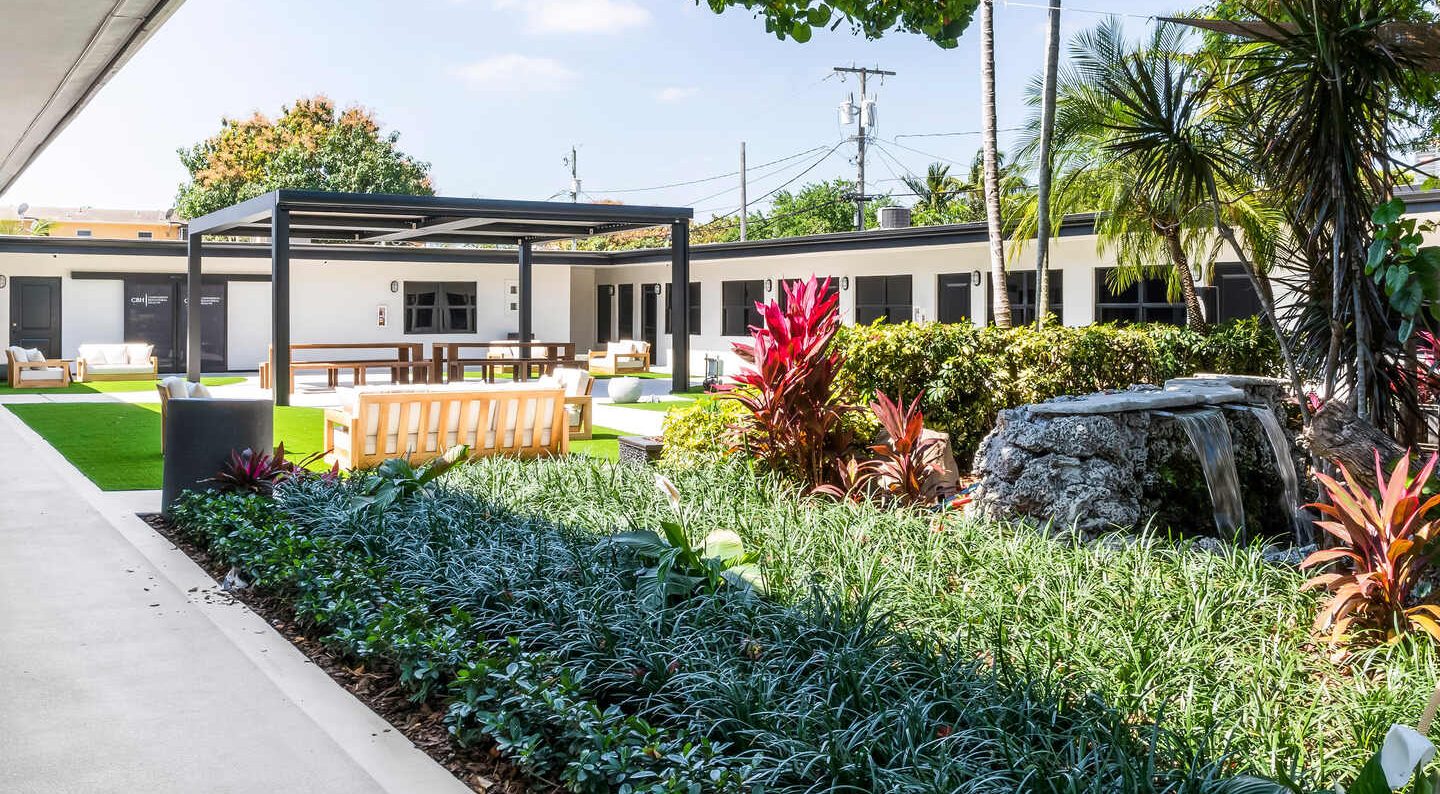
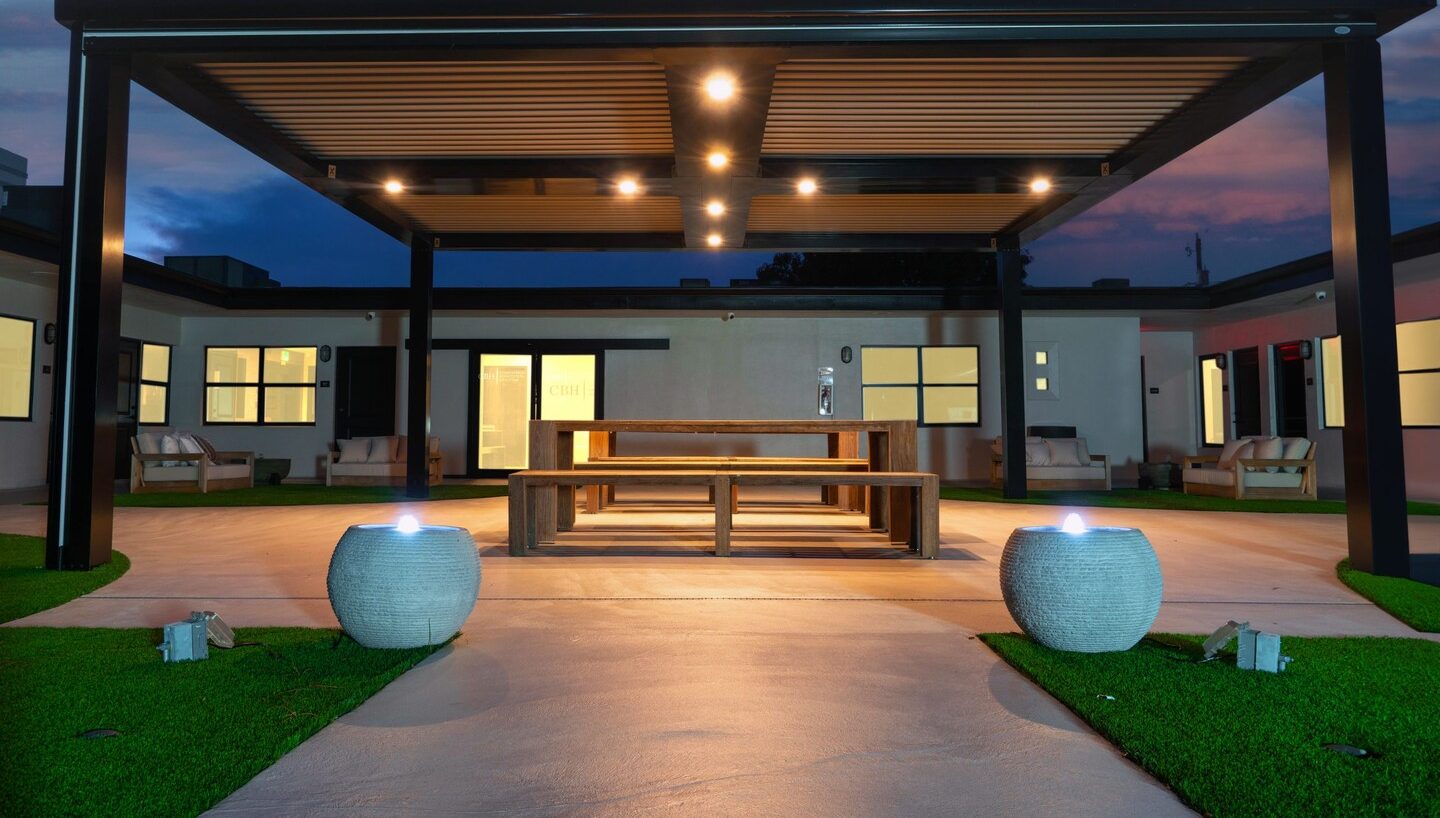
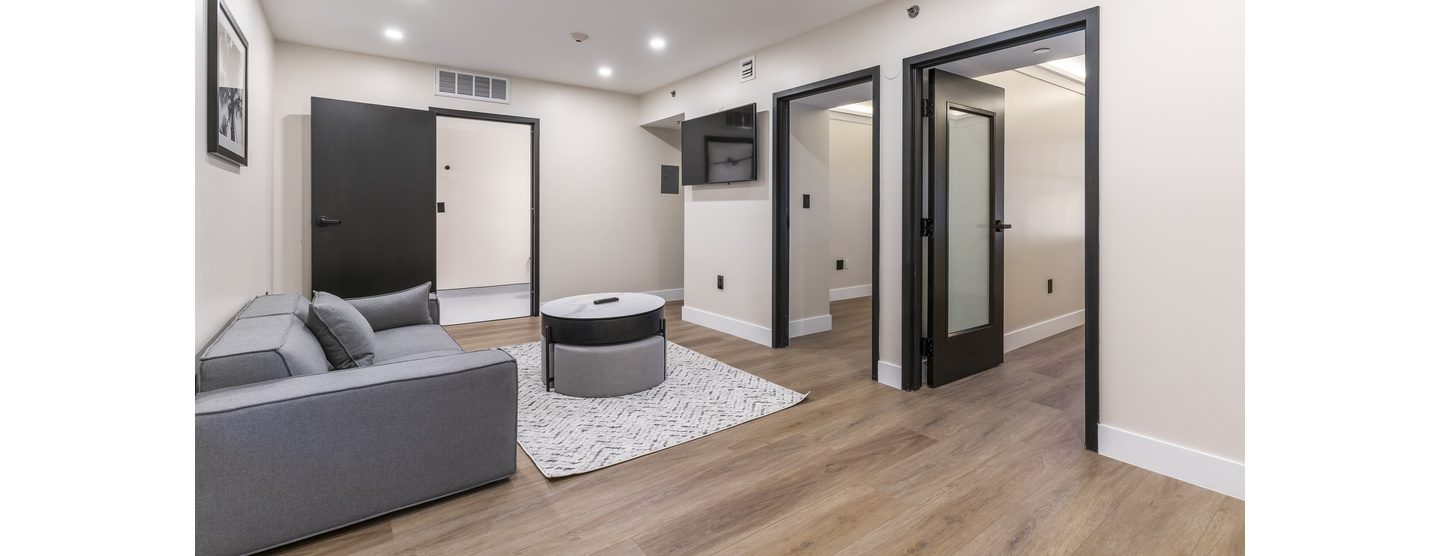
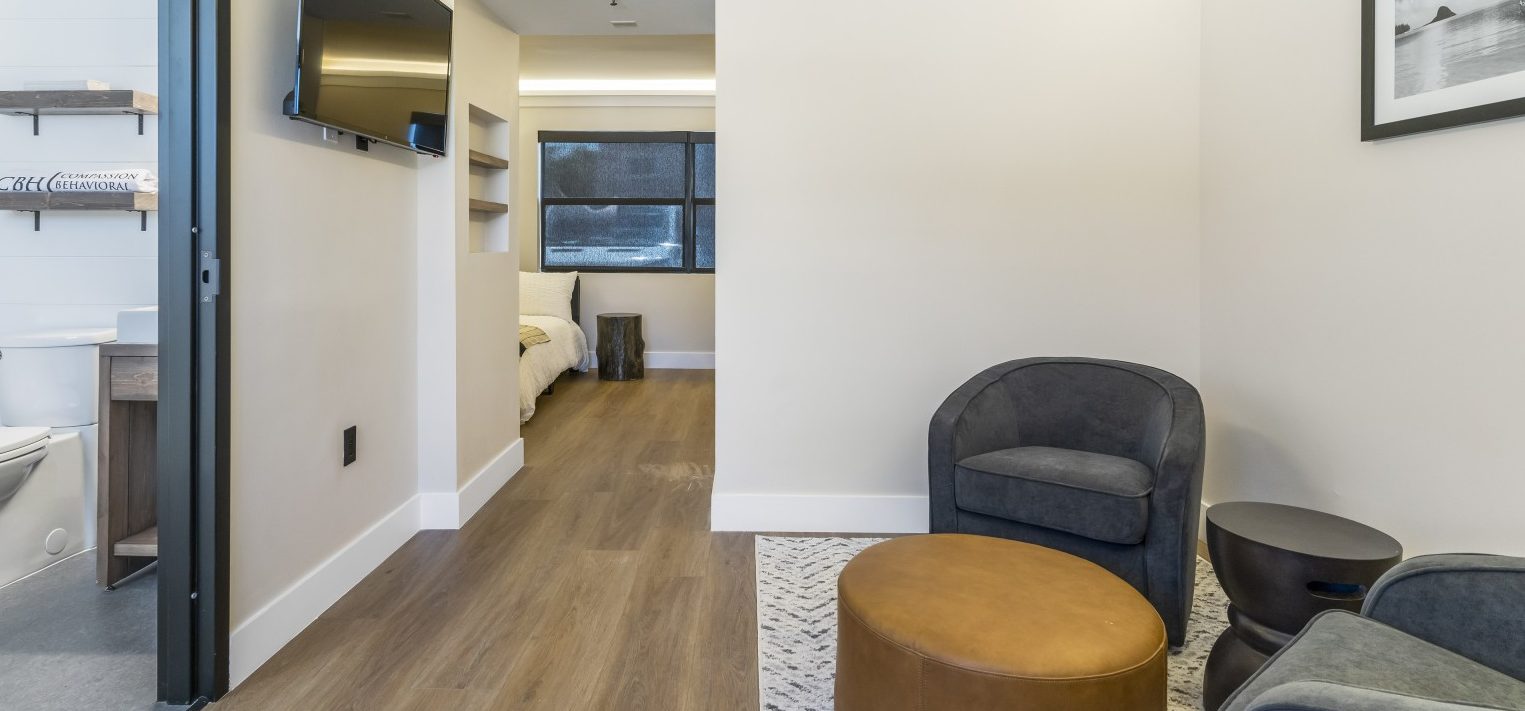























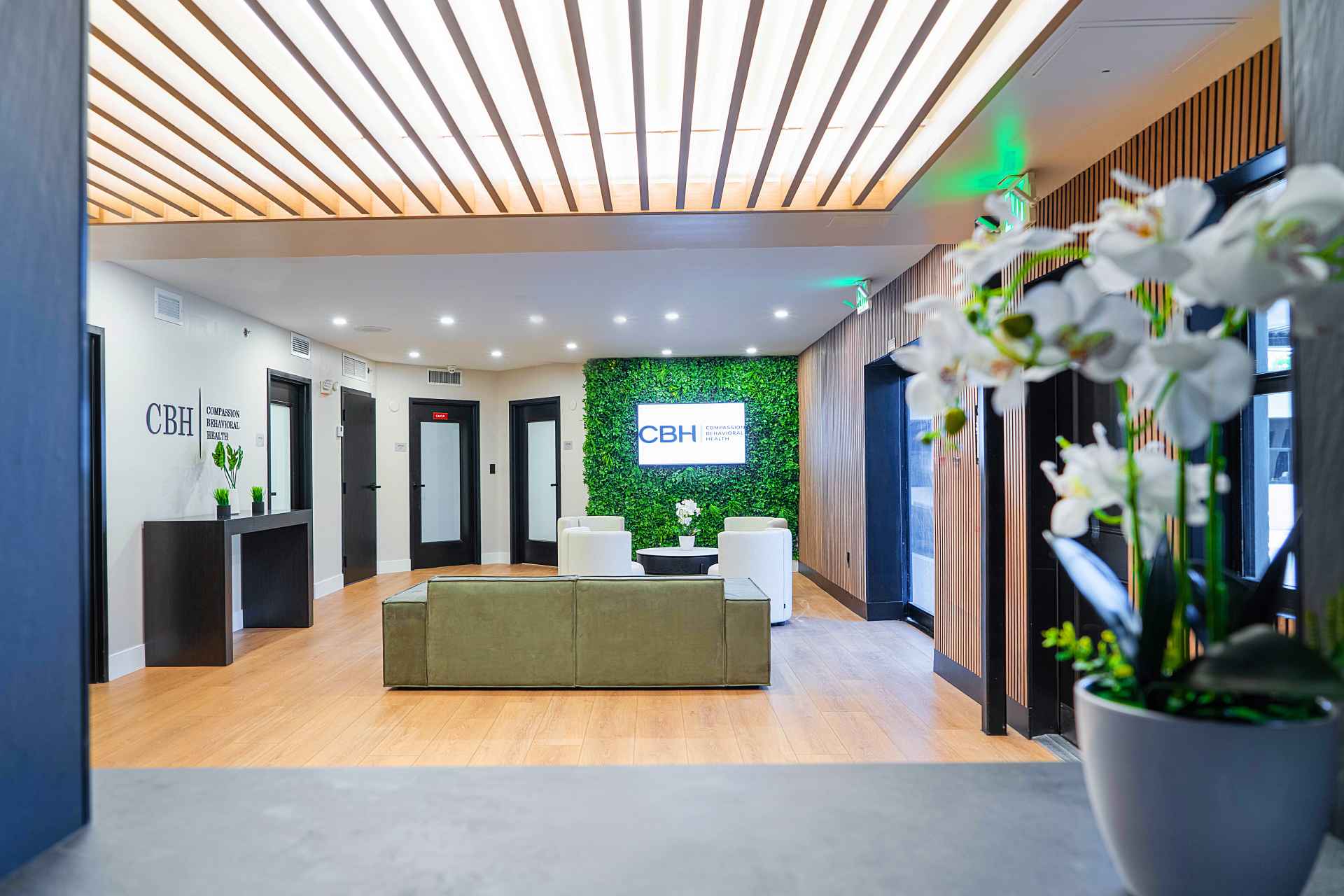



CBH is a detox of South Florida providing medically supervised withdrawal management at our Hollywood, Florida, facility. Our medical detox program is designed for adults withdrawing from alcohol, benzodiazepines, and opioids, with 24/7 physician and nursing oversight, individualized withdrawal protocols, and psychiatric evaluation integrated from the first day of admission.
Most detox programs treat the body. CBH treats the body and starts treating the mind at the same time. Psychiatric assessment begins during detox, not after it. If depression, anxiety, PTSD, or another mental health condition is driving the substance use, we begin identifying and addressing it during the withdrawal phase so that the transition to residential treatment can move forward with a complete clinical picture already in place.
Detox is the first step. It is not the only step. At CBH, detox connects directly to residential treatment in the same Hollywood facility, with the same clinical team, and no gap in psychiatric continuity. Call 844-503-0126 now. Same-day admissions are available in many cases. All calls are completely confidential.
What Medical Detox Is and Why It Requires Medical Supervision
Medical detox is the supervised process of clearing substances from the body while managing withdrawal symptoms safely. When someone has developed a physical dependence on alcohol, benzodiazepines, or opioids, stopping use suddenly can produce withdrawal symptoms that range from severe discomfort to life-threatening medical emergencies. Medical supervision during detox is not a comfort measure. For certain substances, it is a clinical necessity.
Alcohol withdrawal can produce seizures and delirium tremens within 24 to 72 hours of the last drink in physically dependent individuals. Benzodiazepine withdrawal shares a similar mechanism and carries comparable risks. Opioid withdrawal is rarely life-threatening on its own but produces intense physical symptoms that, without clinical management, result in extremely high rates of premature exit from treatment. In each case, medically supervised withdrawal management significantly reduces risk, reduces suffering, and increases the likelihood that the person completes the detox phase and proceeds to the next level of treatment.
CBH’s medical detox in Hollywood, Florida, provides 24/7 physician and nursing supervision throughout the withdrawal process. Medical staff monitors clients every three to four hours during the acute phase. Medication is available when clinically indicated to manage symptoms, reduce seizure risk, and ensure that the withdrawal process is as safe and tolerable as possible.
Substances CBH’s Detox of South Florida Program Treats
Alcohol Detox
Alcohol is one of the most medically dangerous substances to withdraw from. Physical dependence on alcohol develops with regular, heavy use and produces a central nervous system rebound when alcohol is removed that can cause tremors, sweating, elevated heart rate and blood pressure, anxiety, hallucinations, and in severe cases, grand mal seizures and delirium tremens. The risk of severe withdrawal is highest in individuals with a long history of heavy use, prior alcohol withdrawal history, and co-occurring medical conditions.
CBH’s alcohol detox protocol uses the Clinical Institute Withdrawal Assessment for Alcohol (CIWA) scoring system to monitor withdrawal severity and guide medication decisions throughout the withdrawal period. Benzodiazepine medications are used when clinically indicated to prevent seizures and reduce the severity of acute withdrawal symptoms. Medical staff are present around the clock to respond immediately to any change in the client’s condition.
Benzodiazepine Detox
Benzodiazepines, including medications such as Xanax, Valium, Klonopin, and Ativan, produce physical dependence with regular use and carry significant withdrawal risks that parallel those of alcohol. Benzodiazepine withdrawal can produce anxiety, insomnia, tremor, sweating, elevated vital signs, and in severe cases, seizures and psychosis. The withdrawal timeline is longer than that of alcohol and varies significantly based on which benzodiazepine was used, the dose, and the duration of use.
CBH’s benzodiazepine detox protocol uses a medically supervised taper, typically with a longer-acting benzodiazepine, to reduce withdrawal severity and prevent seizures. The taper rate is individualized based on the client’s clinical presentation and is adjusted based on ongoing medical assessment. Physician oversight throughout the taper is a clinical requirement, not an option.
Opioid Detox
Opioid withdrawal from heroin, prescription opioids, fentanyl, and similar substances produces a characteristic constellation of symptoms: anxiety, agitation, muscle aches, sweating, nausea, vomiting, diarrhea, insomnia, and intense drug craving. While opioid withdrawal is rarely life-threatening for otherwise healthy adults, the severity of symptoms produces extremely high rates of premature exit from detox without medical management. The discomfort is a primary driver of relapse in the absence of clinical support. CBH’s opioid detox protocol uses comfort medications to manage the acute symptoms of withdrawal, reducing suffering and improving the likelihood that clients complete the detox phase and transition to residential treatment. Buprenorphine-based medications may be used when clinically indicated and appropriate. All medication decisions are made by the prescribing physician based on the individual client’s clinical presentation.
Psychiatric Integration During Detox: The CBH Difference
The most common model in behavioral health is sequential: detox first, then mental health assessment. The problem with this model is that the psychiatric picture during acute withdrawal is distorted. Depression during alcohol withdrawal is universal. Anxiety during benzodiazepine withdrawal is severe. The symptoms of the withdrawal itself can make it impossible to assess the underlying mental health condition accurately.
CBH does not wait until detox is complete to begin the psychiatric picture. Dr. Daud, CBH’s Medical Director and a board-certified psychiatrist with dual specialization in psychiatry and addiction psychiatry, is involved in the clinical picture from the first day of admission. While the medical team manages the withdrawal symptoms, the psychiatric team begins gathering the clinical history, reviewing the medication history, and building the foundation of the psychiatric assessment that will inform the residential treatment plan.
This integration matters because the majority of people who need detox have an underlying mental health condition that is driving their substance use. If that condition is identified and documented during detox, the residential treatment plan that follows is built on complete clinical information from day one. If it is not identified until after detox, the first week of residential treatment is spent doing the assessment that should have started on day one.
What to Expect During Detox at CBH
Admission and Assessment
Every admission to CBH’s detox program begins with a comprehensive clinical assessment. Medical staff record vitals, assess withdrawal severity using validated clinical tools, review current medications and medical history, and conduct an initial psychiatric screen. The assessment determines the appropriate withdrawal protocol and identifies any immediate medical concerns that need to be addressed before the standard detox protocol begins.
Medical Monitoring
During the acute withdrawal phase, CBH medical staff monitor clients every three to four hours. Vital signs are tracked, withdrawal symptom severity is assessed, and medication is administered when clinically indicated. The monitoring frequency may increase if the clinical picture warrants closer observation. Clients are never left without access to medical personnel during the detox process.
Medication Management
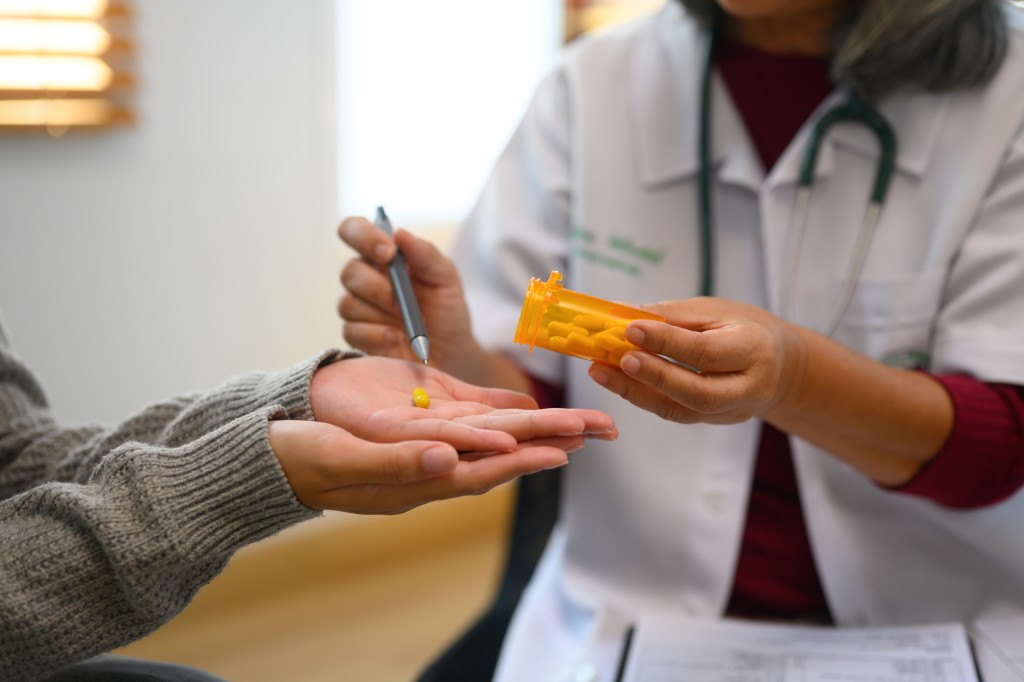
Medication during detox is prescribed by the attending physician based on the individual client’s withdrawal severity, substance history, medical history, and clinical response. Medications are not administered on a fixed schedule. They are administered in response to clinical need as assessed through regular monitoring. This individualized approach reduces the risk of under-medicating severe withdrawal and over-medicating mild withdrawal.
Therapeutic Support
Detox at CBH is not exclusively a medical experience. Therapeutic support is available during the withdrawal phase for clients who are stable enough to engage with it. Brief individual sessions, psychoeducation about the withdrawal process, and motivational support help clients understand what is happening in their bodies, manage anxiety about the process, and stay connected to the reason they are there.
Transition to Residential Treatment
As withdrawal symptoms resolve and medical stability is established, the clinical team begins preparing the client for transition to CBH’s residential treatment program in the same Hollywood facility. The psychiatrist who was involved during detox continues as the treating psychiatrist in residential. The clinical documentation gathered during detox informs the residential treatment plan. The transition is not a handoff. It is a continuation.

Detox of South Florida: Why Choose CBH in Hollywood, FL
Joint Commission accredited, NAMI affiliated, AHCA, and DCF licensed
24/7 physician and nursing supervision throughout the withdrawal process
Individualized withdrawal protocols based on clinical assessment, not standardized schedules
CIWA and COWS scoring for alcohol and opioid withdrawal severity monitoring
Psychiatric assessment integrated from day one by Dr. Daud, board-certified in psychiatry and addiction psychiatry
Same clinical team and same psychiatrist through detox and into residential treatment with no handoff gap
Hollywood, Florida, location with same-day admissions available in many cases
Mental health-first dual-diagnosis approach: the underlying mental health condition is identified and addressed during detox, not after it
In-network with Aetna, Blue Cross Blue Shield, Cigna, Optum, Curative, TRICARE East, and the VA
Frequently Asked Questions: Detox of South Florida at CBH
What is CBH’s detox program in South Florida?
CBH’s detox of South Florida is a 24/7 medically supervised withdrawal management program located in Hollywood, Florida. It provides individualized withdrawal protocols for adults detoxing from alcohol, benzodiazepines, and opioids, with physician and nursing oversight throughout the withdrawal process and psychiatric assessment integrated from the first day of admission. Detox at CBH connects directly to residential treatment in the same facility with the same clinical team. Call 844-503-0126 for a same-day admissions assessment.
Is alcohol detox medically dangerous without supervision?
Yes. Alcohol withdrawal can produce seizures and delirium tremens in physically dependent individuals within 24 to 72 hours of the last drink. These are potentially life-threatening medical events that require immediate clinical intervention. Medical supervision during alcohol detox is not a comfort measure. For physically dependent drinkers, it is a clinical necessity. CBH’s 24/7 physician and nursing supervision means that any change in a client’s condition is identified and addressed immediately throughout the withdrawal process.
Does CBH treat benzodiazepine withdrawal?
Yes. CBH’s detox program in South Florida treats benzodiazepine withdrawal using a medically supervised taper protocol. Benzodiazepine withdrawal carries significant risks, including seizures and psychosis, and requires physician oversight throughout. The taper rate and medication selection are individualized based on the specific benzodiazepine used, the dose, the duration of use, and the client’s clinical response to the taper. All medication decisions are made by the attending physician based on ongoing clinical assessment.
What happens after detox at CBH?
After detox, most CBH clients transition directly to the residential treatment program in the same Hollywood facility. The psychiatrist and clinical team who were involved during detox continue as the treating team in residential. The psychiatric assessment begun during detox informs the residential treatment plan, so the first day of residential treatment begins with a complete clinical picture rather than starting the assessment process over. For clients whose clinical picture does not require residential-level care after detox, PHP or IOP may be the appropriate next step.
Does insurance cover medical detox in South Florida?
Most commercial insurance plans cover medically necessary detox as a behavioral health benefit under the federal mental health parity law. CBH is in-network with Aetna, Blue Cross Blue Shield, Cigna, Optum, Curative, TRICARE East, and the VA. Our admissions team verifies benefits at no cost before any decisions are made. Call 844-503-0126, and we will tell you exactly what your plan covers, what it does not, and what your out-of-pocket costs look like for detox at CBH.
How long does medical detox take?
Detox duration at CBH is determined by clinical progress and varies based on the substance, the severity of dependence, the individual’s medical history, and their response to withdrawal management. Alcohol and benzodiazepine detox typically takes five to ten days for the acute withdrawal phase to resolve. Opioid detox typically takes five to seven days. These are general ranges. Some clients require longer medical monitoring before transitioning to residential treatment. Duration is always guided by clinical assessment rather than administrative timelines.
What is the difference between medical detox and just stopping on your own?
Stopping alcohol or benzodiazepines without medical supervision carries a real risk of seizures and other life-threatening withdrawal complications in physically dependent individuals. Stopping opioids without supervision is rarely life-threatening but produces such severe discomfort that unassisted attempts almost always fail. Medical detox provides physician oversight, medication management when clinically indicated, 24/7 monitoring for complications, and the clinical infrastructure to move the person into ongoing treatment after withdrawal is managed. It significantly increases both the safety of withdrawal and the likelihood of completing detox and proceeding to treatment.
Ready to Start? CBH’s Medical Detox in South Florida Is Available Now.
If you or someone you love needs medically supervised detox in South Florida, CBH’s Hollywood facility is taking admissions now. Same-day admissions are available in many cases. Our medical team is present 24 hours a day. And the psychiatrist who oversees your detox will be the same psychiatrist who oversees your care in residential treatment when detox is complete.
Alcohol. Benzodiazepines. Opioids. Supervised safely. By physicians. With a psychiatric assessment running in parallel from day one. In a facility that is Joint Commission accredited, AHCA and DCF licensed, and in-network with most major commercial insurance plans.
Call 844-503-0126 now. Available 24 hours a day, seven days a week. All calls are completely confidential. Insurance is verified at no cost before any decisions are made. Stories change here.
