

















Bipolar disorder is one of the most frequently misdiagnosed and undertreated mental health conditions in the United States. For many of the people who come to Compassion Behavioral Health, it is also the condition that has been quietly driving their substance use for years — the depression numbed with alcohol, the mania fueled by stimulants, the unstable moods chased away with whatever offered temporary relief.
At CBH, we treat bipolar disorder as the primary clinical priority. Substance use is addressed alongside it, as a co-occurring condition, never as the defining problem. This is not a distinction in language. It is the difference between a treatment program that manages symptoms and one that addresses their source.
Our bipolar disorder treatment program in South Florida provides psychiatric evaluation, evidence-based therapy, and a structured continuum of care from medical detox and residential treatment in Hollywood to PHP and IOP in Fort Lauderdale. If you or someone you love is living with bipolar disorder, call us now: 844-503-0126.
What Is Bipolar Disorder? Bipolar I, Bipolar II, and Cyclothymia
Bipolar disorder is a chronic mental health condition that causes significant, cyclical shifts in mood, energy, and behavior. These are not ordinary mood swings. Bipolar episodes are intense, prolonged, and can disrupt relationships, employment, physical health, and every other dimension of daily functioning.
There are three primary types:
Bipolar I Disorder
Bipolar I is defined by manic episodes lasting at least seven days, or by manic symptoms severe enough to require hospitalization. Depressive episodes frequently follow and can last for weeks. This is the most severe form and the type most often associated with co-occurring substance use.
Bipolar II Disorder
Bipolar II involves hypomanic episodes (less severe than full mania) alternating with depressive episodes. Because the hypomanic phase can feel productive or even positive, Bipolar II is frequently misdiagnosed as depression — and treated incorrectly as a result. The depressive episodes in Bipolar II often cause more disability than the hypomanic ones.
Cyclothymic Disorder
Cyclothymia is characterized by numerous periods of hypomanic symptoms and depressive symptoms lasting at least two years, without meeting the full diagnostic criteria for either Bipolar I or II. It is frequently undertreated because the symptoms seem less dramatic, but the chronic instability takes a significant toll over time.
All three types require professional psychiatric evaluation and individualized treatment planning. A comprehensive intake evaluation is the first step in every CBH admission.
The Link Between Bipolar Disorder and Substance Use: Why Dual Diagnosis Matters
The connection between bipolar disorder and substance use is not coincidental. It is one of the most well-documented patterns in behavioral health. Research consistently shows that people with bipolar disorders are significantly more likely to develop a co-occurring substance use disorder than the general population. More than 30 percent of individuals with bipolar disorder will experience alcohol or drug dependence at some point in their lives.
The mechanism is almost always self-medication. Alcohol or sedatives are used to slow a racing mind during a manic episode. Stimulants used to push through the weight of a depressive episode. Cannabis used to level the swings between cycles. Over time, the substance use that started as a coping strategy becomes a disorder in its own right — layered on top of the untreated or undertreated bipolar disorder that was never fully addressed.
This is why treating only substances without addressing the underlying bipolar disorder produces such poor long-term outcomes. And it is why treating only bipolar disorder without addressing the co-occurring substance use leaves the clinical picture incomplete.
At CBH, both are treated simultaneously. Every client admitted for a mental health condition receives a full dual diagnosis evaluation. Every client admitted for substance use receives a full psychiatric evaluation. The treatment plan addresses both from the first day of care through discharge.
Bipolar Disorder Treatment Programs at CBH: A Full Continuum of Care
Compassion Behavioral Health operates two South Florida locations that together provide a complete level-of-care continuum for bipolar disorder and co-occurring conditions.
Medical Detox | Hollywood, FL
For clients presenting both bipolar disorder and co-occurring substance use, safe medical withdrawal is the first clinical priority. CBH’s Hollywood facility provides 24/7 medically supervised detoxes with psychiatric oversight integrated from day one. Bipolar disorder stabilization begins during detox — not after it.
Residential Treatment | Hollywood, FL
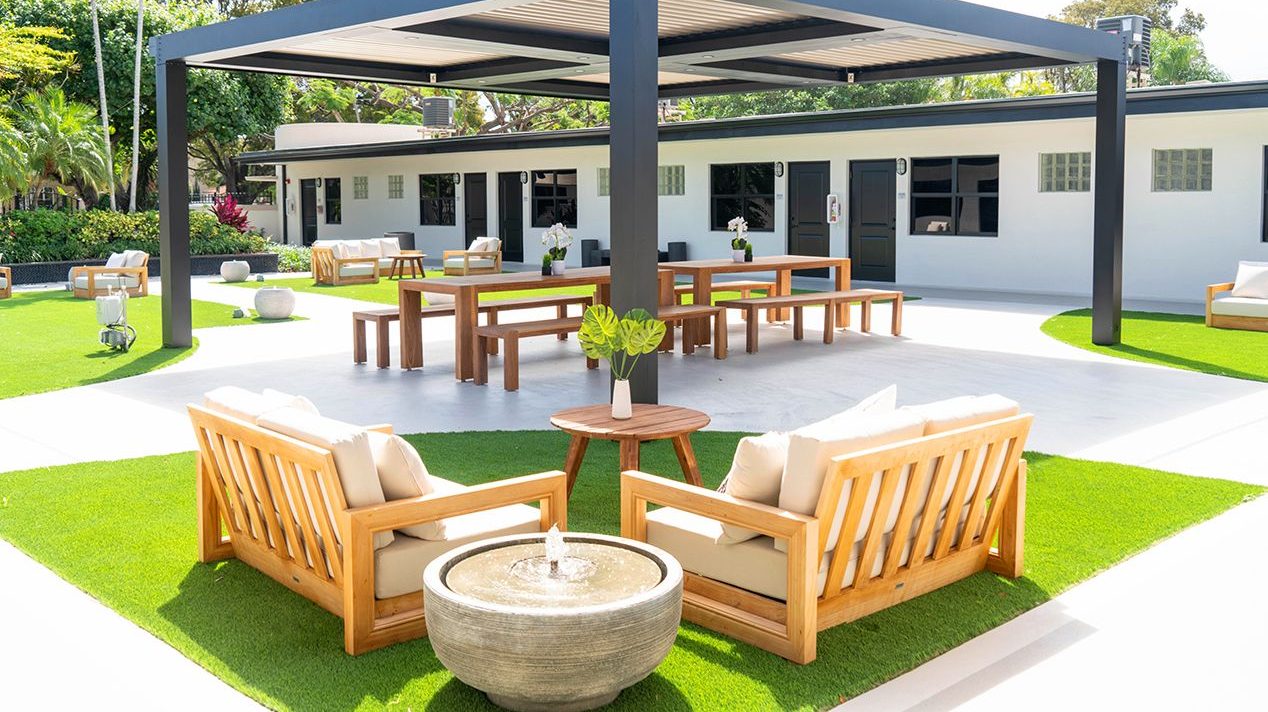
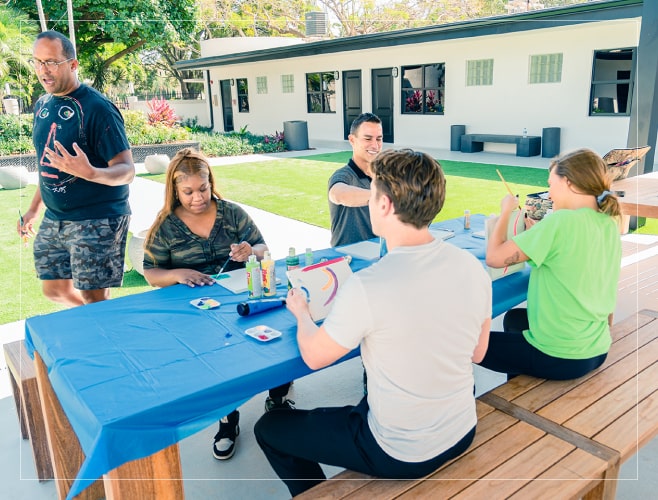
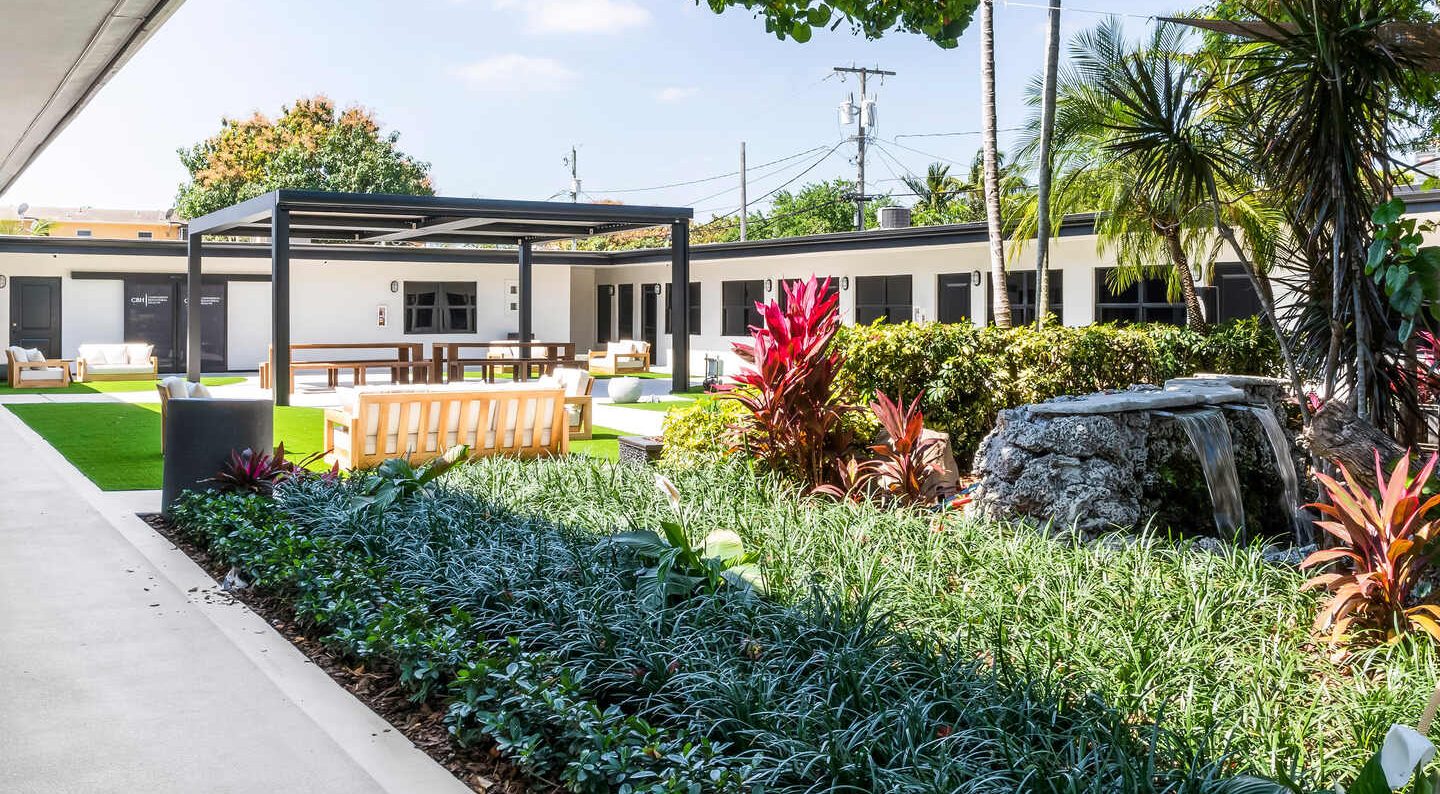
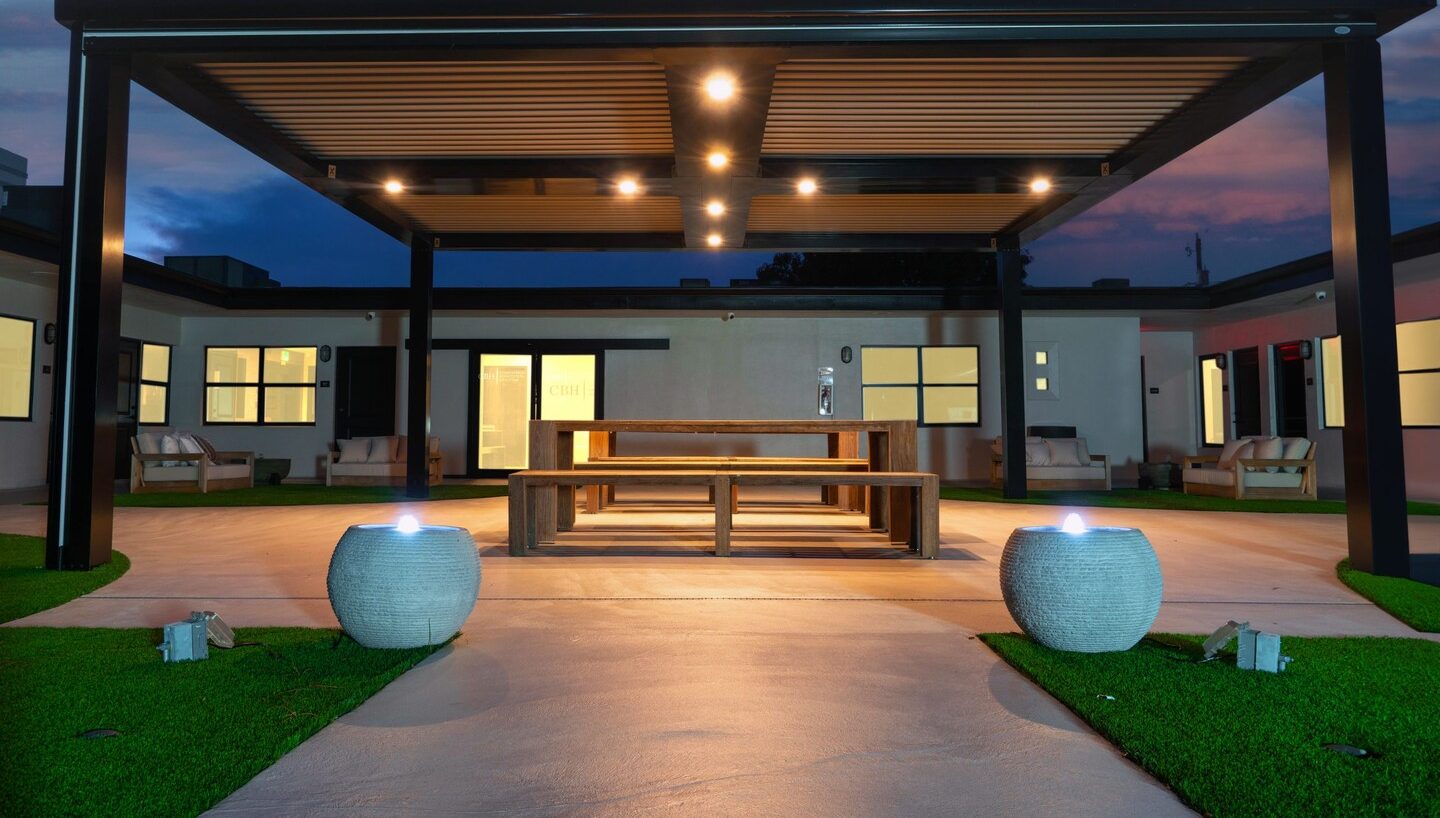
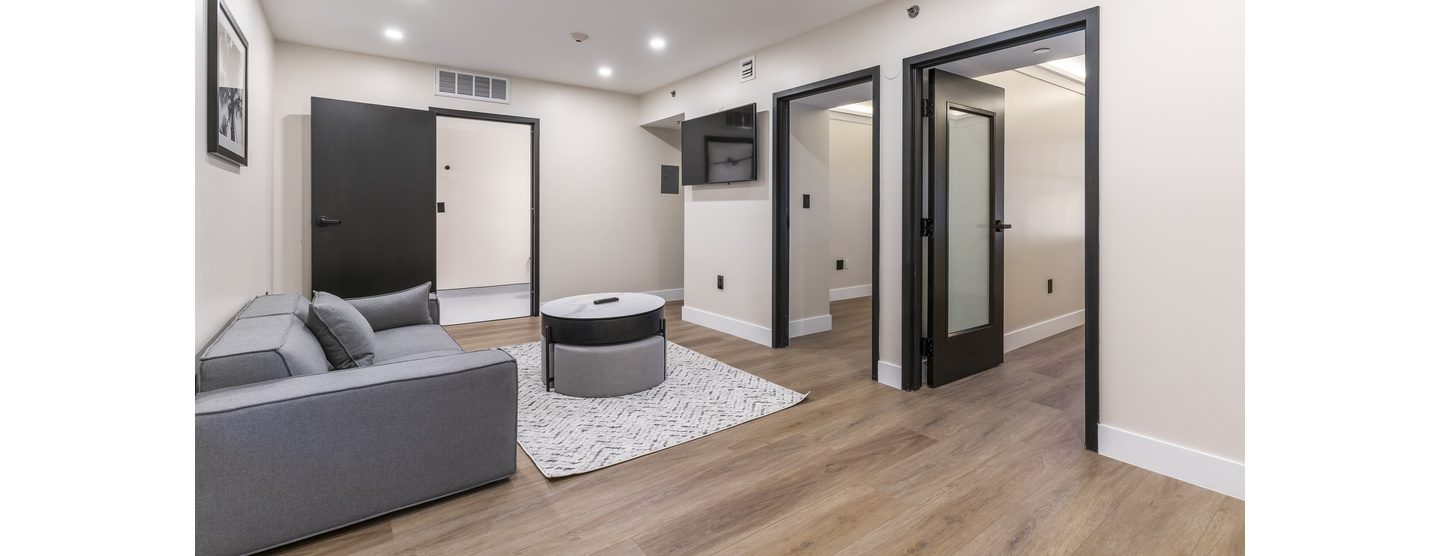
Following detox, or for clients presenting at a level of acuity that requires immersive structure, residential treatment at our Hollywood facility provides round-the-clock psychiatric and clinical support. Programming includes individual therapy, group sessions, psychiatric medication management, psychoeducation, and access to advanced modalities, including EMDR and neurofeedback. Caseloads are intentionally kept small, 8 to 10 clients per therapist, so that individualized care is an operational reality, not a marketing statement.
Partial Hospitalization Program (PHP) | Fort Lauderdale, FL
PHP is the next level of care for clients stepping down from residential treatment or presenting at a sub-acute level. Our Fort Lauderdale PHP provides structured, full-day programming, typically five days per week, that combines CBT, DBT, psychiatric oversight, and group therapy. Clients return to supervised housing in the evenings. PHP is a critical stabilization phase for clients with bipolar disorder who are rebuilding daily functioning in a supported environment.
Intensive Outpatient Program (IOP) | Fort Lauderdale, FL
IOP is designed for clients who have achieved clinical stability and are transitioning back to independent living, but who benefit from continued structured support. Groups meet multiple days per week and continue to address bipolar disorder management, relapse prevention, emotional regulation skills, and co-occurring mental health needs. Clients live at home during IOP while maintaining meaningful therapeutic engagement.
The continuum matters. A client who enters detox, stabilizes in residential, transitions through PHP, and completes IOP has the same clinical team following their care throughout. That continuity is not incidental; it is one of the strongest clinical predictors of long-term stability.
Evidence-Based Therapies We Use to Treat Bipolar Disorder
CBH uses a combination of evidence-based modalities selected and sequenced based on each client’s individual clinical profile. For bipolar disorder specifically, our clinical team draws on:
- Cognitive Behavioral Therapy (CBT): Identifying and restructuring the distorted thought patterns that accelerate mood episodes, fuel impulsive decisions, and sustain depressive cycles.
- Dialectical Behavior Therapy (DBT): Building the emotional regulation, distress tolerance, and interpersonal effectiveness skills that are particularly critical for clients with Bipolar II, whose depressive episodes drive significant functional impairment.
- EMDR (Eye Movement Desensitization and Reprocessing): Many clients with bipolar disorder carry unresolved trauma that directly triggers mood instability. EMDR addresses the trauma at a neurological level, reducing the emotional charge attached to traumatic memories that can precipitate episodes.
- Neurofeedback: A brain-based therapy that uses real-time feedback to train the brain toward more stable self-regulation. Particularly valuable for clients with bipolar disorder whose mood dysregulation has a measurable neurological component.
- Psychiatric Medication Management: Ongoing psychiatric evaluation and medication oversight with board-certified psychiatrists. Mood stabilizers, atypical antipsychotics, and other evidence-based pharmacological supports are managed and adjusted throughout treatment.
- Psychoeducation: Helping clients and their families understand bipolar disorder, recognize the early warning signs of a coming episode, identify personal triggers, and build a long-term management plan that extends well beyond the treatment episode.
Does Insurance Cover Bipolar Disorder Treatment in Florida?
In most cases, yes. Under the Mental Health Parity and Addiction Equity Act, insurance plans that cover medical and surgical care are required to provide comparable coverage for mental health and substance use treatment. Bipolar disorder treatment, including residential, PHP, and IOP levels of care, is covered by most major insurance plans.
Compassion Behavioral Health is in-network with:
- Blue Cross Blue Shield (BCBS)
- Aetna
- Cigna
- Optum / United Healthcare
- Tricare East
- VA / Veterans Benefits
We also provide superbills for clients with out-of-network plans and can assist with reimbursement processing.
The fastest way to understand your specific coverage is to call our admissions team directly. We verify benefits at no cost, with no obligation. Call 844-503-0126 — our team answers 24 hours a day.
Frequently Asked Questions About Bipolar Disorder Treatment
Can Bipolar Disorder cause Substance Abuse?
Yes, and frequently does. Research shows that more than 30 percent of people with bipolar disorder develop a co-occurring substance use disorder. The most common pattern is self-medication: using alcohol, cannabis, or other substances to manage the extreme highs and lows of bipolar episodes. Because both conditions reinforce each other over time, effective treatment requires addressing both simultaneously. CBH is specifically structured for this dual-diagnosis presentation.
What is the Difference between Bipolar I and Bipolar II?
Bipolar I involves full manic episodes lasting at least seven days, often severe enough to require hospitalization. Bipolar II involves hypomanic episodes (less severe) alternating with significant depressive episodes. Both types are serious, both require professional treatment, and both are treated within CBH’s program. The distinction matters for medication selection and for understanding which phase of the illness a client is in at the time of admission.
What does Residential Treatment for Bipolar Disorder look like?
At CBH’s Hollywood facility, residential treatment includes 24/7 psychiatric oversight, individual therapy, structured group programming, medication management, psychoeducation, and access to advanced modalities including EMDR and neurofeedback. The environment is structured and immersive, with small caseloads ensuring that clinical attention is genuine. Treatment length is driven by clinical progress, not a fixed calendar.
How long does Bipolar Disorder Treatment Take?
There is no fixed timeline. Clinical progress drives every step-down decision at CBH. A client with severe Bipolar I and co-occurring alcohol dependence may require medical detox, a full residential stay, and several weeks of PHP before stepping down to IOP. A client presenting at a lower level of acuity may enter directly at PHP. Our clinical team reviews progress continuously and adjusts the care plan accordingly.
Is Bipolar Disorder Treatable?
Bipolar disorder is a chronic condition, not a curable one — but it is highly manageable with the right treatment plan. Many people with bipolar disorder achieve long-term stability, maintain relationships and careers, and live full and productive lives. The key variables are an accurate diagnosis, a treatment plan that addresses both the psychiatric and, where applicable, co-occurring substance use components, and ongoing clinical support. CBH’s continuum is designed to provide all three.
Take the Next Step Toward Bipolar Stability
If bipolar disorder is affecting your life or the life of someone you love, you do not have to figure it out alone. CBH’s clinical team includes psychiatrists, licensed therapists, and dual-diagnosis specialists who understand the complexity of bipolar disorder and the conditions that so often accompany it.
Our admissions team is available 24 hours a day, 7 days a week.