



























Benzodiazepine addiction is one of the most commonly misunderstood substance use disorders because it so frequently begins with a legitimate prescription. Xanax for panic attacks. Klonopin for generalized anxiety. Valium for muscle tension or sleep. Ativan for acute anxiety episodes. These medications work. They work well enough that stopping them becomes difficult, then complicated, then dangerous without clinical help. For most people who develop benzodiazepine dependence, the original prescription was addressing a real mental health condition. That condition is still present when the benzodiazepine is removed, and it needs treatment alongside the dependence.
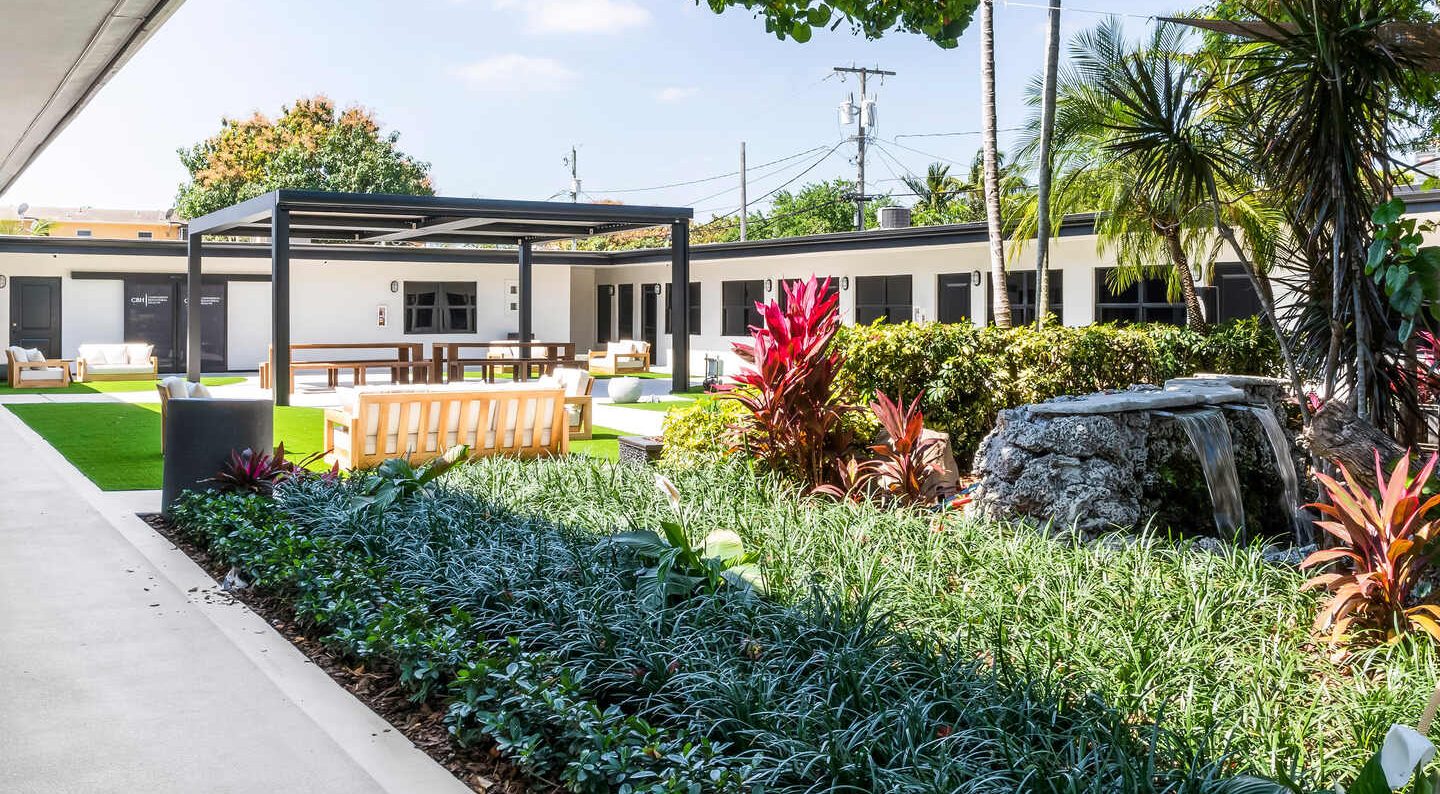
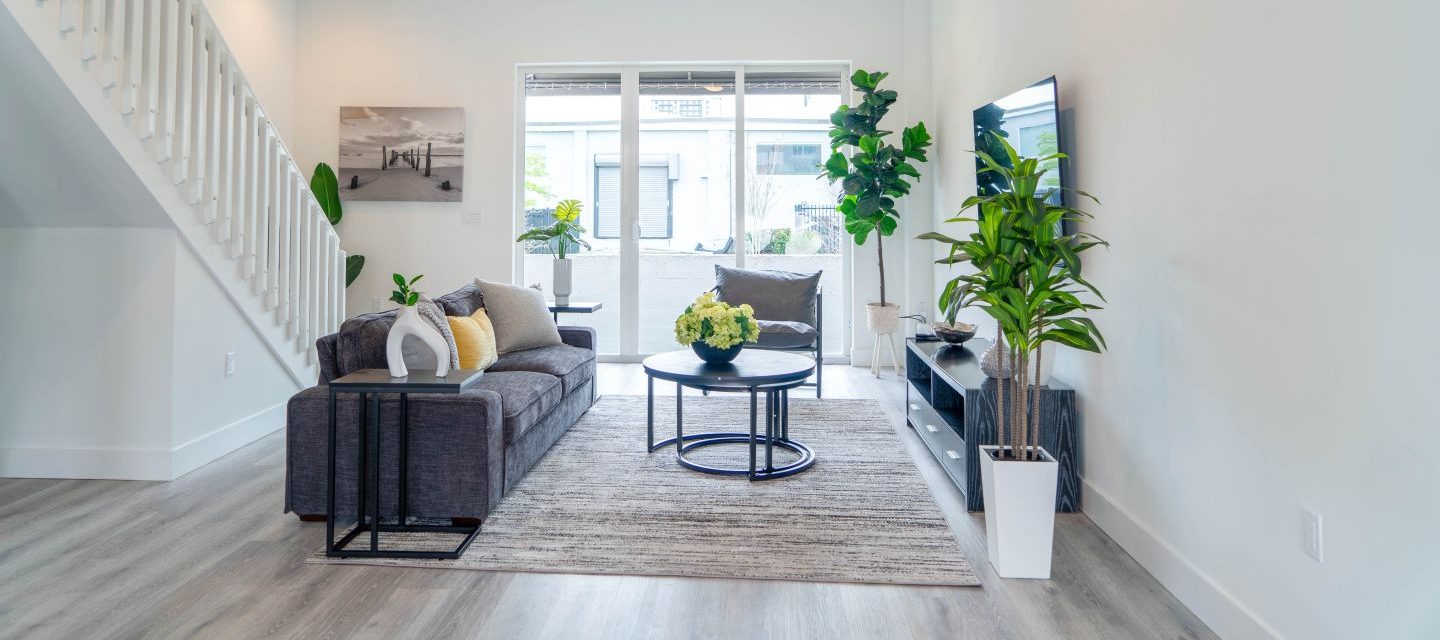
At Compassion Behavioral Health in South Florida, benzodiazepine addiction treatment begins with medically supervised detox at our Hollywood, Florida, facility, where the specific risks of benzodiazepine withdrawal are managed by a physician and nursing team with 24/7 oversight. The psychiatric team assesses the underlying anxiety disorder, PTSD, or other mental health condition that drove the original prescription alongside the dependence that developed from it. Both are treated simultaneously from the first day of admission.
Our outcomes are third-party verified: 167% improvement in anxiety outcomes and 159% improvement in depression outcomes, measured by Greenspace Health across more than 1,000 patient surveys. Anxiety disorders are the most common mental health condition driving benzodiazepine dependence in CBH’s client population. Call 844-503-0126 for a free clinical assessment.
Why Benzodiazepine Withdrawal Requires Medical Supervision
Benzodiazepines act on the GABA-A receptor system in the brain, the same inhibitory system that alcohol affects. This shared mechanism means that benzodiazepine withdrawal carries the same category of medical risks as alcohol withdrawal: in physically dependent individuals, stopping benzodiazepines abruptly can cause seizures, and in severe cases, status epilepticus, a life-threatening continuous seizure state that requires emergency medical intervention.
This is not a rare or worst-case scenario reserved for people who have been taking extremely high doses for decades. Seizures can occur in individuals with moderate physical dependence who attempt to stop benzodiazepines without a supervised taper. The risk is higher with short-acting benzodiazepines such as Xanax and Ativan than with longer-acting ones such as Valium and Klonopin, but it exists across the class. Any adult in South Florida who has been taking benzodiazepines daily for more than a few weeks and wants to stop should be evaluated for medically supervised withdrawal management before making any changes.
Beyond the seizure risk, benzodiazepine withdrawal produces severe anxiety, insomnia, tremors, sweating, elevated heart rate and blood pressure, perceptual disturbances, and in some cases, psychosis. The anxiety of withdrawal is almost always more severe than the original anxiety disorder that the prescription was treating, creating a clinical trap: the person cannot tolerate the withdrawal symptoms, but the benzodiazepine is no longer adequately managing the underlying anxiety. Breaking this cycle requires medical supervision and psychiatric treatment of the underlying condition simultaneously.
Benzodiazepines CBH Treats in South Florida
CBH’s medical detox and dual-diagnosis treatment program addresses dependence on all benzodiazepine medications, including the following.
Xanax (Alprazolam)
Xanax is the most commonly prescribed benzodiazepine in the United States and one of the most common presentations in benzodiazepine addiction treatment in South Florida. Its short half-life means it leaves the body quickly, producing more intense withdrawal symptoms with a shorter onset than longer-acting benzodiazepines. Xanax withdrawal carries significant seizure risk and should always be managed with a supervised medical taper.
Klonopin (Clonazepam)
Klonopin has a longer half-life than Xanax, meaning withdrawal symptoms begin more slowly but last longer. It is frequently prescribed for generalized anxiety disorder, panic disorder, and seizure disorders. Klonopin dependence is common among clients who have been prescribed it for anxiety over extended periods and find that the original anxiety returns or worsens without it.
Valium (Diazepam)
Valium is a long-acting benzodiazepine often used in supervised taper protocols because its long half-life produces more gradual withdrawal. Valium dependence itself requires medical management, particularly in clients who have been using it at high doses or for extended periods.
Ativan (Lorazepam)
Ativan is a short-to-intermediate acting benzodiazepine frequently prescribed for acute anxiety, insomnia, and procedural sedation. Like Xanax, its shorter half-life means withdrawal onset is relatively rapid, and the symptoms can be intense. Medical supervision during Ativan withdrawal is clinically necessary for physically dependent individuals.
Restoril (Temazepam) and Other Sleep Medications
Benzodiazepines prescribed primarily for sleep, including Restoril, produce physical dependence and carry the same withdrawal risks as those prescribed for anxiety. Z-drugs such as Ambien (zolpidem), which act on the same GABA receptor system, can also produce dependence and withdrawal symptoms similar to benzodiazepines and are addressed within the same medical framework at CBH.
Medical Detox for Benzodiazepines in Hollywood, FL
CBH’s medical detox program in Hollywood provides 24/7 physician and nursing supervision throughout the benzodiazepine withdrawal process. The detox protocol for benzodiazepine dependence is a supervised taper, typically using a longer-acting benzodiazepine such as diazepam to gradually reduce the level of GABA receptor activity in a controlled, medically managed way that significantly reduces seizure risk and withdrawal severity.
The Supervised Taper Protocol
Rather than stopping benzodiazepines abruptly, which carries seizure risk, CBH’s medical team uses a gradual dose reduction protocol. The starting dose and taper rate are individualized based on the specific benzodiazepine the client was taking, the dose, the duration of use, and the clinical presentation at admission. Vital signs and withdrawal symptoms are monitored regularly using validated clinical assessment tools. Taper adjustments are made based on the client’s response. The goal is to reduce the physiological dependence gradually enough that withdrawal symptoms remain manageable while seizure risk is minimized throughout.
Psychiatric Assessment During Detox
Dr. Daud, board-certified in both psychiatry and addiction psychiatry, and the psychiatric team begin assessing the underlying mental health conditions alongside the benzodiazepine withdrawal management from the first day of admission. For most CBH clients with benzodiazepine dependence, there is an anxiety disorder that the original prescription was treating. Identifying its specific nature, whether Generalized Anxiety Disorder, Panic Disorder, Social Anxiety Disorder, PTSD, or another presentation, shapes the non-benzodiazepine treatment plan that will be implemented during and after detox.

Mental Health Conditions Driving Benzodiazepine Dependence
Anxiety Disorders and Benzodiazepine Dependence
Anxiety disorders are the most common mental health conditions driving benzodiazepine dependence. Benzodiazepines are effective at reducing acute anxiety symptoms, which is why they are prescribed. For people with chronic anxiety disorders, the short-term relief that benzodiazepines provide can become the primary anxiety management tool, and the original anxiety disorder never receives the evidence-based treatment that would address it more durably.
At CBH in South Florida, anxiety is treated as the primary diagnosis alongside benzodiazepine use disorder throughout the treatment continuum. CBT, DBT, and neurofeedback address the anxiety at the cognitive, behavioral, and physiological levels. Psychiatric medication management identifies non-benzodiazepine medications for long-term anxiety management. The goal is not to remove the benzodiazepine and leave the anxiety untreated. It is to remove the benzodiazepine and replace it with clinical tools that address the anxiety more safely and effectively. CBH’s verified 167% improvement in anxiety outcomes reflects this approach.
PTSD and Benzodiazepine Dependence
PTSD is a significant driver of benzodiazepine use. The hyperarousal, sleep disruption, and anxiety of PTSD are temporarily reduced by benzodiazepines, making them a natural prescription choice for PTSD symptoms. However, research has found that benzodiazepines may actually interfere with PTSD recovery by dampening the emotional processing required for trauma resolution. At CBH, PTSD and benzodiazepine dependence are treated simultaneously. EMDR for trauma processing is available at the PHP and IOP levels in Fort Lauderdale. CBH’s verified 88% improvement in PTSD outcomes is achieved without benzodiazepines as a treatment tool.
Depression and Benzodiazepine Use
Depression frequently co-occurs with benzodiazepine dependence, either as an independent condition, as a feature of the withdrawal syndrome itself, or as a consequence of the neurological changes that prolonged benzodiazepine use produces. For clients whose benzodiazepine dependence is accompanied by significant depression, the dual-diagnosis treatment plan addresses the depression as a primary clinical target alongside the dependence and the anxiety. CBH’s verified 159% improvement in depression outcomes reflects the effectiveness of treating depression directly within the integrated dual-diagnosis model.
Benzo Detox and Treatment Across CBH’s South Florida Continuum
Medical Detox, Hollywood, FL
Medically supervised benzodiazepine taper with 24/7 physician and nursing oversight. CIWA monitoring. Psychiatric assessment beginning from day one. Same Hollywood facility as residential treatment, ensuring clinical continuity without transfer.
Residential Treatment, Hollywood, FL
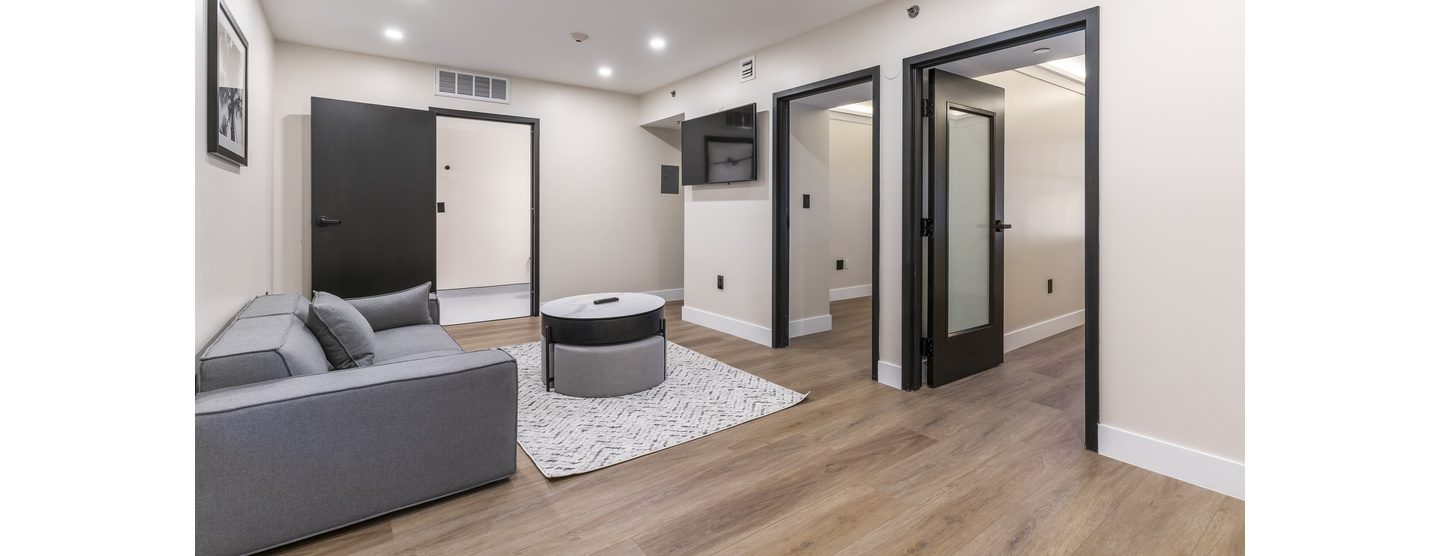
Following detox stabilization, CBH’s 29-bed residential program in Hollywood provides the foundational dual-diagnosis treatment for benzodiazepine dependence and co-occurring mental health conditions. Individual therapy, daily group therapy, psychiatric medication management, establishing non-benzodiazepine anxiety treatment, CBT, DBT skill building, and neurofeedback address both the dependence and the underlying conditions simultaneously. Caseloads of 8 to 10 clients per therapist.
PHP, Fort Lauderdale, FL
PHP in Fort Lauderdale provides a minimum of 20 hours of structured treatment per week. The deeper anxiety treatment work occurs at PHP: CBT for anxiety applied to real-world triggers, EMDR for PTSD-driven benzodiazepine use, family therapy, and the development of a non-benzodiazepine anxiety management toolkit that will carry the client through the independence of IOP and beyond.
IOP, Fort Lauderdale, FL
IOP in Fort Lauderdale provides at least 12 hours of structured treatment per week while clients rebuild independence in South Florida. Relapse prevention planning for benzodiazepine use disorder addresses both the substance-specific triggers and the anxiety management strategies needed to manage the underlying anxiety disorder without returning to benzodiazepines.

Why CBH for Benzodiazepine Addiction Treatment in South Florida
- Medical detox in Hollywood with 24/7 physician oversight and individualized taper protocols, reducing seizure risk
- Psychiatric assessment beginning during detox by Dr. Daud, board-certified in psychiatry and addiction psychiatry
- Mental health is treated as the primary diagnosis: the anxiety disorder, PTSD, or depression, driving benzodiazepine dependence, is identified and treated simultaneously
- 167% improvement in anxiety outcomes, 159% improvement in depression outcomes, 88% improvement in PTSD outcomes, all third-party verified by Greenspace Health
- Non-benzodiazepine anxiety treatment established during residential treatment to provide safe long-term anxiety management
- CBT, DBT, neurofeedback, and EMDR address the anxiety at cognitive, behavioral, and physiological levels
- 29-bed residential program in Hollywood with caseloads of 8 to 10 clients per therapist
- Full continuum from detox through IOP with the same clinical team at every level in South Florida
- In-network with Aetna, Blue Cross Blue Shield, Cigna, Optum, Curative, TRICARE East, and the VA
- Joint Commission accredited, NAMI affiliated, AHCA, and DCF licensed
- 633 or more Google reviews across both South Florida locations
Frequently Asked Questions: Benzodiazepine Addiction Treatment in South Florida
Is benzodiazepine withdrawal dangerous?
Yes. Benzodiazepine withdrawal can be medically dangerous. In physically dependent individuals, stopping benzodiazepines abruptly can cause seizures and, in severe cases, status epilepticus, a life-threatening continuous seizure state. The risk is higher with short-acting benzodiazepines like Xanax and Ativan than with longer-acting ones, but it exists across all benzodiazepines. Any adult who has been taking benzodiazepines daily and wants to stop should be evaluated for medically supervised withdrawal management before making any changes to their dose.
Does CBH offer benzodiazepine addiction treatment in South Florida?
Yes. CBH offers benzodiazepine addiction treatment in South Florida with medically supervised detox at its Hollywood, Florida, facility and dual-diagnosis residential treatment, PHP, and IOP at its Hollywood and Fort Lauderdale facilities. CBH’s benzo addiction treatment addresses the underlying anxiety disorder, PTSD, or other mental health condition driving the dependence alongside the dependence itself from day one. Call 844-503-0126 for a free clinical assessment.
What is a supervised benzodiazepine taper?
A supervised benzodiazepine taper is a medically managed protocol in which the dose of benzodiazepine is gradually reduced over time under physician oversight, typically using a longer-acting benzodiazepine to smooth the transition and minimize seizure risk and withdrawal severity. The taper rate is individualized based on the specific benzodiazepine used, the dose, the duration of use, and the client’s clinical response. At CBH’s Hollywood medical detox, taper protocols are overseen by a physician with 24/7 nursing support throughout.
Can I stop taking Xanax or Klonopin on my own?
For individuals who have developed physical dependence on benzodiazepines, stopping abruptly without medical supervision carries a real risk of seizures. Tapering slowly on your own without medical oversight also carries risk because the rate and method of taper affect seizure risk in ways that are difficult to manage without clinical monitoring. CBH strongly recommends that anyone physically dependent on Xanax, Klonopin, Ativan, Valium, or any other benzodiazepine seek a medical evaluation before stopping or reducing their dose. Call 844-503-0126 for a confidential clinical assessment.
What mental health conditions co-occur with benzo addiction?
The most common mental health conditions co-occurring with benzodiazepine dependence are anxiety disorders, including Generalized Anxiety Disorder, Panic Disorder, and Social Anxiety Disorder, as well as PTSD and depression. In most cases, the benzodiazepine dependence developed from a legitimate prescription for one of these conditions. At CBH, the co-occurring mental health condition is identified and treated simultaneously with the benzodiazepine dependence throughout the treatment continuum in South Florida.
Does insurance cover benzo detox and treatment in South Florida?
Yes. Most commercial insurance plans cover benzodiazepine addiction treatment, including medical detox, residential care, PHP, and IOP, under the federal mental health parity law. CBH is in-network with Aetna, Blue Cross Blue Shield, Cigna, Optum, Curative, TRICARE East, and the VA. Our admissions team verifies benefits at no cost before any decisions are made. Call 844-503-0126 for a free benefits verification at CBH’s South Florida locations in Hollywood and Fort Lauderdale.
How long does benzodiazepine detox take?
The duration of benzodiazepine detox at CBH varies based on the specific benzodiazepine, the dose, the duration of use, and the individual’s clinical response to the taper. Short-acting benzodiazepines like Xanax produce faster-onset withdrawal that may resolve more quickly. Long-acting benzodiazepines like Valium and Klonopin produce slower-onset withdrawal that can persist for longer. Most benzodiazepine detox protocols at CBH range from one to two weeks for the acute withdrawal phase, though some clients require longer taper management before transition to residential treatment.
Benzodiazepine Addiction Treatment in South Florida: CBH Hollywood and Fort Lauderdale
If you or someone you love is in South Florida and physically dependent on Xanax, Klonopin, Valium, Ativan, or any other benzodiazepine, the most important first step is not stopping the medication. It is getting a medical evaluation. Benzodiazepine withdrawal can be dangerous, and the anxiety disorder that the medication was prescribed for needs treatment, not just removal of the medication.
CBH’s medical detox in Hollywood provides the supervised taper that makes withdrawal safe. The dual-diagnosis residential program treats the anxiety disorder, PTSD, or depression that drove the prescription alongside the dependence that developed from it. The PHP and IOP programs in Fort Lauderdale build the non-benzodiazepine anxiety management tools that make lasting recovery possible. All under the same clinical team, the same psychiatrist, at the same South Florida facilities.
167% anxiety improvement. 159% depression improvement. 88% PTSD improvement. Verified. Because treating benzodiazepine dependence without treating the anxiety driving it is not treatment. It is detox followed by a relapse waiting to happen. Stories change here because we treat both.
Call 844-503-0126 now. Available 24 hours a day, seven days a week. All calls are completely confidential. Insurance verified at no cost.