



























Most addiction treatment programs treat addiction. Compassion Behavioral Health was built around a different clinical observation: that addiction is almost always the result of an underlying mental health condition that was never properly treated. Depression self-medicated with alcohol. Anxiety managed with benzodiazepines. PTSD survived with opioids. Substance use is a solution to a mental health problem that no one has addressed. Treating the substance use without treating the mental health condition is why so many people relapse.
That is the founding principle of CBH’s dual diagnosis model, and it shapes every element of how we treat clients. Mental health is the primary diagnosis. Substance use is addressed simultaneously as the co-occurring condition driving it. Both receive equal clinical weight from the first day of admission. Our outcomes reflect this approach: 159% improvement in depression outcomes, 167% improvement in anxiety outcomes, and 88% improvement in PTSD outcomes, all third-party verified by Greenspace Health across more than 1,000 patient surveys.
If you or someone you love is dealing with both a mental health condition and substance use, call 844-503-0126. Our admissions team is available 24 hours a day to answer your questions, verify your insurance at no cost, and help you understand what level of care is right for the clinical picture you are dealing with.
What Dual Diagnosis Treatment Actually Means
The term dual diagnosis describes the presence of a mental health disorder and a substance use disorder occurring at the same time in the same person. It is also called co-occurring disorders. Research consistently shows that the majority of people who seek treatment for substance use also have at least one diagnosable mental health condition, and the reverse is equally true.
What makes dual diagnosis treatment different from standard addiction treatment is not the addition of a therapy session about mental health. It is a complete integration of psychiatric care, medication management, and psychosocial therapy that addresses both conditions with equal clinical seriousness from the first assessment to the last day of treatment.
Standard addiction programs frequently treat the substance use disorder and refer clients elsewhere for mental health care. This sequential approach, or treating one condition first and the other later, produces incomplete results. When the mental health condition resurfaces after the substance use is removed, relapse is the predictable outcome. CBH treats both simultaneously, under the same clinical team, because that is what produces durable recovery.
Why Dual Diagnosis Treatment Fails Without Mental Health
The most common reason dual diagnosis treatment fails is that mental health is treated as the secondary condition. A person enters treatment for alcohol use disorder. The treatment plan is built around alcohol. The depression, anxiety, or PTSD that was driving the alcohol use receives attention on the side, through a few therapy sessions a week. The client completes the program, achieves sobriety, returns to their life, and the untreated mental health condition resurfaces. Without the alcohol to manage it, the mental health condition becomes intolerable. Relapse follows.
CBH was specifically built to interrupt this pattern. Our Medical Director, Dr. Daud, is board-certified in both psychiatry and addiction psychiatry. That dual specialization is not a credential detail. It is the clinical architecture of the program. Every client’s treatment plan is designed from the psychiatric assessment outward, with the mental health condition receiving primary clinical attention and the substance use treated as the co-occurring condition alongside it. Not after it. Alongside it, from day one.
or Substance Use Disorders?
Common Co-Occurring Conditions CBH Treats
The following mental health and substance use combinations are among the most common presentations CBH treats within its dual diagnosis framework. In every case, both the mental health condition and the substance use disorder are addressed simultaneously.
Depression and Alcohol Use Disorder
The most common dual diagnosis presentation at CBH. Alcohol is acutely effective at reducing depressive symptoms in the short term, which is why so many people with untreated depression drink. Over time, alcohol worsens depression by disrupting sleep, depleting serotonin, and increasing baseline anxiety. The person requires more alcohol to achieve the same relief, and the depression worsens between episodes. CBH’s verified 159% depression improvement rate reflects outcomes from treating this specific pattern.
Anxiety and Benzodiazepine Dependence
Benzodiazepines are appropriately prescribed for acute anxiety but produce physical dependence with extended use. Many clients present to CBH with both an anxiety disorder and a benzodiazepine dependence that developed from treating that anxiety. Both conditions require simultaneous expert clinical management. CBH’s medical detox program provides the supervised withdrawal management that benzodiazepine dependence requires, while the psychiatric team begins anxiety treatment concurrently.
PTSD and Substance Use
PTSD is one of the strongest predictors of substance use disorder. Research shows that 30 to 50 percent of people seeking substance use treatment meet criteria for PTSD. Alcohol, opioids, and cannabis are all commonly used to regulate PTSD-related hyperarousal and intrusive symptoms. CBH’s verified 88% improvement in PTSD outcomes represents clients who received EMDR, CBT, DBT, and neurofeedback alongside treatment for co-occurring substance use.
Bipolar Disorder and Stimulant or Alcohol Use
Bipolar disorder co-occurs with substance use at significantly elevated rates compared to the general population. Stimulants can trigger manic episodes. Alcohol is frequently used to manage depressive phases. Accurate psychiatric diagnosis is essential before building a treatment plan, because medication decisions for bipolar disorder, particularly around antidepressants, are different from those for unipolar depression. CBH’s board-certified psychiatric team conducts a comprehensive differential evaluation at every admission.
OCD and Alcohol Use
Alcohol is frequently used to quiet the obsessive anxiety cycle of OCD. It reduces acute distress but worsens OCD symptom severity over time and interferes with the Exposure and Response Prevention therapy that is the gold-standard OCD treatment. CBH delivers ERP within the dual diagnosis framework so that OCD treatment can proceed effectively alongside management of alcohol dependence.
Schizophrenia and Cannabis or Stimulant Use
Approximately 47 percent of people with schizophrenia meet criteria for a substance use disorder at some point. Cannabis is particularly dangerous in this population because THC can directly exacerbate psychotic symptoms. CBH’s dual-specialty psychiatric team and GeneSight genetic testing for antipsychotic optimization make CBH specifically suited to this complex presentation.
How CBH’s Dual Diagnosis Model Works in Practice
The dual diagnosis model at CBH is not a specialty track within a standard addiction program. It is the foundational clinical model that every client experiences from the first evaluation through the last day of intensive outpatient treatment.
Step 1: Comprehensive Differential Psychiatric Evaluation
Every client admitted to CBH receives a comprehensive psychiatric evaluation conducted by Dr. Daud. The evaluation does not assume the accuracy of prior diagnoses. It assesses the full clinical picture: mental health history, substance use history, trauma history, medication history, and family psychiatric history. Both the mental health condition and the substance use disorder are identified and documented before the treatment plan is designed.
Step 2: Integrated Treatment Planning
The treatment plan is built around the psychiatric assessment, with the mental health condition as the primary diagnosis and the substance use disorder addressed simultaneously. Medication management, individual therapy, group therapy, and evidence-based modalities such as CBT, DBT, EMDR, ERP, and neurofeedback are each assigned to specific clinical targets within the treatment plan. Nothing is generic. Every element is mapped to a specific condition and a specific clinical goal.
Step 3: Simultaneous Treatment Across All Conditions
Throughout residential treatment, PHP, and IOP, the mental health condition and the substance use disorder are both addressed at every level of care. The same clinical team, the same psychiatrist, and the same treatment philosophy apply at every level. There are no handoff gaps and no moments where one condition is prioritized at the expense of the other.
Step 4: Discharge Planning That Addresses Both Conditions
Discharge planning at CBH includes aftercare coordination for both the mental health condition and the substance use disorder. This means long-term outpatient psychiatric care, medication management continuity, relapse prevention planning specific to the substance use pattern, and community support resources for the mental health diagnosis. The goal is not to complete treatment. The goal is to build the clinical foundation for durable recovery after treatment ends.

Evidence-Based Treatments in CBH’s Dual Diagnosis Program
CBH’s dual diagnosis program uses a combination of evidence-based modalities, each selected for a specific clinical purpose within the co-occurring disorder framework.
- Cognitive Behavioral Therapy (CBT): addresses the distorted thought patterns that maintain both mental health symptoms and substance use behaviors
- Dialectical Behavior Therapy (DBT): builds distress tolerance, emotional regulation, and interpersonal effectiveness skills that are foundational for managing both conditions
- EMDR: processes the unresolved trauma that frequently underlies both the mental health condition and the substance use in dual diagnosis presentations
- Exposure and Response Prevention (ERP): the gold-standard behavioral treatment for OCD, delivered within the dual diagnosis framework
- Neurofeedback: addresses nervous system dysregulation at the physiological level for conditions including PTSD, hyperarousal, anxiety, and cognitive symptoms of mood and psychotic disorders
- GeneSight Genetic Testing: identifies how the client’s genetic profile affects their metabolism of psychiatric medications, which is particularly valuable in dual diagnosis cases involving treatment-resistant mood disorders, psychotic disorders, or OCD
- Medication Management: overseen by Dr. Daud, board-certified in both psychiatry and addiction psychiatry, with daily clinical visibility in the residential setting
- Canine Assisted Therapy: runs twice per week in the residential setting, providing physiological regulation for clients with trauma-driven substance use and mental health conditions
Dual Diagnosis Treatment Across the Full Continuum of Care in South Florida
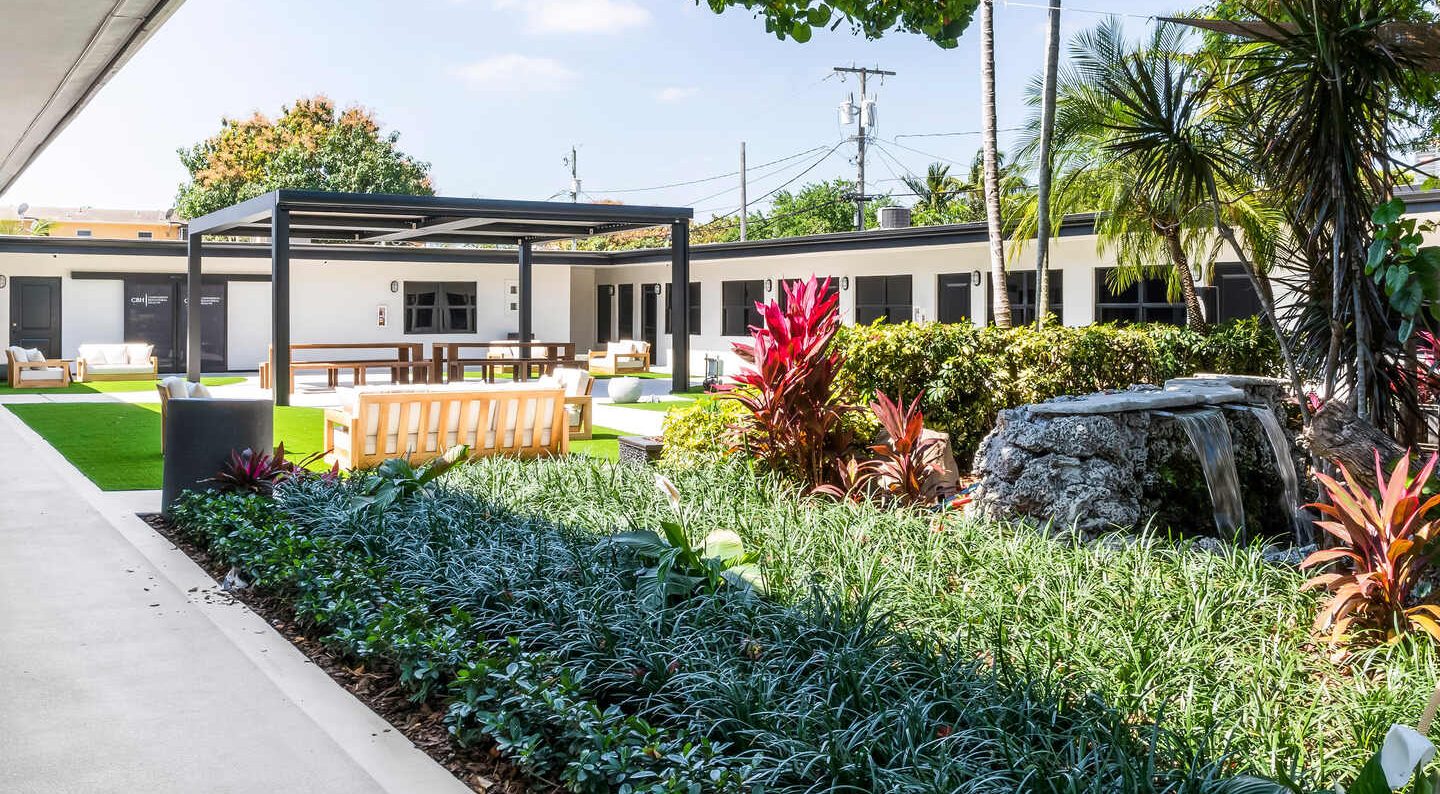
CBH operates two South Florida locations that together provide a complete continuum of dual diagnosis care, with a single clinical team and a consistent treatment philosophy at every level.
Medical Detox, Hollywood, FL
For clients whose mental health conditions are complicated by physical substance dependence, medically supervised detox is the first step. CBH’s 24/7 medical detox in Hollywood provides withdrawal management with psychiatric oversight integrated from day one. Both the withdrawal management and the initial psychiatric stabilization occur in parallel, not sequentially.
Residential Dual Diagnosis Treatment, Hollywood, FL
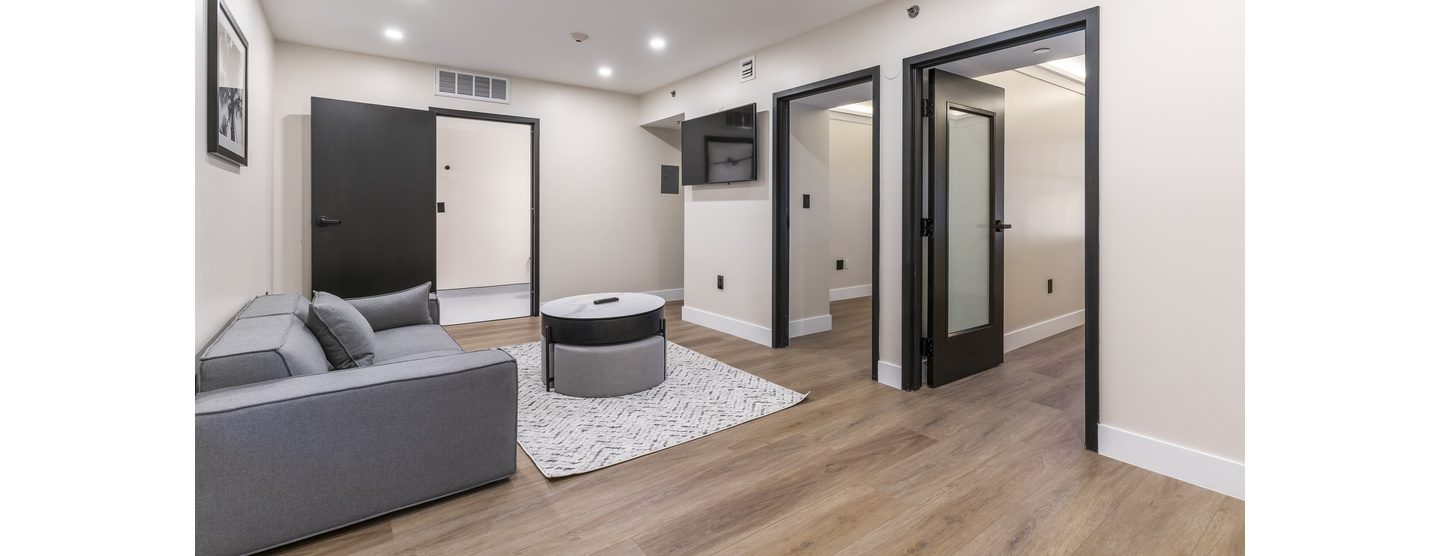
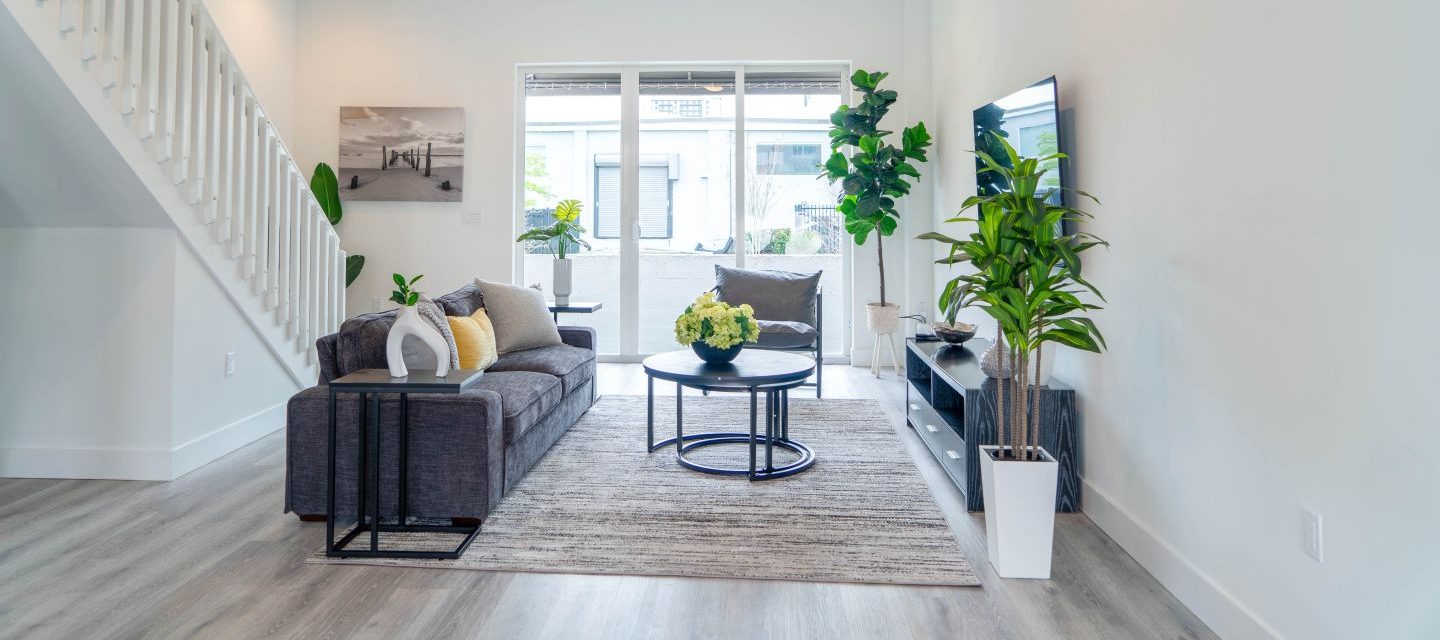
CBH’s 29-bed residential program is where the foundational dual diagnosis work occurs. Mental health and substance use treatment run simultaneously. Caseloads are held to 8 to 10 clients per therapist. The Clinical Director knows every client by name. For dual diagnosis clients who have been through large, undifferentiated addiction programs that treated their mental health condition as an afterthought, the clinical specificity and relational quality of CBH’s residential program are a meaningful difference.
Partial Hospitalization Program (PHP), Fort Lauderdale, FL
PHP provides a minimum of 20 hours of structured clinical treatment per week. At the PHP level, the deeper therapeutic work of dual diagnosis treatment occurs: EMDR for trauma-driven substance use, family therapy, community reintegration practice, and the refinement of medication management based on residential treatment response. Both conditions remain active clinical priorities.
Intensive Outpatient Program (IOP), Fort Lauderdale, FL
IOP provides at least 12 hours of structured treatment per week while clients rebuild independence. The dual diagnosis treatment plan continues at the IOP level, with ongoing medication management, individual therapy, group therapy, and relapse prevention planning that is specific to both the mental health condition and the substance use pattern.
Why Choose CBH as Your Dual Diagnosis Treatment Center in Florida
- Mental health is treated as the primary diagnosis, not an add-on to addiction treatment
- 159% improvement in depression outcomes, 167% improvement in anxiety outcomes, 88% improvement in PTSD outcomes, all third-party verified by Greenspace Health
- Dr. Daud, board-certified in both psychiatry and addiction psychiatry, oversees all evaluations and medication management
- GeneSight genetic testing for clients with treatment-resistant co-occurring mental health conditions
- EMDR for trauma-driven dual diagnosis presentations
- ERP for OCD with co-occurring substance use
- Neurofeedback for nervous system dysregulation in complex dual diagnosis cases
- 29-bed boutique residential program with caseloads of 8 to 10 clients per therapist
- Clinical Director knows every client by name
- Full continuum from detox through IOP with the same clinical team at every level
- In-network with Aetna, Blue Cross Blue Shield, Cigna, Optum, Curative, TRICARE East, and the VA
- Joint Commission accredited, NAMI affiliated, AHCA, and DCF licensed
- 633 or more Google reviews across both South Florida locations

Frequently Asked Questions: Dual Diagnosis Treatment in Florida
What is Dual Diagnosis Treatment?
Dual diagnosis treatment addresses a mental health disorder and a substance use disorder occurring at the same time, in the same person, within the same clinical program. At CBH, mental health is always the primary diagnosis. Substance use is treated as the co-occurring condition alongside it. Both receive equal clinical weight from the first day of admission. This integrated approach is what separates CBH from standard addiction treatment programs, which typically treat substance use first and refer mental health care elsewhere.
What is a Dual Diagnosis Treatment Center in Florida?
A dual diagnosis treatment center in Florida is a licensed behavioral health facility that treats co-occurring mental health and substance use disorders simultaneously. CBH operates two South Florida locations, a residential and detox program in Hollywood and a PHP and IOP program in Fort Lauderdale, providing the full continuum of dual diagnosis care under a single clinical team. CBH is Joint Commission-accredited, AHCA licensed, and DCF licensed.
What is the Most Common Dual Diagnosis?
The most common dual diagnosis presentations at CBH are depression and alcohol use disorder, anxiety and benzodiazepine dependence, PTSD and opioid or alcohol use disorder, and bipolar disorder with stimulant or alcohol use. In each case, the substance use is typically a self-medication strategy for the underlying mental health condition. Treating the substance use without treating the mental health condition produces predictable relapse.
How is Dual Diagnosis Treatment different from Addiction Treatment?
Standard addiction treatment focuses primarily on the substance use disorder: detox, withdrawal management, relapse prevention, and behavioral support. Dual diagnosis treatment addresses both the substance use disorder and the co-occurring mental health condition simultaneously, with equal clinical weight. At CBH, the mental health condition is the primary diagnosis. Substance use is treated as the behavioral expression of that condition. The treatment plan is built from the psychiatric assessment outward, not from the substance use history inward.
Does CBH offer Dual Diagnosis Inpatient Treatment in Florida?
Yes. CBH’s 29-bed residential program in Hollywood, Florida, provides inpatient dual diagnosis treatment for adults. Both the mental health condition and the co-occurring substance use disorder are treated simultaneously from the first day of admission. Caseloads are held to 8 to 10 clients per therapist. Dr. Daud, board-certified in psychiatry and addiction psychiatry, oversees all psychiatric care and medication management. Call 844-503-0126 to begin the admissions process.
Is Dual Diagnosis Treatment available in South Florida?
Yes. Compassion Behavioral Health provides dual diagnosis treatment at two South Florida locations. Our residential and medical detox program is in Hollywood, Florida. Our PHP and IOP programs are in Fort Lauderdale, Florida. We accept most major commercial insurance, including Aetna, Blue Cross Blue Shield, Cigna, Optum, TRICARE East, and the VA. Call 844-503-0126 for a free benefits verification and admissions assessment.
Does Insurance Cover Dual Diagnosis Treatment?
Yes. Most commercial insurance plans cover dual diagnosis treatment under the federal mental health parity law, which requires insurance carriers to cover mental health and substance use treatment comparably to medical and surgical care. CBH is in-network with Aetna, Blue Cross Blue Shield, Cigna, Optum, Curative, TRICARE East, and the VA. Call 844-503-0126, and our admissions team will verify your specific benefits at no cost before you make any decisions.
What Mental Health conditions are treated at CBH’s Dual Diagnosis Program?
CBH treats the full range of mental health conditions within its dual diagnosis framework, including depression, anxiety disorders, PTSD, OCD, bipolar disorder, schizophrenia and psychotic spectrum disorders, schizoaffective disorder, and attachment disorder in adults. In every case, if a co-occurring substance use disorder is present, both conditions are treated simultaneously from day one under the same clinical team.
or Substance Use Disorders?
If Mental Health Is Driving the Substance Use, Treating Only the Substance Use Will Not Work
That is the clinical reality that Compassion Behavioral Health was built around. Not a philosophy statement on a website. A treatment model that every member of our clinical team practices every day, with every client, from the first evaluation to the last day of intensive outpatient care.
159% depression improvement. 167% anxiety improvement. 88% PTSD improvement. Verified by Greenspace Health. Real people. Real dual diagnosis presentations. Treated at both levels simultaneously.
If you are looking at dual diagnosis treatment centers in Florida and you want a program where mental health is the primary clinical focus and substance use is treated alongside it, not as a separate issue handled by a separate team, CBH is worth the call.
Call 844-503-0126 now. Available 24 hours a day, seven days a week. All calls are 100% confidential. Insurance verified at no cost. Same-day admissions available. Stories change here.
