
























If someone you love has been diagnosed with schizoaffective disorder, or has been cycling through diagnoses of schizophrenia, bipolar disorder, and depression without finding a treatment that holds, you are in the right place. Schizoaffective disorder is one of the most frequently misdiagnosed conditions in psychiatric practice. It is misdiagnosed as schizophrenia. It is misdiagnosed as bipolar disorder. It is misdiagnosed as major depressive disorder. Each misdiagnosis leads to a treatment plan built on an incomplete clinical picture, and each incomplete treatment plan produces the same outcome: partial symptom control, repeated crises, and a family that has lost count of the hospitalizations.
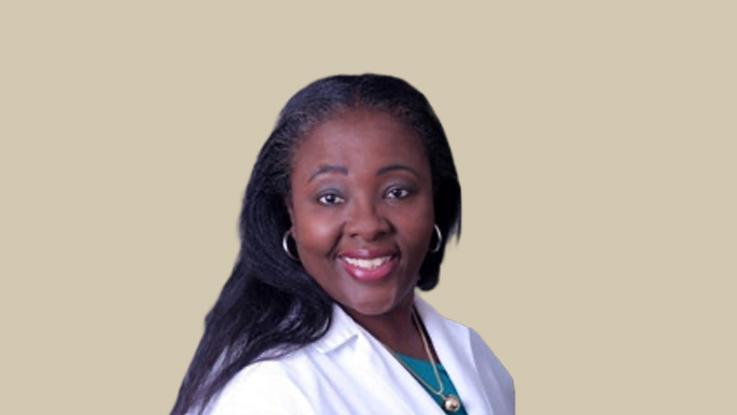
At Compassion Behavioral Health, we start with an accurate diagnosis. Our psychiatric team, led by Dr. Daud, a board-certified psychiatrist with dual specialization in psychiatry and addiction psychiatry, conducts a comprehensive differential psychiatric evaluation at every admission. We do not assume the previous diagnosis was correct. We assess the full clinical picture before designing the treatment plan. For a condition as complex as schizoaffective disorder, that distinction is not procedural. It is the clinical foundation that everything else depends on.
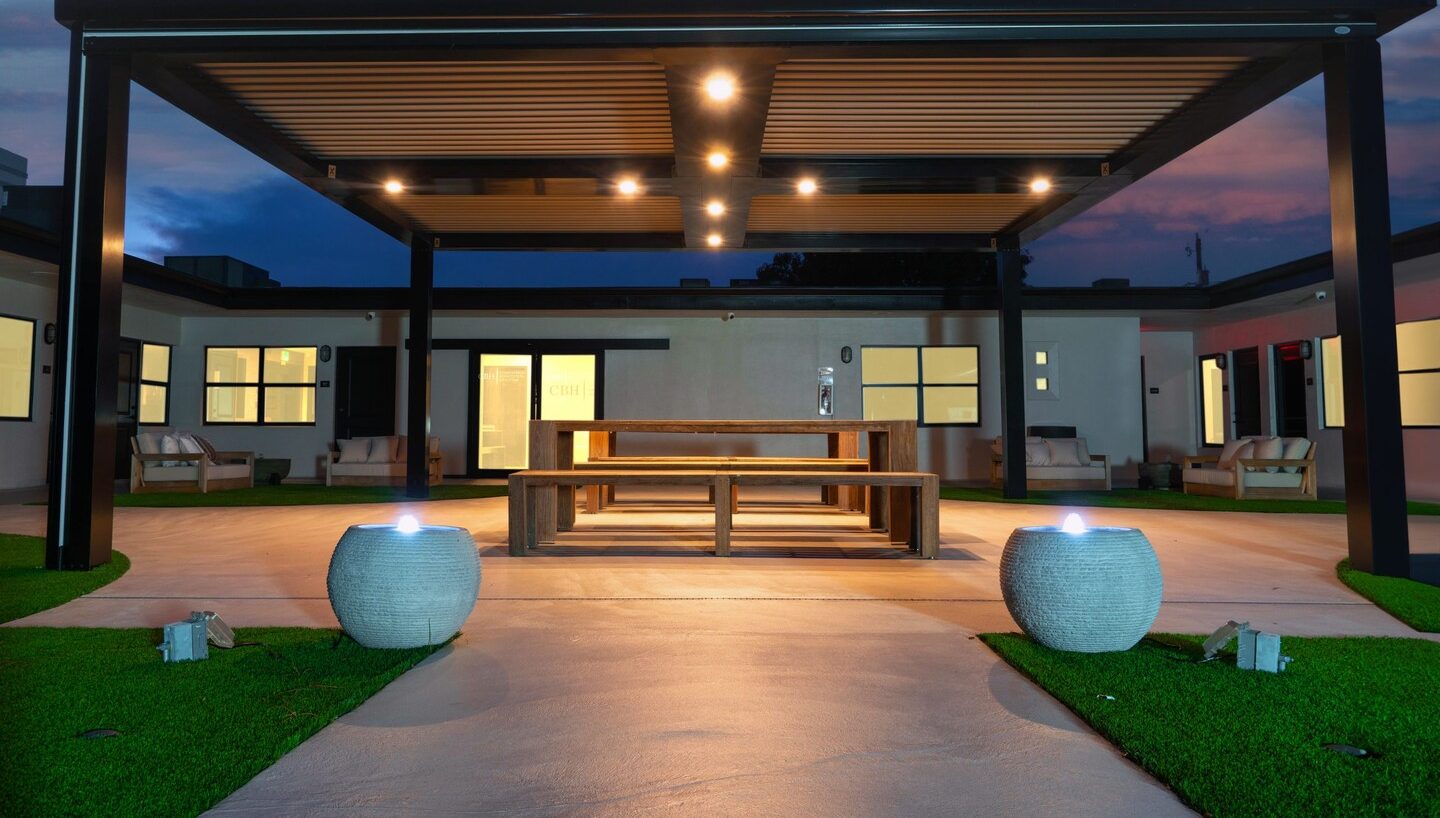
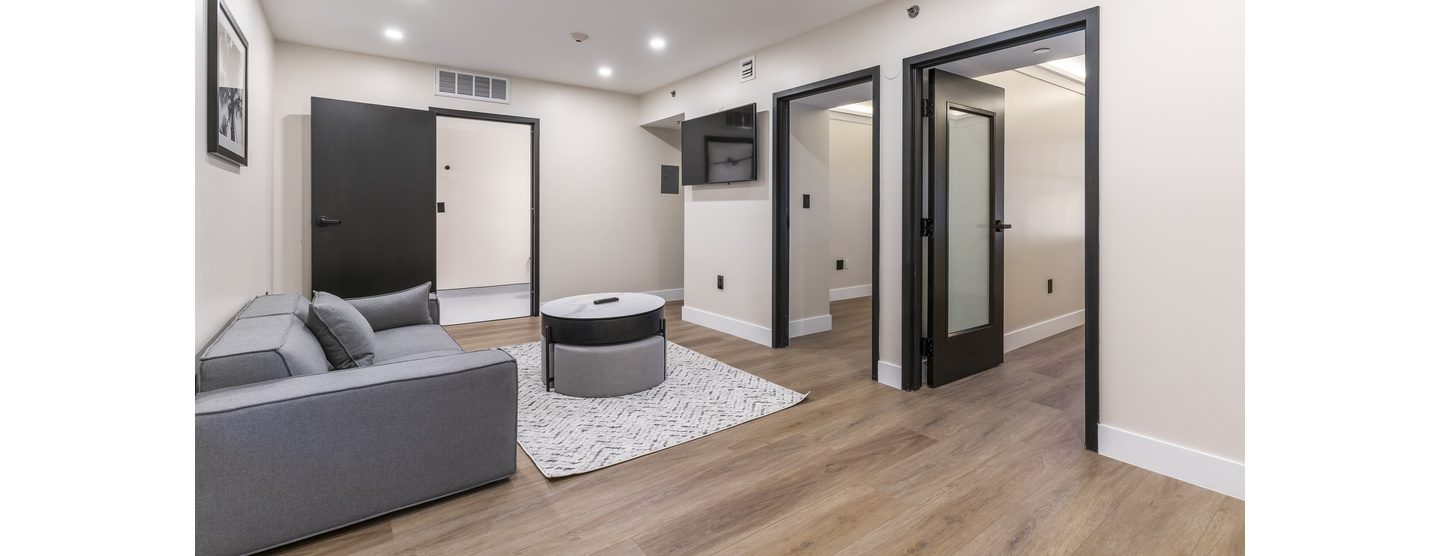
CBH offers the full continuum of care, residential treatment in Hollywood, PHP and IOP in Fort Lauderdale, within a 29-bed boutique program where caseloads are held to 8 to 10 clients per therapist. For people with schizoaffective disorder who have been through large institutional programs where they were a number, not a person, the CBH model is a fundamentally different clinical experience.
Call 844-503-0126 today. Our admissions team is available around the clock to answer your questions, review your insurance coverage, and help you understand what level of care is right for the specific clinical picture you are dealing with.
What Schizoaffective Disorder Actually Is & What It Is Not
Schizoaffective disorder is a chronic psychiatric condition that combines two sets of symptoms that are typically associated with separate diagnoses: the psychotic features of schizophrenia and the mood episodes of either major depressive disorder or bipolar disorder. It is not a mild version of either condition. It is a distinct diagnosis with its own clinical profile, its own pharmacological requirements, and its own long-term management challenges.
The condition affects approximately 0.3 percent of the population, roughly one in every 300 people, making it rarer than schizophrenia and significantly rarer than bipolar disorder or major depression. Because it is rare and because its symptoms overlap with multiple other diagnoses, it is consistently underrecognized and misdiagnosed. The DSM-5 diagnostic criteria require the presence of a major mood episode, either a major depressive episode or a manic episode, concurrent with symptoms that meet the criteria for schizophrenia, plus a period of at least two weeks during which psychotic symptoms persist in the absence of a mood episode. That final criterion sustained psychosis independent of the mood episode is what clinically distinguishes schizoaffective disorder from bipolar disorder with psychotic features.
Understanding this distinction is not academic. It is the clinical foundation upon which the entire treatment plan is built.
The Two Subtypes of Schizoaffective Disorder: Why They Require Different Treatment
Schizoaffective disorder is classified into two subtypes based on the type of mood episode that co-occurs with the psychotic symptoms. The distinction between subtypes has direct, significant pharmacological implications. Getting it wrong does not just produce suboptimal outcomes; in some cases, it produces clinical harm.
Depressive Type Schizoaffective Disorder
In the depressive type, the mood episodes are exclusively major depressive episodes. There are no manic or hypomanic episodes. The clinical picture involves psychotic symptoms, hallucinations, delusions, and disorganized thinking, occurring alongside periods of severe depression characterized by persistent low mood, loss of interest, disrupted sleep, appetite changes, hopelessness, and elevated suicide risk.
The medication approach for depressive type schizoaffective disorder typically combines an antipsychotic to manage the psychotic symptoms with an antidepressant to address the depressive episodes. Monitoring suicide risk is a central clinical priority throughout treatment for this subtype. The depressive episodes in schizoaffective disorder are not mild. They carry the full clinical severity of a major depressive episode, compounded by the disorienting and distressing experience of psychotic symptoms.
Bipolar Type Schizoaffective Disorder
In the bipolar type, the mood episodes include at least one manic episode, which may or may not be accompanied by depressive episodes as well. The clinical picture involves psychotic symptoms alongside periods of elevated, expansive, or irritable mood, decreased need for sleep, grandiosity, racing thoughts, impulsivity, and high-risk behavior.
The medication approach for bipolar type schizoaffective disorder typically combines an antipsychotic with a mood stabilizer, such as lithium or valproate. A critical clinical point: prescribing antidepressants in bipolar type schizoaffective disorder without adequate mood stabilization can precipitate manic episodes. This is exactly the kind of treatment error that occurs when the bipolar type is misidentified as the depressive type or as a unipolar condition. Accurate subtype identification at admission is a clinical necessity, not a procedural formality.
Why Schizoaffective Disorder Is So Frequently Misdiagnosed?
Schizoaffective disorder sits at the intersection of three well-recognized diagnostic categories, and its symptoms overlap significantly with all of them. Each of the following misdiagnosis patterns is clinically common, and each produces a treatment plan that fails the person receiving it in a specific, predictable way.
Misdiagnosed as Schizophrenia
When the psychotic symptoms are prominent, and the mood episodes are less obvious or occur less frequently, schizoaffective disorder is often diagnosed as schizophrenia. The treatment plan that follows focuses almost exclusively on antipsychotic medication with limited attention to the mood dimension. The mood episodes are undertreated or treated as secondary. Depressive episodes are misattributed to the negative symptoms of schizophrenia. The person cycles between partial stability and crisis without the underlying mood disorder receiving adequate clinical attention.
Misdiagnosed as Bipolar Disorder with Psychotic Features
When the mood episodes are prominent and the psychotic symptoms occur primarily during mood episodes, the disorder is often diagnosed as bipolar disorder with psychotic features. The critical diagnostic distinction, that schizoaffective disorder requires psychotic symptoms persisting for at least two weeks in the absence of a mood episode, is easily missed in a clinical evaluation that does not take a sufficiently detailed history. The treatment plan that follows may adequately manage the mood symptoms while underweighting the antipsychotic requirements for the sustained psychosis dimension.
Misdiagnosed as Major Depressive Disorder with Psychotic Features
In the depressive type, when manic or hypomanic episodes have never been observed, and the psychotic features appear to be features of the depression rather than independent, the diagnosis is frequently MDD with psychotic features. The treatment plan that follows may use antidepressants without adequate antipsychotic coverage, producing incomplete symptom resolution and potentially destabilizing the psychotic dimension.
At CBH, the differential diagnosis process is conducted by Dr. Daud with a comprehensive longitudinal history that specifically assesses the timing, duration, and independence of psychotic and mood symptoms. The goal is not to confirm a referring diagnosis but to arrive at the most clinically accurate picture before treatment begins.
Schizoaffective Disorder and Co-Occurring Conditions
Schizoaffective disorder rarely presents in clinical isolation. The complexity of the diagnosis is compounded by a high rate of co-occurring conditions that must each receive clinical attention for treatment to produce durable outcomes.
Schizoaffective Disorder and Substance Use
Substance use disorders co-occur with schizoaffective disorder at significantly elevated rates compared to the general population. Cannabis, alcohol, and stimulants are the most commonly used substances among people with schizoaffective disorder, with use patterns typically driven by a combination of symptom self-medication and impaired impulse control during mood or psychotic episodes. Cannabis use is particularly clinically concerning because THC can directly exacerbate psychotic symptoms and destabilize the mood dimension simultaneously. Stimulant use can precipitate manic episodes in the bipolar type.
CBH’s dual-diagnosis model treats schizoaffective disorder and substance use simultaneously from the first day of admission. The founding clinical premise, that mental health drives substance use, applies directly to schizoaffective disorder: the psychotic distress, the depressive episodes, and the manic impulsivity are all documented drivers of substance use in this population. Treating only the substance use without treating the psychiatric condition that is driving it produces predictable relapse.
Schizoaffective Disorder and Anxiety
Anxiety disorders co-occur with schizoaffective disorder at high rates. The anxiety may be a primary co-occurring condition, or it may be secondary to the distress of the psychotic and mood symptoms. Social anxiety is particularly common and contributes to the isolation that frequently accompanies schizoaffective disorder in the community. GAD-like worry and panic symptoms are also common. The anxiety dimension requires specific clinical attention alongside the psychiatric and mood management work.
Schizoaffective Disorder and Trauma
Trauma history is prevalent in people with schizoaffective disorder, and the relationship is bidirectional. Adverse childhood experiences and trauma are among the environmental risk factors for psychotic spectrum disorders. Conversely, the experience of acute psychosis, the terror of hallucinations, the confusion of delusions, the loss of reality contact, and involuntary hospitalization is itself traumatic. For clients whose schizoaffective disorder co-occurs with PTSD or significant trauma history, EMDR is available at the PHP and IOP levels at CBH when the clinical team has determined sufficient stabilization for trauma processing to begin safely.
Schizoaffective Disorder and Medical Comorbidities
Schizoaffective disorder, like schizophrenia, is associated with elevated rates of cardiovascular disease, metabolic syndrome, diabetes, and obesity. Some of these associations are driven by antipsychotic medication side effects, including weight gain and metabolic changes. Others are driven by lifestyle factors, such as reduced physical activity, poor nutrition, and smoking, that frequently accompany severe psychiatric illness in the community. CBH’s residential program includes structured physical fitness programming and nutritionist-guided meals that directly address the physical health dimension of treatment for this population.
How CBH Treats Schizoaffective Disorder: The Full Clinical Approach
Treatment for schizoaffective disorder at CBH is built around a three-track model that runs simultaneously from the first day of admission: psychiatric stabilization through expert medication management, psychosocial treatment through evidence-based therapeutic modalities, and dual-diagnosis support for co-occurring substance use where present. No track is primary. All three are clinical necessities.
Comprehensive Differential Psychiatric Evaluation
Every client admitted to CBH receives a comprehensive psychiatric evaluation that does not assume the accuracy of referring diagnoses. For schizoaffective disorder specifically, the evaluation assesses the full history of psychotic symptoms, mood episodes, the temporal relationship between them, prior medication trials and responses, substance use history, and family psychiatric history. Dr. Daud’s dual specialization in psychiatry and addiction psychiatry makes CBH’s evaluation particularly well-suited to the differential diagnosis complexity that schizoaffective disorder presents.
Expert Polypharmacy Management
Schizoaffective disorder requires a medication regimen that addresses two distinct symptom domains simultaneously: the antipsychotic for the psychotic symptoms and either a mood stabilizer or antidepressant for the mood dimension, depending on the confirmed subtype. Managing this polypharmacy requires psychiatric expertise, close clinical monitoring, and the capacity to adjust the regimen as the clinical picture evolves. The residential setting is optimal for medication optimization because the clinical team can observe the client’s response daily and make adjustments in real time rather than at monthly outpatient appointments.
GeneSight Genetic Testing for Medication Optimization
Schizoaffective disorder is one of the diagnoses most likely to benefit from GeneSight genetic testing. The medication complexity is high: choosing the right antipsychotic, the right mood agent, and the right dose combination typically involves significant trial-and-error in standard practice. GeneSight analyzes how the client’s specific genetic profile affects their metabolism of antipsychotics, mood stabilizers, and antidepressants, identifying why prior medications may have been ineffective or poorly tolerated and guiding a more targeted prescribing approach. For clients who have been through multiple failed medication regimens before arriving at CBH, GeneSight frequently represents a genuine clinical inflection point.
Cognitive Behavioral Therapy Adapted for Psychosis (CBTp)
CBTp is one of the most evidence-supported psychosocial interventions for psychotic spectrum disorders. For schizoaffective disorder, CBTp helps clients develop a more adaptive relationship with their psychotic symptoms, examine the evidence for delusional beliefs in a structured, non-confrontational way, develop personalized coping strategies for managing distressing hallucinations, and build the insight and self-awareness that support long-term illness management. CBTp also addresses the depressive cognitions that accompany the mood dimension of schizoaffective disorder, creating an integrated approach to the full symptom picture.
Dialectical Behavior Therapy (DBT)
DBT is particularly relevant for clients with schizoaffective disorder whose illness is accompanied by emotional dysregulation, impulsive behavior during mood episodes, self-harm history, or interpersonal instability. The distress tolerance, emotional regulation, and interpersonal effectiveness skills in DBT directly address the daily functional challenges of living with a condition that produces both psychotic disruption and mood instability. The mindfulness component of DBT also builds the observational capacity that supports CBTp work.
Neurofeedback
Neurofeedback uses real-time EEG monitoring of brain activity to help clients train their nervous systems toward healthier patterns of arousal, attention, and regulation. For schizoaffective disorder, the cognitive symptoms, impaired attention, working memory difficulties, processing speed deficits, and the anxiety and arousal associated with both psychotic and depressive episodes can be directly targeted through neurofeedback. CBH’s neurofeedback therapist, Tharlene, has performed an extensive number of sessions across the full clinical population and has specific experience with psychotic spectrum presentations.
Family Therapy and Family Psychoeducation
The family environment is a direct predictor of long-term outcomes in schizoaffective disorder, as it is in schizophrenia. High expressed emotion, criticism, hostility, and emotional overinvolvement in the family environment is one of the strongest documented predictors of relapse in psychotic spectrum disorders. CBH’s family therapy and psychoeducation program begins at the PHP level and addresses the communication patterns, realistic expectations, crisis planning, and practical support skills that the families of people with schizoaffective disorder need. Family psychoeducation specifically covers the illness model, medication rationale, subtype-specific features, early warning signs of relapse, and how to provide support without enabling symptom maintenance or increasing expressed emotion.
EMDR for Trauma-Related Symptoms
For clients with schizoaffective disorder whose psychiatric history includes significant trauma, whether predating the illness or resulting from acute psychotic episodes and hospitalizations, EMDR is available at the PHP and IOP levels. Trauma processing is introduced only when the clinical team has established psychiatric stability and confirmed that the client has the distress tolerance capacity to engage safely.
Group Therapy and Psychoeducation
Group therapy and structured psychoeducation are components of treatment at every level of care at CBH. For schizoaffective disorder, psychoeducation about the illness, its neurological basis, the role of each medication in the regimen, early warning signs of psychotic and mood episodes, and long-term management strategies is a critical component of treatment that directly reduces relapse rates. CBH’s small group sizes produce a more intimate, therapeutically meaningful group experience than the larger facility groups that many schizoaffective disorder clients have experienced previously.
Schizoaffective Disorder Treatment Across the Full Continuum of Care
Schizoaffective disorder is a chronic condition that requires sustained treatment and support. The appropriate level of care depends on the severity of current symptoms, the stability of the medication regimen, and the presence of co-occurring conditions. CBH offers the full continuum with a single consistent clinical philosophy at every level.
Residential Treatment Hollywood, FL
For clients in active psychotic or mood episodes, clients with recently initiated or significantly changed medication regimens, or clients with co-occurring substance use requiring medical management, CBH’s 29-bed residential program provides the clinical structure, psychiatric oversight, and physical safety that acute schizoaffective disorder requires. 24/7 staff availability, daily psychiatric access, medication observation, and immediate clinical response to symptom escalation are the standard of care in the residential setting.
Caseloads are held to 8 to 10 clients per therapist. The Clinical Director knows every client by name. For people with schizoaffective disorder who have experienced large, anonymous institutional settings where continuity of care was impossible and clinical relationships were superficial, the CBH residential environment represents a fundamentally different clinical experience. The intimate scale is not a boutique amenity. It is a clinical feature that enables the close observation and relational continuity that psychiatric stabilization for this population requires.
Partial Hospitalization Program (PHP) Fort Lauderdale, FL
PHP provides a minimum of 20 hours of structured treatment per week while clients live in supervised housing. At the PHP level, psychiatric stabilization deepens, medication regimens are refined based on clinical response, and the psychosocial treatment work intensifies. Family therapy and family psychoeducation begin at PHP. EMDR becomes available for clients with trauma histories when clinical readiness is established. Community reintegration begins, with clients practicing illness management skills in incrementally more complex real-world contexts.
Intensive Outpatient Program (IOP) Fort Lauderdale, FL
IOP provides at least 12 hours of structured treatment per week while clients rebuild independence and community functioning. The focus at the IOP level shifts toward long-term illness management: relapse prevention planning, vocational and social functioning, medication adherence support, crisis planning, and the development of the community supports and clinical relationships that will sustain the person through the long-term management of a chronic psychiatric condition.
Safety and Suicide Risk: What CBH Offers for a High-Risk Diagnosis
Schizoaffective disorder carries a substantially elevated suicide risk. Research estimates that approximately 5 percent of people with schizoaffective disorder die by suicide, and suicide attempt rates are significantly higher. The risk is elevated by the combination of psychotic distress, depressive hopelessness, impulsive behavior during mood episodes, and the demoralizing experience of a chronic illness that has frequently been misunderstood or inadequately treated.
For families evaluating residential treatment programs, the clinical capacity to manage suicide risk is a primary evaluation criterion. CBH’s residential program provides 24/7 clinical staff oversight, immediate psychiatric access, a structured therapeutic environment that removes clients from external risk factors, and a clinical team that is trained in crisis assessment and de-escalation. Risk assessment is a component of the daily clinical picture, not a reactive measure triggered by a visible crisis.
If the person you are concerned about is expressing suicidal ideation or is in acute crisis, call 844-503-0126 immediately. Our admissions team can walk you through the immediate next steps, including whether a direct admission or a higher level of crisis care is the appropriate first response.
What Makes CBH Different for Schizoaffective Disorder Treatment in Florida
- Board-certified psychiatrist with dual specialization in psychiatry and addiction psychiatry, conducting differential diagnosis at admission critical for a condition this frequently misdiagnosed
- GeneSight genetic testing for polypharmacy optimization directly relevant to schizoaffective disorder’s complex, multi-medication treatment requirements
- Accurate subtype differentiation (depressive vs. bipolar type) from the first evaluation, with treatment plans built around the confirmed subtype rather than a generic schizoaffective protocol
- 24/7 clinical staff oversight in residential. Essential for a diagnosis with elevated suicide risk and unpredictable mood and psychotic episode patterns
- Dual-diagnosis model treating co-occurring substance use simultaneously from day one not sequentially and not as a separate program
- CBTp-informed individual therapy addressing both the psychotic and mood dimensions of the condition
- Neurofeedback for cognitive symptom management and arousal regulation
- Family therapy and family psychoeducation beginning at PHP addressing the expressed emotion dynamic that directly predicts relapse
- EMDR for clients with trauma-related symptoms at PHP and IOP levels
- 29-bed intimate residential program clinical director knows every client by name, caseloads held to 8 to 10 clients per therapist
- Full continuum from residential through IOP one clinical team, one psychiatrist, one treatment philosophy
- Joint Commission accredited, NAMI affiliated, AHCA, and DCF licensed
- 633+ Google reviews across both locations
A Direct Word for Families: What to Do When the Diagnosis Finally Makes Sense and Everything Prior Did Not
If you are a parent, partner, sibling, or adult child who has been watching someone you love cycle through hospitalizations, medication changes, and program after program without finding stable ground, and a diagnosis of schizoaffective disorder has finally been put on the table, or if you are questioning whether that diagnosis is correct, this section is for you.
Schizoaffective disorder is difficult to diagnose accurately, difficult to treat without psychiatric expertise, and difficult to explain to the family members who are living alongside it. The cycling between psychotic episodes, depressive crashes, and, in the bipolar type, manic periods that feel like a completely different person has a clinical name. It is not random. It is not a failure of the person experiencing it. It is a specific psychiatric condition with a documented treatment approach that can produce meaningful stability with the right clinical team.
CBH’s admissions team works directly with families through the entire process. We explain the clinical picture honestly. We explain what the differential diagnosis process involves and why it matters. We help navigate insurance authorization. We provide guidance on what to expect in residential treatment and how to prepare for the family therapy work that begins at the PHP level. You do not have to understand this diagnosis alone before you call.
Call 844-503-0126 now. If the situation is acute, we will walk you through the immediate next steps. If you are earlier in the process and trying to understand your options, we will give you an honest clinical assessment of what level of care is appropriate. We are available around the clock.
Frequently Asked Questions About Schizoaffective Disorder Treatment
What is the Difference between Schizoaffective Disorder and Schizophrenia?
The key clinical distinction is mood episodes. Schizophrenia is characterized primarily by psychotic symptoms, hallucinations, delusions, disorganized thinking, with emotional flatness or social withdrawal, but without the distinct, prominent mood episodes that define schizoaffective disorder. In schizoaffective disorder, a major mood episode, either a major depressive episode or a manic episode, is a required feature of the diagnosis, and psychotic symptoms must also persist for at least two weeks in the absence of a mood episode. The two conditions have different medication requirements: schizoaffective disorder typically requires both an antipsychotic and a mood agent, while schizophrenia is primarily managed with antipsychotics.
What is the Difference between Schizoaffective Disorder and Bipolar Disorder?
Both conditions can involve psychotic features during mood episodes. The critical difference is the persistence of psychosis. In bipolar disorder with psychotic features, hallucinations and delusions occur only during mood episodes they resolve when the mood episode resolves. In schizoaffective disorder, psychotic symptoms must be present for at least two weeks independently of any mood episode. This sustained psychosis outside of mood episodes is the defining diagnostic criterion that separates schizoaffective disorder from bipolar disorder. The distinction matters because schizoaffective disorder requires ongoing antipsychotic medication management even during mood-stable periods, which is typically not required in bipolar disorder.
Is Schizoaffective Disorder Treatable?
Yes. Schizoaffective disorder is a chronic condition that cannot be cured, but with the right combination of antipsychotic medication, mood stabilizing or antidepressant medication, and sustained psychosocial support, many people with schizoaffective disorder achieve significant symptom reduction and functional stability. The most critical factors predicting good long-term outcomes are accurate diagnosis, appropriate polypharmacy management, medication adherence, family support that reduces expressed emotion, and sustained engagement with a clinical team that understands the illness. CBH’s treatment model is specifically designed to support all of these factors.
What Medications are used to treat Schizoaffective Disorder?
Treatment typically involves a combination of medications targeting both the psychotic and mood dimensions of the disorder. Antipsychotic medications, including second-generation antipsychotics such as risperidone, olanzapine, quetiapine, aripiprazole, and paliperidone, are used to manage hallucinations, delusions, and disorganized thinking. Paliperidone is currently the only FDA-approved medication specifically for schizoaffective disorder. For the depressive type, an antidepressant typically an SSRI is added alongside the antipsychotic. For the bipolar type, a mood stabilizer such as lithium or valproate is added. Prescribing antidepressants in the bipolar type without adequate mood stabilization carries the risk of precipitating mania and is a significant reason why accurate subtype identification at diagnosis is clinically critical.
Why is Schizoaffective Disorder so often misdiagnosed?
Schizoaffective disorder is misdiagnosed primarily because its symptoms significantly overlap with three other common diagnoses schizophrenia, bipolar disorder, and major depressive disorder with psychotic features. The diagnostic criteria require careful assessment of the timing and duration of psychotic symptoms relative to mood episodes, which requires a thorough longitudinal psychiatric history. Many clinical settings do not have the time or the psychiatric expertise to conduct this level of differential evaluation at initial presentation. CBH’s comprehensive differential psychiatric evaluation at admission, conducted by a board-certified psychiatrist with dual specialization, is specifically designed to address this diagnostic gap.
How long does Schizoaffective Disorder Treatment take?
Schizoaffective disorder is a lifelong condition requiring long-term management. Acute stabilization in CBH’s residential program typically spans 25 to 45 days. PHP follows for approximately 45 days. IOP follows for approximately two months. The end of formal treatment programming marks the beginning of long-term outpatient psychiatric care and community support, not the end of treatment. CBH’s goal is to achieve durable psychiatric stabilization and equip clients with the medication regimen, relapse prevention plan, family support structure, and clinical relationships that will sustain them through the long-term management of a chronic condition.
Does Insurance Cover Schizoaffective Disorder Treatment?
CBH is in-network with Aetna, Blue Cross Blue Shield, Cigna, Optum, Curative, TRICARE East, and the VA. Most commercial insurance plans cover residential and outpatient psychiatric treatment for schizoaffective disorder under federal mental health parity laws. Call 844-503-0126, and our admissions team will verify your benefits at no cost before you make any decisions. We will explain exactly what is covered, what is not, and what the out-of-pocket costs look like for your specific plan.
What is the Suicide Risk with Schizoaffective Disorder, and how does CBH manage it?
Schizoaffective disorder carries a substantially elevated suicide risk, driven by the combination of psychotic distress, depressive hopelessness, and impulsive behavior during mood episodes. Research indicates approximately 5 percent of people with schizoaffective disorder die by suicide, with significantly higher rates of suicide attempts. CBH’s residential program provides 24/7 clinical staff oversight, immediate psychiatric access, and a structured therapeutic environment that removes clients from external risk factors during the acute treatment phase. Risk assessment is integrated into the daily clinical picture. If you are concerned about someone in acute crisis, call 844-503-0126 immediately, and our team will walk you through the appropriate next steps.
The Right Diagnosis Changes Everything. So Does the Right Program.
If there is one thing the clinical history of schizoaffective disorder teaches, it is this: the gap between accurate diagnosis and the nearest misdiagnosis is the gap between a treatment plan that works and a decade of plans that do not. The condition is treatable. Stability is achievable. But it requires a psychiatric team that has the expertise to get the diagnosis right and the clinical structure to build the right treatment plan on top of it.
At Compassion Behavioral Health, that is where we start. Not with the referring diagnosis. With our own comprehensive differential evaluation. And from there, with a treatment plan that addresses both the psychotic dimension and the mood dimension, the subtype-specific medication requirements, the co-occurring conditions, and the family environment, it will determine whether gains made in treatment are sustained after discharge.
29 beds. 8 to 10 clients per therapist. A board-certified psychiatrist with dual specialization. GeneSight genetic testing when medication trials have failed before. A Clinical Director who knows every client by name. And a dual-diagnosis model for the significant proportion of clients whose schizoaffective disorder is entangled with substance use.
Call 844-503-0126 now. Around the clock. Benefits verified before any decisions are made. No pressure. Just an honest clinical conversation about what you or your loved one is dealing with and what treatment can realistically look like. Stories change here.
