




































Anxiety is the most common mental health condition in the United States. It is also one of the most undertreated, because so many people living with it have learned to function around it rather than through it. They manage. They push. They white-knuckle their way through the days that feel impossible, and they tell themselves it is just stress. That it will pass. That other people have it worse.
For the 40 million Americans living with an anxiety disorder, it does not just pass. It accumulates. It narrows the life. It drives avoidance. It fuels the drinking that takes the edge off or the pills that make it bearable. And it keeps going until it is treated at its actual root, not just managed at its surface.
At Compassion Behavioral Health, anxiety is treated as the primary mental health condition it is. Not a secondary issue. Not a background complaint. The primary driver of the distress that brought you or your loved one to this page. Our clients have experienced a 167% improvement in anxiety outcomes, verified by third-party clinical research firm Greenspace Health across more than 1,000 patient surveys. That is not generic language about compassionate care. It is a verified clinical result.
If you are ready to address anxiety at the level it deserves, call 844-503-0126. Our admissions team is available around the clock to listen, answer your questions honestly, and help you understand what level of care is right for your situation.
What Anxiety Disorder Actually Is & Why It Does Not Go Away On Its Own
Everyone experiences anxiety. It is a normal, functional emotion that evolved to protect us from threats. The problem is not feeling anxious. The problem is when the threat-detection system does not turn off. When the alarm keeps sounding in the absence of real danger. When the anxiety is proportional not to the situation but to an internal forecast of catastrophe that the person cannot control.
An anxiety disorder is a clinical condition, not a personality trait or a failure of mental toughness. It involves a nervous system that has been trained, through a combination of biology, experience, and sometimes trauma, to perceive threat in objectively safe situations. The anxiety is real. The physiological experience of the racing heart, the tight chest, the inability to think clearly, and the sleepless nights is real. The disorder is in the dysregulation of the system, not in the weakness of the person experiencing it.
Anxiety disorders do not resolve through willpower, positive thinking, or waiting them out. Without clinical intervention that addresses the underlying dysregulation, not just the surface symptoms, anxiety tends to deepen over time. The avoidance behaviors that reduce anxiety in the short term systematically confirm to the nervous system that the avoided situation was genuinely dangerous, reinforcing the cycle. This is precisely why evidence-based treatment that directly disrupts the avoidance cycle produces better outcomes than supportive counseling alone.
Types of Anxiety Disorders CBH Treats
Anxiety is not a single presentation. It organizes into distinct subtypes that differ in their triggers, symptoms, and the most effective clinical approaches. CBH evaluates and treats the full spectrum. Understanding which type of anxiety a client is experiencing shapes every element of the treatment plan.
Generalized Anxiety Disorder (GAD)
Persistent, excessive worry about a broad range of everyday situations work performance, finances, health, relationships, the future. The worry in GAD is difficult or impossible to control and is accompanied by physical symptoms, including muscle tension, fatigue, difficulty concentrating, irritability, and sleep disruption. GAD is the anxiety diagnosis most likely to be dismissed as ‘just being a worrier.’ It is not. It is a chronic condition that significantly impairs functioning and quality of life, and it responds well to structured clinical treatment.
Panic Disorder
Recurrent, unexpected panic attacks sudden surges of intense fear accompanied by physical symptoms including racing heart, chest pain, shortness of breath, dizziness, numbness, and a sense of impending doom or loss of control. The experience of a panic attack is frequently mistaken for a heart attack or other medical emergency. What sustains panic disorder is not the panic attacks themselves but the anticipatory anxiety about having another one and the progressive avoidance of situations where attacks have occurred or might occur.
Social Anxiety Disorder (SAD)
Intense fear of social situations in which the person might be scrutinized, evaluated, or humiliated. Social anxiety is far more than shyness. It is a clinically significant fear that causes people to avoid or endure situations with extreme distress, including speaking in groups, eating in front of others, meeting new people, or any situation where their performance might be judged. Social anxiety disorder profoundly limits professional advancement, relationships, and quality of life, and it frequently goes untreated because avoidance makes the anxiety temporarily manageable.
Generalized Health Anxiety (Health OCD / Illness Anxiety Disorder)
Persistent preoccupation with having or developing a serious illness, despite repeated medical reassurance. Health anxiety involves excessive checking of the body for symptoms, compulsive medical research, frequent medical appointments, and a cycle of reassurance-seeking that provides temporary relief followed by the return of anxiety. Health anxiety has significantly increased in prevalence since 2020. It sits at the intersection of anxiety and OCD-spectrum presentations and requires clinical approaches tailored to both dimensions.
High-Functioning Anxiety
High-functioning anxiety is not a formal DSM-5 diagnosis, but it is a clinically real and increasingly searched experience. People with high-functioning anxiety often appear to be performing well externally, with a successful career, active social life, and high achievement, while managing relentless internal anxiety, perfectionism, overworking, difficulty relaxing, fear of failure, and physical symptoms they have normalized over the years. They rarely identify as having an anxiety disorder because the anxiety appears to be working for them. It is not. It is eroding them from the inside, and the collapse, when it comes, is often sudden and severe. CBH’s boutique, intimate treatment environment is particularly well-suited to this population.
Post-Traumatic Stress Disorder (PTSD) with Anxiety Features
PTSD and anxiety disorders frequently co-occur and overlap in presentation. Hypervigilance, hyperarousal, avoidance, and anticipatory anxiety are features of both. For clients whose anxiety is rooted in traumatic experience, whether acute trauma or chronic, repeated adverse events, addressing the trauma is a prerequisite for meaningful anxiety resolution. CBH’s EMDR and trauma-focused clinical approach is specifically relevant for this intersection. Please see CBH’s dedicated PTSD treatment page for the full clinical picture.
Separation Anxiety Disorder
Separation anxiety in adults is more prevalent than commonly recognized. It involves excessive fear or anxiety about separation from attachment figures most commonly a partner, parent, or child that is disproportionate to the situation and causes significant impairment. It frequently co-occurs with GAD, social anxiety, and depression.
The Hidden Driver: When Anxiety Is What Is Really Going On
At CBH, we have built our entire clinical model around a single foundational observation: mental health conditions are most often what drive the behavioral problems, substance use, and relational breakdown that bring people into treatment. Anxiety is one of the clearest illustrations of this principle.
Consider the person who has been drinking every evening for five years to take the edge off. The clinical picture that presents looks like alcohol use disorder. But the edge that needs to be taken off is an anxiety disorder that has never been properly treated. The alcohol is a solution, not the problem. Treating only the alcohol use without treating the anxiety that is driving it produces predictable results: temporary sobriety followed by relapse when the anxiety resurfaces without its regulator.
Or consider the person who has been prescribed benzodiazepines for years and has now developed a physical dependence. The original prescription was for anxiety. The anxiety is still there. The benzodiazepines have created their own clinical problem on top of it. Without addressing the anxiety at its root, removing the benzodiazepines leaves the person in a more vulnerable state than they started from.
CBH treats anxiety as the root. That is not a philosophy statement. It is a clinical practice that shapes every element of how treatment is delivered from the first day of admission.
Anxiety and Co-Occurring Conditions
Anxiety disorders have among the highest co-occurrence rates of any mental health diagnosis. Understanding what is co-occurring with anxiety is essential because treating anxiety in isolation while leaving co-occurring conditions unaddressed consistently produces incomplete results.
Anxiety and Depression
Anxiety and depression co-occur in approximately 50 percent of clinical presentations. The relationship is bidirectional: chronic anxiety depletes the nervous system’s regulatory capacity, producing depressive symptoms, and depression generates hopelessness about the future that amplifies anxious forecasting. CBH’s integrated treatment model addresses both simultaneously, recognizing that treating only one when both are present is clinically insufficient.
Anxiety and Alcohol Use Disorder
Alcohol is the most commonly used substance for anxiety self-medication. It is acutely effective: alcohol activates GABA receptors and suppresses the central nervous system, producing the same calming effect that anti-anxiety medications aim for. The problem is that alcohol also disrupts REM sleep, increases baseline cortisol, and worsens anxiety between drinking episodes. Over time, the person requires more alcohol to achieve the same relief, and the anxiety in the absence of alcohol becomes more severe than the original anxiety the drinking was meant to manage.
Anxiety and Benzodiazepine Dependence
Benzodiazepines are appropriately prescribed for acute anxiety management but are associated with significant physical dependence with extended use. Many people enter treatment with both a clinically significant anxiety disorder and a benzodiazepine dependence that developed from treating that anxiety. Both conditions require simultaneous, expert clinical management. CBH’s medical detox program, overseen by a board-certified physician, provides the supervised withdrawal management that benzodiazepine dependence requires as the foundation for anxiety treatment.
Anxiety and Cannabis Use
Cannabis is widely perceived as an anxiety reducer, and many people begin using it for exactly that reason. The acute effect of cannabis on anxiety is complex and dose-dependent. While low doses of CBD may reduce acute anxiety in some individuals, regular THC use is associated with increased baseline anxiety, heightened sensitivity to anxious thoughts, and, in predisposed individuals, the precipitation of panic attacks or psychotic features. Clients presenting with anxiety and cannabis use disorder require a clinical assessment of how the cannabis use is interacting with the underlying anxiety before a treatment plan can be designed.
Anxiety and PTSD
PTSD and anxiety disorders share neurological pathways and clinical features, including hyperarousal, avoidance, and hypervigilance. Many clients whose primary experience is overwhelming anxiety have a trauma history that is directly driving the dysregulation. For these clients, anxiety-focused CBT alone produces limited results because the underlying trauma remains unprocessed. CBH’s EMDR program is specifically relevant for clients at the intersection of anxiety and trauma.
Anxiety and OCD
OCD is classified separately from anxiety disorders in the DSM-5 but shares the anxiety-avoidance cycle as its core mechanism. Many clients who present with severe anxiety have significant OCD features, including intrusive thoughts and compulsive behaviors. The clinical distinction matters for treatment planning because ERP is indicated for OCD features, while standard CBT and exposure work are indicated for anxiety. CBH’s clinical team is trained to assess and address both.
How CBH Treats Anxiety: The Evidence-Based Approach
Anxiety treatment at CBH is not a generic protocol applied uniformly. Every client begins with a comprehensive psychiatric evaluation that maps the specific anxiety presentation, identifies co-occurring conditions, reviews medication history, and establishes a treatment plan that addresses the actual clinical picture rather than a generalized anxiety diagnosis. Treatment then proceeds across the full evidence-based toolkit.
Cognitive Behavioral Therapy (CBT)
CBT is the gold-standard psychological treatment for anxiety disorders, supported by decades of randomized controlled trial evidence across every anxiety subtype. CBT for anxiety works by identifying the cognitive distortions that fuel anxious thinking, catastrophizing, overestimation of threat, underestimation of coping ability, and restructuring them through structured, guided challenge. CBT also includes behavioral components: graduated exposure to feared situations or stimuli that systematically disconfirm the anxious prediction and reduce avoidance.
At CBH, CBT is delivered in individual therapy sessions by licensed clinicians and is complemented by group therapy that provides real-world social exposure practice in a clinically supported environment.
Dialectical Behavior Therapy (DBT)
DBT is particularly effective for clients whose anxiety is accompanied by emotional dysregulation, impulsivity, or intense interpersonal reactivity. The distress tolerance, mindfulness, and emotional regulation skills in DBT address the moment-to-moment experience of anxiety in ways that complement the cognitive restructuring of CBT. For clients with high-functioning anxiety who have never developed effective skills for tolerating distress without avoidance or behavioral compensation, DBT provides a structured skills curriculum that fills that gap directly.
Exposure Therapy
Exposure therapy is a specific behavioral intervention that involves systematic, graduated, clinician-guided exposure to the stimuli, situations, or thoughts that trigger anxiety without the avoidance response that normally follows. Avoidance is what maintains anxiety disorders. Every time a person avoids a feared situation, they receive temporary relief that reinforces the brain’s association between that situation and genuine danger. Exposure therapy interrupts this cycle by demonstrating through direct experience that the feared outcome does not materialize and that the anxiety response, when not acted upon, will naturally decrease. The residential and PHP structure at CBH provides an ideal setting for graduated exposure work because the clinical team is present to support the process in real time.
EMDR for Trauma-Driven Anxiety
For clients whose anxiety is rooted in trauma, whether acute single-incident trauma or a prolonged history of adverse experiences, EMDR directly targets the unprocessed traumatic memories that are maintaining the nervous system in a state of chronic hyperarousal. EMDR is available at the PHP and IOP levels at CBH. It is introduced when the clinical team has established that the client has the stabilization and distress tolerance capacity to engage with it safely and effectively.
Neurofeedback
Neurofeedback is one of CBH’s most clinically differentiating services for anxiety treatment and one of the most underutilized tools in behavioral health more broadly. It uses real-time monitoring of brain electrical activity, specifically EEG, to help clients train their nervous systems toward healthier patterns of arousal and regulation. For anxiety specifically, neurofeedback targets the hyperarousal and hypervigilance that characterize most anxiety presentations by directly addressing the dysregulated neural patterns underlying the symptom experience.
The clinical advantage of neurofeedback for anxiety is that it works at the physiological level rather than the cognitive level. Clients who have done years of CBT and understand intellectually that their anxious thoughts are distorted but cannot stop experiencing the physical anxiety response are often the clients who respond most significantly to neurofeedback. CBH’s neurofeedback therapist, Tharlene, has delivered extensive sessions across the full client population and is specifically experienced with anxiety presentations.
Medication Management
SSRIs and SNRIs are the primary pharmacological interventions for anxiety disorders and are often a valuable component of comprehensive treatment. Buspirone, beta-blockers, and other non-benzodiazepine anxiolytics may also be used depending on the presentation. For clients with benzodiazepine dependence, the medical team manages a carefully supervised taper alongside the introduction of longer-term pharmacological support.
For clients who have not responded to prior anxiety medication trials, GeneSight genetic testing can identify how their specific genetic profile affects their metabolism of psychiatric medications, guiding a more targeted prescribing approach and reducing the trial-and-error that frustrates so many people with treatment-resistant anxiety.
Mindfulness-Based Approaches
Mindfulness-based interventions are integrated throughout CBH’s treatment programming at every level of care. For anxiety specifically, mindfulness builds the capacity to observe anxious thoughts and physical sensations without immediately reacting to them a foundational skill that supports every other anxiety intervention. Clients who develop a consistent mindfulness practice typically report reduced anxiety intensity and increased response flexibility over time.
Group Therapy
Group therapy is delivered daily across all levels of care at CBH. For anxiety clients, group therapy provides structured social exposure practice in a clinically supported environment directly addressing the avoidance and social anxiety components that frequently accompany anxiety disorders. It also provides peer normalization: hearing others describe the same internal experience reduces the shame and isolation that anxiety often generates. CBH’s small group sizes, a product of the boutique 29-bed residential program, make group therapy sessions more intimate and therapeutically meaningful than at larger facilities.
Canine Assisted Therapy (CAT)
CBH’s Canine Assisted Therapy program runs twice per week in the residential setting. For anxiety clients, the physiological regulation that occurs during interaction with animals reduced cortisol, activation of the parasympathetic nervous system, and increased oxytocin has direct clinical value for nervous systems that have been locked in a chronic state of arousal. CAT is not a soft amenity. For clients with severe anxiety, it is often the first experience of genuine, uncomplicated relaxation in years.
Anxiety Treatment Across the Full Continuum of Care
Not every person with an anxiety disorder requires residential treatment. But for those whose anxiety has reached a level of clinical severity that outpatient therapy has not been able to adequately address whose anxiety is driving substance use, causing functional impairment at work or in relationships, producing daily panic attacks, or has been undertreated for years a higher level of structured care is not an overreaction. It is clinically appropriate.
Medical Detox Hollywood, FL
For clients whose anxiety has been managed with alcohol, benzodiazepines, or other substances that produce physical dependence, medical detox is the essential first step. CBH’s 24/7 medically supervised detox program, overseen by a board-certified physician, manages the withdrawal process safely while beginning the clinical preparation for anxiety treatment. Anxiety symptoms frequently intensify during detox from benzodiazepines or alcohol, a predictable neurological rebound that requires expert medical management, not premature reassurance.
Residential Treatment Hollywood, FL
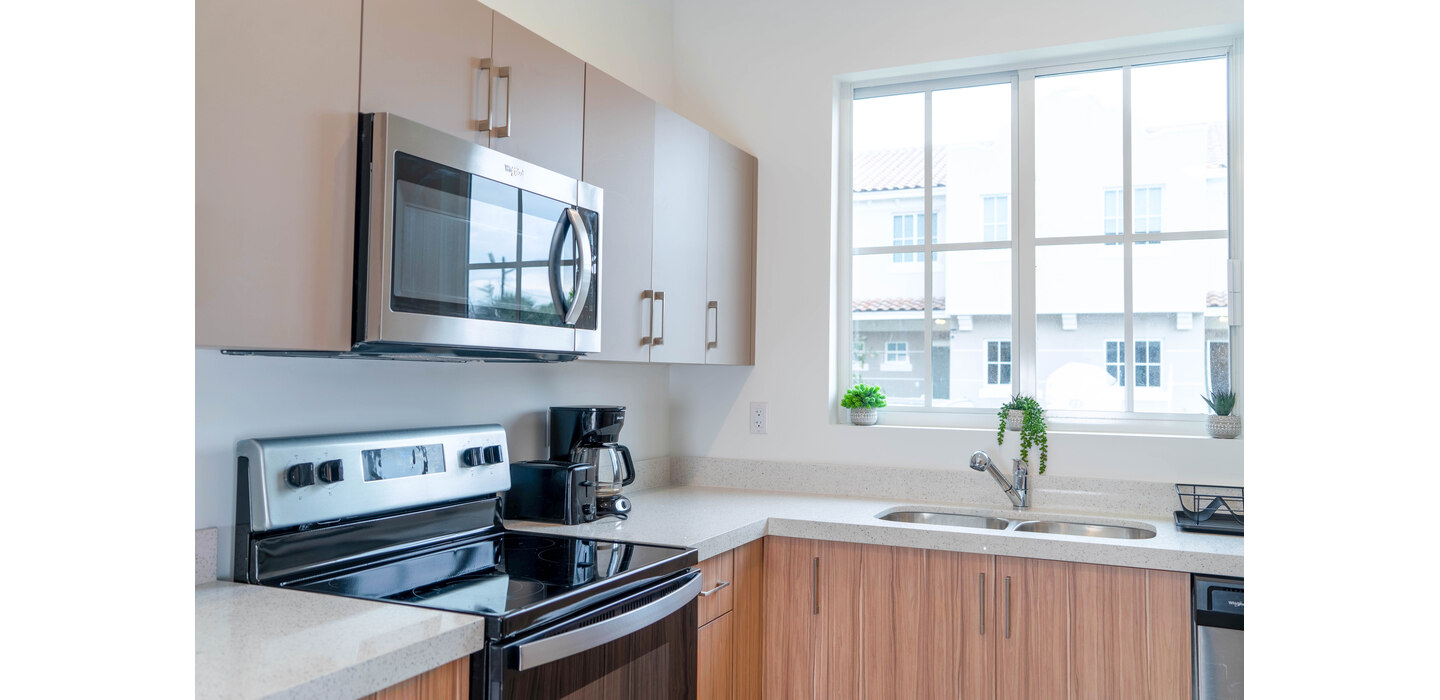
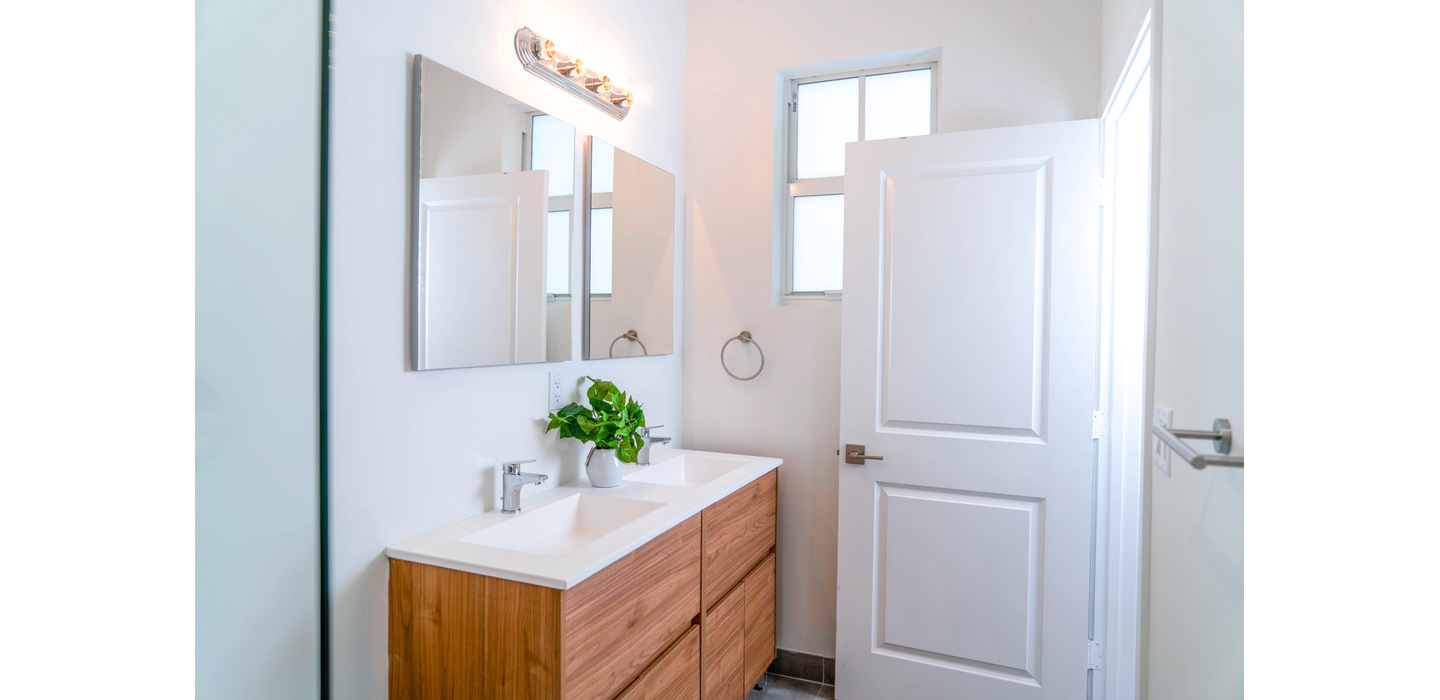
CBH’s 29-bed residential program in Hollywood provides an immersive, structured environment that removes clients from the anxiety-sustaining triggers and patterns of daily life and replaces them with consistent clinical support, skills development, and exposure practice that anxiety treatment requires. With caseloads held to 8 to 10 clients per therapist and a Clinical Director who knows every client by name, the residential environment is the opposite of the large, institutional psychiatric facility that many anxiety clients have feared or experienced previously.
Residential treatment for anxiety at CBH includes individual CBT and DBT, daily group therapy, comprehensive psychiatric evaluation and medication management, neurofeedback, Canine Assisted Therapy twice per week, and the beginning of structured exposure work in a clinical environment where the treatment team is immediately available to support the process.
Partial Hospitalization Program (PHP) Fort Lauderdale, FL
PHP provides a minimum of 20 hours of structured therapy per week while clients live in supervised housing. At the PHP level, the exposure work and skills application that began in residential settings extends into community settings. EMDR becomes available for clients with trauma-driven anxiety. Family therapy begins, addressing the relational patterns that anxiety has disrupted. Clients at PHP are practicing anxiety management skills in incrementally more complex real-world contexts with clinical support close at hand.
Intensive Outpatient Program (IOP) Fort Lauderdale, FL
IOP provides at least 12 hours of structured treatment per week while clients rebuild full independence. The IOP phase is where the skills, insights, and physiological regulation tools developed in residential and PHP are applied to the actual demands of daily life the workplace, the social environment, the relationships, the situations that triggered anxiety in the first place. The clinical team provides accountability, coaching, and ongoing adjustment of the treatment approach based on how the client is responding in real-world conditions.
A Note for High-Functioning Anxiety: When Everything Looks Fine, and Nothing Feels Fine
If you are reading this page and thinking that CBH’s residential program sounds like it is for people whose lives have fallen apart and yours has not, not yet, not visibly this section is for you.
High-functioning anxiety is real. It is not a lesser form of anxiety. It is often a more insidious one because the external performance provides cover for the internal experience, and the cover delays treatment by years. The perfectionistic overachiever who cannot stop working because stopping means confronting the anxiety underneath the productivity. The person who appears confident in every meeting but is replaying every conversation afterward for evidence of failure. The parent who is present for their children externally while managing an internal state of constant dread that exhausts them by noon.
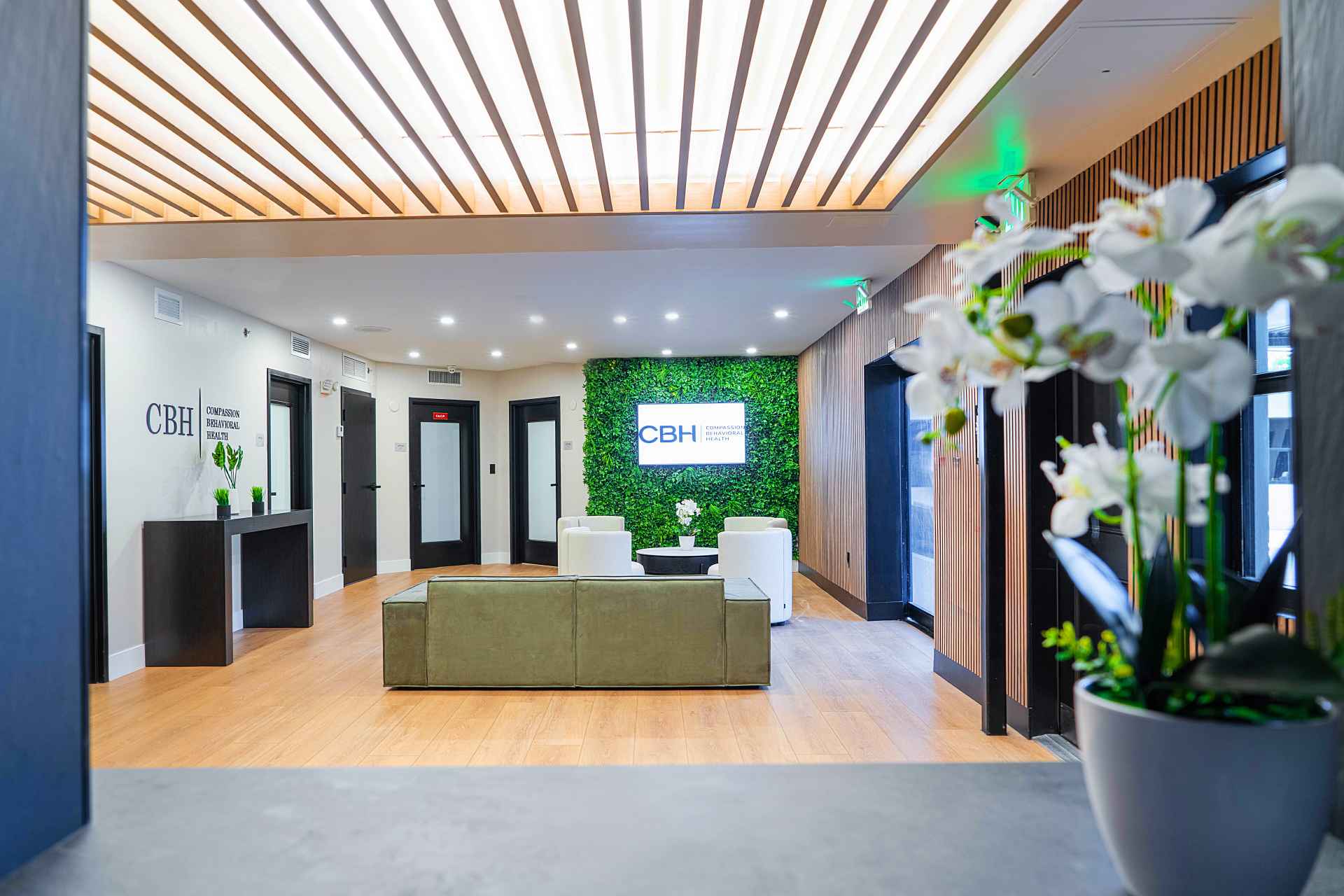
CBH’s boutique, non-institutional residential and PHP setting was not designed for a generic psychiatric population. It was designed for people who need real clinical work in an environment that respects their intelligence, their privacy, and their life outside of treatment. The 29-bed setting, the small caseloads, the private accommodation options, and the clinical director who knows every client by name these are not luxury features. They are clinical features that make treatment accessible to a population that would not tolerate a large, anonymous facility.
If high-functioning anxiety describes your experience, call 844-503-0126. The assessment is confidential, and there is no pressure. We will give you an honest clinical picture of what level of care is appropriate and what treatment would actually look like.
What Makes CBH Different for Anxiety Treatment in South Florida
- 167% improvement in anxiety outcomes, verified by Greenspace Health across more than 1,000 patient surveys the highest improvement rate of any condition CBH tracks
- Neurofeedback therapy for physiological anxiety regulation a clinical tool that most residential treatment programs in Florida do not offer
- A dual-diagnosis model that treats anxiety as the primary driver of substance use, not as a secondary complaint alongside addiction
- Medical detox program with 24/7 physician oversight for clients with benzodiazepine or alcohol dependence co-occurring with anxiety
- EMDR for trauma-driven anxiety available at PHP and IOP levels, delivered by trained clinicians
- GeneSight genetic testing for clients who have not responded to prior anxiety medication trials
- 29-bed boutique residential program not a large institutional ward; CBH’s Clinical Director knows every client by name
- Caseloads of 8 to 10 clients per therapist meaningful individual therapy time, not 15-minute sessions
- Canine Assisted Therapy twice per week direct physiological regulation for chronically hyperaroused nervous systems
- Full continuum from detox through IOP one clinical team, one treatment philosophy, no handoff gaps
- In-network with Aetna, Blue Cross Blue Shield, Cigna, Optum, Curative, TRICARE East, and VA
- Joint Commission accredited, NAMI affiliated, AHCA, and DCF licensed
- 633+ Google reviews across both locations
Frequently Asked Questions About Anxiety Disorder Treatment
What is the Most Effective Treatment for Anxiety Disorder?
Cognitive Behavioral Therapy (CBT) is the most extensively researched and consistently effective psychological treatment for anxiety disorders, supported by decades of randomized controlled trial evidence across all anxiety subtypes. CBT works by identifying and restructuring the cognitive distortions that fuel anxious thinking and by using structured exposure to disrupt the avoidance cycle that maintains anxiety. For many clients, a combination of CBT and medication typically SSRIs or SNRIs produces better outcomes than either alone. At CBH, CBT is delivered within a comprehensive dual-diagnosis model that also includes DBT, neurofeedback, EMDR, and medication management for clients whose anxiety requires a multi-modal approach.
How long does Anxiety Disorder Treatment take?
Treatment duration at CBH is individualized based on the severity of the anxiety, the presence of co-occurring conditions, and clinical response to treatment. Residential stays typically span 25 to 45 days. PHP follows for approximately 45 days. IOP follows for approximately two months. For clients with severe, chronic anxiety or significant co-occurring conditions, longer engagement consistently produces more durable outcomes. CBH does not operate on arbitrary 30-day timelines. Treatment continues for as long as it is clinically indicated to produce lasting change rather than temporary symptom reduction.
Can Anxiety Disorder be Cured?
Anxiety disorders are highly treatable, and many people who complete structured treatment achieve lasting remission of clinically significant symptoms. Whether this constitutes a cure depends on the individual. Some people complete treatment and never experience clinically significant anxiety again. Others develop the tools and skills to manage anxiety effectively when it arises, preventing it from impairing their lives. The goal of anxiety treatment at CBH is not to eliminate all anxiety anxiety is a normal human experience but to resolve the clinical disorder and equip clients with the skills, neurological regulation tools, and support network to sustain that resolution long-term.
Is Residential Treatment necessary for Anxiety?
Residential treatment is appropriate for anxiety when symptoms are severe enough to significantly impair daily functioning, when outpatient treatment has produced limited results, when anxiety is driving substance use that requires medical management, or when the person’s home environment is actively maintaining or worsening the anxiety. Not everyone with an anxiety disorder needs residential care. During a free assessment call, CBH’s admissions team will provide an honest recommendation about the right level of care based on the clinical picture, not a default recommendation toward the highest level.
What is High-Functioning Anxiety?
High-functioning anxiety describes the experience of people who manage significant internal anxiety while maintaining external performance in their careers, relationships, and social lives. They rarely identify as having an anxiety disorder because the anxiety appears to be working for them: driving achievement, preventing mistakes, maintaining vigilance. In clinical reality, the anxiety is eroding their quality of life, physical health, and relational capacity from the inside. High-functioning anxiety is not a formal DSM-5 diagnosis but is a clinically real and increasingly prevalent presentation that CBH’s treatment model is specifically suited to address.
Does CBH treat Anxiety and Addiction Together?
Yes. CBH was founded on the principle that mental health conditions anxiety being one of the most common drive the substance use and behavioral problems that bring people into treatment. Anxiety and substance use disorder are treated simultaneously from the first day of admission at CBH, with equal clinical weight given to both. For clients with benzodiazepine or alcohol dependence co-occurring with anxiety, CBH’s medically supervised detox program provides the safe withdrawal management that is the necessary foundation for anxiety treatment.
What is the Difference between Anxiety Disorder and Normal Anxiety?
Normal anxiety is a proportionate response to genuine threat or uncertainty; the anxiety before a difficult presentation, the worry following a serious medical diagnosis, the nervousness before an important meeting. An anxiety disorder involves anxiety that is disproportionate to the triggering situation, difficult or impossible to control, persistent rather than temporary, and significantly impairing to daily functioning, work, relationships, or quality of life. The clinical threshold is impairment. When anxiety is organizing daily life around avoidance, disrupting sleep, driving substance use, or preventing the person from functioning at the level they are capable of, that is a diagnosable condition that warrants clinical treatment.
Does Insurance Cover Anxiety Treatment at CBH?
CBH is in-network with Aetna, Blue Cross Blue Shield, Cigna, Optum, Curative, TRICARE East, and the VA. Most commercial insurance plans cover residential and outpatient treatment for anxiety disorders under federal mental health parity laws. Call 844-503-0126, and our admissions team will verify your benefits at no cost before you make any decisions. We will walk you through exactly what is covered, what the out-of-pocket costs look like, and what your options are if you are out of network.
Anxiety Held You Here Long Enough. It Does Not Have to Stay.
If you have been managing anxiety for years, white-knuckling through the days, medicating the edge, shrinking your life to avoid the triggers, and you are still reading this page, that is not an accident. That is the part of you that knows this is not working and that something different is possible.
167% improvement in anxiety outcomes. Verified. Real people. People who sat where you are sitting now.
At Compassion Behavioral Health, we have the clinical depth, the evidence-based tools, and the intimate setting to do the kind of work that actually changes the nervous system, not just the thinking around it. The 29-bed program. The small caseloads. The neurofeedback. The EMDR. The clinical team that knows your name, your history, and your goals not just your diagnosis.
Call 844-503-0126 today. Our admissions team is available around the clock. Your benefits can be verified before you make any decisions. There is no pressure and no obligation. Just an honest conversation about what you are dealing with and what level of care would actually help. Stories change here.
