











































Compassion Behavioral Health is an approved VA Community Care Network provider. That means if you are a veteran and the VA cannot provide the care you need within a reasonable distance or timeframe, you may be authorized to receive treatment at CBH through your VA benefits without paying out of pocket. We also accept TRICARE East directly. And we have a 21-year veteran on our clinical team who understands what you have been through in a way that no amount of clinical training alone can replicate.
CBH treats veterans as the primary population we built this program for, not as a demographic we accommodate. Mental health is always the primary diagnosis. If PTSD is driving alcohol use, or depression is driving substance use, or moral injury is driving both, we treat the mental health condition and the co-occurring substance use simultaneously from day one. Same-day admissions are available in many cases. Call 844-503-0126 now. Your call is 100% confidential.
CBH Is a VA Community Care Network Provider: What That Means for You
The VA Community Care Network allows eligible veterans to receive care from approved community providers when VA facilities cannot offer the same service, when the veteran lives too far from a VA facility, or when the wait time for VA care exceeds the VA’s access standards. CBH is an approved provider in the VA Community Care Network, operating through Optum VA, part of UnitedHealth Group.
If you are an eligible veteran and the VA authorizes community care, your treatment at CBH may be covered by your VA benefits at no cost to you. The authorization process begins with the VA, and CBH’s admissions team provides direct support in navigating it. We have experience working with the VA on authorizations, case management, and aftercare planning. Call 844-503-0126, and we will walk you through the process step by step.
TRICARE East
CBH accepts TRICARE East for eligible veterans, active-duty service members, and their families. TRICARE East covers mental health treatment, including residential care, PHP, and IOP, as a covered behavioral health benefit. Our admissions team verifies TRICARE benefits at no cost. If you are not sure whether you qualify or what your TRICARE plan covers at CBH, call 844-503-0126, and we will find out for you.
Veteran Inpatient Mental Health Treatment at CBH
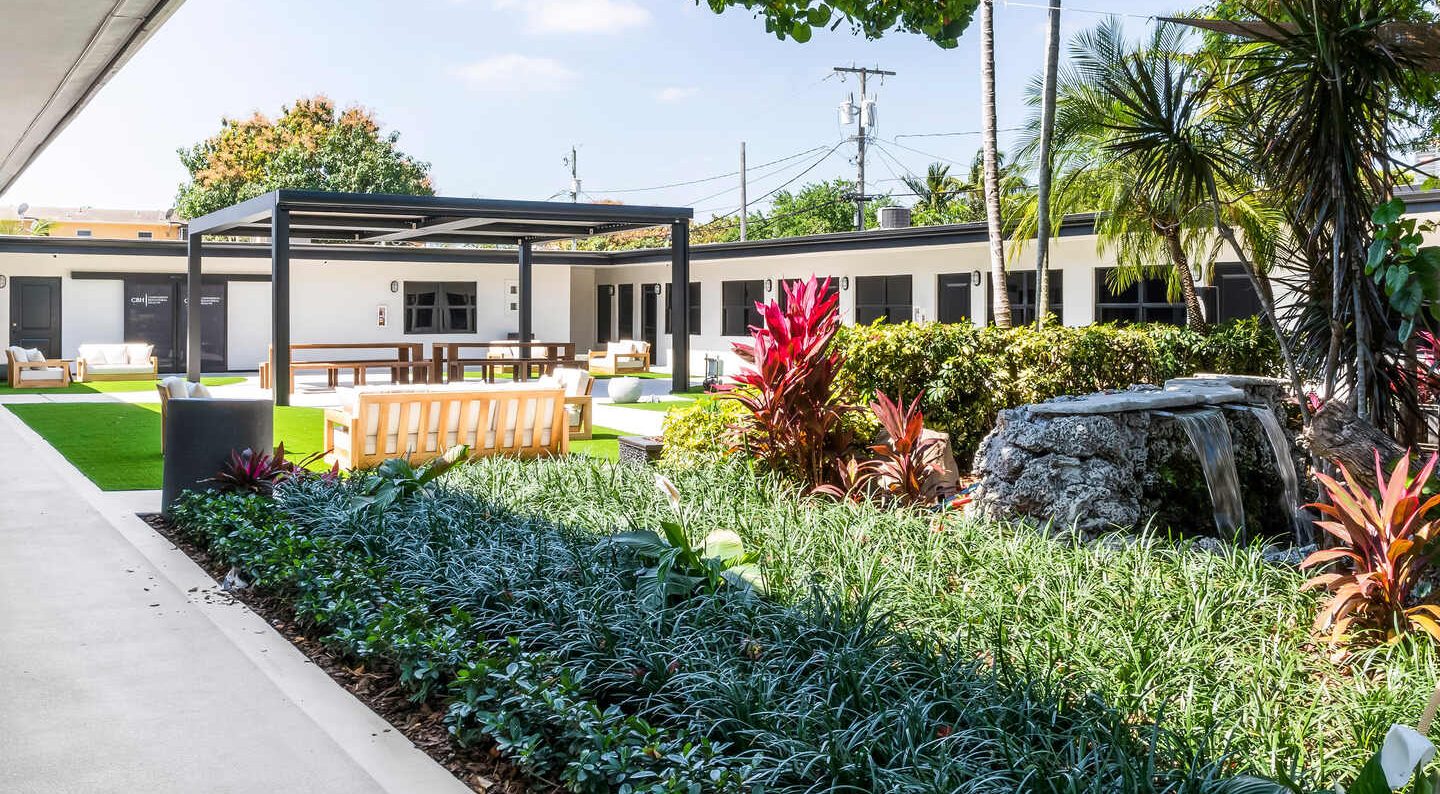
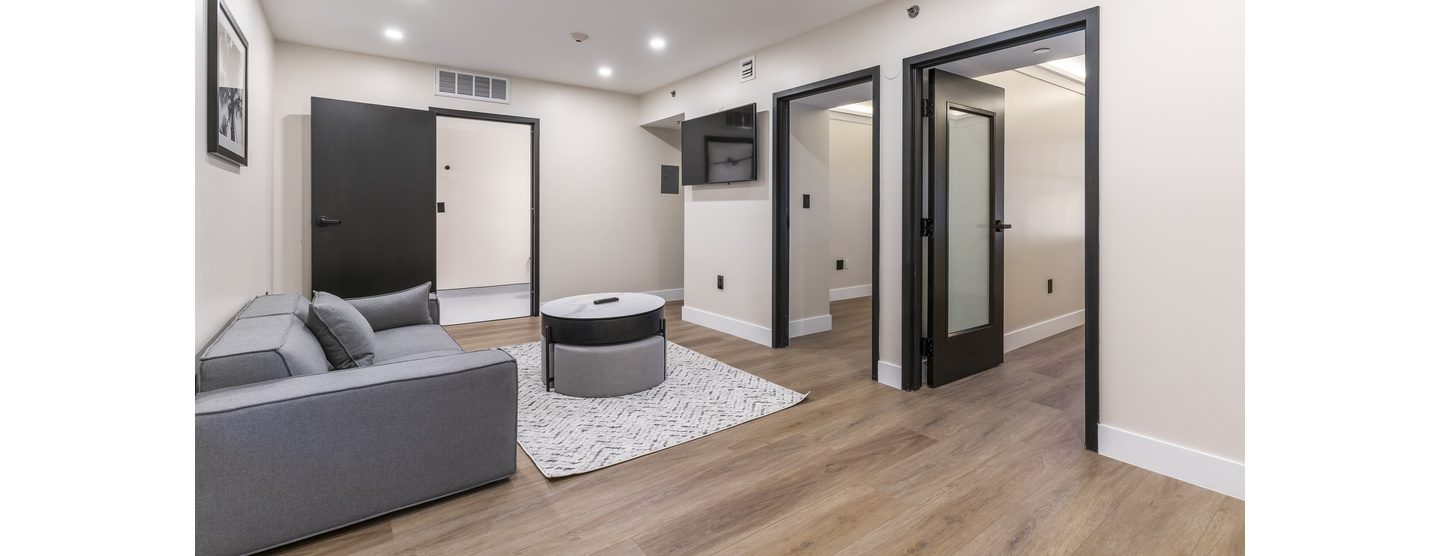
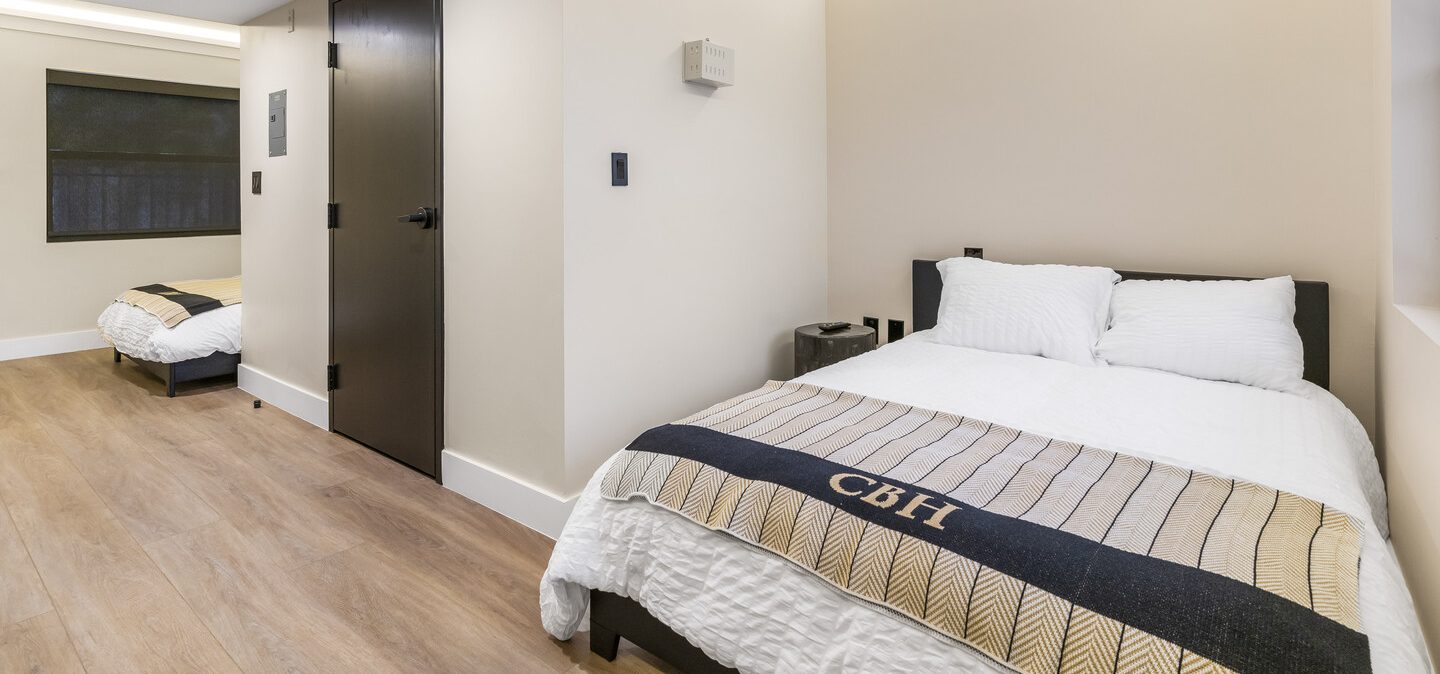
CBH’s 29-bed residential program in Hollywood, Florida, is the core of our veteran mental health treatment offering. It is intentionally small. Caseloads are held to 8 to 10 clients per therapist, which is well below the industry norm of 1 to 15. The Clinical Director knows every client by name. For veterans who have experienced large, impersonal institutional settings in the VA system or in prior treatment, the scale and relational quality of CBH’s residential program are immediately and meaningfully different.
Inpatient mental health treatment for veterans at CBH begins with a comprehensive psychiatric evaluation conducted by Dr. Daud, a board-certified psychiatrist with dual specialization in psychiatry and addiction psychiatry. The evaluation assesses the full clinical picture: PTSD history, combat exposure, traumatic brain injury, moral injury, military sexual trauma, substance use history, and any prior diagnoses and treatment. We do not assume the prior diagnosis was correct. We assess from the beginning.
Same-day admissions are available in many cases. When a veteran is ready to seek help, delays serve no clinical purpose. Call 844-503-0126, and our admissions team will begin the authorization and intake process immediately.

PTSD Treatment Programs for Veterans: What CBH Offers
PTSD is the most common primary diagnosis among veterans who come to CBH for treatment. It is also one of the most undertreated, because many veterans spend years managing PTSD symptoms with alcohol or other substances before the underlying condition is ever directly addressed. At CBH, PTSD is treated as the primary diagnosis it is, with the evidence-based clinical depth the diagnosis demands.
EMDR Therapy for Veterans
EMDR, which stands for Eye Movement Desensitization and Reprocessing, is the gold-standard trauma treatment for PTSD. It is endorsed by the Department of Veterans Affairs, the American Psychological Association, the World Health Organization, and SAMHSA as a first-line intervention. EMDR helps the brain reprocess traumatic memories that have become stuck in a state of incomplete processing, changing their emotional charge so that the memory can be stored as a past event rather than an ongoing threat.
At CBH, EMDR is delivered at the PHP and IOP levels by clinicians who have completed EMDR training. It is introduced when the clinical team has established that the veteran has the stabilization and distress tolerance skills to engage with the trauma processing safely. The DBT work done in residential and early PHP builds that foundation.
Residential PTSD Treatment for Veterans
For veterans with severe PTSD, particularly those with co-occurring substance use, depression, TBI, or moral injury, CBH’s residential program provides the clinical structure, psychiatric oversight, and relational consistency that acute PTSD requires. The residential environment removes veterans from the environmental triggers and patterns that maintain PTSD symptoms, and replaces them with a contained, therapeutic setting where stabilization and foundational skill development can occur.
Residential PTSD treatment at CBH includes individual CBT and DBT, daily group therapy, psychiatric evaluation and medication management, neurofeedback for hyperarousal and TBI-related cognitive symptoms, and Canine Assisted Therapy twice per week. Same-day admissions are available for veterans who are ready to begin.
Military PTSD Treatment: Addressing What the VA Does Not Always Cover
The VA provides excellent care for many veterans, but waitlists are real, access can be limited, and the specific combination of PTSD with co-occurring substance use or moral injury is not always managed within a single VA program. CBH’s dual-diagnosis residential model treats PTSD and any co-occurring condition simultaneously, under the same clinical team, with the same psychiatrist, from the first day of admission to the last day of IOP. For veterans who have been waiting for VA care or who need a level of integrated treatment the VA’s current capacity cannot quickly provide, CBH is an authorized alternative through the Community Care Network.
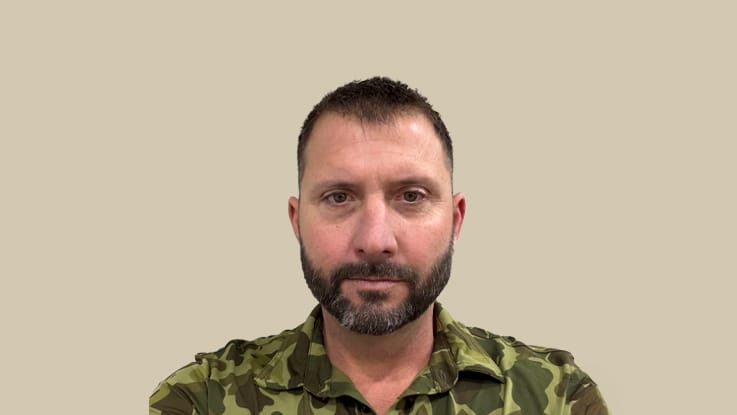
Spencer: A 21-Year Veteran on CBH’s Clinical Team
Spencer served in the United States military for 21 years. He is now a member of CBH’s clinical team and a direct point of contact for veteran clients navigating treatment.
What Spencer offers is not just cultural sensitivity or veteran-informed language. It is a lived experience. The understanding comes from having carried the same weight, navigated the same system, and faced the same cultural stigma around asking for help. For many veterans, the decision to enter treatment is made not because a clinician told them to but because someone who has been there told them it was worth it.
Spencer works directly with veteran clients throughout the admissions and treatment process. He is available as part of the clinical team for veterans who want a peer perspective alongside their professional clinical care. Call 844-503-0126 and ask to speak with our veteran admissions team.
Mental Health Conditions We Treat for Veterans
CBH treats the following conditions as primary diagnoses within a dual-diagnosis framework for the veteran population. If a co-occurring substance use condition is present, both are treated simultaneously from day one.
- PTSD, including combat-related PTSD, military sexual trauma, and PTSD from non-combat service experiences
- Traumatic Brain Injury with co-occurring PTSD, depression, or anxiety, addressed through neurofeedback and integrated psychiatric care
- Moral Injury, including guilt, shame, and spiritual distress from actions witnessed or participated in during service
- Depression, including Major Depressive Disorder, treatment-resistant depression, and depression co-occurring with PTSD
- Anxiety Disorders, including Generalized Anxiety Disorder, panic disorder, and hypervigilance-driven anxiety
- Alcohol Use Disorder and other substance use disorders are treated as co-occurring conditions alongside the primary mental health diagnosis
- Military Sexual Trauma, including PTSD, depression, and anxiety resulting from sexual assault or harassment during service
- Dual Diagnosis, meaning any combination of mental health and substance use conditions treated simultaneously

Moral Injury: The Condition That Is Not PTSD but Is Just as Real
Moral injury is a distinct but related condition to PTSD that is particularly prevalent among veterans, first responders, and healthcare workers. It involves damage to a person’s moral framework resulting from participating in, witnessing, or failing to prevent events that violate their core values. It is not primarily a fear response. It is a profound sense of guilt, shame, and spiritual distress that does not always respond to standard PTSD treatment.
Veterans with moral injury often describe a feeling of having betrayed their own values, or of having been betrayed by institutions they trusted. The symptoms can look like PTSD, depression, or substance use, but the mechanism is different, and the treatment approach must reflect that difference. CBH’s clinical team assesses and addresses moral injury as a distinct clinical presentation, not as a variant of PTSD to be handled with the same tools.
If moral injury is part of what you or your loved one is carrying, call 844-503-0126. Our admissions team can speak with you about what treatment for moral injury looks like at CBH and whether our program is the right clinical fit.
Evidence-Based Therapies in CBH’s Veteran Mental Health Program
CBH’s veteran program uses a combination of proven, evidence-based therapies tailored to the specific presentations most common in the veteran population. These are not generic behavioral health services applied to a veteran audience. Each modality is selected for a specific clinical purpose.
Cognitive Behavioral Therapy (CBT)
CBT helps veterans identify and restructure the distorted beliefs about self and world that develop from combat trauma, moral injury, and prolonged service-related stress. Common veteran-specific trauma beliefs such as ‘I should have done something to stop it,’ ‘I am permanently damaged,’ or ‘civilians cannot understand what I went through’ are addressed directly through structured CBT techniques.
Dialectical Behavior Therapy (DBT)
DBT builds the distress tolerance, emotional regulation, and interpersonal effectiveness skills that chronic PTSD frequently leaves underdeveloped. For veterans whose PTSD is accompanied by emotional dysregulation, anger, or substance use, DBT provides the practical internal tools that make EMDR and deeper trauma processing work possible.
EMDR
As described above, EMDR is the VA and APA-endorsed first-line treatment for PTSD. At CBH, it is available at the PHP and IOP levels, introduced when clinical readiness has been established, and delivered by trained clinicians within the full dual-diagnosis treatment framework.
Neurofeedback
Neurofeedback uses real-time EEG monitoring of brain activity to help clients train their nervous systems toward healthier patterns of arousal, attention, and regulation. For veterans with PTSD and hyperarousal, neurofeedback directly targets the nervous system dysregulation that standard talk therapy cannot fully reach. For veterans with TBI alongside PTSD, neurofeedback addresses the cognitive deficits in attention, working memory, and processing speed that are common in both conditions. CBH’s neurofeedback therapist Tharlene has extensive experience with veteran clients.
Canine Assisted Therapy (CAT)
CBH’s Canine Assisted Therapy program runs twice per week in the residential setting. For veterans with PTSD, the non-verbal, physiologically regulating experience of working with animals reduces cortisol, activates the parasympathetic nervous system, and builds the experience of an uncomplicated, safe connection. CAT is not a recreational activity. It is a clinical tool with a specific physiological mechanism that complements the verbal and cognitive therapy work.
Group Therapy
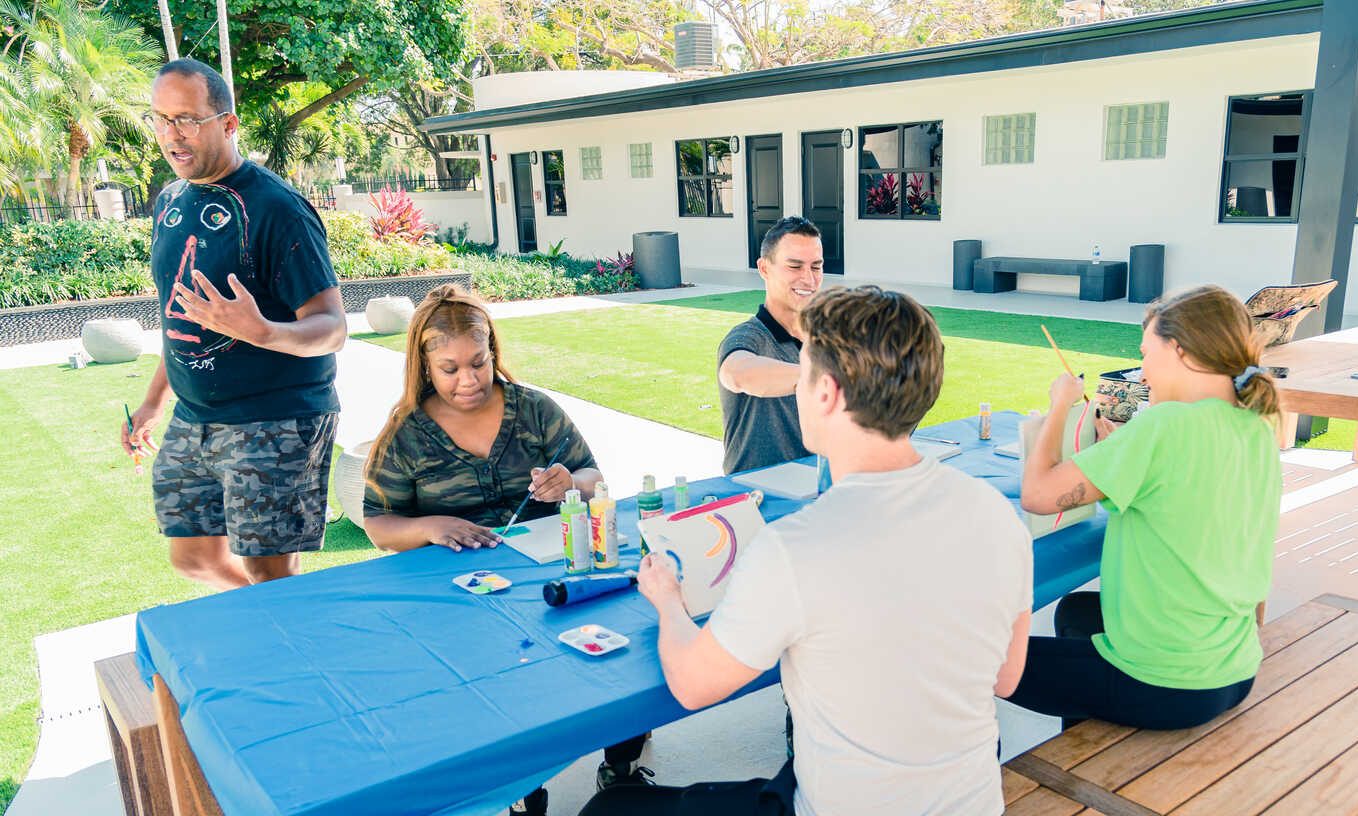
Group therapy is delivered daily across all levels of care at CBH. For veteran clients, group therapy provides structured peer connection in a clinical setting. Hearing other veterans describe the same internal experience, including the hypervigilance, the anger, the nightmares, and the isolation, reduces the shame and self-blame that PTSD and moral injury generate and that military culture often reinforces. CBH’s small program means group therapy sessions are intimate and clinically meaningful.
Veteran Mental Health Treatment Across the Full Continuum of Care
CBH operates two South Florida locations that together provide a complete continuum of care for veterans, from medical stabilization through reintegration, with the same clinical team and the same psychiatrist at every level.
Medical Detox, Hollywood, FL
For veterans whose PTSD or other mental health conditions have been complicated by alcohol or substance dependence, medically supervised detox is the first step. CBH’s 24/7 medical detox in Hollywood is overseen by a board-certified physician with psychiatric oversight from day one. Mental health assessment begins during detox, not after it.
Residential Mental Health Treatment, Hollywood, FL
CBH’s 29-bed residential program in Hollywood is where the foundational clinical work for veteran mental health treatment occurs. Veterans in acute PTSD episodes, veterans who need psychiatric stabilization, and veterans with significant co-occurring substance use all receive the clinical structure, psychiatric oversight, and relational consistency that meaningful recovery requires. Same-day admissions are available.
Partial Hospitalization Program (PHP), Fort Lauderdale, FL
PHP provides a minimum of 20 hours of structured clinical treatment per week while veterans live in supervised housing. This is where EMDR begins for veterans who have achieved stabilization in residential. Family therapy is introduced. Community reintegration practice begins. Moral injury work deepens alongside the PTSD processing.
Intensive Outpatient Program (IOP), Fort Lauderdale, FL
IOP provides at least 12 hours of structured treatment per week while veterans rebuild full civilian independence. The skills, insights, and regulatory tools developed in residential and PHP are applied to real-world situations with ongoing clinical support and accountability. Relapse prevention planning and long-term aftercare coordination with the VA are completed during IOP.
Why CBH for Veteran Mental Health Treatment in South Florida
- Approved VA Community Care Network provider, meaning VA-authorized care may be covered through VA benefits at no cost to the veteran
- TRICARE East is accepted directly
- 21-year veteran Spencer is on the clinical team, providing peer credibility and lived experience
- PsychArmor is certified for military-competent care across the full clinical staff
- EMDR for PTSD, the VA and APA endorsed first-line trauma treatment, available at PHP and IOP levels
- Neurofeedback for PTSD hyperarousal and TBI-related cognitive deficits
- Moral injury is addressed as a distinct clinical presentation, not a PTSD variant
- The dual-diagnosis model treats PTSD and co-occurring substance use simultaneously from day one
- Same-day admissions available
- 29-bed boutique residential program with caseloads of 8 to 10 clients per therapist
- Clinical Director knows every client by name
- Board-certified psychiatrist with dual specialization in psychiatry and addiction psychiatry
- Full continuum from detox through IOP with the same clinical team at every level
- Joint Commission accredited, NAMI affiliated, AHCA, and DCF licensed
- 633 or more Google reviews across both South Florida locations
Frequently Asked Questions: Veteran Mental Health Treatment at CBH
Does CBH treat veterans with PTSD?
Yes. PTSD is the most common primary diagnosis among veterans who come to CBH for treatment. CBH uses EMDR, the VA and APA-endorsed first-line treatment for PTSD, alongside CBT, DBT, and neurofeedback in a full dual-diagnosis residential and outpatient framework. CBH is also an approved VA Community Care Network provider, meaning VA-authorized treatment may be covered through VA benefits. Call 844-503-0126 to speak with our veteran admissions team.
Is CBH a VA Community Care Network provider?
Yes. Compassion Behavioral Health is an approved VA Community Care Network provider operating through Optum VA. This means that eligible veterans who have been authorized for community care by the VA may be able to receive treatment at CBH through their VA benefits. CBH’s admissions team provides direct support in navigating the VA authorization process. Call 844-503-0126 to begin the conversation.
Does CBH accept TRICARE for veteran mental health treatment?
Yes. CBH accepts TRICARE East for eligible veterans, active duty service members, and their families. TRICARE covers mental health treatment, including residential care, PHP, and IOP, as a covered behavioral health benefit. Our admissions team verifies TRICARE benefits at no cost before any decisions are made. Call 844-503-0126 for a free benefits verification.
What is the best PTSD treatment program for veterans?
The most evidence-supported PTSD treatments for veterans are EMDR and trauma-focused CBT, both endorsed by the Department of Veterans Affairs and the American Psychological Association as first-line interventions. For veterans with co-occurring substance use, depression, or TBI, dual-diagnosis residential treatment that addresses all conditions simultaneously produces the most durable outcomes. At CBH, EMDR is delivered within a full dual-diagnosis residential and outpatient framework by a clinical team with specific veteran expertise.
Does CBH offer inpatient mental health treatment for veterans?
Yes. CBH’s 29-bed residential program in Hollywood, Florida, provides inpatient mental health treatment for veterans with PTSD, depression, anxiety, TBI, moral injury, and co-occurring substance use disorders. Same-day admissions are available in many cases. Caseloads are held to 8 to 10 clients per therapist. The program is PsychArmor certified and includes a 21-year veteran on the clinical team. Call 844-503-0126 to begin the admissions process.
What is moral injury, and how does CBH treat it?
Moral injury is the damage done to a person’s moral framework by participating in, witnessing, or failing to prevent events that violate their core values. It is distinct from PTSD in that it is not primarily a fear response. It involves profound guilt, shame, and spiritual distress. It is particularly common in veterans, first responders, and healthcare workers. CBH’s clinical team assesses and treats moral injury as a distinct clinical presentation alongside any co-occurring PTSD, depression, or substance use. Standard PTSD treatment alone is not sufficient for moral injury.
Does CBH offer outpatient PTSD treatment for veterans?
Yes. CBH offers both PHP and IOP at its Fort Lauderdale location. PHP provides a minimum of 20 hours of structured treatment per week. IOP provides at least 12 hours per week. Both programs are available for veterans stepping down from residential care or for veterans whose clinical picture does not require a residential level of care. EMDR is available at both the PHP and IOP levels for veterans with PTSD. Call 844-503-0126 to determine which level of care is appropriate.
Can veterans use VA benefits at CBH?
In many cases, yes. CBH is an approved VA Community Care Network provider. Eligible veterans who have received VA authorization for community care may be able to receive treatment at CBH through their VA benefits. The authorization process begins with the VA, and CBH’s admissions team provides direct support in navigating it. CBH also accepts TRICARE East directly. Call 844-503-0126, and our veteran admissions team will walk you through your options.
Veterans: You Have Earned the Right to Treatment That Takes Your Service Seriously
The mental health challenges that come from military service, including PTSD, moral injury, TBI, and the substance use that often follows, are not personal failures. They are the clinical consequences of experiences most people will never face. They deserve clinical treatment that understands what those experiences actually are, not a generic program with a veteran’s checkbox.
At Compassion Behavioral Health, we built our veteran program around that belief. We are an approved VA Community Care Network provider. We accept TRICARE East. We have a 21-year veteran on our clinical team. We use EMDR, the treatment that the VA itself endorses. We treat PTSD and co-occurring substance use at the same time, from the same team, from day one. And we offer same-day admissions when a veteran is ready.
88% improvement in PTSD outcomes across more than 1,000 patient surveys. Verified by Greenspace Health. Real veterans. Real results.
Call 844-503-0126 now. Available 24 hours a day, seven days a week. All calls are 100% confidential. Stories change here.
