




























Most mental health treatment in South Florida addresses symptoms. At Compassion Behavioral Health, we address what is actually driving them.
CBH was founded on a specific clinical observation: that substance use, behavioral breakdown, and repeated treatment failures are most often the result of underlying mental health conditions that were never properly treated. Depression self-medicated with alcohol. Anxiety managed with benzodiazepines. Trauma escaped through opioids. PTSD endured for years because no one connected it to the drinking. The mental health condition is the root. Substance use is the branch. Treating only the branch produces temporary results and predictable relapse.
Our treatment model is built around that founding principle, and the results are measurable. Verified by Greenspace Health, a third-party clinical research firm, across more than 1,000 patient surveys: CBH clients experienced a 159% improvement in depression outcomes, a 167% improvement in anxiety outcomes, and an 88% improvement in PTSD outcomes. These are not averages across an industry. They are CBH’s own numbers, from CBH’s own clients.
If you or someone you love is struggling with a mental health condition, with or without a co-occurring substance use concern, call 844-503-0126. Our admissions team is available around the clock. We will listen, answer every question honestly, verify your insurance at no cost, and help you understand what level of care is right for your specific situation.
The CBH Clinical Model: Mental Health First, Always
CBH is not an addiction treatment program with a mental health component. It is a mental health treatment program with a dual-diagnosis model that addresses substance use when it co-occurs, which it does in the majority of cases.
At admission, every client receives a comprehensive psychiatric evaluation conducted by Dr. Daud, a board-certified psychiatrist with dual specialization in psychiatry and addiction psychiatry. The evaluation does not assume the accuracy of prior diagnoses. It assesses the full clinical picture: mental health history, substance use history, trauma history, medication history, and family psychiatric history. The treatment plan that follows addresses every condition identified, not just the presenting complaint.
Throughout treatment, both the mental health condition and any co-occurring substance use receive equal clinical weight. No client is required to achieve sobriety before receiving psychiatric care. Stabilization, assessment, and dual-diagnosis treatment begin from day one.
This is the clinical reason CBH’s outcomes are different. And it is the foundational reason the organization exists.
Mental Health Conditions We Treat
CBH treats the full spectrum of mental health conditions at the clinical depth each diagnosis demands. Below is a direct summary of what each condition looks like in CBH’s hands, drawn from the clinical depth of each dedicated condition page.
Depression
Depression is the most commonly treated primary diagnosis at CBH, and the most commonly missed driver of substance use. Our dual-diagnosis residential program has produced a verified 159% improvement in depression outcomes. Treatment includes CBT, DBT, EMDR for trauma-driven depression, neurofeedback, and GeneSight genetic testing for clients who have not responded to prior antidepressant trials. CBH does not treat depression as a secondary complaint alongside addiction. It treats depression as the primary condition it is.
Learn more: Depression Treatment in South Florida
Anxiety Disorder
Anxiety disorders affect more than 40 million U.S. adults and represent the highest-volume search category CBH competes in. Our outcomes are verified: 167% improvement in anxiety outcomes across more than 1,000 patient surveys, the highest improvement rate of any condition CBH tracks. CBH treats the full anxiety spectrum, including GAD, panic disorder, social anxiety, health anxiety, and high-functioning anxiety. Neurofeedback, a physiological intervention for nervous system dysregulation that most residential programs in Florida do not offer, is a clinical differentiator for anxiety specifically. Medical detox with physician oversight is available for clients with co-occurring benzodiazepine or alcohol dependence.
PTSD and Trauma
PTSD is one of the strongest predictors of substance use disorder, with 30 to 50 percent of people seeking substance use treatment meeting criteria for PTSD. CBH’s verified outcome is 88% improvement in PTSD symptoms. EMDR, endorsed by the VA, the APA, and the World Health Organization as a first-line PTSD treatment, is the cornerstone of CBH’s trauma approach. Complex PTSD and moral injury are addressed as distinct clinical presentations. CBH is PsychArmor certified for military-competent care and is in-network with TRICARE East. Spencer, a 21-year veteran on CBH’s clinical team, provides peer credibility for veteran clients.
OCD
OCD is a chronic, often debilitating condition that is frequently undertreated because most programs do not offer Exposure and Response Prevention (ERP), the gold-standard behavioral treatment endorsed by the IOCDF, APA, and NIMH. CBH delivers ERP within a dual-diagnosis residential and outpatient framework. All eight OCD subtypes are addressed, including Harm OCD, Pure O, Scrupulosity, Trauma OCD, and Relationship OCD. EMDR is available for trauma-driven OCD at the PHP and IOP levels. GeneSight is available for clients with treatment-resistant OCD who have not responded to SSRI trials.
Bipolar Disorder
Bipolar disorder co-occurs with substance use at rates significantly higher than in the general population, with more than 30 percent of people with bipolar disorder developing a co-occurring substance use disorder. CBH treats Bipolar I, Bipolar II, and Cyclothymia within a dual-diagnosis model. Psychiatric stabilization is the first clinical priority. Treatment includes expert mood stabilizer and antipsychotic medication management, CBT, DBT, EMDR, neurofeedback, and psychoeducation for both clients and families. The full continuum from medical detox through IOP ensures consistent psychiatric oversight at every level of care.
Learn more: Bipolar Disorder Treatment in South Florida
Schizophrenia
Schizophrenia is a high-acuity psychiatric condition that CBH treats with a stabilization-first model and the clinical depth the diagnosis demands. CBH is one of the few residential programs in South Florida that integrates GeneSight genetic testing into standard schizophrenia treatment, directly addressing the trial-and-error problem in antipsychotic selection that drives so many failed treatment episodes. The Duration of Untreated Psychosis (DUP) argument is central: every week of untreated psychosis involves active neurotoxic processes. Early, appropriate treatment is neuroprotective. CBH treats the full schizophrenia spectrum, including drug-induced psychosis, Schizophreniform Disorder, and Brief Psychotic Disorder, alongside primary schizophrenia.
Schizoaffective Disorder
Schizoaffective disorder is one of the most frequently misdiagnosed conditions in psychiatric practice, routinely misdiagnosed as schizophrenia, bipolar disorder, or major depressive disorder with psychotic features. Each misdiagnosis produces a treatment plan that fails in a specific, predictable way. At CBH, Dr. Daud conducts a comprehensive differential psychiatric evaluation at every admission, assessing the timing and independence of psychotic and mood symptoms to arrive at an accurate diagnosis before designing the treatment plan. GeneSight genetic testing is particularly valuable for schizoaffective disorder, given the polypharmacy complexity of treating two distinct symptom domains simultaneously. Both the depressive type and the bipolar type are treated with subtype-specific medication protocols.
Attachment Disorder
Attachment disorders in adults develop from disrupted early caregiving and show up in every significant relationship that follows. CBH treats attachment disorder as the trauma-rooted condition it is, using EMDR for the trauma dimension, DBT for emotional dysregulation and relational skill development, and attachment-focused individual therapy where the therapeutic relationship itself is a primary mechanism of change. The CBH residential model, consistent clinical team, small caseloads, intimate group therapy, daily clinical contact, is itself a corrective relational environment for a population whose early relationships were defined by inconsistency, danger, or absence. Attachment wounds formed in relationships heal most effectively in relationships.
The Dual-Diagnosis Reality: Why Mental Health Must Drive the Treatment Plan
The most common reason treatment fails, in addiction treatment, in psychiatric treatment, and in any behavioral health program, is that only part of the clinical picture was addressed. A person who has been drinking for five years to manage untreated depression will not achieve lasting sobriety through an addiction-focused program that sends them home with a 30-day chip and an unaddressed mood disorder. The depression was never treated. The substance use was the solution the person found. Remove the solution without replacing it with clinical tools for the underlying condition, and relapse is predictable.
Co-occurring disorders are not an exception at CBH. They are the rule. The vast majority of clients who come through our doors present with at least one mental health condition driving their substance use, relational breakdown, or functional impairment. Some present with two or three co-occurring conditions that have never been properly assessed at the same time. CBH’s comprehensive admission evaluation is designed to find all of them.
Common co-occurring combinations CBH treats simultaneously include depression and alcohol use disorder, anxiety and benzodiazepine dependence, PTSD and opioid use disorder, bipolar disorder and stimulant use, OCD and alcohol use disorder, and attachment disorder driving any substance use pattern that serves as a substitute for connection. In every case, both conditions are treated with equal clinical weight from the first day of admission.
Evidence-Based Treatment Modalities at CBH
CBH’s clinical toolkit is selected specifically for the mental health populations it serves. These are not generic behavioral health services. Each modality is used for a specific clinical purpose with a specific population in mind.
Cognitive Behavioral Therapy (CBT)
The gold-standard psychological treatment for depression, anxiety, OCD, and a wide range of co-occurring conditions. CBT identifies and restructures the distorted thought patterns that maintain mental health symptoms and drive behavioral avoidance. At CBH, CBT is delivered individually by licensed therapists and reinforced in daily group sessions. For OCD specifically, CBT is combined with Exposure and Response Prevention (ERP) to directly disrupt the obsessive-compulsive cycle.
Dialectical Behavior Therapy (DBT)
DBT builds four critical skill sets that address the deficits most common in CBH’s client population: mindfulness, distress tolerance, emotional regulation, and interpersonal effectiveness. DBT is particularly relevant for clients with bipolar disorder, attachment disorder, PTSD with emotional dysregulation, and BPD features. It is the evidence-based foundation that makes EMDR and deeper trauma processing work possible by building the internal stability required to engage with it.
EMDR (Eye Movement Desensitization and Reprocessing)
EMDR is the gold-standard trauma treatment endorsed by the VA, APA, WHO, and SAMHSA. At CBH, EMDR is available at the PHP and IOP levels for clients with PTSD, trauma-driven depression, trauma-driven anxiety, trauma OCD, and attachment disorder rooted in early adverse experiences. EMDR does not erase traumatic memories. It changes their emotional charge, moving them from unprocessed intrusions to integrated past events. For many clients, it is the clinical intervention that produces change that years of talk therapy did not.
Neurofeedback
Neurofeedback uses real-time EEG monitoring to help clients train their nervous systems toward healthier patterns of arousal, attention, and regulation. At CBH, neurofeedback is applied across a range of presentations: anxiety and hyperarousal, PTSD and hypervigilance, depression and cognitive sluggishness, schizophrenia and cognitive symptom management, and the attachment-trauma nervous system dysregulation that standard talk therapy cannot fully reach. CBH’s neurofeedback therapist, Tharlene, has performed an extensive number of sessions across the full clinical population. Neurofeedback is one of the most clinically differentiating services CBH offers; most residential programs in Florida do not have it.
GeneSight Genetic Testing
GeneSight analyzes a client’s genetic profile to identify how they metabolize psychiatric medications, including antidepressants, antipsychotics, and mood stabilizers. For clients who have cycled through multiple medication trials without adequate response, a pattern common across depression, bipolar disorder, schizophrenia, schizoaffective disorder, and OCD, GeneSight identifies why specific medications were ineffective and guides a more targeted prescribing approach. This is one of the most tangible clinical differentiators CBH offers for families who have watched a loved one fail medication after medication.
Exposure and Response Prevention (ERP)
ERP is the gold-standard behavioral treatment for OCD, endorsed by the IOCDF, APA, and NIMH. It is delivered within CBH’s individual therapy framework and integrated into the residential and PHP structure, so clients have real-time clinical support while engaging with the exposure process. Most behavioral health programs do not offer ERP as a structured clinical service. CBH does.
Canine Assisted Therapy (CAT)
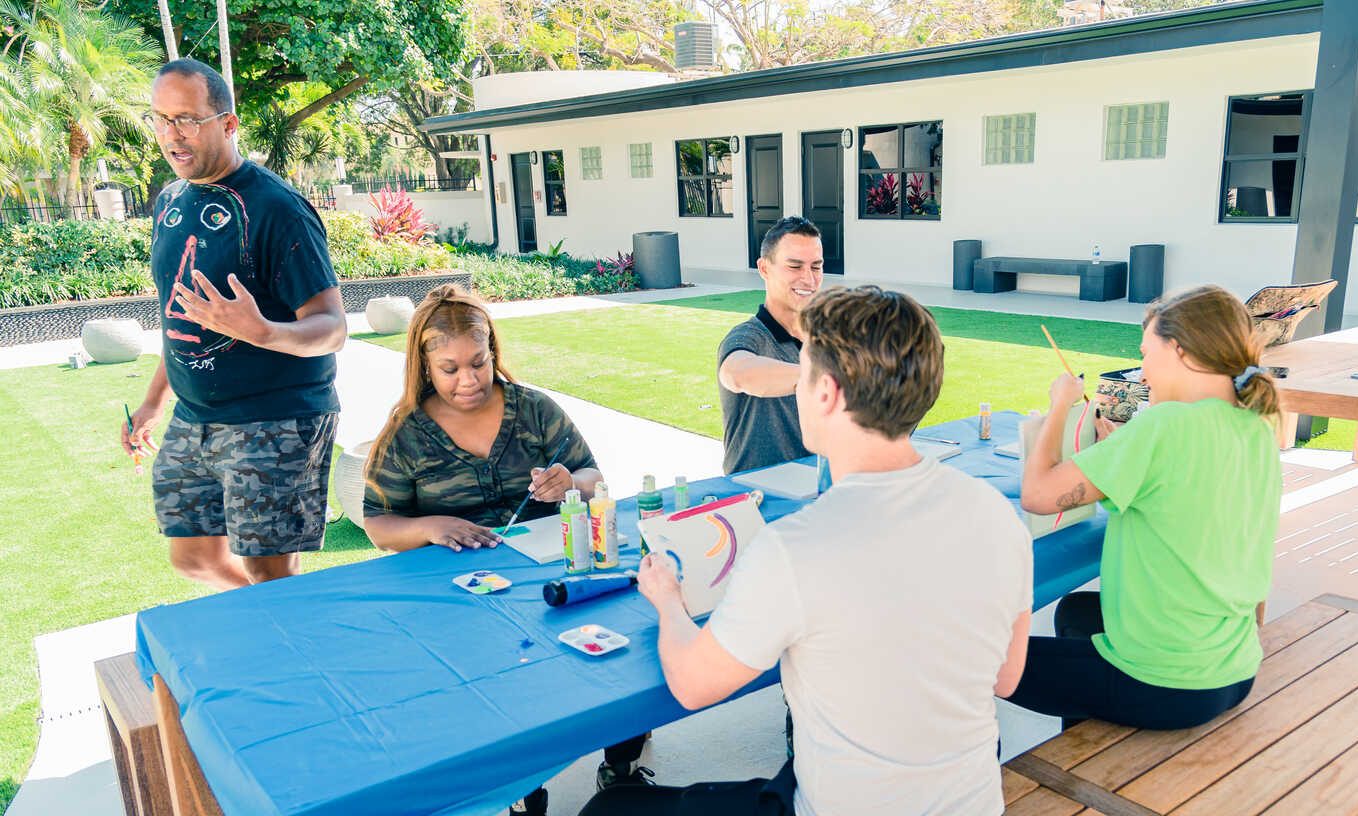
CBH’s Canine Assisted Therapy program runs twice per week in the residential setting. CAT is not a soft amenity. For trauma clients, the non-verbal, physiologically regulating experience of working with animals reduces cortisol, activates the parasympathetic nervous system, and builds the experience of genuine, uncomplicated connection. For attachment disorder clients, it is often the first bidirectional relational experience that has not triggered fear. For anxiety clients, it is often the first genuine physical relaxation in years.
Psychiatric Medication Management
All medication management at CBH is overseen by Dr. Daud, whose board certification in both psychiatry and addiction psychiatry makes CBH particularly suited to the complex polypharmacy requirements of dual-diagnosis clients. Medication is never treated as a standalone intervention. It is the clinical foundation that makes therapy possible, and it is managed with the daily clinical visibility that a residential setting provides and that monthly outpatient appointments cannot replicate.

CBH’s Full Continuum of Care Across South Florida
Mental health treatment is not a single event. It is a clinical process that requires the right level of intensity at the right stage of recovery. CBH operates two South Florida locations that together provide a complete continuum from acute stabilization through reintegration, with a single clinical team and a consistent treatment philosophy at every level.
Medical Detox Hollywood, FL
For clients whose mental health conditions have been complicated by substance use requiring medically supervised withdrawal, CBH’s 24/7 medical detox program in Hollywood is the first step. Detox is overseen by a board-certified physician with psychiatric oversight integrated from day one. Mental health assessment and stabilization begin during detox, not after it. Clients are not pushed into intensive therapy while managing withdrawal. Stabilization comes first. Everything else follows.
Residential Treatment Hollywood, FL
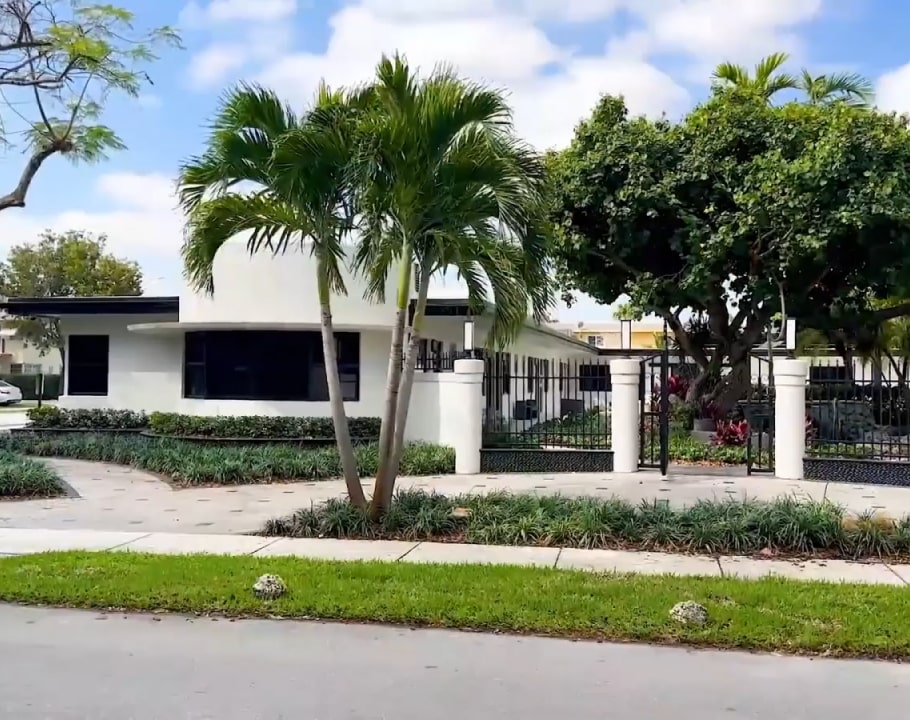
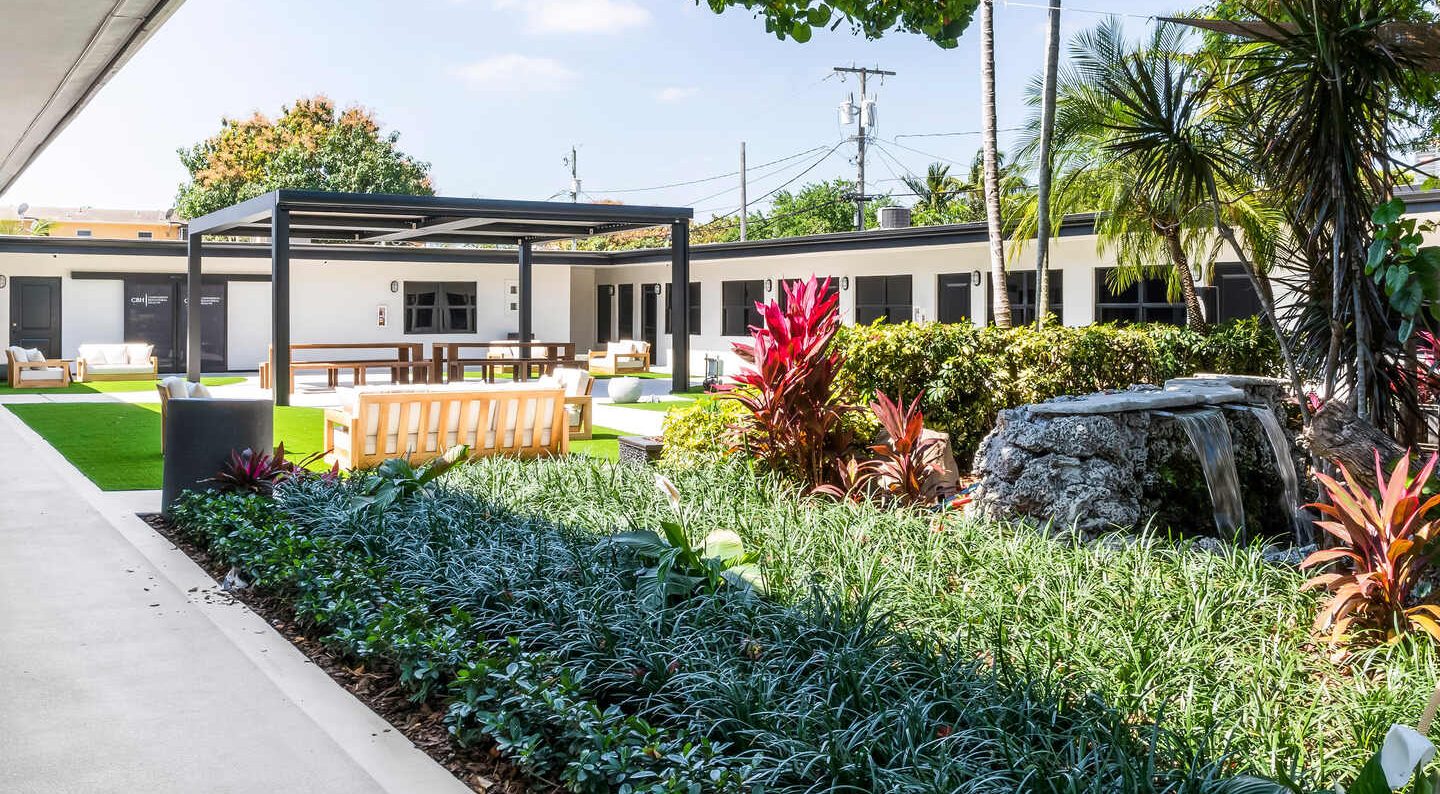
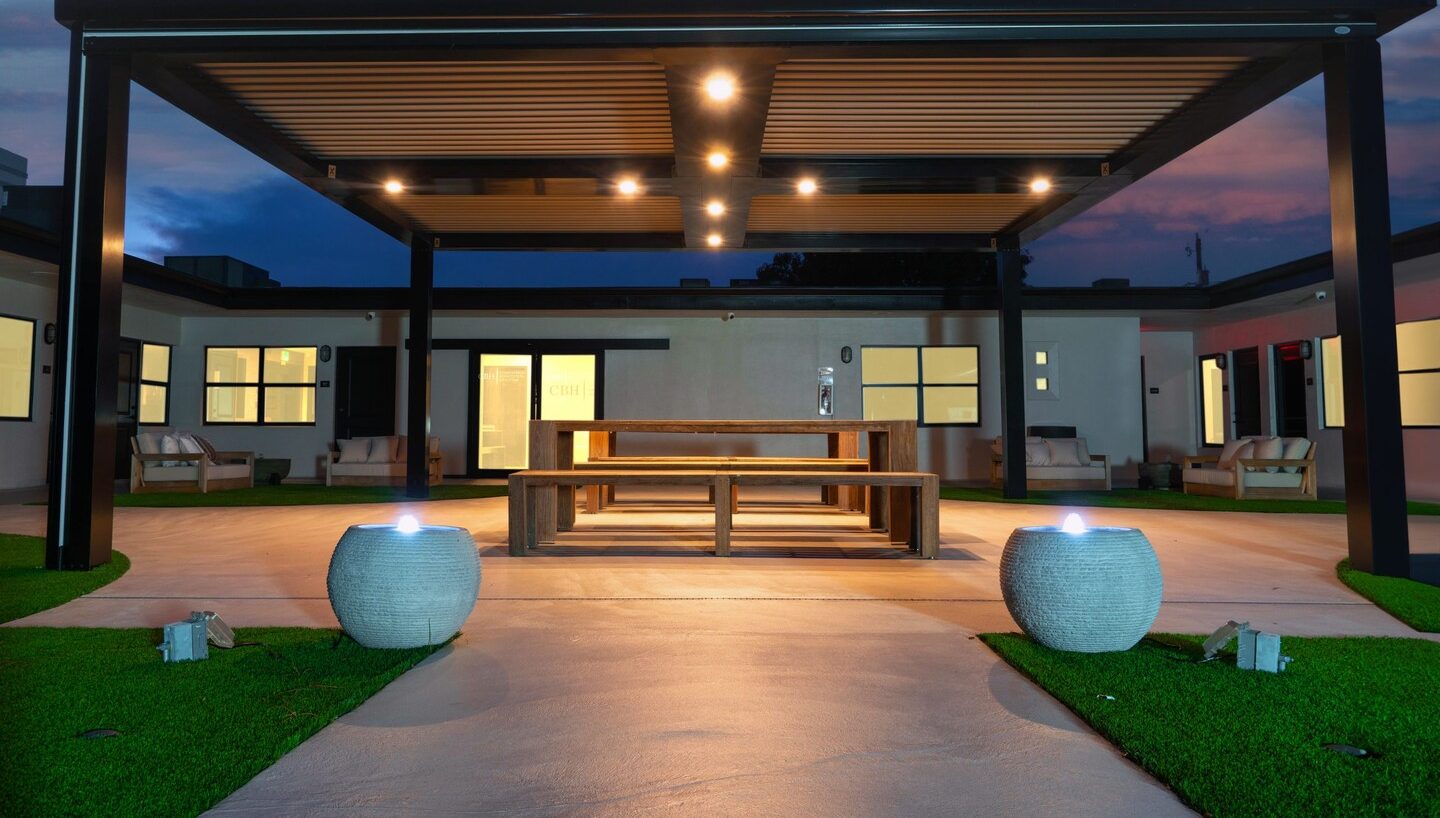
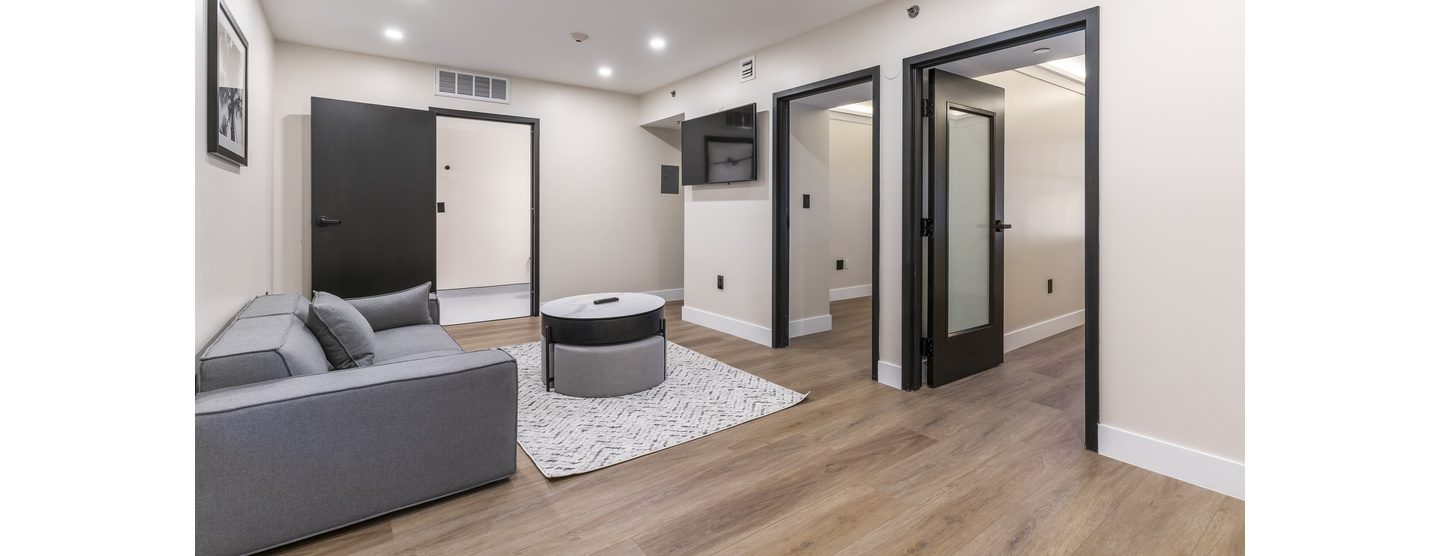
CBH’s 29-bed residential program in Hollywood is where the foundational clinical work for most conditions begins. This is an intentionally small program. Caseloads are held to 8 to 10 clients per therapist, significantly below the industry norm. The Clinical Director knows every client by name. This is not marketing language. It is the operational structure of the program, and it is one of the primary reasons CBH’s outcomes data looks the way it does. Twenty-nine clients with a full clinical team produce a different quality of care than 200 clients with the same team.
Residential treatment includes daily individual therapy, daily group therapy, psychiatric evaluation and medication management, neurofeedback, GeneSight testing when indicated, Canine Assisted Therapy twice per week, family contact and preparation for family therapy, and the introduction of ERP, EMDR, and other evidence-based modalities at the appropriate clinical stage.
Partial Hospitalization Program (PHP) Fort Lauderdale, FL
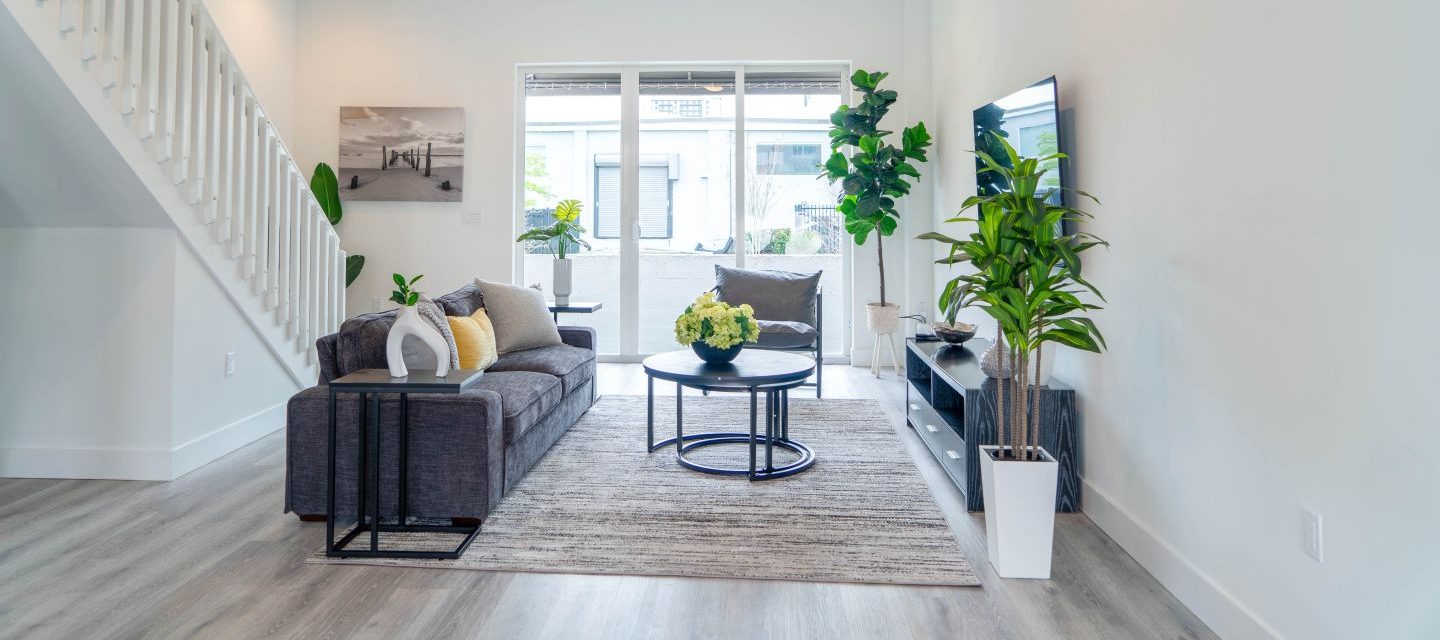
PHP provides a minimum of 20 hours of structured clinical treatment per week while clients live in supervised housing in Fort Lauderdale. This is not residential lite. It is where the deeper psychotherapeutic work occurs: EMDR for trauma processing, ERP progression for OCD, family therapy, community reintegration practice, and the transition from clinical containment to real-world skill application. The clinical team is immediately available to support this process. PHP is where progress becomes durable.
Intensive Outpatient Program (IOP) Fort Lauderdale, FL
IOP provides at least 12 hours of structured treatment per week while clients rebuild full independence. This is the coaching phase: applying the skills, insights, and clinical tools developed in residential and PHP to the actual demands of daily life: relationships, work, family, community. The clinical team provides accountability, real-time adjustment of the treatment approach, and the relapse prevention structure that ensures the work done in higher levels of care translates into lasting change.
The continuum matters beyond its individual components. A client who progresses from detox through residential, PHP, and IOP does so with the same clinical team, the same psychiatrist, and the same treatment philosophy at every step. There are no handoff gaps. No new therapist at each level. No clinical discontinuity that forces the client to rebuild trust and re-establish clinical history. This is one of the strongest predictors of long-term outcome, and one of the features that distinguishes CBH from facilities that operate separate programs at separate levels under separate clinical leadership.
What Makes CBH Different from Other Mental Health Treatment Centers in Florida
The state of Florida has more behavioral health facilities than almost any state in the country. Most of them treat addiction. Many of them claim to treat mental health. Very few of them were built from the ground up with mental health as the primary clinical identity. Here is what distinguishes CBH in specific, verifiable terms:
- 633+ Google reviews across both South Florida locations
- Three third-party verified outcome stats from Greenspace Health: 159% depression improvement, 167% anxiety improvement, 88% PTSD improvement
- The dual diagnosis is built on a clinical foundation that mental health drives substance use
- 29-bed boutique residential program, intentionally small so that individualized care is an operational reality, not a marketing claim
- Caseloads of 8 to 10 clients per therapist, significantly below the industry norm, producing more meaningful individual therapy time
- Clinical Director who knows every client by name; this is a structural feature of a 29-bed program, not a slogan
- Board-certified psychiatrist with dual specialization in psychiatry and addiction psychiatry, conducting all evaluations and overseeing all medication management
- GeneSight genetic testing for medication optimization, available across conditions where prior medication trials have failed
- Neurofeedback therapy, available for anxiety, PTSD, depression, schizophrenia, and attachment trauma; rare in residential behavioral health settings
- EMDR for trauma-driven presentations, delivered by trained clinicians at PHP and IOP levels
- ERP for OCD, the gold-standard behavioral OCD treatment, available within a dual-diagnosis residential framework
- Canine Assisted Therapy twice per week in residential, clinical-grade physiological regulation, not a recreational program
- PsychArmor certified for military-competent care, in-network with TRICARE East and working directly with the VA
- LGBTQIA+ affirming care with dedicated gender-specific groups every Friday
- Full continuum from medical detox through IOP, one clinical team, one psychiatrist, one treatment philosophy at every level
- Joint Commission accredited, NAMI affiliated, AHCA, and DCF licensed

Special Populations: Tailored Mental Health Care for Specific Communities
Veterans and Active-Duty Military
CBH is PsychArmor certified for military-competent care. PTSD, TBI, moral injury, and military sexual trauma present in ways that require a clinical team that understands military culture, not just mental health treatment. Spencer, a 21-year veteran and member of CBH’s clinical team, provides peer credibility and lived understanding that transforms how veteran clients engage with treatment from day one. CBH accepts TRICARE East and works directly with the VA on authorization and case management.
LGBTQIA+ Individuals
CBH offers affirming care for LGBTQIA+ clients, including dedicated gender-specific groups every Friday. Mental health conditions, including depression, anxiety, PTSD, and OCD, present at elevated rates in LGBTQIA+ populations, driven by minority stress, discrimination, family rejection, and the cumulative impact of navigating systems that were not designed with this population in mind. CBH’s clinical team is trained in culturally competent, affirming treatment approaches.
Clients Who Have Not Responded to Prior Treatment
If you or someone you love has been through treatment before, outpatient therapy, prior residential programs, or medication management, without achieving lasting results, that history does not mean treatment cannot work. It typically means the diagnosis was incomplete, the treatment approach did not match the condition, or a co-occurring condition was never properly addressed. CBH’s comprehensive admission evaluation is specifically designed to find what prior treatment missed. GeneSight testing is available for clients whose medication history suggests a metabolic factor in treatment resistance.
Families
The people who call CBH are often not the person who needs treatment. They are a parent, partner, sibling, or adult child who has been watching someone they love deteriorate and does not know what to do. CBH’s admissions team is available around the clock for families. Family therapy begins at the PHP level and is a structured component of treatment for every client whose family is willing and available to participate. Family psychoeducation is provided for conditions where the family environment directly predicts long-term outcome: schizophrenia, schizoaffective disorder, bipolar disorder, and attachment disorder specifically. Call 844-503-0126. You do not have to figure this out alone.
Insurance Coverage for Mental Health Treatment at CBH
Mental health treatment at CBH is covered by most major commercial insurance plans under the Mental Health Parity and Addiction Equity Act, which requires insurance plans to cover mental health and substance use treatment comparably to medical and surgical care. CBH is in-network with:
- Aetna
- Blue Cross Blue Shield (BCBS)
- Cigna
- Optum / United Healthcare
- Curative
- TRICARE East
- VA / Veterans Benefits
CBH’s admissions team verifies benefits at no cost and with no obligation before you make any decisions. We will tell you exactly what your plan covers, what it does not, and what your out-of-pocket costs look like for each level of care. Call 844-503-0126 to start the verification process. Our team answers 24 hours a day, seven days a week.

Frequently Asked Questions About Mental Health Treatment in South Florida
What is Dual Diagnosis Mental Health Treatment?
Dual diagnosis treatment addresses a mental health condition and a co-occurring substance use disorder simultaneously, within the same clinical program, by the same clinical team. It is important because the majority of people who struggle with substance use also have an underlying mental health condition that is driving the substance use. Treating the addiction without treating the mental health condition is one of the primary reasons treatment fails, and relapse occurs. At CBH, dual diagnosis is not a specialty program or an add-on service. It is the foundational clinical model. Every client receives a comprehensive psychiatric evaluation at admission, and every treatment plan addresses both mental health and any co-occurring substance use with equal clinical weight from day one.
What is the Difference between PHP and IOP?
A Partial Hospitalization Program (PHP) is a structured, intensive treatment program that provides a minimum of 20 hours of clinical treatment per week. Clients attend programming during the day and return to supervised housing in the evenings. PHP is appropriate for clients who need significant clinical support but do not require 24/7 residential care. An Intensive Outpatient Program (IOP) provides at least 12 hours of structured treatment per week while clients live independently or at home. IOP is appropriate for clients who have achieved clinical stability and are rebuilding independence while maintaining structured therapeutic support. At CBH, PHP is offered in Fort Lauderdale and follows residential treatment in Hollywood for most clients. IOP follows PHP and is the final formal level of structured care before outpatient continuation.
Does Insurance Cover Inpatient Mental Health Treatment?
In most cases, yes. The Mental Health Parity and Addiction Equity Act requires insurance plans that cover medical and surgical care to provide comparable coverage for mental health and substance use treatment, including inpatient and residential levels of care. CBH is in-network with Aetna, Blue Cross Blue Shield, Cigna, Optum, Curative, TRICARE East, and the VA. Coverage specifics depend on the individual plan, the level of care, and the clinical necessity determination. The fastest way to understand your coverage is to call CBH’s admissions team at 844-503-0126. We verify benefits at no cost before any decisions are made.
How long does Inpatient Mental Health Treatment last?
Treatment duration at CBH is individualized based on clinical need, not a fixed calendar. Residential stays typically range from 25 to 45 days, depending on the diagnosis, severity, and clinical response. PHP follows for approximately 45 days. IOP follows for approximately two months. For clients with complex presentations, co-occurring substance use, treatment-resistant conditions, or significant co-occurring conditions, longer engagement consistently produces more durable outcomes. CBH does not apply a 30-day standard to conditions that do not respond to 30-day treatment. Length of stay is driven by clinical progress.
What Mental Health Conditions require Residential Treatment?
Residential treatment is clinically appropriate when mental health symptoms are severe enough to significantly impair daily functioning and safety, when outpatient treatment has produced inadequate results, when co-occurring substance use requires medical supervision, or when the person’s home environment is actively maintaining or worsening symptoms. Conditions that commonly require residential-level care include severe depression, bipolar disorder in active mood episodes, schizophrenia and psychotic spectrum disorders, PTSD with functional impairment, severe OCD, and complex presentations with multiple co-occurring diagnoses. Not everyone with these conditions requires residential care. CBH’s admissions team provides an honest, individualized assessment of the right level of care based on the clinical picture. Call 844-503-0126.
What is the Difference between a Mental Health Program and an Addiction Treatment Program?
A traditional addiction treatment program focuses primarily on substance use: detox, withdrawal management, relapse prevention, and 12-step programming. A mental health treatment program focuses on the psychiatric conditions driving the behavioral problems: diagnosis, therapy, medication management, and building long-term clinical tools for mental health stability. At CBH, this distinction is clinical and fundamental. CBH is a mental health treatment program with a dual-diagnosis model that addresses substance use as a co-occurring condition. This means the mental health condition receives primary clinical attention, and the substance use is addressed simultaneously as the behavioral expression of that condition. The treatment plan is built around what is actually driving the problem, not just its most visible surface.
How do I know if my Loved One or I need Mental Health Treatment?
If mental health symptoms are interfering with work, relationships, daily functioning, or quality of life in ways that are not resolving on their own or with outpatient therapy, a higher level of care may be appropriate. Specific indicators include: symptoms that have persisted for months or years without adequate improvement, substance use that appears to be managing mental health symptoms, functional impairment that prevents normal daily activity, prior treatment that did not produce lasting results, co-occurring diagnoses that have not been assessed or treated simultaneously, and any safety concern. CBH’s admissions team is available 24 hours a day to talk through your specific situation and provide an honest clinical recommendation. Call 844-503-0126. There is no pressure and no obligation.
What is GeneSight Genetic Testing, and does CBH offer it?
GeneSight is a genetic test that analyzes how a person’s specific genetic profile affects their metabolism of psychiatric medications, including antidepressants, antipsychotics, mood stabilizers, and anti-anxiety medications. For clients who have been through multiple medication trials without adequate response, GeneSight can identify why specific medications were ineffective and guide a more targeted prescribing approach. CBH offers GeneSight as part of its standard clinical protocol for clients where prior medication history suggests a metabolic factor in treatment resistance. It is particularly relevant for treatment-resistant depression, bipolar disorder, schizophrenia, schizoaffective disorder, and OCD.
Mental Health Treatment in South Florida That Is Built Around the Root, Not Just the Symptoms
If you are on this page, something has not been working. Maybe it is a diagnosis that has resisted treatment. Maybe it is a substance use pattern that no one has connected to the mental health condition underneath it. Maybe it is a loved one who has been through programs and hospitalizations without finding stable ground. Maybe it is you, managing more than anyone around you knows, and finally deciding that managing it is not the same as treating it.
At Compassion Behavioral Health, we built this program for exactly that moment. Mental health first. Dual-diagnosis always. The same clinical team from detox through IOP. A psychiatrist who is genuinely present in the clinical work. Small caseloads. A Clinical Director who knows your name. Neurofeedback for the nervous system. EMDR for the trauma. ERP for the OCD. GeneSight when the medications have not worked. Canine Assisted Therapy for the part of the nervous system that talk therapy cannot reach. And 633+ Google reviews from people who came in where you are now and left differently.
159% depression improvement. 167% anxiety improvement. 88% PTSD improvement. Verified. Real people. Third-party research. Your results.
Call 844-503-0126 now. Around the clock. No pressure. No obligation. Benefits verified before any decisions are made. Just an honest conversation about what you are dealing with and what treatment at CBH would actually look like. Stories change here.
