








































Cocaine does not produce addiction in a vacuum. It produces addiction in people whose brains are already seeking something: relief from depression that has gone undiagnosed and untreated, stimulation for an ADHD nervous system that cannot sustain focus or motivation any other way, escape from the hyperarousal and numbness of PTSD, or the temporary energy and confidence that a person with a mood disorder cannot generate naturally. Understanding what cocaine is doing for the person using it is the starting point for treatment that actually works.
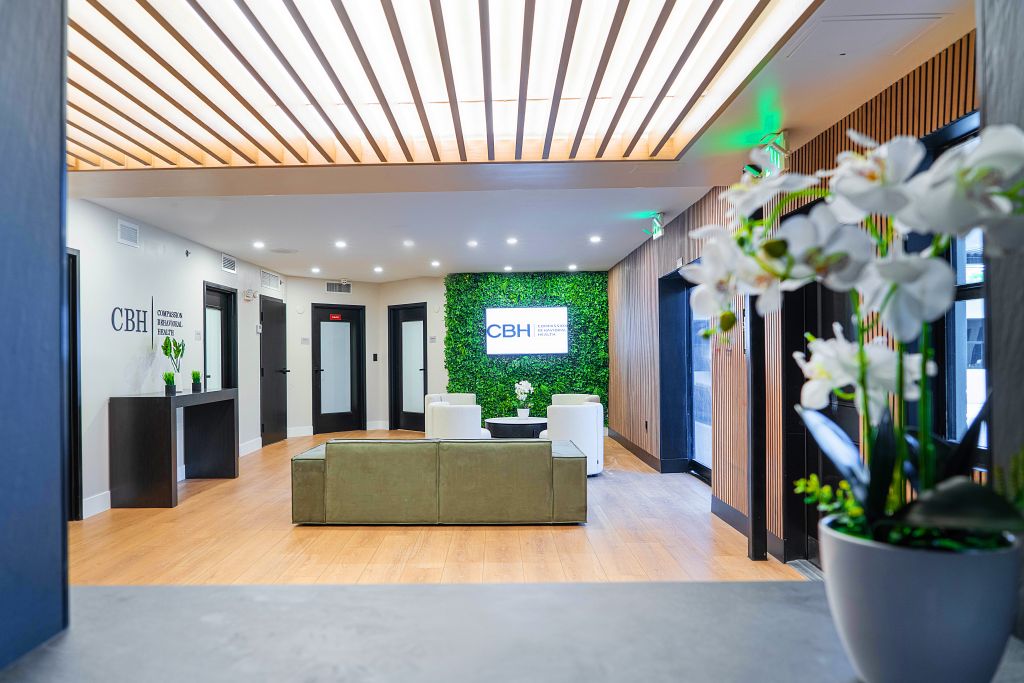
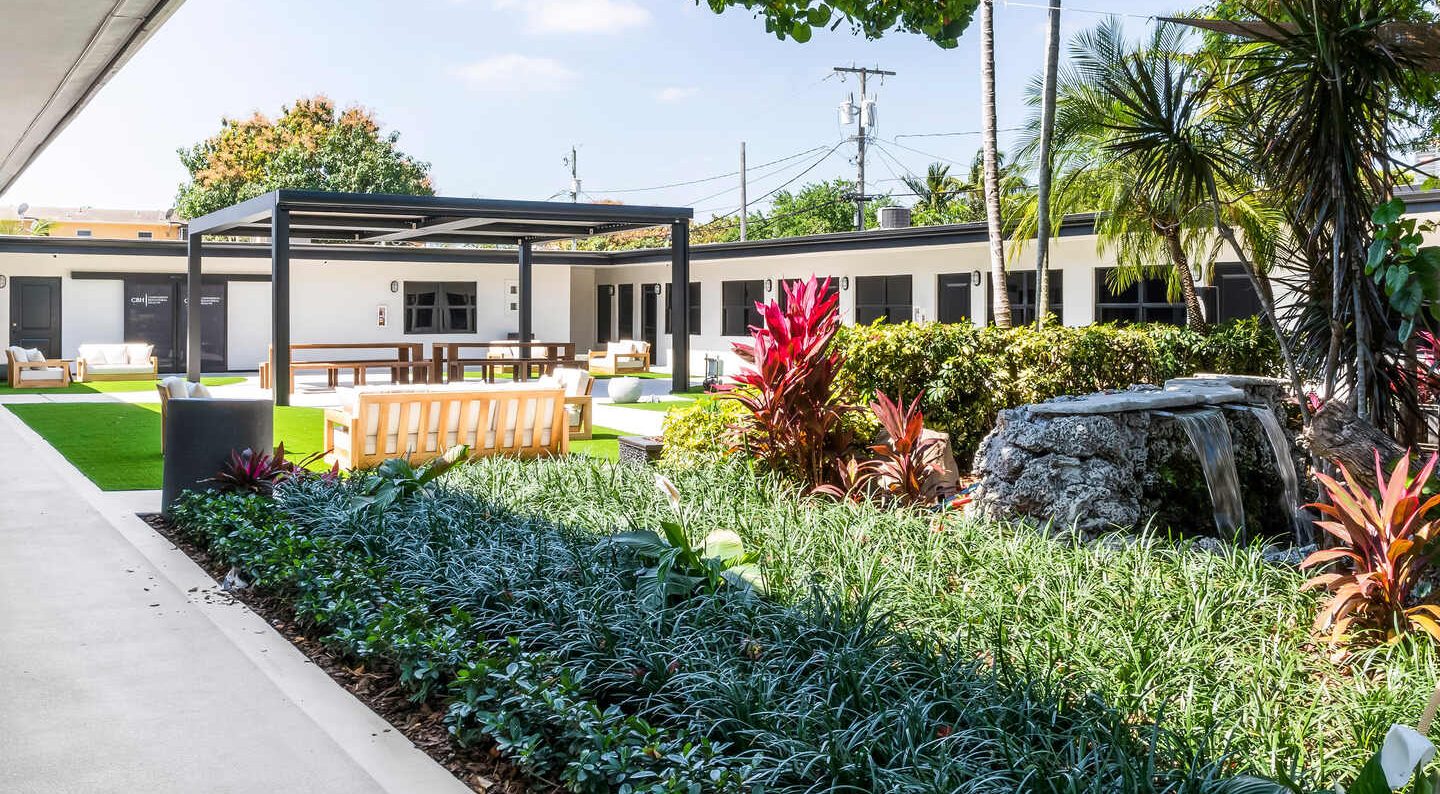
At Compassion Behavioral Health in South Florida, cocaine addiction treatment begins with a comprehensive psychiatric evaluation by Dr. Daud, board-certified in both psychiatry and addiction psychiatry. Before a treatment plan is designed, every co-occurring mental health condition is identified alongside the cocaine use disorder. Both are addressed simultaneously from the first day of admission at CBH’s Hollywood, Florida residential program.
Our outcomes are third-party verified: 159% improvement in depression outcomes, 167% improvement in anxiety outcomes, and 88% improvement in PTSD outcomes, measured by Greenspace Health across more than 1,000 patient surveys. Cocaine addiction treatment in South Florida at CBH is built around treating the mental health driving the use. Call 844-503-0126 for a free clinical assessment. All calls are completely confidential.
Why Mental Health Drives Cocaine Use
Cocaine is a powerful central nervous system stimulant that produces a rapid and intense dopamine surge, generating feelings of euphoria, energy, confidence, and focused clarity. For people with certain mental health conditions, these effects are not just pleasurable. They are functional. Cocaine can temporarily resolve the symptoms of depression, provide the focus that ADHD prevents, override the emotional numbness of PTSD, or deliver the elevated mood that bipolar depression removes. The problem is that every dose of cocaine depletes dopamine, deepening the underlying condition and requiring more cocaine to produce the same temporary resolution.
This is why standard addiction treatment that focuses on the cocaine use without addressing the mental health condition driving it produces such high relapse rates. The person achieves sobriety, the mental health symptoms resurface without the cocaine that was managing them, and the pull back toward use becomes overwhelming. CBH’s founding clinical principle, that mental health conditions drive substance use, is nowhere more clinically relevant than in cocaine addiction treatment.
Mental Health Conditions That Commonly Co-Occur With Cocaine Use
Depression and Cocaine Use
Cocaine temporarily reverses the core symptoms of depression: low energy becomes high energy, diminished motivation becomes drive, and hopelessness becomes confidence. For someone with untreated or inadequately treated depression, cocaine can feel like a cure. Over repeated use, cocaine depletes the dopamine and serotonin systems that depression already compromises, producing deeper depression between uses and a narrowing cycle in which cocaine becomes the only available relief. At CBH, depression and cocaine use disorder are treated simultaneously. CBH’s verified 159% improvement in depression outcomes reflects the effectiveness of treating the depression directly rather than only addressing the substance use.
ADHD and Cocaine Use
ADHD involves a dysregulation of the dopamine system that produces chronic difficulty with focus, sustained attention, impulse control, and executive functioning. Cocaine’s dopamine surge temporarily resolves all of these deficits, producing the focused, organized, high-functioning state that ADHD prevents. Many people with undiagnosed ADHD discover cocaine as a teenager or young adult and recognize immediately that it produces the cognitive state they have been unable to achieve any other way. At CBH, ADHD is assessed at admission and addressed within the dual-diagnosis treatment plan alongside the cocaine use disorder.
PTSD and Cocaine Use
PTSD is characterized by hyperarousal, intrusive memories, emotional numbing, and the persistent inability to feel safe. Cocaine’s stimulant effects can initially create a sense of power and invulnerability that overrides the helplessness of PTSD. Over time, cocaine exacerbates anxiety and hyperarousal, worsens sleep, and intensifies the emotional volatility that PTSD generates. At CBH, PTSD and cocaine use disorder are treated within the same dual-diagnosis program, with EMDR available at the PHP and IOP levels for clients whose cocaine use has been driven by unprocessed trauma.
Bipolar Disorder and Cocaine Use
Cocaine use in bipolar disorder is most common during depressive phases, where it temporarily provides the elevated mood, energy, and motivation that the illness removes. It can also be used to extend or amplify hypomanic states. The combination of bipolar disorder and cocaine use creates significant pharmacological complexity: cocaine interferes with mood stabilizers, can trigger manic episodes, and makes accurate diagnosis of the mood disorder more difficult. CBH’s dual board-certified psychiatric team is specifically qualified to manage this complexity, treating both conditions simultaneously with the clinical precision that bipolar disorder with cocaine use disorder requires.
Anxiety and Cocaine Use
While cocaine can worsen anxiety over time, in the early phases of use, many people with social anxiety or performance anxiety find that cocaine temporarily eliminates the inhibition and self-consciousness that anxiety creates. Social situations become manageable, performance anxiety disappears, and the person experiences a version of themselves they prefer. As use escalates, cocaine reliably produces intense anxiety during the come-down phase, creating a cycle in which more cocaine is needed to manage the anxiety that cocaine itself is generating. At CBH, anxiety and cocaine use disorder are addressed together throughout the treatment continuum.
Cocaine Treatment Program in South Florida: CBH Hollywood and Fort Lauderdale
CBH’s cocaine treatment program in South Florida operates across two facilities with a single clinical team, a single psychiatrist, and a single dual-diagnosis treatment philosophy at every level.
Residential Cocaine Treatment, Hollywood, FL
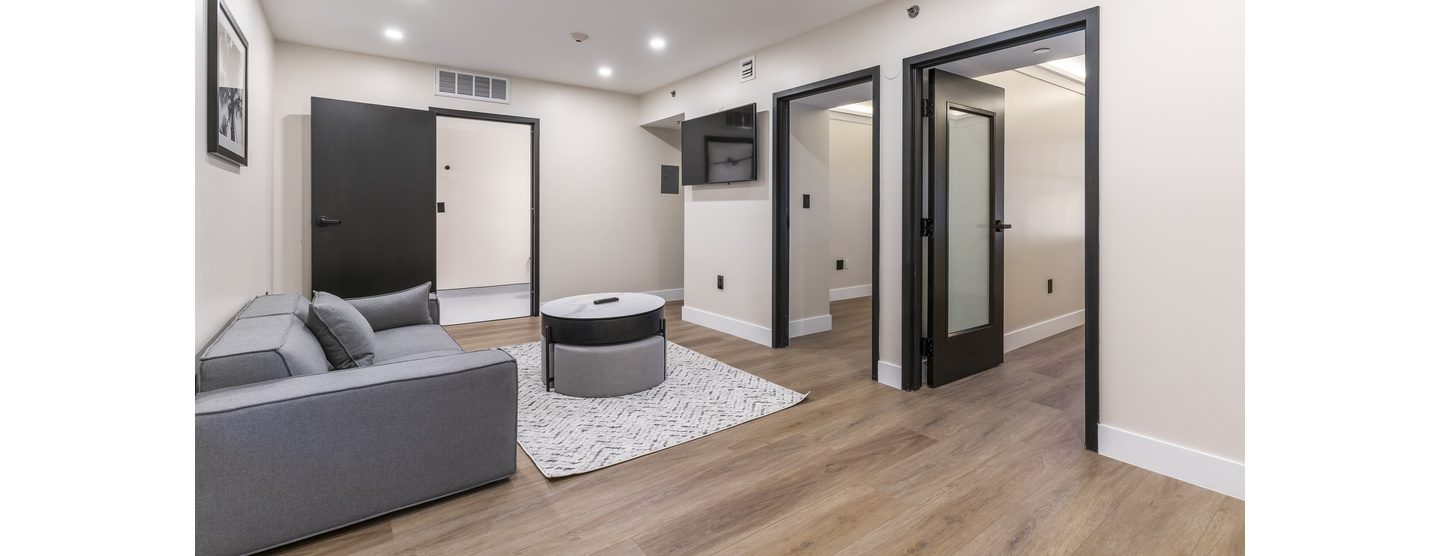
CBH’s 29-bed residential program in Hollywood, Florida, provides the foundational cocaine addiction treatment. There is no medical detox required for cocaine specifically, as cocaine does not produce the physical withdrawal that alcohol and benzodiazepines do. However, the psychological withdrawal from cocaine, characterized by profound depression, anhedonia, fatigue, intense cravings, and disrupted sleep, requires clinical management and psychiatric support. CBH’s residential program in Hollywood provides this support with daily individual therapy, group therapy, psychiatric care, and medication management alongside CBT, DBT, and neurofeedback.
Caseloads at CBH’s Hollywood residential program are held to 8 to 10 clients per therapist. The Clinical Director knows every client by name. For adults in South Florida seeking cocaine addiction treatment in a residential setting that provides genuine individualized care rather than a factory-floor treatment model, CBH’s 29-bed program is structurally different from larger facilities.
PHP, Fort Lauderdale, FL
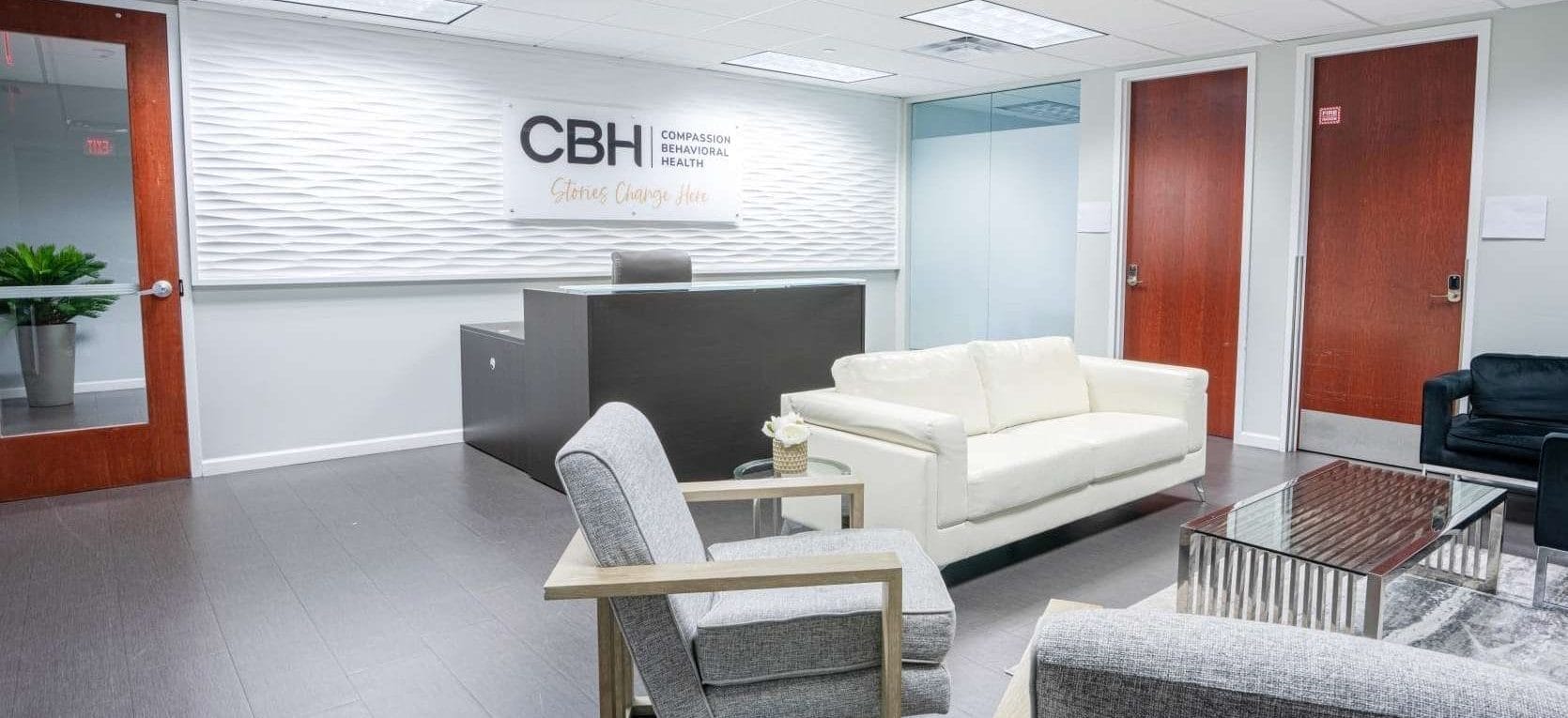
Following residential stabilization, PHP at CBH’s Fort Lauderdale facility provides a minimum of 20 hours of structured treatment per week. The deeper therapeutic work of cocaine addiction treatment occurs at PHP: EMDR for trauma-driven cocaine use, family therapy, cognitive restructuring of the beliefs driving use, and the relapse prevention planning that addresses the specific high-risk situations and triggers for each client’s cocaine use pattern. Both the mental health condition and the cocaine use disorder remain active clinical priorities throughout PHP.
IOP, Fort Lauderdale, FL
IOP at CBH’s Fort Lauderdale facility provides at least 12 hours of structured treatment per week while clients rebuild independence in South Florida. Relapse prevention for cocaine use disorder is a core IOP deliverable, producing a personalized plan that addresses craving management, high-risk situation navigation, support network engagement, and the mental health management strategies that reduce the pull back toward cocaine when the underlying conditions resurface.

Cocaine Addiction Rehab in South Florida: Why CBH
- Mental health is treated as the primary diagnosis: depression, ADHD, PTSD, bipolar disorder, or anxiety. Driving the cocaine use is identified at admission and treated simultaneously
- Dr. Daud, board-certified in psychiatry and addiction psychiatry, oversees all evaluations and medication management
- 159% improvement in depression outcomes, 167% improvement in anxiety outcomes, 88% improvement in PTSD outcomes, all third-party verified by Greenspace Health
- 29-bed residential cocaine addiction treatment program in Hollywood, FL, with caseloads of 8 to 10 clients per therapist
- PHP and IOP in Fort Lauderdale with EMDR available for trauma-driven cocaine use
- GeneSight genetic testing for clients with co-occurring treatment-resistant mental health conditions
- Neurofeedback for nervous system dysregulation in PTSD and anxiety presentations, driving cocaine use
- Full continuum from residential through IOP with the same clinical team at every level
- In-network with Aetna, Blue Cross Blue Shield, Cigna, Optum, Curative, TRICARE East, and the VA
- Joint Commission accredited, NAMI affiliated, AHCA, and DCF licensed
- 633 or more Google reviews across both South Florida locations
Frequently Asked Questions: Cocaine Addiction Treatment in South Florida
Does CBH offer cocaine addiction treatment in South Florida?
Yes. CBH offers a comprehensive cocaine addiction treatment program in South Florida, including residential treatment at its Hollywood, Florida, facility and PHP and IOP at its Fort Lauderdale facility. CBH’s cocaine addiction treatment is built around a dual-diagnosis mental health-first model: the mental health condition driving the cocaine use is identified at admission and treated alongside the cocaine use disorder from day one. Call 844-503-0126 for a free clinical assessment.
What is a cocaine treatment program?
A cocaine treatment program is a structured behavioral health program that addresses cocaine use disorder through evidence-based therapies, including CBT, DBT, motivational interviewing, psychiatric care, and medication management. Effective cocaine treatment programs address the mental health conditions that co-occur with cocaine use, including depression, ADHD, PTSD, bipolar disorder, and anxiety, as primary clinical targets alongside the cocaine use disorder itself. At CBH in South Florida, the cocaine treatment program spans residential treatment in Hollywood and PHP and IOP in Fort Lauderdale with the same clinical team at every level.
Is cocaine addiction treatment available in Florida?
Yes. CBH offers cocaine addiction treatment in South Florida at its Hollywood residential facility and Fort Lauderdale PHP and IOP programs. CBH serves adults from throughout South Florida, including Fort Lauderdale, Hollywood, Boca Raton, Broward County, and surrounding areas. CBH is in-network with most major commercial insurance plans, including Aetna, Blue Cross Blue Shield, Cigna, Optum, TRICARE East, and the VA. Call 844-503-0126 for a free benefits verification and clinical assessment.
Does cocaine addiction require medical detox?
Cocaine does not produce the same physical withdrawal syndrome as alcohol or benzodiazepines, so medical detox for cocaine is not typically required for safety reasons. However, cocaine withdrawal produces significant psychological symptoms, including profound depression, anhedonia, fatigue, intense cravings, and sleep disruption that require clinical management and psychiatric support. At CBH’s residential program in Hollywood, the clinical and psychiatric team provides this support from the first day of admission, managing the psychological withdrawal while simultaneously beginning treatment for any co-occurring mental health conditions.
What mental health conditions co-occur with cocaine addiction?
The most common mental health conditions co-occurring with cocaine use disorder are depression, ADHD, PTSD, bipolar disorder, and anxiety disorders. In many cases, the mental health condition preceded the cocaine use, and the cocaine developed as a self-medication for untreated symptoms. At CBH, every client receives a comprehensive psychiatric evaluation at admission that identifies all co-occurring conditions, and both the mental health diagnosis and the cocaine use disorder are addressed simultaneously throughout the residential and outpatient treatment program in South Florida.
Does insurance cover cocaine addiction rehab in South Florida?
Yes. Most commercial insurance plans cover cocaine addiction treatment, including residential treatment, PHP, and IOP, under the federal mental health parity law. CBH is in-network with Aetna, Blue Cross Blue Shield, Cigna, Optum, Curative, TRICARE East, and the VA. Our admissions team verifies benefits at no cost before any decisions are made. Call 844-503-0126 for a free benefits verification at CBH’s South Florida locations in Hollywood and Fort Lauderdale.
What is the difference between cocaine addiction rehab and standard addiction treatment?
Standard addiction treatment focuses primarily on the substance use behavior: detox, withdrawal management, relapse prevention, and behavioral support. Cocaine addiction rehab at CBH in South Florida goes further by identifying and treating the mental health conditions driving the cocaine use. Depression, ADHD, PTSD, bipolar disorder, and anxiety are assessed and treated as primary diagnoses alongside the cocaine use disorder, producing a treatment plan that addresses what is actually driving the pattern rather than only the pattern itself.
Cocaine Addiction Treatment in South Florida: CBH Hollywood and Fort Lauderdale
If you or someone you love is in South Florida and dealing with cocaine use that has not responded to prior treatment, or that is clearly connected to depression, ADHD, anxiety, PTSD, or another mental health condition that has never been properly identified or treated, CBH’s programs in Hollywood and Fort Lauderdale are built around that clinical reality.
Residential cocaine addiction treatment in Hollywood. PHP and IOP in Fort Lauderdale. The mental health condition was identified and treated alongside the cocaine use disorder from day one. The same psychiatrist and clinical team at every level. 633 or more Google reviews. Joint Commission accredited. In-network with major insurance carriers.
159% depression improvement. 167% anxiety improvement. 88% PTSD improvement. Verified. Because treating only the cocaine use without treating the mental health driving it is why treatment fails. And treating both is why stories change here.
Call 844-503-0126 now. Available 24 hours a day, seven days a week. All calls are completely confidential. Insurance verified at no cost.
