












Amphetamine addiction in South Florida most commonly arrives through a prescription. Adderall for ADHD that was legitimate at first and became something else. Vyvanse is taken at higher doses than prescribed because the dose that helps with focus also helps with energy, weight, and everything else that feels out of control. Adderall was borrowed from a roommate in college, who became a daily necessity a decade later. The prescription pathway to stimulant dependence is more common than the street drug pathway, and it carries its own specific clinical picture that needs to be understood and addressed directly.
At Compassion Behavioral Health in South Florida, amphetamine addiction treatment begins with a comprehensive psychiatric evaluation by Dr. Daud, board-certified in both psychiatry and addiction psychiatry. The evaluation identifies every co-occurring mental health condition alongside the stimulant use disorder. ADHD, depression, anxiety, and bipolar disorder are the most common co-occurring presentations. The treatment plan addresses both the amphetamine dependence and the underlying mental health condition simultaneously from the first day of admission at CBH’s Hollywood, Florida, residential program.
Our outcomes are third-party verified: 159% improvement in depression outcomes and 167% improvement in anxiety outcomes, measured by Greenspace Health across more than 1,000 patient surveys. These are the conditions most commonly driving amphetamine misuse in CBH’s client population. Call 844-503-0126 for a free clinical assessment.
Adderall and Prescription Amphetamine Addiction in South Florida
Adderall and Vyvanse are amphetamine-based medications prescribed primarily for Attention Deficit Hyperactivity Disorder. They work by increasing dopamine and norepinephrine activity, thereby improving focus, attention, and impulse control in people whose neurological profiles make these functions difficult to sustain. People with ADHD are often genuinely helpful. For people without ADHD, and for people with ADHD who use them beyond the prescribed dose, they produce a dopamine surge that the brain’s reward system learns to require.
Prescription stimulant misuse has become one of the most prevalent substance use patterns among young adults in South Florida and nationally. The misuse often begins in college, where Adderall is widely used as a study aid, and continues into professional life, where the performance pressure remains but the social context changes. Many people who develop Adderall dependence do not recognize it as addiction because the medication was prescribed legitimately. After all, it appears to be helping them function, and because stopping it produces the exact deficits, fatigue, and cognitive fog that ADHD produces naturally, making it genuinely difficult to distinguish between withdrawal and the re-emergence of the original condition.
At CBH, the clinical evaluation process for amphetamine addiction specifically addresses this question: Is the stimulant use treating a real ADHD presentation that needs non-stimulant clinical management, or is the ADHD diagnosis itself a post-hoc justification for stimulant dependence that developed through misuse? This distinction matters because the treatment plans for these two presentations are meaningfully different.
Amphetamine Detox Center in South Florida: What to Expect
Amphetamine withdrawal does not carry the same medical risks as alcohol or benzodiazepine withdrawal. There are no seizures and no life-threatening physical symptoms in amphetamine withdrawal. However, the psychological withdrawal from amphetamines is clinically significant and requires structured clinical support for most people to navigate successfully.
Amphetamine Withdrawal Symptoms
The withdrawal syndrome from amphetamines is characterized by what clinicians call the crash: profound fatigue and hypersomnia, intense depression and anhedonia, increased appetite, slowed thinking, and powerful drug craving. For people who have been using amphetamines to manage ADHD, depression, or anxiety, the withdrawal period brings the full return of those symptoms alongside the withdrawal-specific effects. Without clinical support, the discomfort of the crash is the primary driver of relapse in the days immediately following discontinuation.
CBH’s Approach to Amphetamine Withdrawal
At CBH’s residential program in Hollywood, Florida, amphetamine withdrawal is managed with psychiatric support, sleep management, nutritional restoration, and the clinical and peer community structure that helps clients tolerate the crash period. Non-stimulant medications for ADHD or depression are initiated during the withdrawal phase when clinically indicated, providing neurological support during the period when the dopamine system is recovering from stimulant depletion. The goal is to get the client through the withdrawal period with enough clinical support that the crash does not become the reason they return to amphetamine use.
Teen and Young Adult Amphetamine Addiction Treatment in South Florida
Prescription stimulant misuse is most prevalent among adolescents and young adults, driven by academic pressure, performance demands, and the widespread availability of Adderall and Vyvanse in educational settings. Many young adults in South Florida who develop Adderall dependence began using it without a prescription in high school or college and are now dealing with a dependence that has followed them into adult life.
CBH’s adult residential program in Hollywood serves adults 18 and over. For young adults in this age range who are dealing with amphetamine dependence, CBH’s program provides the dual-diagnosis clinical model that addresses both the stimulant dependence and the underlying ADHD, depression, or anxiety that may have made amphetamine misuse feel functional or necessary. The clinical team’s experience with ADHD specifically makes CBH particularly suited to the young adult presentation, where the ADHD-stimulant relationship is clinically complex and requires careful assessment.
Family involvement through CBH’s Family Program is particularly important for young adult clients, where parents are often the people initiating the treatment search and where family dynamics around academic performance and pressure may have contributed to the stimulant misuse pattern.
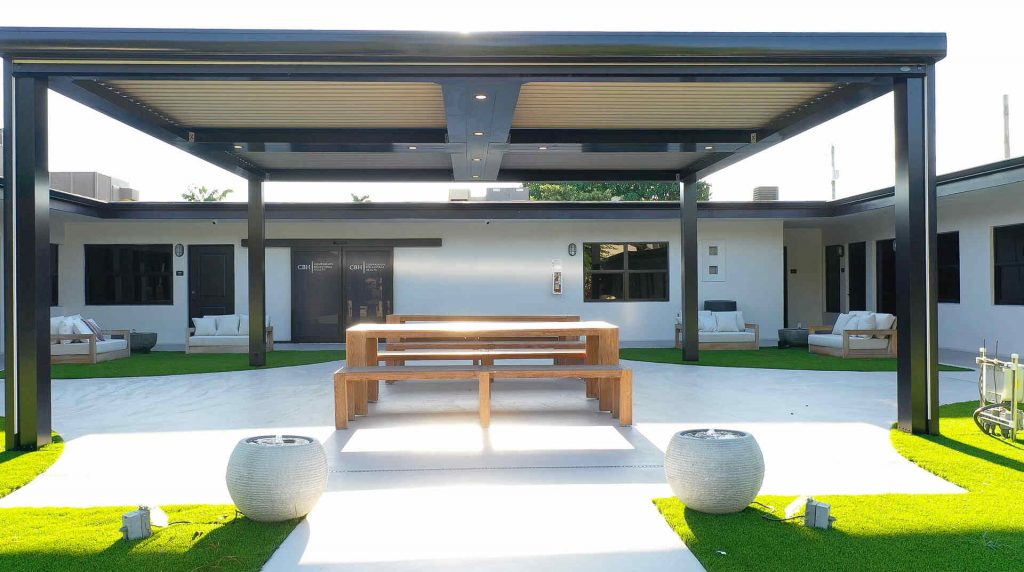
Amphetamine Addiction Treatment Across CBH’s South Florida Continuum
Residential Treatment, Hollywood, FL
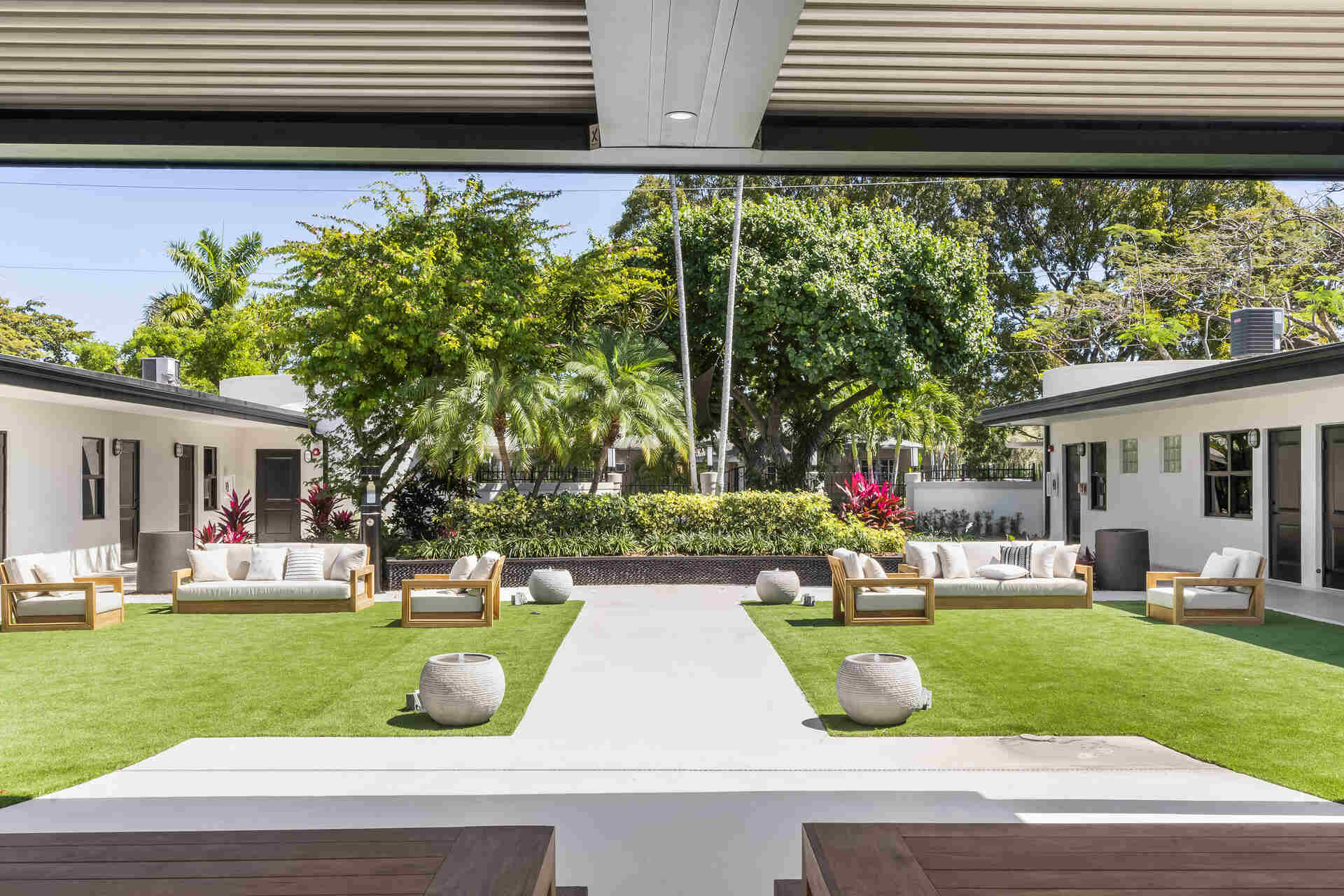
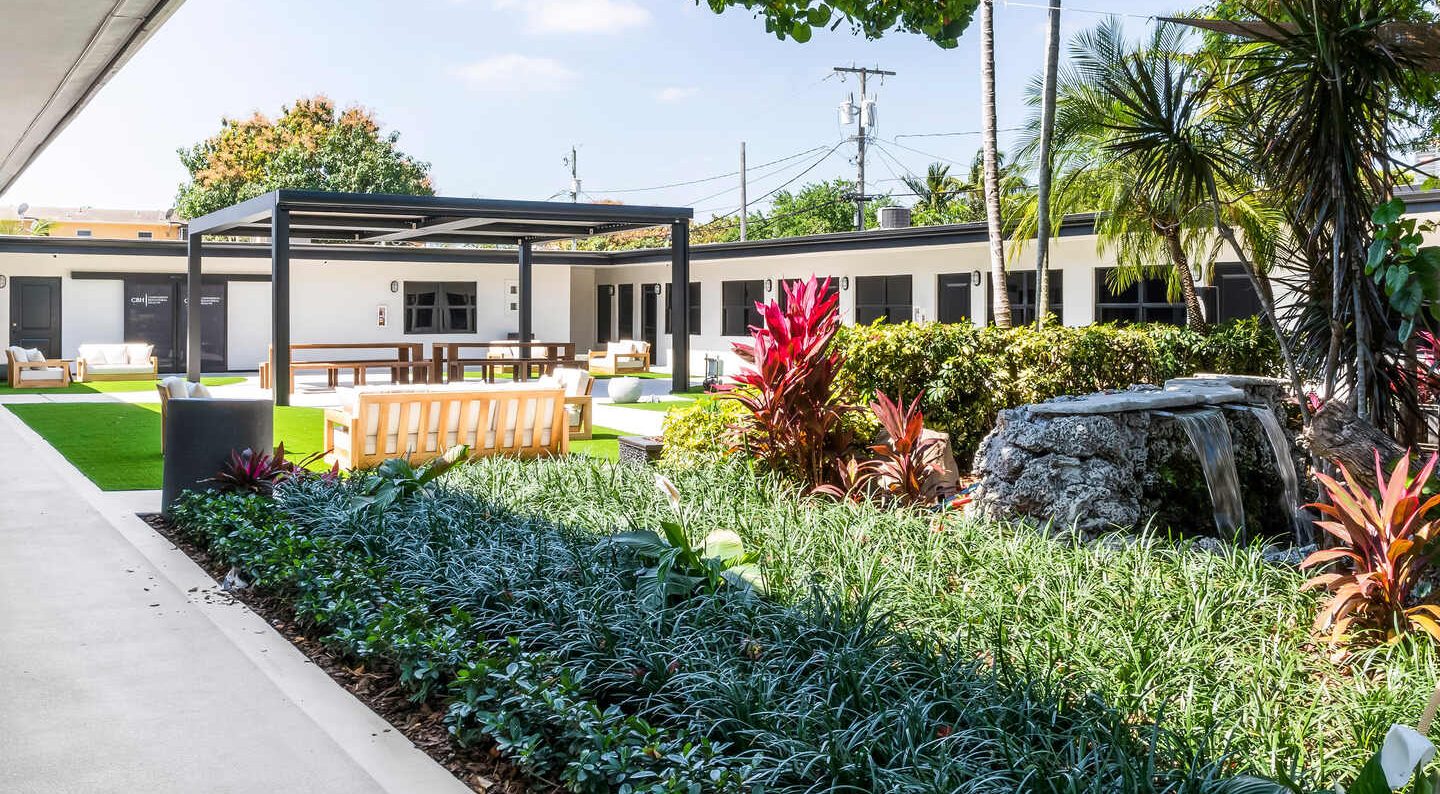
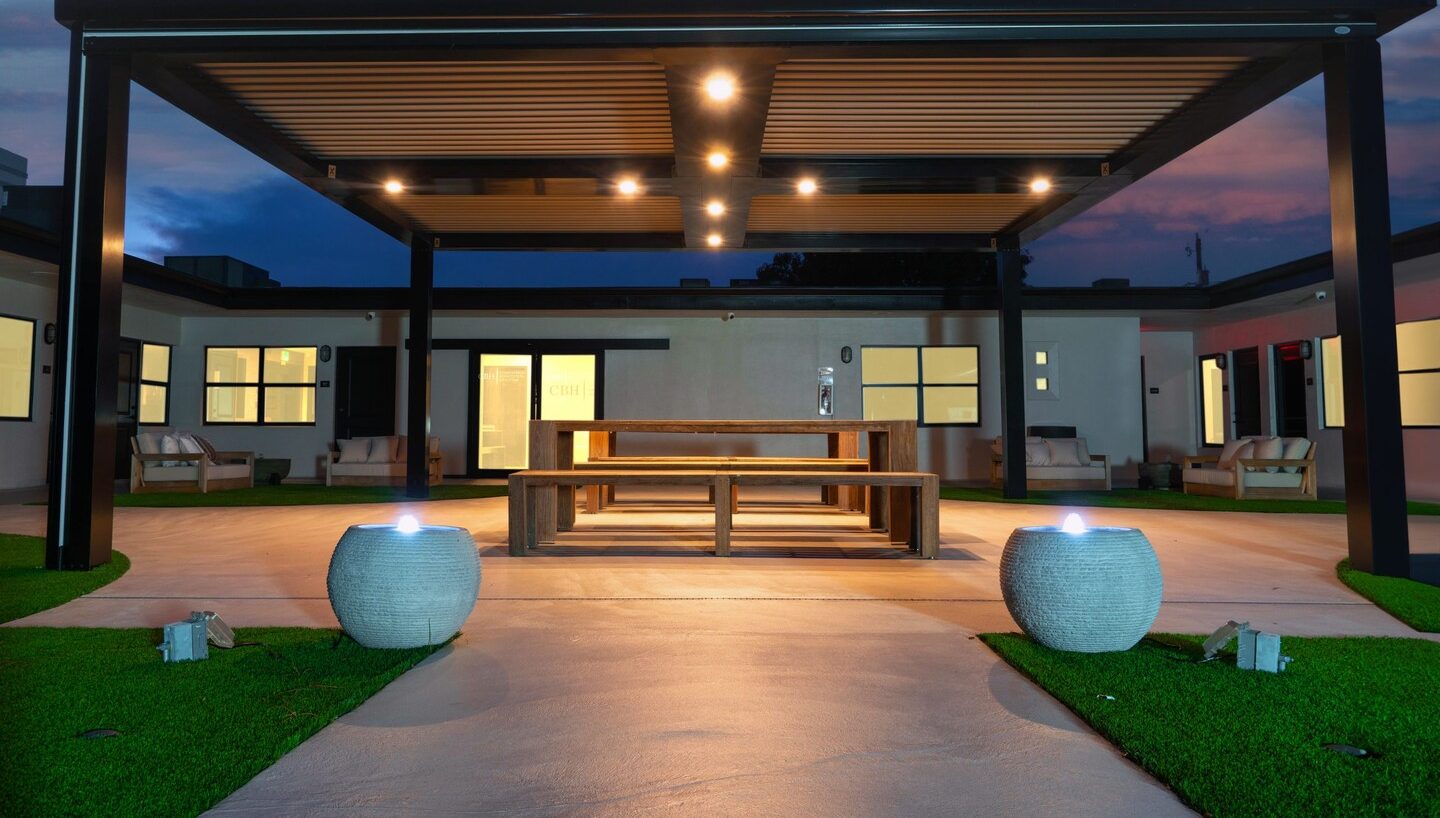
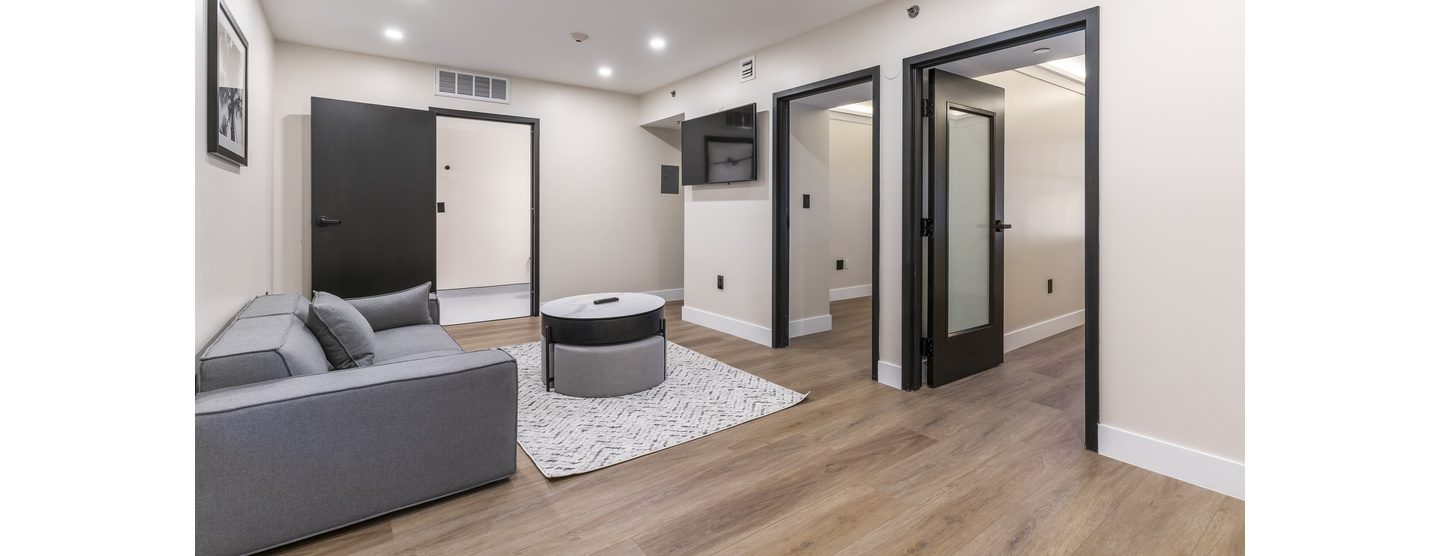
CBH’s 29-bed residential program in Hollywood provides the foundational dual-diagnosis amphetamine addiction treatment. Withdrawal management, psychiatric stabilization, non-stimulant ADHD or depression medication initiation when indicated, individual therapy, daily group therapy, CBT, DBT, and neurofeedback address both the stimulant use disorder and the co-occurring mental health conditions simultaneously. Caseloads of 8 to 10 clients per therapist. The Clinical Director knows every client by name.
PHP, Fort Lauderdale, FL
PHP in Fort Lauderdale provides a minimum of 20 hours of structured treatment per week. The deeper cognitive and emotional work occurs at PHP: CBT for the executive functioning deficits of ADHD, EMDR for trauma-driven stimulant use, family therapy, and the development of the non-stimulant functioning strategies that will carry the client through IOP and beyond. Both the mental health condition and the stimulant use disorder remain active clinical priorities.
IOP, Fort Lauderdale, FL
IOP in Fort Lauderdale provides at least 12 hours of structured treatment per week while clients rebuild independence. Relapse prevention for amphetamine use disorder addresses both the stimulant-specific triggers, including academic or professional performance pressure, social situations where amphetamine use was normalized, and fatigue and cognitive demands that previously drove use, and the mental health management strategies that reduce the pull back toward stimulants when the underlying conditions resurface.
Why CBH for Amphetamine Addiction Treatment in South Florida
- Mental health is treated as the primary diagnosis: ADHD, depression, anxiety, and bipolar disorder. Driving amphetamine use is identified at admission and treated simultaneously
- Dr. Daud, board-certified in psychiatry and addiction psychiatry, oversees all evaluations and non-stimulant medication management
- Non-stimulant ADHD treatment established during residential, providing functional cognitive support without continued amphetamine use
- 159% improvement in depression outcomes, 167% improvement in anxiety outcomes, all third-party verified by Greenspace Health
- CBT for ADHD executive functioning deficits integrated into individual therapy
- Neurofeedback for attention and cognitive regulation in ADHD and co-occurring presentations
- 29-bed residential program in Hollywood with caseloads of 8 to 10 clients per therapist
- Full continuum from residential through IOP with the same clinical team at every South Florida level
- In-network with Aetna, Blue Cross Blue Shield, Cigna, Optum, Curative, TRICARE East, and the VA
- Joint Commission accredited, NAMI affiliated, AHCA, and DCF licensed
- 633 or more Google reviews across both South Florida locations
Frequently Asked Questions: Amphetamine Addiction Treatment in South Florida
Does CBH offer amphetamine addiction treatment in South Florida?
Yes. CBH offers amphetamine addiction treatment in South Florida at its Hollywood residential program and Fort Lauderdale PHP and IOP. CBH’s amphetamine addiction treatment addresses the underlying mental health conditions driving stimulant use, including ADHD, depression, anxiety, and bipolar disorder, simultaneously with the stimulant use disorder from day one. Call 844-503-0126 for a free clinical assessment.
Is there an amphetamine detox center in South Florida?
Yes. CBH’s Hollywood, Florida residential program serves as an amphetamine detox center in South Florida, providing clinical support through the amphetamine withdrawal period, including psychiatric management, non-stimulant medication initiation when indicated, and the structured residential environment that helps clients navigate the crash phase safely. Amphetamine withdrawal does not carry the seizure risk of alcohol or benzodiazepine withdrawal, but the psychological withdrawal symptoms require clinical support. Call 844-503-0126 to begin the admissions process.
What is the best Adderall rehab in South Florida?
The best Adderall rehab in South Florida is one that addresses both the Adderall dependence and the ADHD, depression, or anxiety that made Adderall use functional or necessary. CBH’s dual-diagnosis residential program in Hollywood identifies all co-occurring mental health conditions at admission and treats them alongside the stimulant use disorder simultaneously. Dr. Daud’s dual board certification in psychiatry and addiction psychiatry makes CBH specifically suited to the pharmacological complexity of Adderall dependence with co-occurring ADHD. Call 844-503-0126 for a free assessment.
Can teenagers get amphetamine addiction treatment at CBH?
CBH’s residential program serves adults 18 and over. For young adults aged 18 and above who are dealing with amphetamine or Adderall dependence, CBH’s dual-diagnosis residential program in Hollywood provides the ADHD-specific clinical approach that many young adult stimulant dependence presentations require. Family therapy through CBH’s Family Program is available for parents and family members involved in supporting a young adult’s recovery. Call 844-503-0126 to discuss whether CBH’s program is the right fit.
What mental health conditions co-occur with amphetamine addiction?
The most common mental health conditions co-occurring with amphetamine and prescription stimulant addiction are ADHD, depression, anxiety disorders, and bipolar disorder. In many cases, the stimulant use developed as a self-medication for one of these conditions, either through a legitimate prescription that became dependence or through non-prescribed use that filled a neurological deficit the person did not have a clinical name for. At CBH, every client receives a comprehensive psychiatric evaluation that identifies all co-occurring conditions, and all are treated simultaneously throughout the South Florida treatment continuum.
Does insurance cover amphetamine addiction treatment in South Florida?
Yes. Most commercial insurance plans cover amphetamine addiction treatment, including residential care, PHP, and IOP, under the federal mental health parity law. CBH is in-network with Aetna, Blue Cross Blue Shield, Cigna, Optum, Curative, TRICARE East, and the VA. Our admissions team verifies benefits at no cost before any decisions are made. Call 844-503-0126 for a free benefits verification at CBH’s South Florida locations.
What is amphetamine addiction recovery like in South Florida?
Amphetamine addiction recovery at CBH in South Florida begins with residential treatment in Hollywood, where withdrawal is managed clinically, and the dual-diagnosis treatment plan addressing both the stimulant use disorder and the co-occurring mental health conditions is initiated. PHP in Fort Lauderdale deepens the therapeutic work, including the development of non-stimulant strategies for ADHD, depression, or anxiety management. IOP in Fort Lauderdale applies these strategies to real-world performance and productivity demands with ongoing clinical support, building the functional foundation that makes sustained recovery without stimulants realistic.
Amphetamine Addiction Treatment in South Florida: CBH Hollywood and Fort Lauderdale
If you or someone you love is in South Florida dealing with Adderall, Vyvanse, or amphetamine dependence, whether it started with a prescription or not, CBH’s programs in Hollywood and Fort Lauderdale are built around treating the full clinical picture.
Residential amphetamine addiction treatment in Hollywood. ADHD is addressed through non-stimulant clinical means. Depression, anxiety, and bipolar disorder are treated alongside the stimulant use disorder from day one. The same clinical team from residential through IOP. 633 or more Google reviews. Joint Commission accredited. In-network with major insurance carriers.
159% depression improvement. 167% anxiety improvement. Verified. Because Adderall dependence is not a character flaw. It is a clinical presentation with specific mental health conditions driving it. And treating both is how stories change here.
Call 844-503-0126 now. Available 24 hours a day, seven days a week. All calls are completely confidential. Insurance verified at no cost.
