





































Most alcohol treatment programs treat the drinking. Compassion Behavioral Health treats what is driving it.
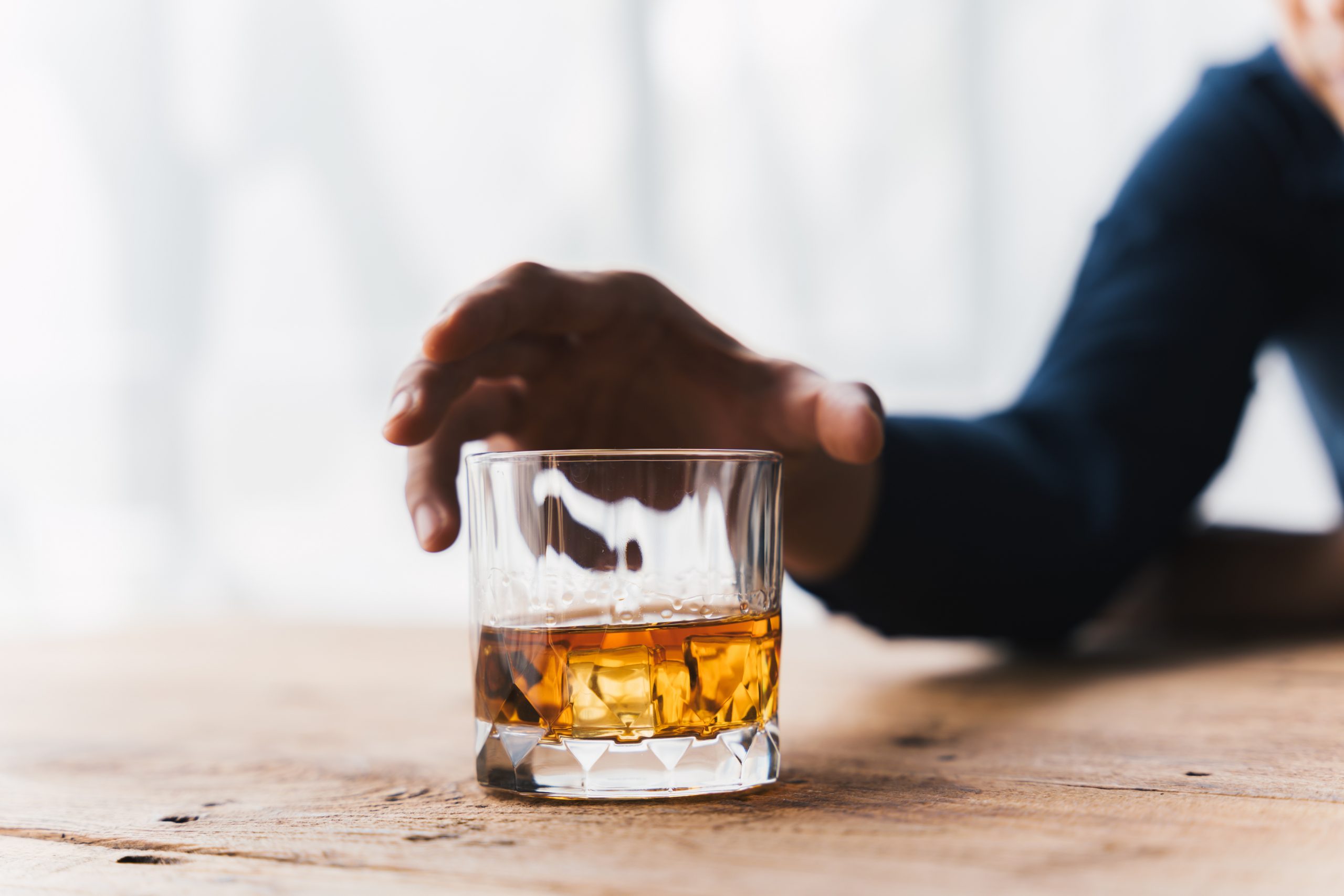
Alcohol is one of the most effective short-term solutions to untreated mental health conditions that exist. Depression lifts temporarily. Anxiety becomes manageable. PTSD flashbacks quiet down. Bipolar depression becomes bearable. The problem is that alcohol worsens every one of these conditions over time, requiring more alcohol to produce the same relief, deepening the underlying disorder, and making both harder to treat. Someone who has been drinking for years to manage depression or anxiety is not primarily an addict. They are a person with untreated depression or anxiety who found a chemical solution that stopped working.
At CBH in South Florida, alcohol addiction treatment begins with a comprehensive psychiatric evaluation by Dr. Daud, board-certified in both psychiatry and addiction psychiatry. The evaluation identifies every co-occurring mental health condition alongside the alcohol use disorder, and the treatment plan addresses both with equal clinical weight from the first day of admission. Our verified outcomes reflect this approach: 159% improvement in depression, 167% improvement in anxiety, and 88% improvement in PTSD across more than 1,000 patient surveys by Greenspace Health. Call 844-503-0126 for a free assessment.
Why Alcohol Use and Mental Health Are Inseparable
Research consistently shows that more than half of people with alcohol use disorder have a co-occurring mental health condition. In many cases, the mental health condition came first, and the alcohol use developed as a coping mechanism. Depression, anxiety, PTSD, and bipolar disorder are the most common primary conditions driving alcohol use in CBH’s client population. Treating the alcohol use disorder without identifying and treating the underlying mental health condition is the single most common reason people relapse after completing an alcohol treatment program.
When the depression returns after sobriety is achieved, alcohol is the relief the person already knows works. When the anxiety becomes unmanageable without benzodiazepines or alcohol, the withdrawal from sobriety is predictable. The only treatment model that consistently produces durable recovery from alcohol use disorder in the presence of co-occurring mental health conditions treats both simultaneously, with equal clinical seriousness, from day one. That is CBH’s founding principle and the reason CBH exists.
Mental Health Conditions That Commonly Drive Alcohol Use
Depression and Alcohol Use
Alcohol is acutely effective at reducing the emotional pain of depression. It produces a temporary increase in dopamine and serotonin, quiets the negative self-talk, and allows the person to feel normal for a period of time. Over repeated use, alcohol depletes serotonin and worsens baseline depression, requiring more alcohol to achieve the same temporary relief. The person who entered the cycle moderately depressed exits it severely depressed, physically dependent, and with a much harder treatment picture than if the depression had been treated directly.
CBH’s residential program in Hollywood treats depression and alcohol use disorder simultaneously from day one. Medical detox manages the alcohol withdrawal safely. Psychiatric evaluation identifies the nature and severity of the depression. CBT, DBT, and medication management begin addressing the depression while the body is stabilizing from withdrawal. The result is a treatment course in which the mental health condition is receiving clinical attention at the same time as the substance use, not after it.
Anxiety and Alcohol Use
Anxiety is the most common co-occurring condition driving alcohol use in the United States. Alcohol is a central nervous system depressant that temporarily reduces the physiological arousal of anxiety, quiets the racing thoughts, and makes social situations feel manageable. For people with undiagnosed or undertreated anxiety disorders, alcohol becomes a reliable anxiety management tool, usually before any clinical treatment for the anxiety is ever sought.
Long-term alcohol use for anxiety management produces a well-documented paradox: alcohol withdrawal generates severe anxiety, often worse than the original anxiety disorder, creating a cycle in which the person cannot stop drinking without experiencing the very anxiety they were drinking to avoid. CBH’s medical detox program manages this withdrawal safely, and the psychiatric and therapy team begins anxiety treatment during detox, so the client is not left without clinical support for their anxiety as the alcohol is removed.
PTSD and Alcohol Use
PTSD is one of the strongest predictors of alcohol use disorder. Hyperarousal, intrusive memories, nightmares, and the constant sense of threat that characterize PTSD are temporarily quieted by alcohol. Many veterans, sexual assault survivors, and childhood trauma survivors discover that alcohol is the most effective tool they have found for managing PTSD symptoms, often long before they receive any formal PTSD diagnosis or treatment.
At CBH in South Florida, PTSD and alcohol use disorder are treated within the same clinical program. EMDR, the VA and APA-endorsed first-line PTSD treatment, is available at the PHP and IOP levels for clients whose alcohol use has been driven by unprocessed trauma. CBH is PsychArmor certified for military-competent care and accepts TRICARE East and VA Community Care Network authorizations for veteran clients.
Bipolar Disorder and Alcohol Use
Bipolar disorder co-occurs with alcohol use disorder at significantly higher rates than in the general population. Alcohol is commonly used to manage the depressive phase of bipolar disorder and, in some cases, to extend or enhance the elevated mood of hypomanic states. The combination of bipolar disorder and alcohol use creates a treatment picture of significant complexity: alcohol interferes with mood stabilizer medication, worsens the frequency and severity of mood episodes, and complicates the accurate diagnosis of both conditions.
At CBH, Dr. Daud’s dual board certification in psychiatry and addiction psychiatry is specifically suited to this complexity. Bipolar disorder and alcohol use disorder are assessed simultaneously at admission, and the treatment plan is built around both conditions with the pharmacological precision that bipolar disorder requires and that a psychiatrist with addiction specialization can provide.
Alcohol Addiction Treatment at CBH Hollywood: The Full Continuum
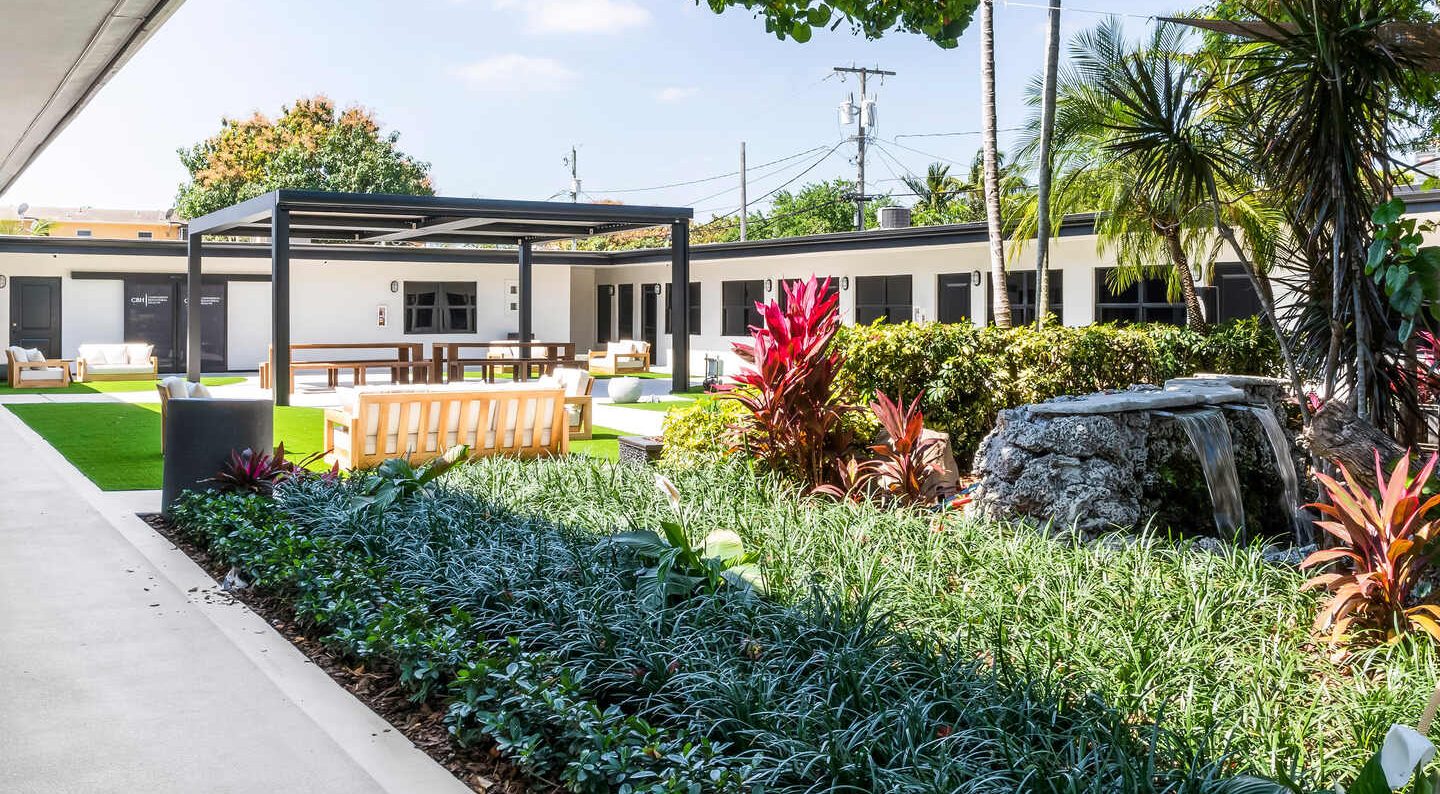
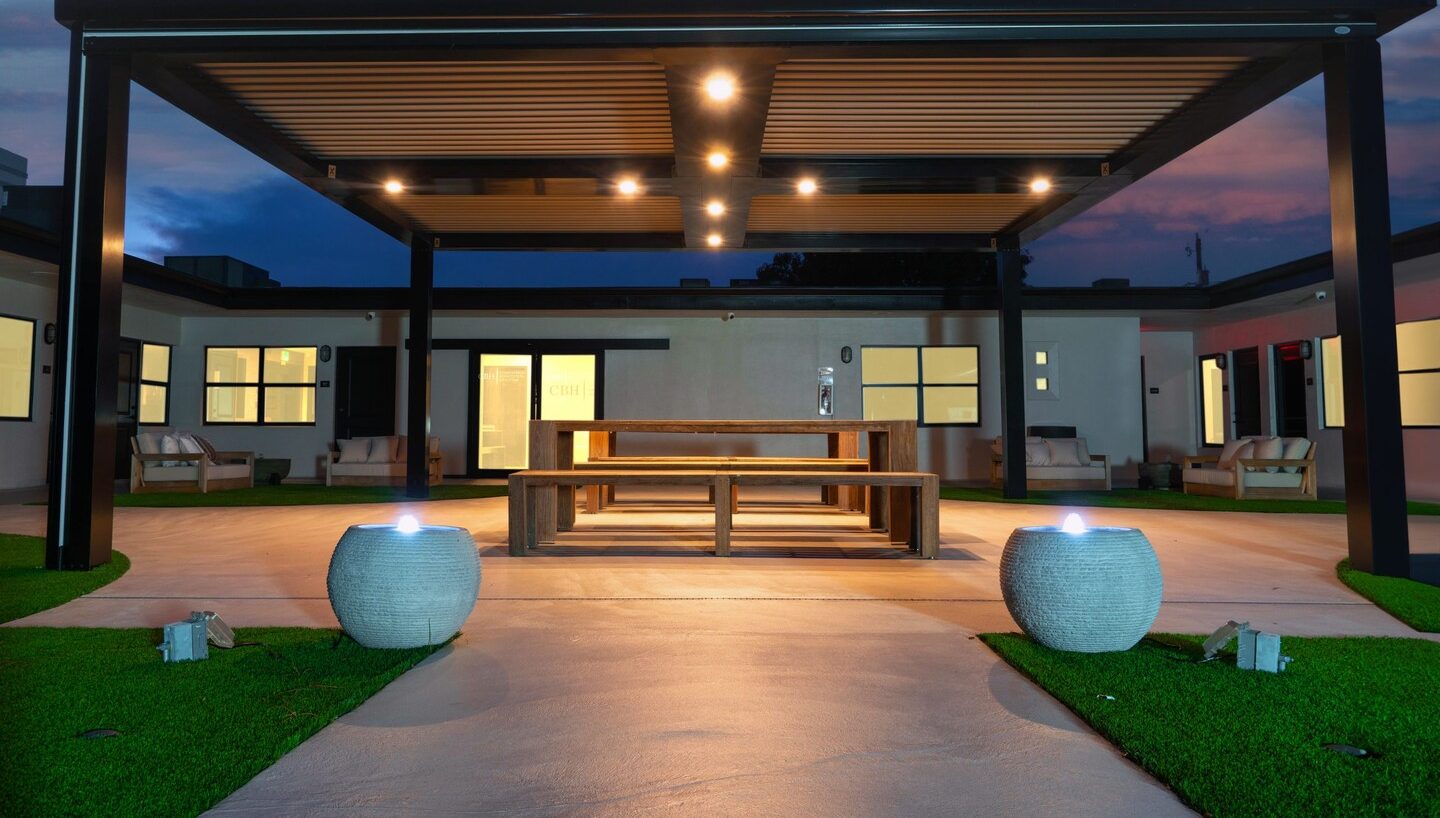
CBH provides the complete continuum of alcohol addiction treatment at its South Florida facilities. The residential program and medical detox are located in Hollywood, Florida. The PHP and IOP programs are located in Fort Lauderdale, Florida. The same clinical team, the same psychiatrist, and the same dual-diagnosis treatment philosophy apply at every level.
Medical Detox, Hollywood, FL
Alcohol withdrawal in physically dependent individuals carries real medical risk, including seizures and delirium tremens. CBH’s 24/7 medically supervised detox program in Hollywood provides physician-overseen withdrawal management using validated clinical protocols, including CIWA scoring to monitor withdrawal severity. Psychiatric assessment begins during detox. The mental health evaluation that will drive the residential treatment plan starts while the body is managing withdrawal, not after it.
Residential Treatment, Hollywood, FL
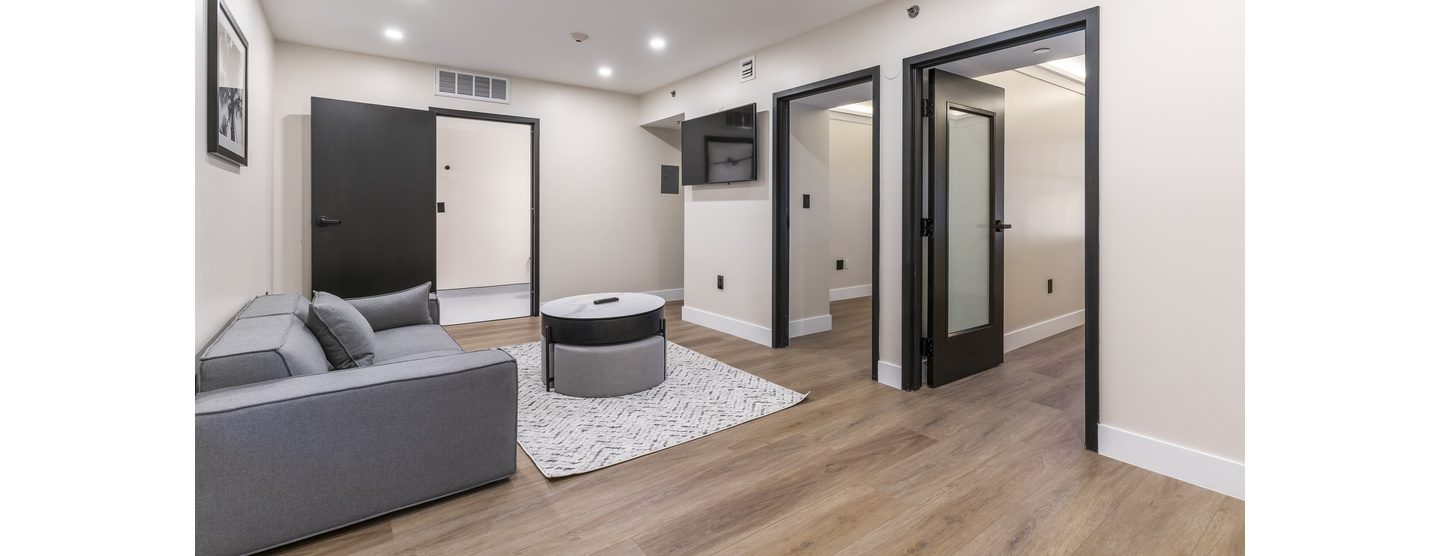
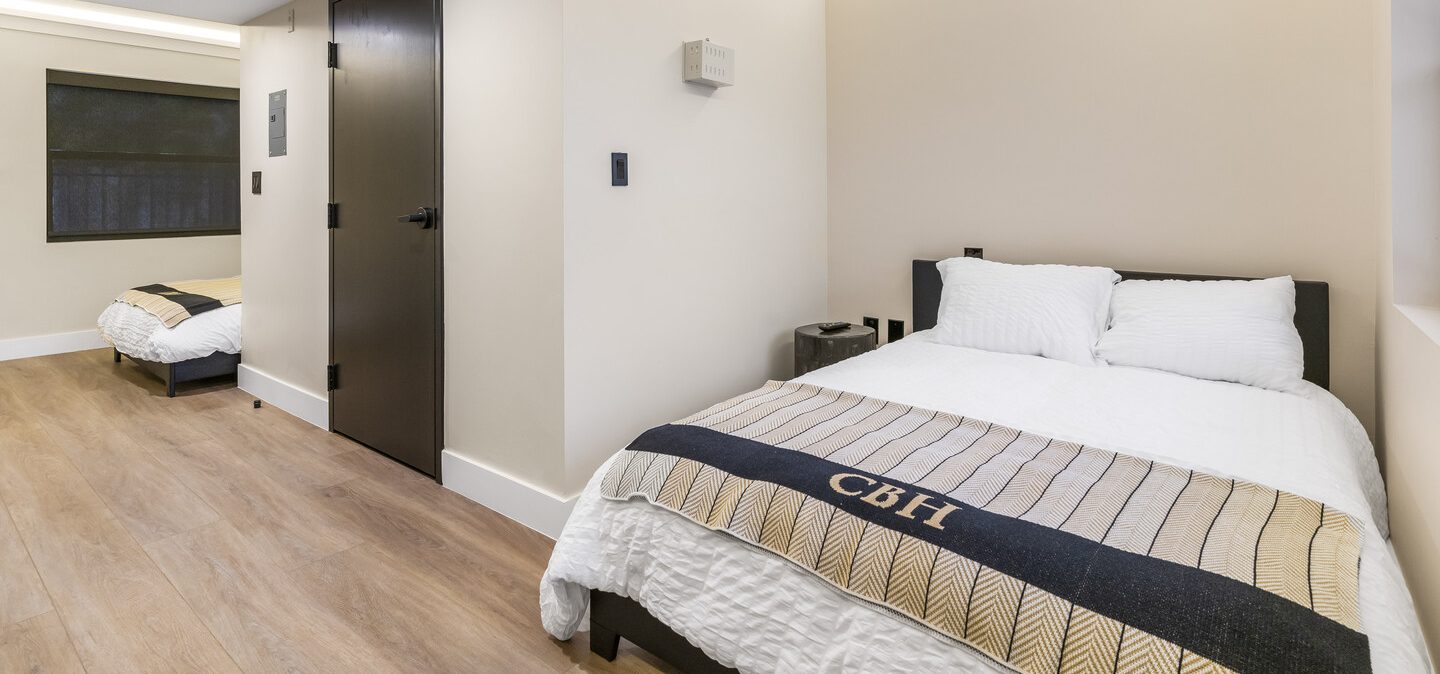
Following detox, CBH’s 29-bed residential program in Hollywood provides the foundational dual-diagnosis treatment. Individual therapy, daily group therapy, psychiatric medication management, CBT, DBT, and neurofeedback address both the alcohol use disorder and the co-occurring mental health condition simultaneously. Caseloads are held to 8 to 10 clients per therapist. The Clinical Director knows every client by name. This is addiction treatment in Hollywood, Florida, at the clinical depth that 29 beds and small caseloads make possible.
PHP, Fort Lauderdale, FL
Following residential stabilization, PHP in Fort Lauderdale provides a minimum of 20 hours of structured treatment per week. EMDR for trauma-driven alcohol use begins at PHP. Family therapy addresses the relational system around the client’s recovery. Community reintegration begins with the full clinical team immediately available. The dual-diagnosis treatment continues with both the mental health condition and the alcohol use disorder receiving active clinical attention.
IOP, Fort Lauderdale, FL
IOP in Fort Lauderdale provides at least 12 hours of structured treatment per week while clients rebuild independence. Relapse prevention planning specifically for both alcohol use and the co-occurring mental health condition is a core IOP deliverable. The same clinical team that served the client through residential and PHP continues at IOP, providing the accountability and clinical continuity that the research on alcohol use disorder outcomes consistently identifies as a predictor of sustained recovery.

Why CBH for Alcohol Addiction Treatment in South Florida
- Mental health is treated as the primary diagnosis: alcohol use is addressed as the co-occurring condition, it is, not as the primary identity of the treatment program
- Medical detox in Hollywood with 24/7 physician and nursing supervision and psychiatric oversight from day one
- 29-bed residential program in Hollywood with caseloads of 8 to 10 clients per therapist
- Dr. Daud, board-certified in both psychiatry and addiction psychiatry, oversees all evaluations and medication management
- 159% improvement in depression outcomes, 167% improvement in anxiety outcomes, 88% improvement in PTSD outcomes, all third-party verified by Greenspace Health
- EMDR for trauma-driven alcohol use at the PHP and IOP levels
- GeneSight genetic testing for clients with co-occurring mental health conditions where prior medication trials have failed
- Full continuum from detox through IOP with the same clinical team at every level
- PsychArmor is certified for military-competent care, TRICARE East, and the VA Community Care Network is accepted
- Joint Commission accredited, NAMI affiliated, AHCA, and DCF licensed
- In-network with Aetna, Blue Cross Blue Shield, Cigna, Optum, Curative, TRICARE East, and the VA
- 633 or more Google reviews across both South Florida locations

Frequently Asked Questions: Alcohol Addiction Treatment in South Florida
Does CBH offer alcohol addiction treatment in South Florida?
Yes. CBH offers a full continuum of alcohol addiction treatment in South Florida, including medically supervised detox and residential treatment at its Hollywood, Florida, facility, and PHP and IOP at its Fort Lauderdale facility. CBH’s alcohol addiction treatment is built around a dual-diagnosis mental health-first model: the mental health condition driving the alcohol use is identified at admission and treated simultaneously with the alcohol use disorder from day one. Call 844-503-0126 for a free clinical assessment.
Does CBH offer addiction treatment in Hollywood, Florida?
Yes. CBH’s residential program and medical detox are located in Hollywood, Florida. The 29-bed residential program provides 24/7 structured dual-diagnosis treatment for alcohol addiction and co-occurring mental health conditions. Medical detox in Hollywood uses validated clinical protocols for alcohol withdrawal management with physician and nursing supervision around the clock. CBH serves adults from throughout South Florida, including Fort Lauderdale, Boca Raton, Broward County, and surrounding areas. Call 844-503-0126 to begin the admissions process.
What are the reviews for Compassion Behavioral Health?
Compassion Behavioral Health has 633 or more Google reviews across its South Florida locations. CBH is Joint Commission-accredited, NAMI-affiliated, and holds AHCA and DCF licensure. Its clinical outcomes are third-party verified by Greenspace Health across more than 1,000 patient surveys: 159% improvement in depression, 167% improvement in anxiety, and 88% improvement in PTSD. CBH is in-network with Aetna, Blue Cross Blue Shield, Cigna, Optum, Curative, TRICARE East, and the VA. The clinical team includes Dr. Daud, board-certified in both psychiatry and addiction psychiatry.
What mental health conditions co-occur with alcohol addiction?
The most common mental health conditions co-occurring with alcohol use disorder are depression, anxiety disorders, PTSD, and bipolar disorder. In many cases, the mental health condition preceded the alcohol use, and the alcohol developed as a coping mechanism for untreated symptoms. At CBH, every client receives a comprehensive psychiatric evaluation at admission that identifies all co-occurring conditions, and both the mental health condition and the alcohol use disorder are treated simultaneously from day one.
Is medically supervised alcohol detox necessary?
For individuals who are physically dependent on alcohol, medically supervised detox is a clinical necessity, not an optional comfort measure. Alcohol withdrawal in physically dependent individuals can produce seizures and delirium tremens, both of which are potentially life-threatening without medical intervention. CBH’s medical detox in Hollywood provides 24/7 physician and nursing supervision with validated clinical protocols for alcohol withdrawal management. Psychiatric assessment begins during detox, so both the withdrawal and the underlying mental health condition are addressed from the first day.
Does insurance cover alcohol addiction treatment in South Florida?
Yes. Most commercial insurance plans cover alcohol addiction treatment, including medically supervised detox, residential treatment, PHP, and IOP, under the federal mental health parity law. CBH is in-network with Aetna, Blue Cross Blue Shield, Cigna, Optum, Curative, TRICARE East, and the VA. Our admissions team verifies benefits at no cost before any decisions are made. Call 844-503-0126, and we will tell you exactly what your plan covers for alcohol addiction treatment at CBH’s South Florida facilities.
How long does alcohol addiction treatment take?
At CBH, the length of treatment is driven by clinical progress rather than an arbitrary timeline. Medical detox typically takes five to ten days for alcohol. Residential treatment typically ranges from 25 to 45 days, depending on the severity of the alcohol use disorder, the co-occurring mental health conditions, and clinical response to treatment. PHP follows for approximately 45 days, and IOP for approximately two months. The full continuum from detox through IOP is the clinical structure that produces the most durable outcomes for alcohol use disorder with co-occurring mental health conditions.
Alcohol Addiction Treatment in South Florida: CBH Hollywood and Fort Lauderdale
If you or someone you love is in South Florida and dealing with alcohol use that has not responded to prior treatment attempts, or that is clearly connected to depression, anxiety, PTSD, or another mental health condition that has never been properly addressed, CBH’s program in Hollywood and Fort Lauderdale is built for exactly that clinical picture.
Medically supervised detox in Hollywood. Dual-diagnosis residential treatment that addresses the mental health driving the drinking. EMDR for trauma-driven alcohol use. The same psychiatrist and clinical team from detox through IOP. 633 or more Google reviews. Joint Commission accredited. In-network with major insurance carriers.
159% depression improvement. 167% anxiety improvement. 88% PTSD improvement. Verified. Because treating only the alcohol without treating the mental health condition is why treatment fails. And treating both is why stories change here.
Call 844-503-0126 now. Available 24 hours a day, seven days a week. All calls are completely confidential. Insurance verified at no cost.
