


ClickCease

What Is SPRAVATO®?


SPRAVATO® (esketamine) is a groundbreaking FDA-approved treatment designed specifically for adults struggling with treatment-resistant depression. Unlike traditional antidepressants that can take weeks to work, SPRAVATO® targets a different pathway in the brain and may offer rapid relief from symptoms, often within hours or days.

Delivered as a nasal spray in a safe, clinical setting, SPRAVATO® is used alongside an oral antidepressant and under close medical supervision. For those who have felt stuck, hopeless, or unheard by conventional treatments, SPRAVATO® offers a new path forward, one backed by science and guided by compassion.

Our Treatments

What is Treatment-Resistant Depression


Treatment-Resistant Depression (TRD) happens when traditional antidepressants just haven’t worked, even after trying multiple medications at their maximum dose and for the recommended length of time.

If you’ve done “everything right”,  therapy, medication, self-care, and still feel trapped in a fog of sadness, emptiness, or hopelessness, you’re not alone. Nearly one-third of people with depression experience this kind of resistance to traditional treatments. But TRD doesn’t mean your depression is untreatable. It means it’s time for a new approach, and that’s where innovative therapies like Spravato® (esketamine) can make a difference.

Hope Beyond Resistance

Benefits of SPRAVATO®

Discover how SPRAVATO® offers fast, innovative relief for those who haven’t found success with traditional depression treatments.

Fast-Acting Relief

SPRAVATO® may reduce symptoms of depression within the first few sessions

Targets the Brain Differently

This FDA-approved treatment works differently to unlock relief when others haven’t.

Medically Supervised & Safe

Clinically guided treatment sessions in a safe, supportive setting

Breaks the Cycle of TRD

SPRAVATO® is a breakthrough option when other treatments haven’t worked.

Am I a Candidate for SPRAVATO® Therapy?


SPRAVATO® may benefit you if you…

  • Have tried two or more antidepressants without finding lasting relief

  • Struggle with treatment-resistant depression (TRD)

  • Experience major depressive disorder (MDD) with suicidal thoughts or behaviors

  • Need a faster-acting option in a clinically supervised and supportive setting

  • Are looking for a new approach after feeling stuck with traditional treatments

If any of these sound familiar, you’re not alone,  and there is hope. Our trusted clinical partner provides SPRAVATO® evaluations and treatment, and we’ll guide you through a personalized referral process to determine if it’s the right fit for your needs.

Call us to see if you are qualified for SPRAVATO® therapy

Compassion Behavioral Health does not directly administer SPRAVATO® treatment. All evaluations and services related to SPRAVATO® are provided by a trusted third-party clinical partner. Our role is to support and guide you through the referral process to ensure continuity of care and help determine if SPRAVATO® is appropriate for your individual needs.

Admission Process

The Path to Recovery Starts Here

mental health and addiction rehab admission step 1
Step 1

Get in Touch

Start your recovery journey: Call or contact us online

mental health and addiction rehab admission step 2
Step 2

Pre-Admission Assessment

Confidential assessment to tailor your treatment plan

mental health and addiction rehab admission step 3
Step 3

Verification of Insurance

We verify your coverage and clarify costs with your insurer

mental health and addiction rehab admission step 4
Step 4

Admission

Set your admission date and prepare for your stay

Client Stories

TRUSTED BY THE COMMUNITY

I came to get treatment for my mental health and even though it has not been a easy recovery i can say i feel so much better and i know that coming to Compassion’s was the biggest step towards feeling better. I am going to continue my recovery process to their php because i know this program works. Big shout out to Elena, she helped me so much with case management stuff and just being someone that cares and listens to what i needed help with. Great program, clean, and compassionate care.
I have struggled with alcoholism and depression for the better half of my life, PTSD, along with other chronic illnesses. I have for most of my adulthood reached out for help or have advocated for myself to get better. Through the years I have gone through many programs and therapy and also have tried do help myself on my own. The last two years while screaming for help I was unable to get any and no longer had the power to do it on my own. One night late February while doom scrolling CBH popped up on my facebook and I called. The man I spoke with l, Clint was very informative, gentle, genuine, and none judgmental.
I have heard horror stories of treatment centers and I’m am so happy that is not my story. From the moment I was picked up from the airport I felt safe and was in good hands. Cindy and Shakila did my intake and were nothing but professional and caring. Making sure my needs at the time of intake was taken care of. I went through detox here and they make sure to check on me every 3 to 4 hours for the first four days, not once did I feel unsafe or uncomfortable. The nurses and staff met my every need plus some To ensure that I was as comfortable as possible through this time.

After detox when healthy enough I started going to the groups everyday and quickly found out that not only the nurses and staff Facilitators were just as amazing. Everything from yoga to art to music and the understanding of what goes on in your brain with trauma And addiction. I learned more coping skills and education on what I was going through while never being shamed or belittled. The AAA’s (the first shift) aka Ashley, Alicia, Alexa, AD, and Autumn were always on their A game!! Attentive, Communicative, trustworthy, and always met my needs. I can go one but they are amazing and really care for each and every person here. Second shift, Sebastian, Mike, are so amazing and also had a smile and brought comic relief to a hard situation. Always brought good vibes and compassion towards us. Even on head days they would go over and beyond for us. Cindy aka “Cindy Lou Who” was One of the most kind and compassionate People here she went over and beyond making every weekend a little bit special, if it was a pizza party, mailing a Saturday ice cream sho, Or even decorating for the next holiday, she was on it bring a joy and spirit of pure kindness and understanding with her at all times. She deserves a raise!!! Shakila was strict but in a way a mother is, always wanted the best but puts her foot down when needed. She made me feel like I mattered. Also calm and works her but off. Her smile brights up and room and she is definitely mama bear of center!

All in all this place helped be in ways I didn’t even expect, where there hard days of course is this easy no, but if you come in with openness and willingness the possibility for your healing is endless. Everyone here truly wants the best for you and would highly recommend for mental health and addiction.
Beautiful place, the staff are great and actually care. Its small so I always felt seen and heard. Plenty of snacks and food options with access to them up to 11pm. Everyone always knew my name and will tell my addict friends about this place.
This is my second time in treatment, 8 years ago and again now after having 5.5 years in recovery. With three weeks in, CBH has been a complete 180 in terms of the therapeutic approach to my self-worth and core identity. To put it simply, CBH embodies care and dignity in every way — from the culture they cultivate and lift up among clients, to the perception-changing yet safe and trusting relationship with my individual therapist, to the responsiveness and genuine reciprocity with staff, I don’t know what magic model CBH has uncovered but compassion is a through line from the top level programming to the small, every day interactions. Special shout out to:
– Sarah P for meeting me exactly where I was when I came in, then lovingly and expertly guiding me to literally uncovering and sitting with my inner child in a way I have never experienced before
– Kelly for surfacing and removing any fears I had prior about my spiritual search for truth and healing, it’s hard to put into words the healing power of her energy and touch but anyone blessed enough to experience and be open to it will walk away changed forever
– Carla, Jake, Gary, and Raquel for facilitating group in such a way that did not merely present healthy CBT / DBT and other mindfulness practices but which let us individually and as a group flow organically into places of genuine vulnerability to heal
– Triple A tech team (Alicia, Alexa, Ashley) for managing so many constant requests and questions from me and the clients with such grace, reassurance, and openness (especially for being my morning alarm clock!)
– the nighttime tech squad (Cindy, Mikey, Shakila, & Sebastian) for being so genuinely interested in connecting with each individual resident, and constantly thinking about ways to make the evenings just fun together (mafia was hilarious, and Cindy’s ice cream social and fresh baked cookies were chef’s kiss)
– Barbara, Ryan, & Clint for making me feel so at peace from my first phone call when I knew I needed help but didn’t know what place was “right” to making me feel heard and seen every time I shared something — a huge change from my first time in treatment where it felt like I just needed to “shut up and listen”
– Lauren for holding the ship steady with clearly a hundred things coming at her at any given moment, all while still keeping the mission of compassion alive and well in the day-to-day operations
– Tyler for his riddles helping me to rebuild my brain cells and for taking time to talk with me 1:1 and feel part of the great work CBH is doing while I was still in treatment (I didn’t know alumni coordinators could spend time doing that lol)
– and last but certainly not least, Elena for putting the WORK into case work — managing every single patient case, from paperwork to calls to constant client pop ins, with a hopeful, loving touch, always finding options and solutions to work and life stuff that eased my fear and anxiety every time I walked out of her office

From everything I’ve experienced with my time in recovery, Compassion is that rare diamond in the rough of mental health and substance abuse treatment — a place that lives up to its name and vision of realizing a world that can change and heal by fostering that change and healing within each person who is open and willing to uncovering that love and understanding within themself first.
Compassions gets a 5+++ star from me. The staff is wonderful. They all, truly, show compassion and dignity to all of their clients. The small campus is gorgeous with a serene environment. The staff goes above and beyond to have fun evenings with the outdoor big movie screen, special desserts, and music nights. Being near the ocean brings in a nice cool breeze. The groups were very enlightening for me on my journey to recovery. The therapy staff gets another 5 +++ star from me. You cannot go wrong coming here. I appreciated that the client to staff ratio was balanced. During my stay, the average number of clients residing here was 15. This allowed me to get the best care that I needed, rather than the larger establishments with over 50 clients at a time.
You will leave Compassions with a strong feeling of renewed strength and sobriety.
Comfort

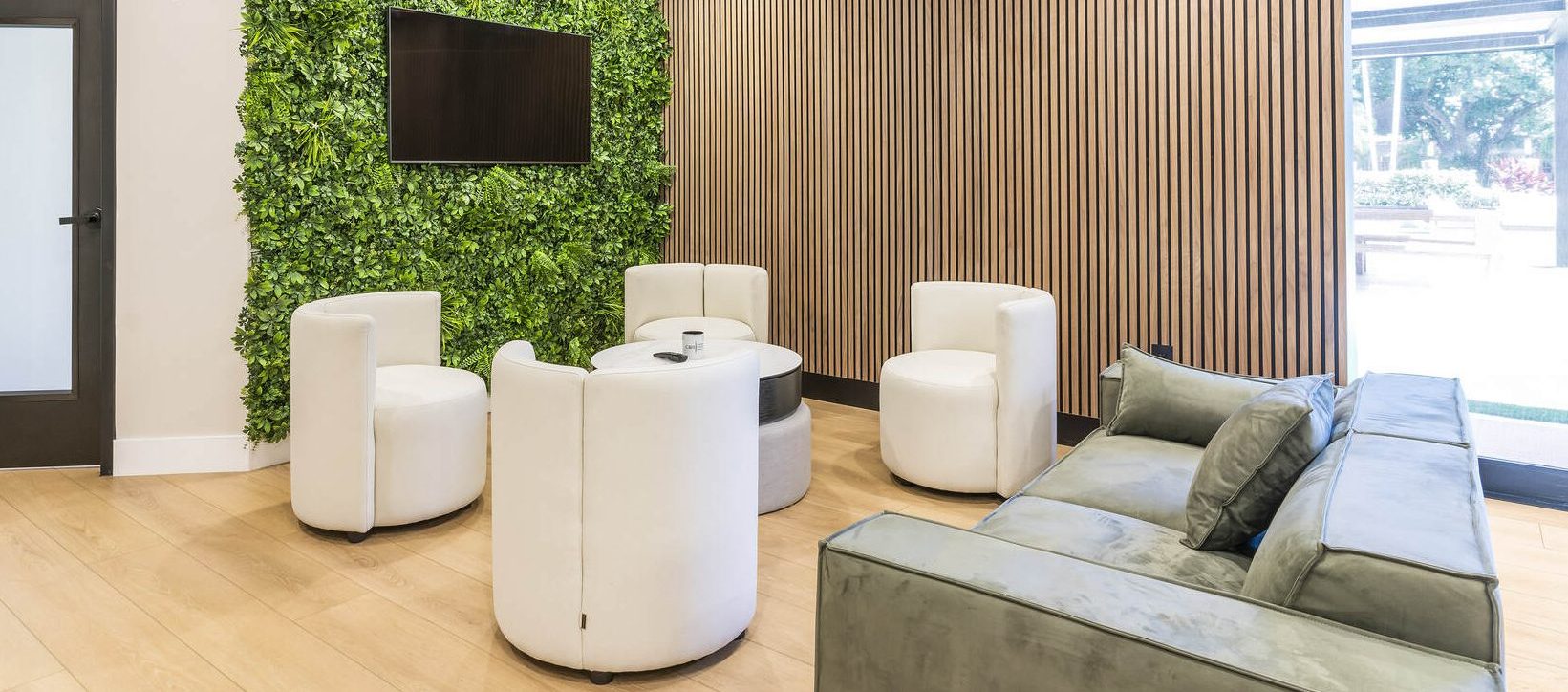
Holistic Recovery in Healing Environment

mental health treatment in south florida
4QYNLsFu2W-FSM00631 (2) (1)
Addiction and Mental Health Treatment Residential Facility in Hollywood Florida - Compassion Behavioral Health
4QYNLsFu2W-FSM00535 (2) (1)
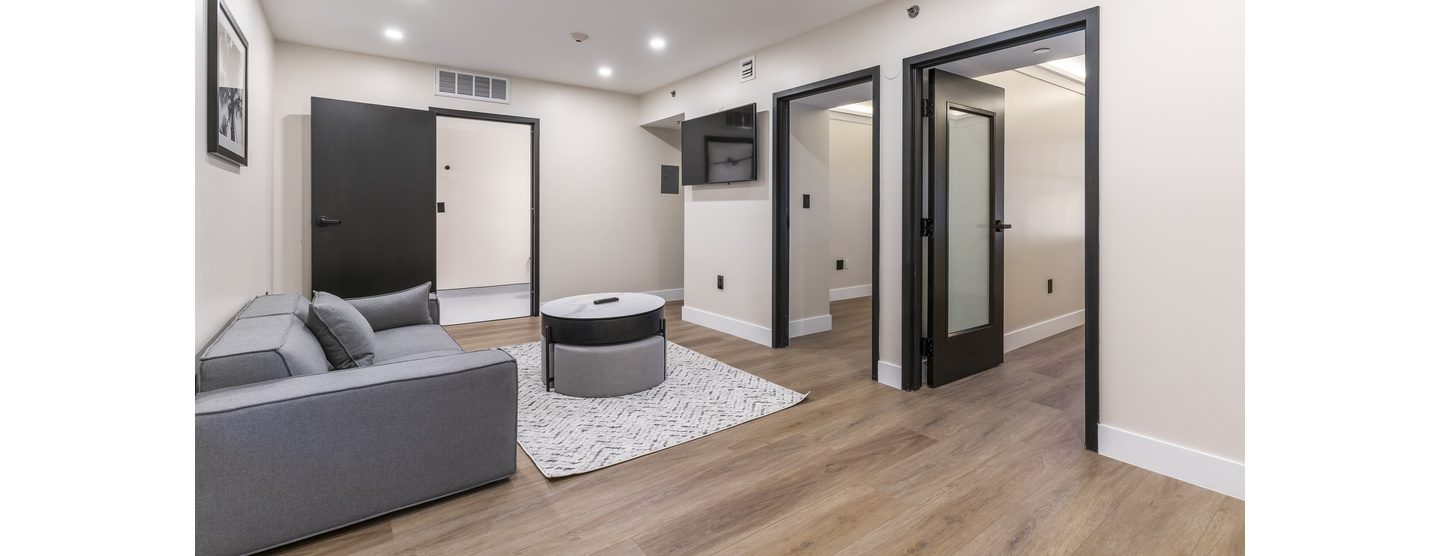
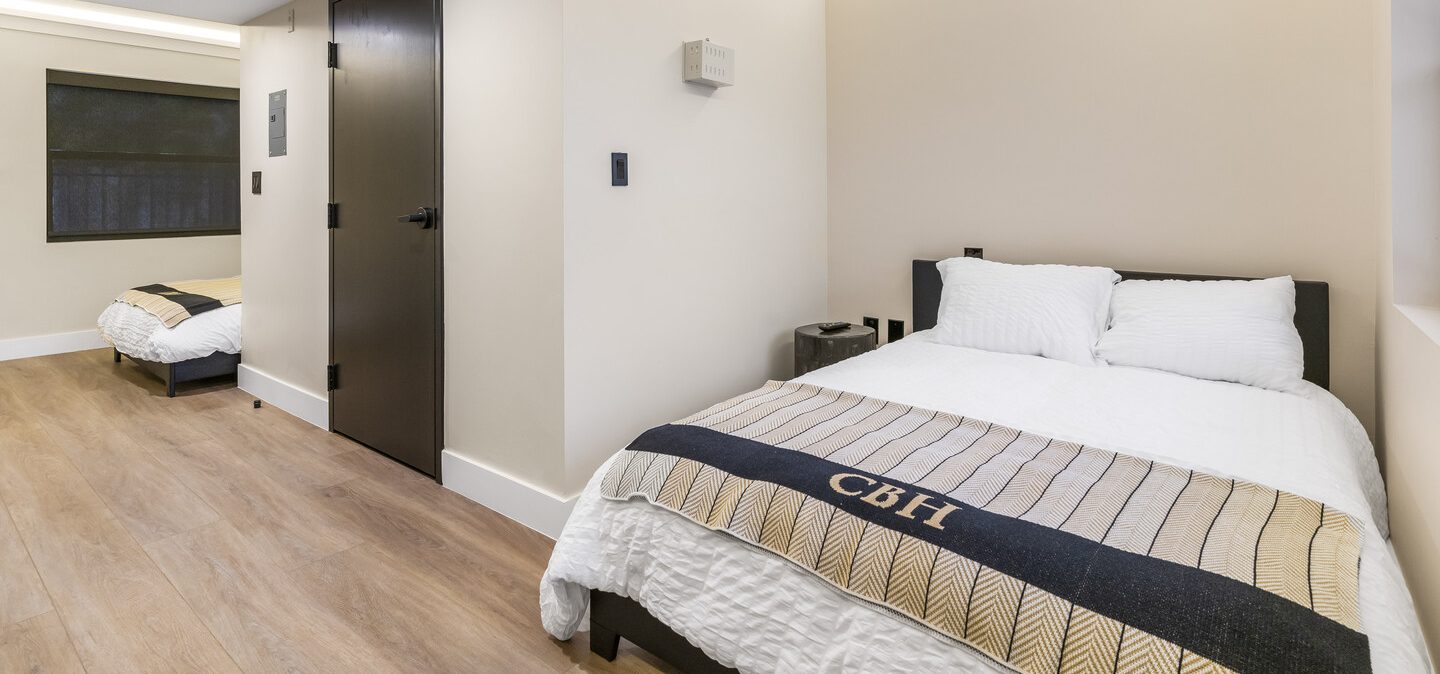
Compassion Behavioral Health Residential Facility in Hollywood Florida Bedroom
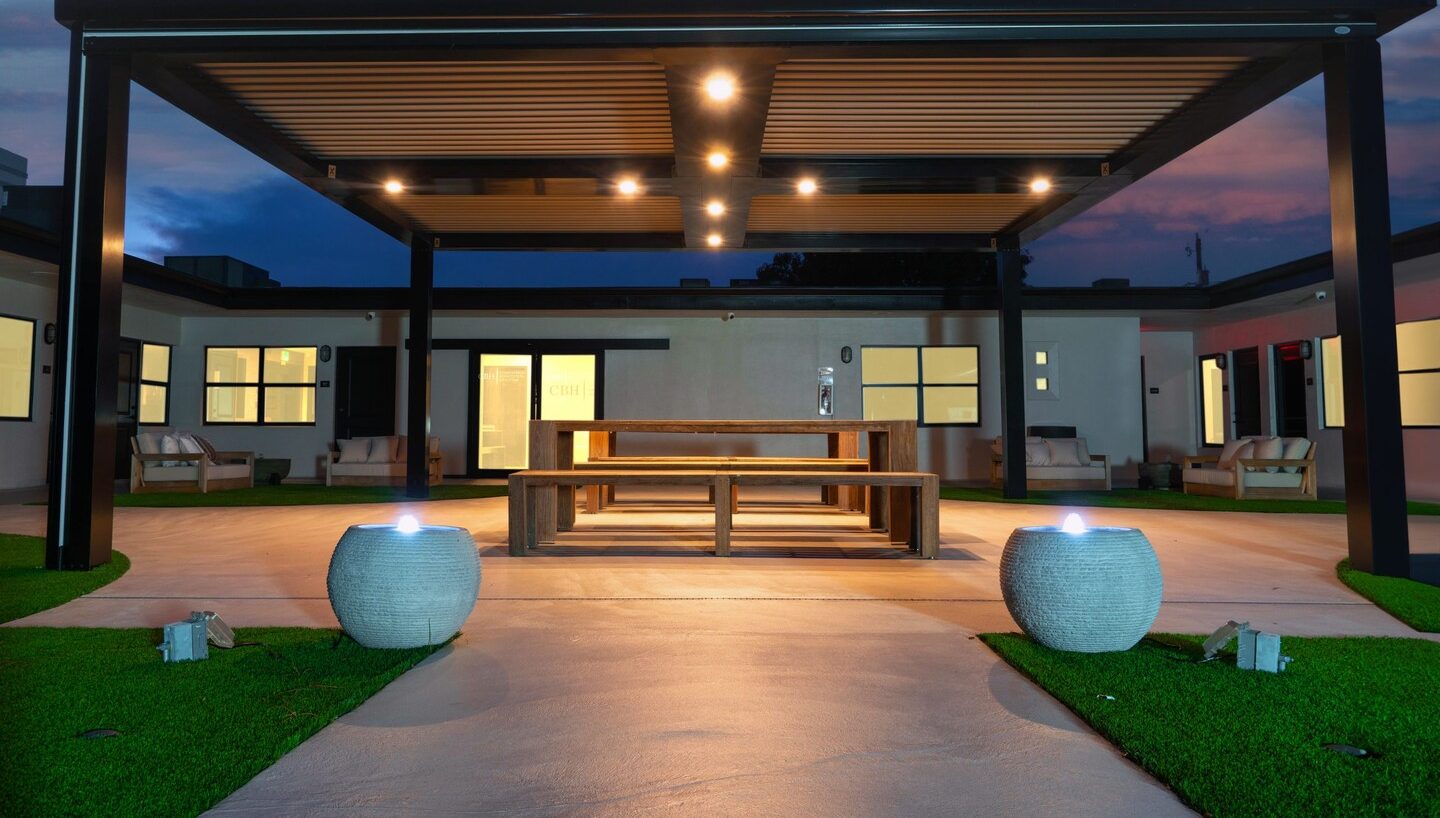
Compassion Behavioral Health Residential Facility in Hollywood Florida Courtyard
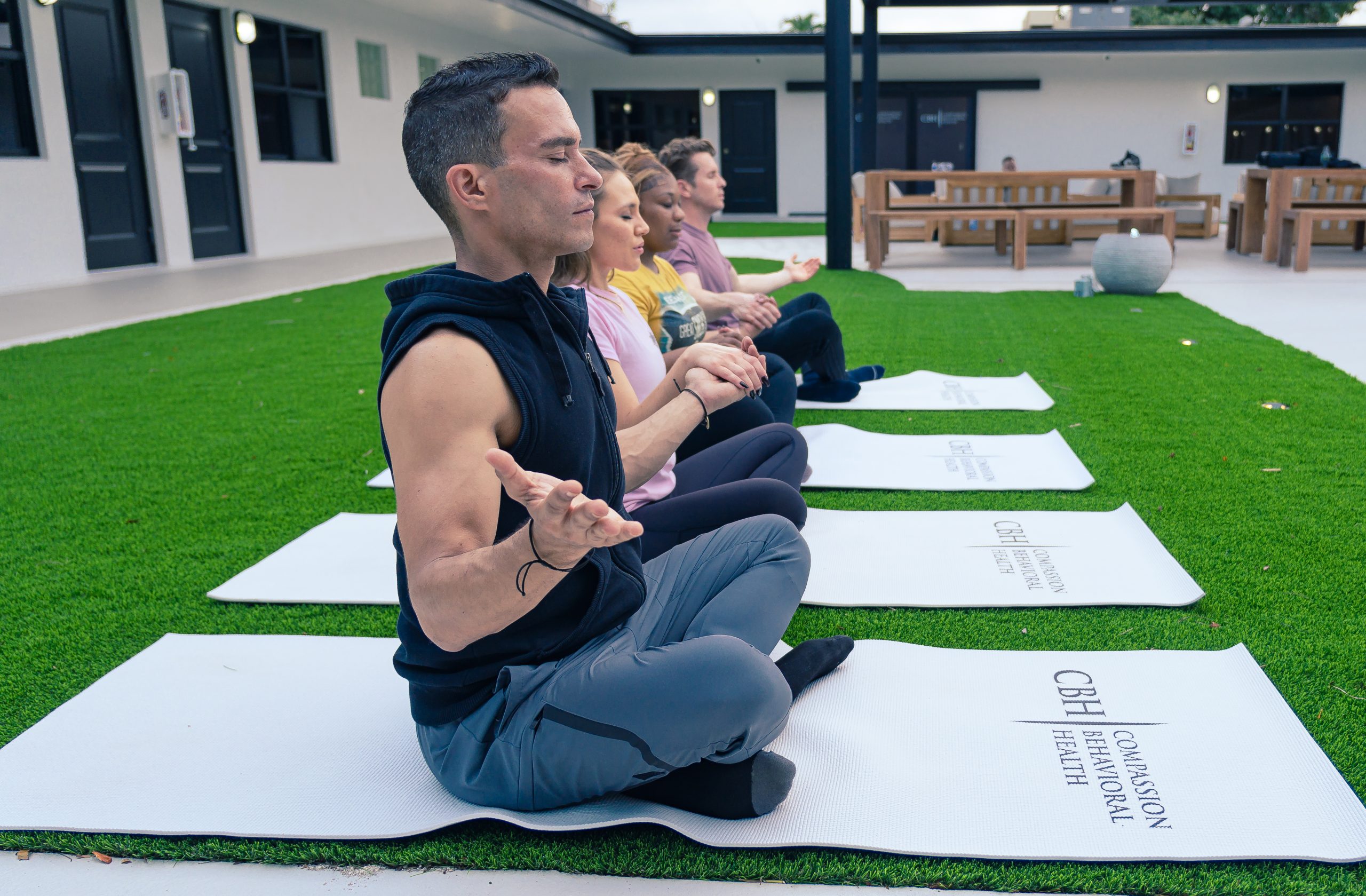
Compassion Behavioral Health Yoga Session
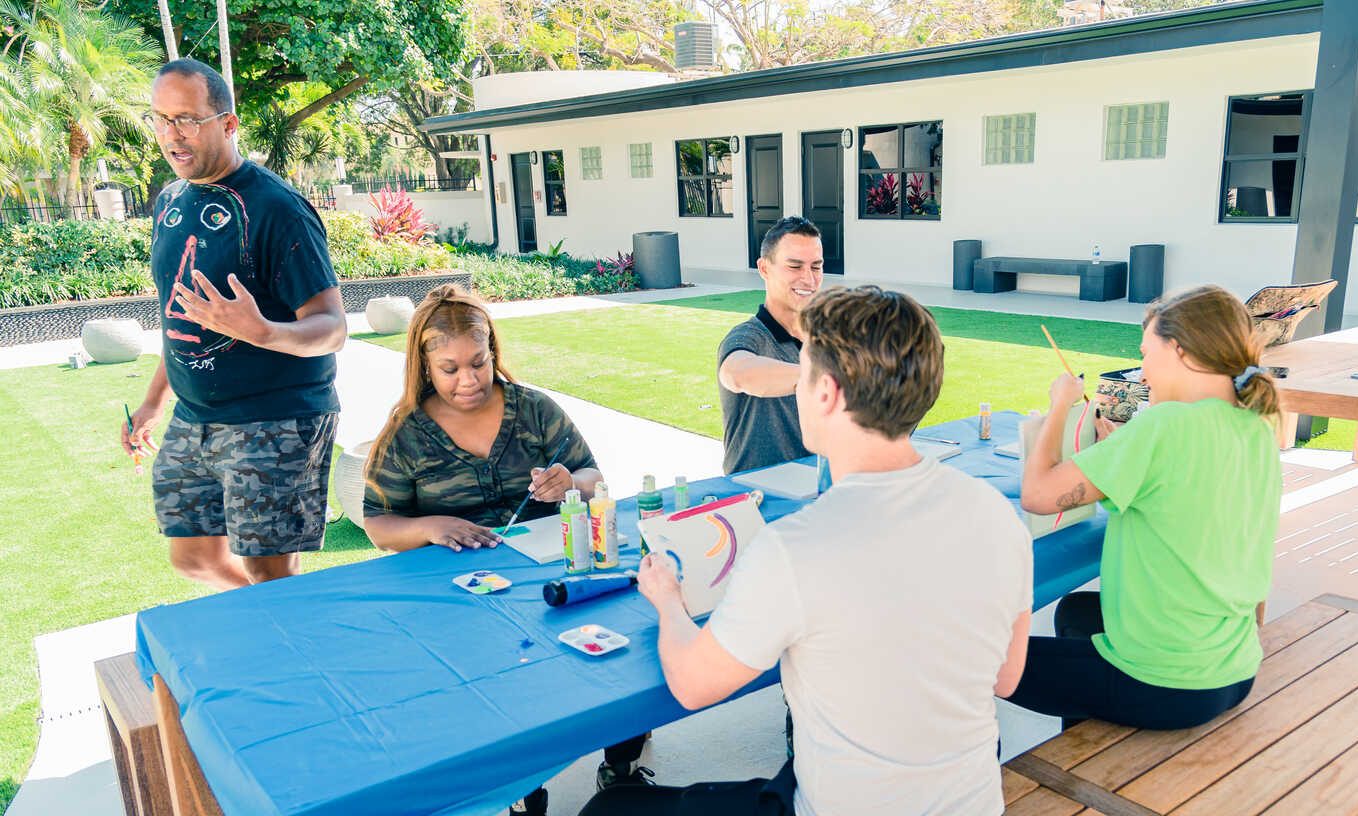
art therapy at compassion behavioral health residential facility
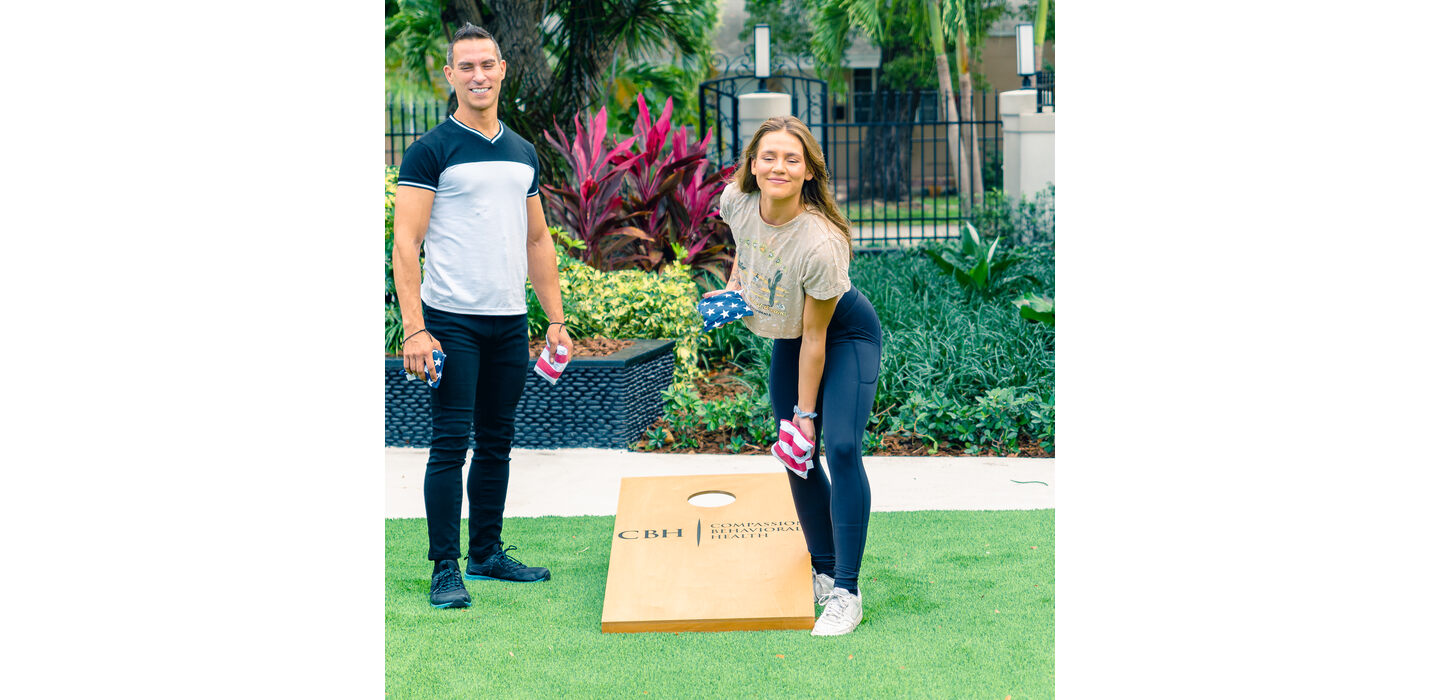
Compassion Behavioral Health Residential Facility Outdoor Activity
group therapy for mental health and addiction treatment
Outcome Driven

Clinically Significant Improvements

Most patients at CBH experienced meaningful reductions in symptoms of depression, anxiety, trauma, and other mental health conditions during treatment, with improvements sustained after discharge.

Data derived from 1,043 patient surveys conducted by Greenspace Health, a third-party clinical research firm, from August 2024 to August 2025.

159 %

Improvement in Minimal to
No Depression Symptoms

167 %

Improvement in Minimal to
No Anxiety Symptoms

88 %

No Longer Showing Severe
PTSD Symptoms

Ashley
Stories Change Here

“My Life now feels like being in color. I am a lot happier and I can feel alive again.”

Watch Her Full Story
Theresa
Stories Change Here

“I took everything I learned at CBH and applying it today and that is why I can smile today”

Watch Her Full Story
Corey
Stories Change Here

“As long as I stay patient and waiting on the lord nothing but good will come from it”

Watch His Full Story
Mark
Stories Change Here

“If I continued down the path I was on I would not be here today, CBH saved my life”

Watch His Full Story
Ashley J.
Depression
Theresa B.
PTSD
Corey J.
Addiction
Mark
Addiction

Exploring Treatment-Resistant Depression Treatment Options in Florida

When depression refuses to budge despite trying multiple medications and therapies, it’s frustrating and exhausting. Treatment-resistant depression (TRD) affects thousands of people in Florida alone, leaving many feeling stuck and hopeless. But the story doesn’t have to end there. There are specialized treatments and approaches that can make a real difference, even when standard options fall short.

Understanding Treatment-Resistant Depression

Depression is complex, and not everyone responds the same way to treatment. Treatment-resistant depression is typically defined as a major depressive disorder that doesn’t improve after at least two different antidepressant treatments at adequate doses and durations. This doesn’t mean the depression is untreatable—just that it requires a different approach. Understanding the nuances of TRD can help both patients and healthcare providers navigate the challenging landscape of mental health treatment.

People with TRD often experience more severe symptoms, longer episodes, and a higher risk of complications like anxiety, substance abuse, or suicidal thoughts. Because of this, finding effective treatment is urgent and critical. The emotional toll of TRD can be profound, leading to feelings of hopelessness and frustration, not only for those suffering but also for their loved ones who may feel helpless in supporting them. The stigma surrounding mental health issues can further complicate the situation, making it essential to foster open conversations and seek professional help without delay.

Why Standard Treatments Sometimes Fail

Antidepressants like SSRIs or SNRIs, along with psychotherapy, work well for many, but not all. Several factors can contribute to resistance:

  • Biological differences: Brain chemistry varies widely among individuals, affecting how medications work. Genetic variations can influence drug metabolism, making some individuals less responsive to standard treatments.
  • Incorrect diagnosis: Sometimes depression is part of a larger or different condition, such as bipolar disorder or PTSD. Misdiagnosis can lead to inappropriate treatment plans that fail to address the underlying issues.
  • Co-occurring conditions: Chronic illnesses, substance use, or other mental health disorders can interfere with treatment. For instance, individuals with both depression and anxiety may find that their symptoms exacerbate each other, complicating the treatment process.
  • Medication adherence: Side effects or other barriers might prevent consistent use of prescribed treatments. Patients may discontinue medications due to unpleasant side effects, leading to a cycle of trial and error that can be disheartening.

Recognizing these factors is the first step toward finding a tailored and effective treatment plan. In recent years, there has been a growing interest in alternative therapies for TRD, such as ketamine infusions and transcranial magnetic stimulation (TMS). These innovative approaches offer hope for individuals who have not found relief through traditional methods. Additionally, lifestyle changes, including exercise, nutrition, and mindfulness practices, can play a significant role in managing symptoms and improving overall well-being. The journey to finding the right treatment is often multifaceted, requiring patience and collaboration between patients and healthcare providers.

Advanced Treatment Options Available in Florida

Florida offers a variety of specialized treatments for those struggling with TRD. Many clinics and hospitals across the state have embraced innovative therapies that go beyond traditional antidepressants and talk therapy.


Ketamine and Esketamine Therapy

Ketamine, originally used as an anesthetic, has gained attention for its rapid antidepressant effects. Esketamine, a derivative administered as a nasal spray, is FDA-approved specifically for treatment-resistant depression.

These treatments work differently from standard antidepressants by targeting glutamate receptors in the brain, which can help reset neural pathways involved in mood regulation. Patients often notice improvement within hours or days, a stark contrast to the weeks or months typical of traditional medications.

In Florida, several specialized centers offer ketamine infusions or esketamine nasal spray under medical supervision. These treatments are typically combined with ongoing therapy and monitoring to ensure safety and effectiveness. Additionally, many clinics are now incorporating holistic approaches, such as mindfulness and yoga, to complement the pharmacological effects of these therapies, creating a more comprehensive treatment plan tailored to individual needs.

Transcranial Magnetic Stimulation (TMS)

TMS is a non-invasive procedure that uses magnetic fields to stimulate nerve cells in the brain, particularly in areas linked to mood regulation. It’s FDA-approved for depression, including treatment-resistant cases.

The treatment involves daily sessions over several weeks, each lasting about 30-40 minutes. Patients remain awake and alert during the procedure, which usually has minimal side effects. Some clinics in Florida even offer personalized TMS protocols, adjusting the frequency and intensity of the magnetic pulses based on the patient’s specific symptoms and responses, thereby enhancing the overall efficacy of the treatment.

Many Florida clinics provide TMS therapy, and it’s often covered by insurance for eligible patients. TMS has shown promising results, especially for those who haven’t responded well to medications. Furthermore, ongoing research is exploring the potential of TMS for other mental health conditions, such as anxiety and PTSD, which could broaden its application and benefit even more individuals seeking relief.

Personalized Care: The Key to Managing TRD

Treatment-resistant depression isn’t a one-size-fits-all condition. What works for one person might not work for another. That’s why personalized care is essential.


Comprehensive Assessments

Before starting advanced treatments, thorough evaluations are crucial. This includes detailed psychiatric assessments, medical history reviews, and sometimes genetic testing. Understanding each patient’s unique profile helps clinicians choose the most promising treatment options.

Moreover, these assessments can also delve into the patient’s lifestyle, stressors, and social circumstances, which can all contribute to the complexity of TRD. For instance, some patients may have co-occurring conditions like anxiety or substance use disorders, which can complicate treatment. By taking a holistic view, healthcare providers can tailor interventions that address not only the symptoms of depression but also the underlying factors that may be perpetuating the condition.

Combining Therapies

Often, the best outcomes come from combining different approaches. For example, esketamine therapy might be paired with cognitive-behavioral therapy (CBT) to reinforce new coping skills. Similarly, TMS can be integrated with medication adjustments and psychotherapy.

Florida’s mental health providers frequently emphasize this holistic approach, recognizing that addressing both biological and psychological aspects improves chances of recovery. Additionally, the integration of mindfulness practices, such as meditation and yoga, has shown promise in enhancing emotional regulation and resilience. These complementary therapies can empower patients, equipping them with tools to manage their symptoms more effectively and fostering a sense of agency in their recovery journey.

Support Systems and Lifestyle Changes

Recovery from TRD also involves support outside the clinic. Family involvement, peer support groups, and lifestyle modifications like regular exercise, healthy diet, and sleep hygiene play significant roles.

Florida offers numerous community resources, including mental health organizations and wellness programs, that can help patients build a strong support network. Engaging in local support groups not only provides emotional backing but also creates a sense of belonging, which is vital for those feeling isolated by their condition. Furthermore, educational workshops on nutrition and exercise can empower individuals to make informed choices that positively impact their mental health. By fostering a community around recovery, patients can find hope and encouragement, reinforcing their commitment to the treatment process.

Accessing Treatment-Resistant Depression Care in Florida

Finding the right care can be overwhelming, but Florida has a growing network of specialists and facilities dedicated to TRD.

Insurance and Cost Considerations

Insurance coverage varies widely for TRD treatments. While many plans cover standard antidepressants and psychotherapy, coverage for ketamine or TMS can be more complex. It’s essential for patients to stay informed about their specific insurance policies and any changes that may occur, as mental health coverage is an evolving landscape.

Patients should work closely with providers and insurance companies to understand benefits and out-of-pocket costs. Some clinics offer financial counseling or payment plans to ease the burden. Furthermore, there are non-profit organizations and advocacy groups in Florida that can assist patients in navigating the insurance maze and may provide resources for those who are uninsured or underinsured, ensuring that financial barriers do not prevent access to necessary care.

Hope Beyond Resistance

Living with treatment-resistant depression is undeniably tough, but new options and dedicated care teams in Florida are changing the outlook. The key is persistence—continuing to seek help, exploring different treatments, and building a support system. Many individuals facing this challenge often feel isolated, but understanding that they are not alone can be a powerful motivator. Support groups and community resources can provide a sense of belonging and shared experience, helping to alleviate feelings of loneliness and despair.

With advancements like ketamine therapy, TMS, and personalized care plans, many people find relief and regain control over their lives. These innovative treatments are not just about alleviating symptoms; they aim to address the underlying issues that contribute to depression. For instance, ketamine therapy has shown promise in rapidly reducing suicidal thoughts and improving mood in patients who have not responded to traditional antidepressants. If you or a loved one is struggling, reaching out to a specialist experienced in TRD can be the first step toward a brighter future. Moreover, integrating lifestyle changes such as regular exercise, mindfulness practices, and nutritional adjustments can complement medical treatments, fostering overall well-being and resilience in the face of adversity.

If you’re feeling overwhelmed by treatment-resistant depression and seeking compassionate, specialized care in Florida, Compassion Behavioral Health is here to support you. Our facility provides a comprehensive range of treatments, including esketamin, TMS, CBT, DBT, and EMDR, tailored to your unique needs. We understand the complexities of mental health and addiction, and our dedicated team is committed to helping you find hope and healing. Don’t let depression define your life. Contact Us today to start your journey toward recovery.