
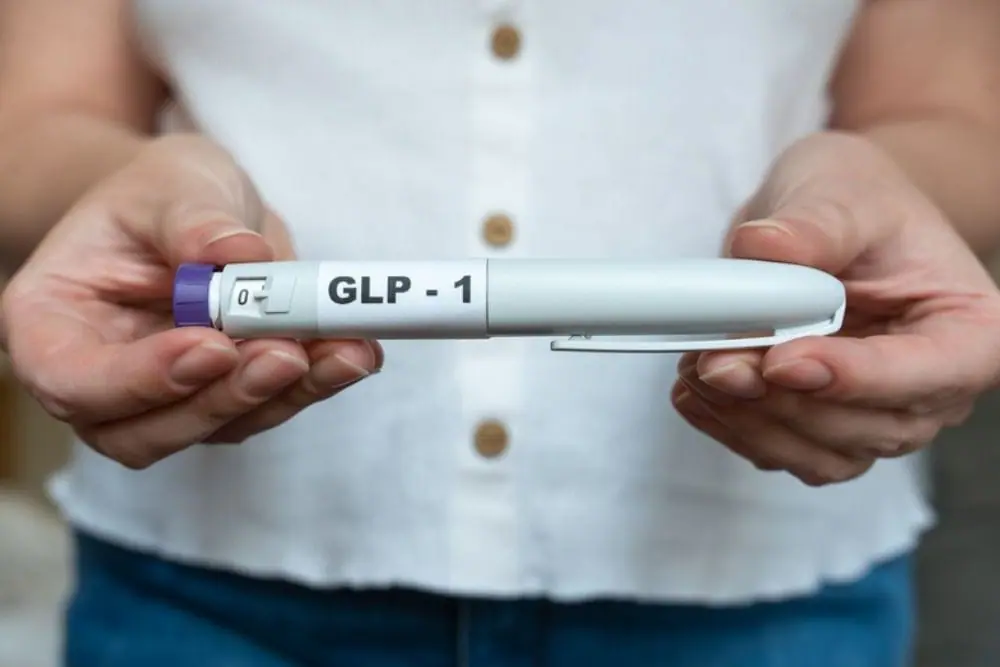
GLP-1 receptor agonists like semaglutide (Ozempic, Wegovy) and tirzepatide were developed to manage blood sugar and weight. Researchers are now finding that “do GLP-1 drugs reduce alcohol cravings” is a legitimate clinical question worth taking seriously. Early trials and real-world observations both suggest these medications may meaningfully lower the desire to drink in some people, though the science is still emerging and no GLP-1 drug is currently approved by the FDA to treat alcohol use disorder.
The connection makes sense when you understand how these medications work in the brain. GLP-1 drugs target reward pathways that respond to pleasurable stimuli, including food and alcohol. By modulating dopamine activity, they appear to reduce the motivational pull of addictive substances. For people managing both a drinking problem and metabolic conditions, this overlap has sparked genuine clinical interest and a growing body of research.
Understanding these findings matters, but so does the broader context. Reducing a craving is not the same as treating the underlying reasons a person drinks. Alcohol use disorder is almost always tangled with anxiety, depression, trauma, or other mental health challenges. Learning what else can help reduce alcohol cravings alongside medical interventions is part of building a recovery that actually holds.

What GLP-1 Medications Are and Why Researchers Are Studying Them for Alcohol Use
GLP-1 (glucagon-like peptide-1) receptor agonists are a class of medications that mimic a naturally occurring gut hormone involved in insulin release, appetite regulation, and digestion. Drugs like semaglutide and liraglutide are now prescribed widely for type 2 diabetes and obesity. Their ability to slow gastric emptying and suppress appetite is well established. What was not expected, at least initially, was how strongly they appear to influence the brain’s reward system.
The reward pathways that govern appetite also govern cravings for substances like alcohol. GLP-1 receptors are expressed in brain regions including the nucleus accumbens and ventral tegmental area, both central to motivation and pleasure processing. When a GLP-1 drug dampens those signals for food, it appears to do the same for other reinforcing stimuli. This overlap is why researchers began exploring alcohol use as a possible target.
Preclinical animal studies were among the first to show the effect, with rodents voluntarily drinking significantly less alcohol when given GLP-1 medications. Human observational data followed, showing that people already prescribed these drugs for weight or metabolic reasons reported reduced interest in alcohol as a side effect. Clinicians treating alcohol use disorder in South Florida are watching these developments closely.
What Recent Studies Show About GLP-1 Drugs and Drinking
Do GLP-1 drugs reduce alcohol cravings? Clinical research has accelerated in recent years. A systematic review and meta-analysis published through the National Institutes of Health found that GLP-1 receptor agonists were associated with reduced alcohol consumption across multiple studies, with effects observed in both people with and without diabetes. A separate NIH-supported trial found that combining a weekly GLP-1 medication with cognitive behavioral therapy produced a greater reduction in heavy drinking days than either approach alone.
The data point to a real but modest effect. GLP-1 medications appear to reduce the number of drinks consumed per occasion and the frequency of heavy drinking episodes. They do not eliminate cravings entirely, and individual responses vary considerably. Factors including genetic metabolism, mental health history, and the severity of alcohol use disorder all influence how much benefit a person may experience.
There are also important caveats about combining alcohol and GLP-1 medications. Because these drugs slow digestion, alcohol may be processed differently, sometimes intensifying effects or causing unpredictable blood sugar changes. Nausea, already a common side effect of GLP-1 medications, can worsen significantly with alcohol. Anyone considering this combination should speak with a prescribing physician before making any changes. Exploring medication-assisted treatment options in the context of a supervised care plan is the safest path forward.
What Our Customers Are Saying
Why GLP-1 Medications Are Not a Standalone Treatment for Alcohol Use Disorder
Reduced craving is one piece of a much larger clinical picture. Alcohol use disorder is classified as a chronic, relapsing condition with well-documented roots in anxiety, depression, trauma, and other co-occurring mental health conditions. A medication that quiets the brain’s reward signal does not address why someone turned to alcohol in the first place. That “why” is where lasting recovery is actually built.
People who drink heavily over extended periods often develop physiological dependence. Stopping abruptly without medical supervision can cause withdrawal symptoms that range from uncomfortable to life-threatening, including seizures and delirium tremens. No GLP-1 drug addresses alcohol withdrawal, and no one should attempt to stop heavy drinking without proper medical oversight. A supervised medical detox program is the necessary first step before any other intervention can be meaningful.
The medications approved specifically for alcohol use disorder, including naltrexone, acamprosate, and disulfiram, have decades of clinical evidence behind them and are already integrated into structured treatment programs. GLP-1 drugs may eventually join that list, but for now they remain investigational for this use. Treating alcohol use disorder well means addressing the full person, not just the craving signal.
How Emerging Treatments Fit Into a Full Continuum of Care
Any medication, whether established or emerging, works best as part of a structured, individualized treatment plan. At a dual-diagnosis level, that means treating the mental health conditions driving alcohol use at the same time as the alcohol use itself. This is the model that produces durable outcomes, not a prescription in isolation. Exploring dual-diagnosis treatment in Florida means addressing both sides of the equation simultaneously.
A comprehensive care plan incorporates multiple evidence-based tools. The following approaches are commonly integrated in structured treatment settings:
- Cognitive behavioral therapy (CBT) to identify and change drinking-related thought patterns
- EMDR and trauma-focused therapies to address underlying emotional wounds
- Medication-assisted treatment with FDA-approved options under physician supervision
- Family therapy to rebuild trust and create a supportive home environment
- Structured PHP and IOP programming to support gradual reintegration into daily life
Each of these components plays a distinct role, and the goal is not to find a single solution but to build a foundation that holds when one piece is challenged. A full continuum of care, from stabilization through outpatient support, gives people the time and structure needed to address root causes, not just symptoms.
Frequently Asked Questions About GLP-1 Medications and Alcohol Cravings
Here are some common questions people ask when exploring GLP-1 medications and their potential role in alcohol recovery:
-
Can GLP-1 Receptor Agonists Help Reduce the Urge to Drink?
Research suggests that GLP-1 medications can reduce the motivational pull of alcohol by targeting dopamine-related reward pathways in the brain. They are not yet FDA-approved for alcohol use disorder, but clinical trials have shown meaningful reductions in heavy drinking frequency.
-
Is It Safe to Drink Alcohol While Taking a GLP-1 Medication?
There is no direct chemical interaction that makes the combination medically prohibited, but combining the two carries real risks. GLP-1 drugs slow digestion, which can intensify alcohol’s effects, worsen nausea, and cause unpredictable changes in blood sugar.
-
What Happens to the Body When Alcohol Use Stops?
Within the first few weeks of stopping, most people experience lower blood pressure, improved sleep, reduced liver inflammation, and more stable mood. Visible changes in body composition typically emerge over the following one to three months.
-
What Vitamin Deficiencies Are Common in People Who Drink Heavily?
Heavy alcohol use frequently depletes thiamine (B1), folate (B9), vitamins B6 and B12, vitamin C, and key minerals including magnesium and zinc. These deficiencies can contribute to serious neurological conditions if left unaddressed, making nutritional support an important part of early recovery.
-
Does Stopping Alcohol Lead to Weight Loss?
Most people notice reduced bloating within one to two weeks of stopping alcohol, and more significant fat loss tends to follow over one to six months. The amount of weight lost depends on prior consumption levels, diet, activity, and individual metabolism.
-
Can GLP-1 Therapy Replace Existing FDA-Approved Treatments for Alcohol Use Disorder?
No; medications like naltrexone and acamprosate have decades of evidence supporting their use and remain the standard of care. GLP-1 medications may eventually serve as a complementary option, but they do not replace structured treatment or address the psychological drivers of alcohol use.
Key Takeaways on Do GLP-1 Drugs Reduce Alcohol Cravings?
- GLP-1 medications appear to reduce alcohol cravings by dampening dopamine-related reward signals in the brain
- No GLP-1 drug is currently FDA-approved for alcohol use disorder; research is promising but ongoing
- Combining alcohol with GLP-1 medications carries risks including intensified intoxication and worsened nausea
- Craving reduction alone does not treat the underlying mental health conditions that drive alcohol use
- Effective alcohol use disorder treatment requires a full continuum, from medically supervised detox through long-term outpatient support
The science around GLP-1 medications and alcohol cravings is genuinely encouraging, and it reinforces something clinicians have long understood: addiction and brain chemistry are inseparable. That insight points toward treatment that addresses the whole person, not just the substance.
If you or someone you care about is struggling with alcohol use and looking for care that treats the mental health picture alongside the drinking, Compassion Behavioral Health offers individualized dual-diagnosis treatment across a full continuum of care in South Florida. Our clinical team is available to help you understand your options, verify your insurance coverage, and take the first step at whatever pace feels right. Call 844-503-0126 to speak with someone who understands both the clinical complexity and the human side of recovery.
External Sources
- Nih.gov – Sorry, you have been blocked (Nih.gov)
- Nih.gov – Sorry, you have been blocked (Nih.gov)
- Nih.gov – Effects of glucagon-like peptide-1 receptor agonists on alcohol consumption: a systematic review and meta-analysis

Ryan attended college at the Ohio State University and the University at Buffalo, receiving degrees in Sociology. His background and experience in the healthcare space has led him to his role as a managing partner at Compassion Behavioral Health. Ryan demonstrates a strong ability to identify project needs, formulate strategies, maintain good practice quality assurance, and manage a team to deliver the highest standard of client care and professionalism.