

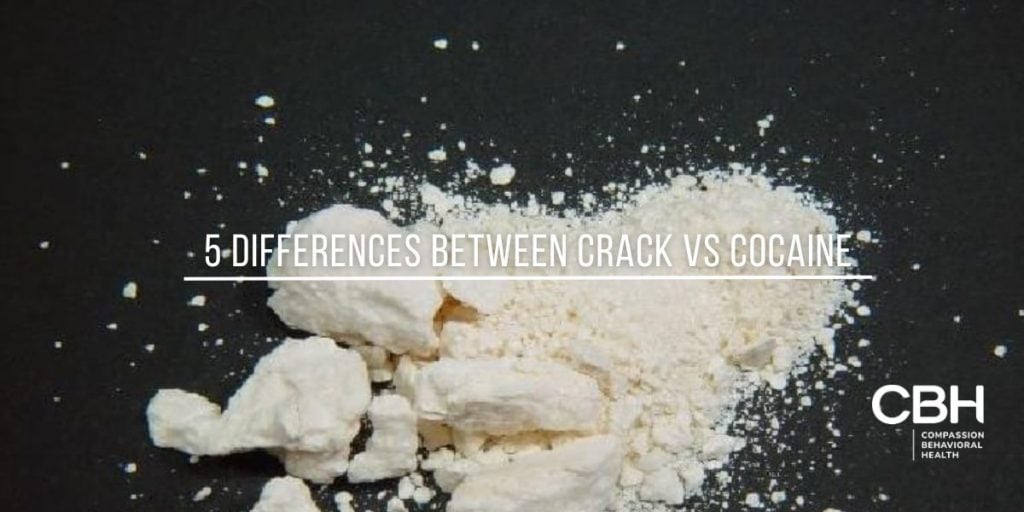
Crack and powder cocaine are two forms of the same stimulant drug, but they differ significantly in how they are made, how they are used, and how powerfully they affect the brain. Understanding the difference between crack and cocaine helps clarify why these two substances carry distinct health risks, addiction profiles, and social consequences. Both are derived from the coca plant, yet the chemical processing and delivery method of each create very different experiences in the body.
Cocaine in its powder form is a hydrochloride salt that is typically snorted or dissolved and injected. Crack cocaine is a freebase form of cocaine that has been chemically altered to be smoked. Smoking delivers the drug to the brain within seconds, producing an intense but short-lived high. That rapid onset is a central reason crack carries an especially high risk for compulsive use patterns and physical dependence.
Both substances are classified as Schedule II controlled substances by the DEA, meaning they have a high potential for misuse and can lead to severe psychological and physical dependence. For anyone grappling with stimulant misuse, understanding these distinctions is a meaningful first step. Recognizing how these drugs work differently in the brain and body makes it easier to seek the right level of care and to have an honest conversation with a treatment provider about what recovery can look like. You can learn more about stimulant use disorder and recovery options in South Florida through our specialized program pages.
How Is Crack Made From Cocaine?
Crack cocaine is produced by combining powder cocaine with baking soda and water, then heating the mixture until it solidifies into a hard, rock-like substance. The process removes the hydrochloride component from cocaine salt, producing a freebase compound that can withstand the heat of a flame. The resulting “rocks” make a crackling sound when smoked, which is the origin of the name.
This conversion process does not require sophisticated equipment or controlled substances beyond the cocaine itself, which is part of why crack became more widely accessible in lower-income communities during the 1980s. The lower cost per dose compared to powder cocaine was a significant driver of its spread. Socioeconomic factors, not personal character, have long shaped who becomes exposed to which form of the drug.
What the manufacturing process fundamentally changes is the route of administration. Smoking cocaine freebase allows it to be absorbed through the lungs into the bloodstream and reach the brain in roughly 8 to 10 seconds. That near-instantaneous delivery is the key pharmacological distinction that makes crack cocaine especially prone to driving compulsive use. Our Hollywood facility provides an overview of residential stabilization for stimulant use disorders for those who need a higher level of care.
Is Crack More Addictive Than Cocaine?
Research consistently indicates that smoked crack cocaine produces a more intense and more rapidly reinforcing effect than snorted powder cocaine. The speed at which a drug reaches the brain is directly linked to how quickly dependence develops. Because crack delivers dopamine surges to the brain’s reward system within seconds, the cycle of craving and use tends to escalate faster than with powder cocaine.
Both forms of cocaine prevent dopamine from being reabsorbed by neurons, flooding the brain with a chemical associated with pleasure and motivation. Over time, the brain adjusts by reducing its natural dopamine production and receptor sensitivity. This neurological adaptation is what drives tolerance, withdrawal symptoms like dysphoria and fatigue, and the compulsive need to use more of the substance to feel any effect at all.
It is also important to recognize that addiction to either form is rarely about the drug alone. Many people who develop a substance use disorder are managing untreated anxiety, depression, trauma, or PTSD. The substance becomes a way to regulate emotional pain when no other tools are available. That is why effective treatment addresses the mental health conditions driving the use, not just the substance itself. For a closer look at how cocaine affects brain chemistry, our team has outlined the neurological impact of cocaine use in detail.
What Our Customers Are Saying
How Do the Effects of Crack and Cocaine Differ?
The most notable contrast in effects comes down to intensity and duration. Snorted powder cocaine typically produces a high that lasts 15 to 30 minutes, with a more gradual onset. Smoked crack cocaine produces an intense rush that peaks within minutes but fades in as little as 5 to 10 minutes, driving repeated use in rapid succession.
Both substances elevate heart rate, blood pressure, and body temperature while suppressing appetite and disrupting sleep. Short-term effects also include heightened alertness, euphoria, and reduced inhibition. However, the crash that follows crack use tends to be more severe, often characterized by intense craving, irritability, and emotional flatness that can persist for hours or days.
Chronic use of either substance is associated with serious cardiovascular complications, including heart attack and stroke, even in younger adults. Smoking crack adds pulmonary risks, including a condition sometimes called “crack lung,” which involves acute respiratory distress. Snorting cocaine over time can damage the nasal septum and upper airway structures. Both routes of administration carry serious, well-documented health consequences. Information about recognizing the warning signs of a medical emergency can be found in our resource on crack overdose symptoms and what to do.
Which Is More Dangerous, Crack or Cocaine?
Both crack and powder cocaine are dangerous, and neither is safe to use recreationally. Crack carries a higher acute overdose risk per use episode because of its rapid delivery and the tendency for binge-pattern use. Powder cocaine’s longer duration can also lead to cumulative cardiovascular strain during extended use sessions. The question of which is “more” dangerous often depends on frequency of use, individual health history, and the presence of other substances.
Fentanyl contamination has added a layer of danger to both forms of cocaine in recent years. The CDC has documented a significant rise in stimulant-related overdose deaths involving opioids, as illicit drug supplies are increasingly adulterated. A person who believes they are using cocaine may unknowingly be exposed to fentanyl, dramatically increasing the overdose risk regardless of the form.
Social and legal factors have historically made crack use more dangerous at a systemic level. Sentencing disparities in federal law have long treated crack offenses far more harshly than equivalent powder cocaine offenses, a disparity that disproportionately affected Black communities. These structural inequities are not irrelevant to health outcomes; criminalization creates barriers to seeking treatment, which increases the duration and severity of the disorder.
How Is Crack and Cocaine Addiction Treated?
Treating stimulant use disorder requires addressing both the physical pattern of use and the mental health conditions that often precede or accompany it. There are no FDA-approved medications specifically for cocaine or crack addiction, though clinical research is active in this area. Treatment is therefore primarily behavioral, and the quality of the therapeutic relationship matters enormously.
Evidence-based therapies used in stimulant use disorder treatment include several clinically validated approaches. A strong treatment program typically offers a combination of the following:
- Cognitive Behavioral Therapy (CBT) to identify and interrupt use-triggering thought patterns
- Dialectical Behavior Therapy (DBT) to build distress tolerance and emotional regulation skills
- EMDR therapy for patients whose use is tied to unresolved trauma
- SMART Recovery and 12-step programming as peer support frameworks
- Family therapy to rebuild trust and include loved ones in the recovery process
These therapies are most effective when delivered in an integrated dual-diagnosis model that treats the underlying mental health condition alongside the substance use disorder. A person in recovery from crack or cocaine use who also has untreated depression or PTSD faces a significantly higher risk of relapse without that parallel mental health care. Recognizing this is the foundation of genuinely effective treatment. Our Fort Lauderdale program provides integrated dual-diagnosis care at the PHP and IOP level for patients who are ready for structured outpatient recovery.
Frequently Asked Questions About Crack and Cocaine
Here are some of the most common questions people ask about these two forms of cocaine and what they mean for health and treatment:
-
Are Crack and Cocaine the Same Drug Chemically?
Both are derived from the same active compound, cocaine hydrochloride, but crack is a freebase form with the hydrochloride removed through a cooking process. This chemical change allows it to be vaporized and smoked rather than snorted, which fundamentally alters how quickly it affects the brain.
-
Why Does Crack Produce a Stronger High Than Powder Cocaine?
Smoking delivers the drug to the brain within seconds, producing a more intense dopamine surge than snorting allows. The speed of onset, not the drug itself, is what makes the resulting high feel more powerful.
-
Can You Overdose on Crack or Cocaine?
Yes, overdose is possible with both substances and can cause cardiac arrest, seizures, or stroke even in otherwise healthy people. The risk increases significantly when either substance is mixed with alcohol, opioids, or other drugs.
-
What Are the Long-Term Mental Health Effects of Stimulant Use?
Chronic stimulant use can lead to paranoia, psychosis, severe depression during withdrawal, and lasting changes to how the brain processes reward and motivation. People with pre-existing anxiety or mood disorders are especially vulnerable to these long-term effects.
-
Is It Possible to Recover from Crack or Cocaine Addiction?
Recovery is achievable, and many people do rebuild healthy, stable lives with the right support and treatment. Individual outcomes depend on access to consistent care, treatment of co-occurring mental health conditions, and strong recovery support systems.
-
What Level of Treatment Is Appropriate for Stimulant Use Disorder?
The appropriate level of care depends on the severity of the disorder, co-occurring mental health conditions, and the person’s living environment. Options range from medically supervised detox and residential stabilization to structured outpatient programs like PHP and IOP.
Key Takeaways on difference between crack and cocaine
- Crack is a freebase form of cocaine made by removing the hydrochloride salt, which allows it to be smoked rather than snorted.
- Smoking crack delivers the drug to the brain in seconds, producing a more intense but far shorter high than powder cocaine.
- Both substances carry serious cardiovascular, neurological, and respiratory risks, with fentanyl contamination adding additional overdose danger to both.
- Addiction to either form is most effectively treated through an integrated dual-diagnosis model that addresses underlying mental health conditions alongside substance use.
- The difference between crack and cocaine in terms of addiction severity often comes down to route of administration and speed of onset, not a fundamentally different drug.
Whether someone is struggling with crack, powder cocaine, or both, the path forward involves more than stopping use. It requires understanding what mental health needs the substance has been managing and building real skills to meet those needs in healthier ways. Recovery is a process, not an event, and the right clinical environment makes a meaningful difference.
If you or someone you love is ready to take a closer look at what compassionate, individualized care can offer, Compassion Behavioral Health provides a full continuum of dual-diagnosis treatment at two South Florida locations. Our clinical team is ready to walk through your situation with you and help identify the right level of care. Reach out today by calling 844-503-0126 to speak with someone who understands.
External Sources
- Nih.gov – Cocaine | National Institute on Drug Abuse
- Nih.gov – Treatment | National Institute on Drug Abuse
- Nih.gov – Co-Occurring Disorders and Health Conditions


