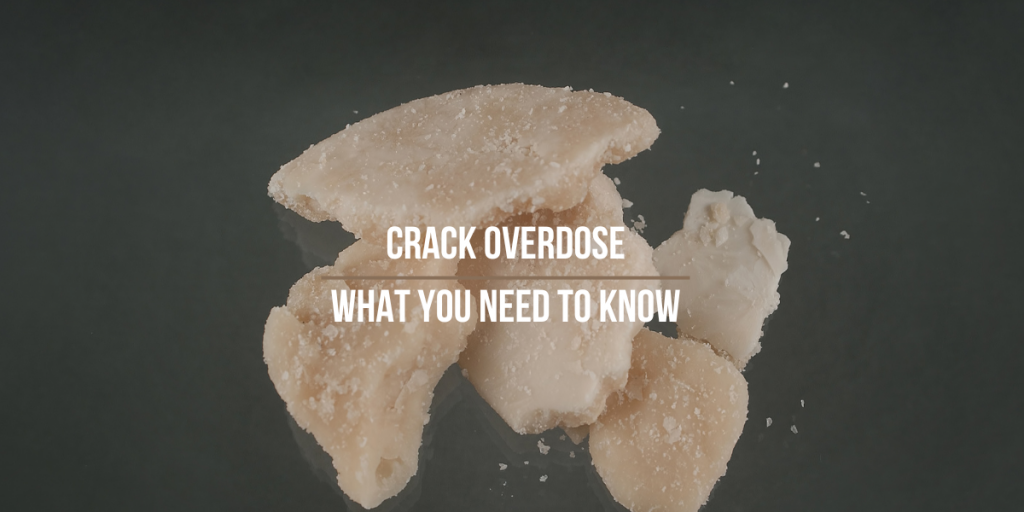
A crack overdose is a medical emergency that can unfold in minutes. Crack cocaine produces an intense but brief stimulant effect, and because the high fades so quickly, many people use it repeatedly in short sessions, dramatically increasing the risk of toxic accumulation. Recognizing crack overdose symptoms early can be the difference between life and death for someone you love.
Crack cocaine works by flooding the brain with dopamine while simultaneously driving up heart rate and blood pressure to dangerous levels. The cardiovascular and neurological stress this creates can overwhelm the body with very little warning. According to the National Institute on Drug Abuse, stimulant-related overdose deaths have risen sharply in recent years, often compounded by the presence of other substances such as fentanyl. Understanding the full physiological picture matters, especially for families in South Florida who are trying to make sense of what happened or what to do next.
The path forward after a crack overdose is not just about surviving the acute event. It is about understanding the mental health conditions that so often drive compulsive stimulant use, and finding a level of care that actually addresses both. You can learn more about the broader landscape of cocaine use disorder and treatment options in South Florida as a starting point for that conversation.
What Are the First Signs of a Crack Overdose?
The earliest signs of a crack overdose often look like an extreme version of the drug’s normal effects. A person may become intensely agitated, speak rapidly, or seem unable to stay still. These behaviors can escalate quickly into something far more serious if not recognized for what they are.
Physical warning signs tend to emerge fast. The body under stimulant overload sends clear distress signals across multiple systems at once. The following symptoms should prompt an immediate call to 911:
- Chest pain or pressure with irregular heartbeat
- Severe headache or sudden vision changes
- Extremely high body temperature with profuse sweating
- Uncontrolled shaking or muscle rigidity
- Loss of consciousness or unresponsiveness
These are not signs to wait out. Each one indicates the cardiovascular or central nervous system is under acute stress that requires emergency medical intervention, not observation.
Psychological symptoms are equally urgent and are often the first thing bystanders notice. Paranoia, hallucinations, and extreme panic can accompany a physical overdose. Someone in this state may not be able to communicate what is happening to them, which is why the people around them need to know what to look for. Understanding the key differences between crack and powder cocaine helps explain why crack’s faster onset makes these signs appear so suddenly.
What Happens to the Body During a Crack Overdose?
Crack cocaine is a powerful stimulant that acts almost immediately after inhalation, reaching the brain within seconds. During an overdose, the central nervous system is essentially overwhelmed by excessive dopamine and norepinephrine activity. The heart rate spikes, blood vessels constrict sharply, and blood pressure can reach levels associated with stroke or cardiac arrest.
The cardiovascular system carries the heaviest burden. Coronary artery spasm, a condition where the arteries supplying the heart suddenly tighten, can trigger a heart attack even in people with no prior cardiac history. Research published through the National Institutes of Health has documented that stimulant-induced cardiac events can occur in otherwise healthy young adults. Body temperature regulation also breaks down, and hyperthermia during a crack overdose can damage the kidneys and brain within a short window of time.
Neurologically, the brain may go into a seizure state as electrical activity becomes dysregulated by the toxic stimulant load. Some people experience a condition called excited delirium, characterized by extreme agitation, superhuman-seeming strength, and sudden collapse. Emergency responders treat this as a critical situation. The person experiencing it is not in control of their behavior, and approaching the situation with that understanding may help bystanders stay calm while waiting for help. Details about the inpatient care available for cocaine-related crises in Hollywood, FL can help families plan the next step.
What Our Customers Are Saying
Can Crack Laced With Fentanyl Cause an Overdose?
Fentanyl-laced crack is no longer a rare scenario. Drug supply contamination across the United States has become widespread, and stimulants including crack cocaine are increasingly being cut with fentanyl, sometimes without the knowledge of the person using it. This combination is particularly dangerous because crack’s stimulant effects can initially mask the early signs of opioid toxicity.
Fentanyl is a synthetic opioid estimated to be 50 to 100 times more potent than morphine, according to the CDC. Even a trace amount can cause respiratory depression severe enough to be fatal. When a person is also under the stimulant effects of crack, the opioid-related slowing of breathing can go unnoticed until it is too late. Understanding how rapidly opioids move through the body is important context, and the information on how long fentanyl stays in your system explains why even delayed symptoms can become life-threatening.
Naloxone, the opioid reversal medication, can counteract fentanyl’s effects if administered quickly. It will not reverse a stimulant overdose, but it can buy critical time if fentanyl is part of the picture. Bystanders who carry naloxone and know how to use it are often the reason someone survives long enough for emergency responders to arrive.
What Should You Do if Someone Overdoses on Crack?
Speed and composure are both essential in an overdose situation. The first action is always to call 911, describe the symptoms clearly, and stay on the line. Dispatchers can provide real-time guidance while emergency services are en route, and in most states, Good Samaritan laws protect people who call for help from legal consequences related to drug use.
While waiting for emergency responders, keep the person as calm and cool as possible. Move them away from heat, loosen restrictive clothing, and avoid giving them anything to eat or drink. If they lose consciousness but are still breathing, place them in the recovery position on their side to prevent choking. Do not restrain them forcibly if they are agitated, as this can worsen the cardiovascular stress.
After the acute crisis is over, the conversation about care should begin. A medical overdose event is often a turning point, not just physically but psychologically. Families may feel panic, relief, and helplessness all at once. Connecting with a dual-diagnosis treatment team that understands both the addiction and the mental health conditions driving it is the most important step that can follow an emergency stabilization. Information about the medical detox program available in Hollywood, FL is a practical place for families to start.
What Treatment Helps After a Crack Overdose?
Medical stabilization is always the first priority after a crack overdose. Once a person is physiologically stable, the clinical conversation shifts to what underlying conditions have been driving the substance use. At Compassion Behavioral Health, treatment begins with a comprehensive dual-diagnosis assessment because crack cocaine use is frequently rooted in untreated mental health conditions such as depression, trauma, PTSD, or anxiety disorders.
The full continuum of care matters here. A brief detox without follow-through rarely produces lasting change. A structured path that moves from medical detox through residential stabilization, then into PHP and IOP, allows the brain to heal while the deeper work of therapy takes place. Evidence-based modalities including CBT, DBT, and EMDR are used to address the trauma and thought patterns that make stimulant use feel like a solution. For patients with complex psychiatric histories, GeneSight genetic testing helps identify which medications their body can actually metabolize effectively, removing the guesswork from psychiatric medication management.
Family involvement is not optional at CBH, it is built into the treatment model. Weekly family therapy sessions, the Compassion Connections family support program, and a PHP leveling system that rewards engagement with passes and privileges all work together to rebuild the relationships and support structures that recovery depends on. Compassion Behavioral Health holds accreditations from JCAHO, AHCA, DCF, NAMI, and PsychArmor, reflecting a standard of care that is not aspirational but operationally verified.
Frequently Asked Questions About Crack Cocaine Overdose
Here are some common questions people ask about this topic:
-
How quickly can a crack cocaine overdose happen?
Because crack is smoked and reaches the brain within seconds, toxic effects can develop within minutes of a single use session. The speed of onset is one reason crack poses such an acute overdose risk compared to other forms of cocaine.
-
Is a crack overdose always fatal?
Not every crack overdose results in death, but every overdose is a medical emergency that requires immediate attention. Outcomes depend heavily on how quickly emergency care is received and whether other substances like fentanyl are involved.
-
What does a cocaine-related seizure look like?
A stimulant-induced seizure typically involves uncontrolled, rhythmic shaking or muscle rigidity and may be accompanied by loss of consciousness. It can last from seconds to several minutes and requires emergency medical evaluation even after the person appears to recover.
-
Can someone survive repeated stimulant overdose events?
Some people survive multiple acute overdose episodes, but each event causes cumulative damage to the heart, brain, and other organs. Repeated exposure significantly increases the likelihood of a fatal cardiovascular event over time.
-
Does naloxone work on a stimulant-only overdose?
Naloxone is an opioid reversal agent and has no effect on stimulant toxicity by itself. It is only useful in a crack overdose situation if fentanyl or another opioid has also been consumed.
-
What mental health conditions are commonly linked to stimulant use disorder?
Depression, PTSD, ADHD, and anxiety disorders are frequently co-occurring with stimulant use disorder, often because stimulants temporarily relieve symptoms of these untreated conditions. Treating the underlying mental health diagnosis is a central part of lasting recovery.
Key Takeaways on Crack Overdose Symptoms
- Crack overdose symptoms include chest pain, seizures, dangerously high body temperature, paranoia, and loss of consciousness
- The cardiovascular system is the most immediately threatened organ system during a stimulant overdose
- Fentanyl contamination in the drug supply makes crack use significantly more lethal and unpredictable
- Naloxone should be administered if fentanyl involvement is suspected, alongside an immediate call to 911
- Dual-diagnosis treatment addressing both mental health and substance use is the most effective path after an overdose event
A crack overdose is a turning point that deserves more than emergency stabilization alone. The medical crisis often reflects years of untreated mental health conditions that have never been properly addressed. That is where real recovery begins.
If someone you care about has experienced an overdose or is showing signs of stimulant use disorder, Compassion Behavioral Health offers a full continuum of dual-diagnosis care at two South Florida locations. Our team treats the mental health conditions driving substance use, not just the substance use itself. Reach out today at 844-503-0126 to speak with someone who will meet you exactly where you are.
External Sources
- Nih.gov – Cocaine | National Institute on Drug Abuse
- Nih.gov – Fentanyl | National Institute on Drug Abuse
- Samhsa.gov – SAMHSA’s National Helpline