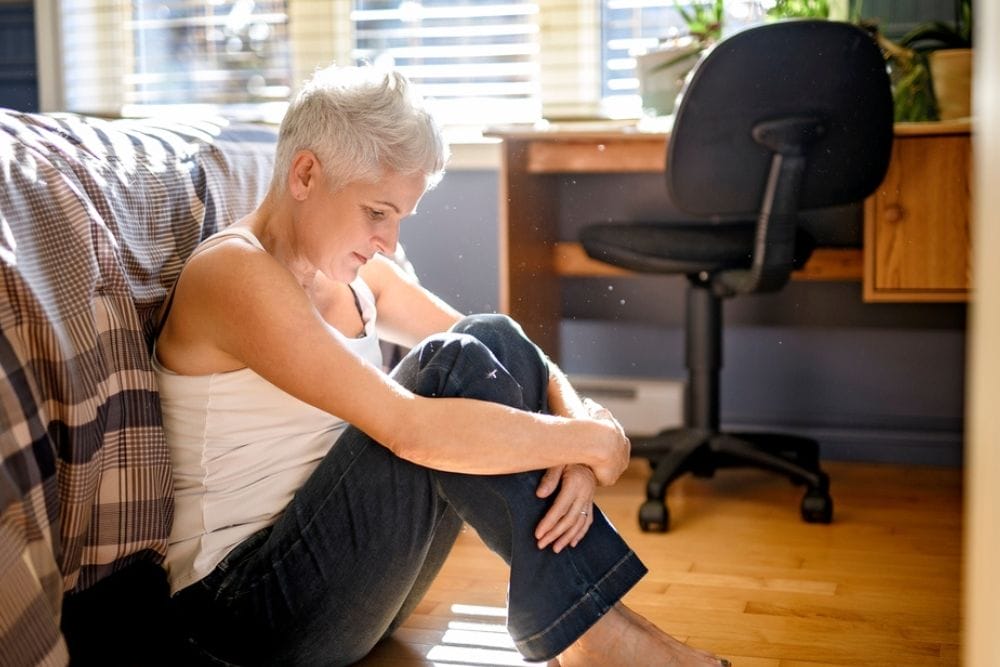

Mental health stabilization starts when symptoms are named and treated, not minimized. A mental health rehab provides structured, evidence-based care for conditions like depression, anxiety, PTSD, bipolar disorder, and personality disorders while addressing co-occurring substance use, if need be, without shame. Integrated teams manage medications, therapies, and safety plans in one coordinated setting so you can regain steadiness and build routine. That focus on mental health first is what allows people to heal and re-enter life with confidence.
Effective care moves in stages: medical stabilization when needed, deeper therapeutic work, then gradual reintegration with strong aftercare. Families are included as part of the treatment team because relationships and routines shape recovery. If you are weighing options, exploring mental health treatment in South Florida can clarify the next steps and align care with your needs. Early engagement reduces risk, preserves momentum, and protects health.
Care that treats mental health first reduces crises, improves sleep, and restores daily functioning. It can also addresses the drivers of substance use, which lowers relapse risk over time. The goal is a plan that feels human, not institutional, so progress sticks beyond discharge.

What Makes a True Mental Health Rehab Different From Addiction-Only Treatment
Programs built for mental health go beyond detox or abstinence. A true mental health rehab is licensed and staffed to stabilize psychiatric symptoms first, then treat co-occurring substance use as part of one plan. Residential care focuses on safety, mood regulation, sleep normalization, and medication management, with detox delivered as a separate level when needed. This sequence creates a foundation for deeper work in partial hospitalization and intensive outpatient settings.
Individualized care is operational here, not just promised. At Compassion Behavioral Health, therapist caseloads are kept to 8–10 patients, and Clinical Directors know each patient’s story and daily progress. Internal outcome data show marked depression improvement of 159%, a significant 167% improvement in anxiety, and 88% improvement in PTSD among patients who complete the continuum. When trauma is central, learning about the risks of leaving PTSD untreated can guide timing and intensity of care.
Family therapy is built in, and Spanish-speaking therapists are available. Gender-specific groups, a dedicated LGBTQIA+ group, and culturally competent programming make care feel safe and relevant. This is a non-punitive environment where relapse is met with immediate reassessment and support, not shame.
The Connection Between Mental Health and Substance Use: Why Both Must Be Treated Together
Many people use alcohol, opioids, fentanyl, methamphetamine, or benzodiazepines to self-manage untreated depression, anxiety, or trauma symptoms. Research from SAMHSA and NIDA shows that co-occurring disorders are common, and integrated treatment improves engagement, reduces hospitalizations, and lowers overdose risk. Treating conditions together closes gaps where symptoms can worsen between appointments. It also streamlines medication decisions and therapy sequencing.
Trauma-informed care is essential because hyperarousal, sleep disruption, and avoidance can undermine sobriety efforts. When therapy and medication management address mood regulation and cravings together, patients regain control faster. Families receive practical coaching to reinforce skills at home, which strengthens long-term stability.
- Unified treatment reduces conflicting plans and confusion.
- Medication management targets mood and cravings together.
- Therapy integrates coping skills for both triggers.
- Relapse prevention plans include mental health warning signs.
Care teams monitor data and adjust quickly, which prevents small lapses from becoming full relapses. The aim is to keep momentum and preserve dignity at every step.
What Our Customers Are Saying
What to Expect at a Mental Health Rehab: From Detox Through Residential and Beyond
Detox, when needed, focuses on medical safety and comfort while beginning stabilization of anxiety, sleep, and mood. Residential treatment continues that work with daily psychiatry access, structured therapy, and regulated routines that calm the nervous system. Partial hospitalization deepens trauma work, emotion regulation, and interpersonal skills without removing you from daily life. Intensive outpatient shifts from teacher to coach, so skills are tested in real time with strong support.
Therapies are selected to fit your history and goals. Options include CBT, DBT, EMDR, neurofeedback, SMART Recovery, non-mandatory 12-step, Family Therapy, Art and Music Therapy, Mobile Fitness, and Canine Assisted Therapy twice weekly at our residential location in Hollywood. For step-down planning, learn how our IOP mental health program in South Florida supports work, school, and family rhythms while keeping you connected to care. Housing is accredited for PHP and IOP, which protects the structure during reintegration. Our programs include access to:
- Weekly family therapy and Compassion Connections support.
- PHP leveling unlocks day passes and family sessions with engagement.
- LGBTQIA+ affirming and gender-specific groups build safety.
- VA benefits and TRICARE East are accepted with authorization support.
Mental Health and Dual Diagnosis Treatment That Works
Call 844-503-0126
How Compassion Behavioral Health Builds an Individualized Mental Health Rehab Plan for Every Patient
Assessment starts with stabilization goals, medical history, trauma exposure, and current risks. Therapist caseloads enable meaningful one-to-one time, while Clinical Directors track progress daily. Care plans braid therapy, medications, sleep routines, and social supports into one path you can follow. Outcome data shows substantial gains across depression, anxiety, and PTSD among patients who complete the full continuum.
Medication management is careful and collaborative. GeneSight genetic testing informs dosing and selection when metabolism or side effects complicate choices. When specialty interventions such as TMS or Spravato are clinically indicated, patients are referred to NeuroHealth in Fort Lauderdale for coordinated care aligned with the existing plan.
Family is part of the treatment team through weekly sessions and our Compassion Connections program. The relapse philosophy is simple and humane: make it a lapse, not a relapse, with immediate support and plan adjustments. JCAHO accreditation, PsychArmor training for military-competent care, and 633+ Google reviews reinforce trust in the process.
Frequently Asked Questions About Dual-Diagnosis Care in South Florida
Here are some common questions people ask about this topic:
-
Which conditions are commonly treated alongside substance use?
Programs address depression, anxiety, PTSD, bipolar disorder, and personality disorders. Treatment also covers sleep problems, trauma symptoms, and related health risks.
-
How long does treatment usually take?
Timelines are individualized based on stability, safety, and progress. Teams advocate with insurance for the time clinically needed.
-
What therapies are available in comprehensive programs?
Care often includes CBT, DBT, EMDR, neurofeedback, and family therapy. Many programs also offer SMART Recovery, an optional 12-step program; art and music therapy; and fitness.
-
How are veterans and service members supported?
Our facilities accept VA and TRICARE East benefits, which can provide tailored navigation and authorization assistance. Military-competent teams understand moral injury, trauma exposure, and reintegration needs.
-
What happens if trauma goes untreated during recovery?
Unaddressed PTSD can drive avoidance, insomnia, and cravings that destabilize progress. Integrated trauma care reduces symptoms and lowers relapse risk.
-
How do programs respond if someone returns to substance use?
Compassionate teams respond quickly with reassessment, added supports, and safety planning. The focus is learning and stabilization, not punishment or shame.
Key Takeaways on Mental Health Rehab
- Mental health first care treats psychiatric symptoms and substance use together.
- Staged care from detox to outpatient supports safe reintegration.
- Individualized plans use small caseloads, Director oversight, and genetic testing.
- Outcomes show strong improvements in depression, anxiety, and PTSD.
- Family involvement and a non-punitive approach to relapse protect progress.
Care built around stabilization, trauma-informed therapy, and coordinated medication management helps recovery last. The right mental health rehab aligns treatment with your story and culture, and supports you through each step-down level.
If you or a loved one is ready to start mental health rehab in South Florida, Compassion Behavioral Health provides a full continuum of dual-diagnosis care with strong family involvement and proven outcomes. Our team coordinates treatment across detox, residential, PHP, and IOP so progress carries forward. Call 844-503-0126 to speak with an admissions specialist. Stories change here, and the next chapter can begin today.
External Sources
- Nih.gov – Sociodemographic Correlates of Affordable Community Behavioral Health Treatment Facility Availability in Florida: A Cross-Sectional Study
- Usf.edu – How do Floridians perceive AI in mental health and health care?
- Mhstats.org – Serious Mental Illness Statistics in Florida 2026 | Mental Health Stats

Ryan attended college at the Ohio State University and the University at Buffalo, receiving degrees in Sociology. His background and experience in the healthcare space has led him to his role as a managing partner at Compassion Behavioral Health. Ryan demonstrates a strong ability to identify project needs, formulate strategies, maintain good practice quality assurance, and manage a team to deliver the highest standard of client care and professionalism.