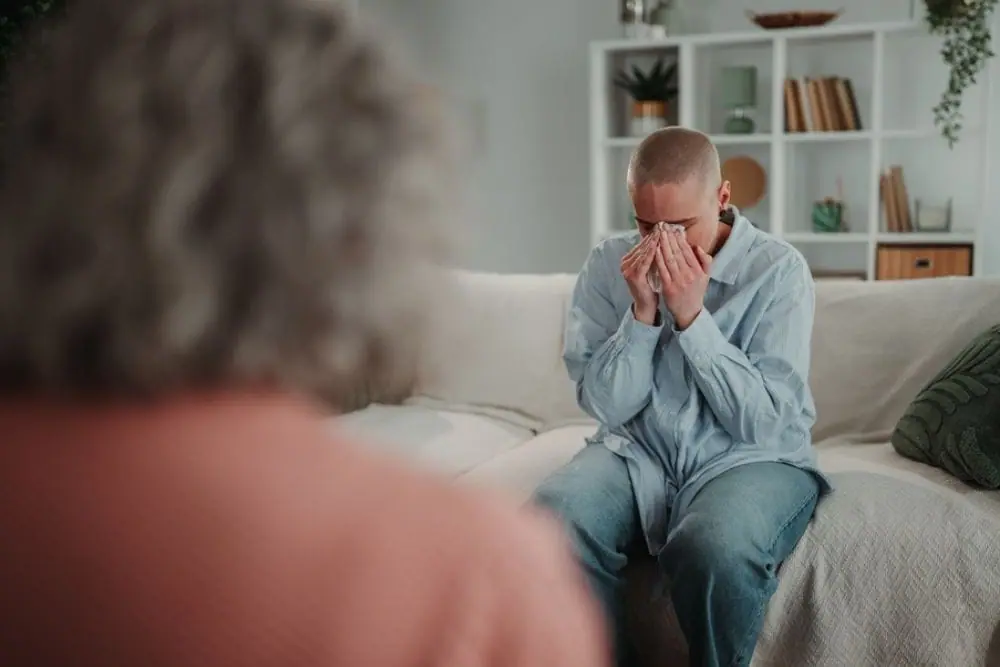
Mental health and addiction rarely travel alone. Research from the Substance Abuse and Mental Health Services Administration (SAMHSA) consistently shows that more than half of people seeking treatment for a substance use disorder also meet criteria for at least one mental health condition. When both are present, treating only one rarely produces lasting results. That is why dual diagnosis rehab in Hollywood, FL exists as a clinical model built around treating both conditions simultaneously, with mental health as the foundation.
Unaddressed anxiety, depression, trauma, or bipolar disorder can quietly drive substance use for years before anyone connects the two. Many people cycle through treatment programs that focus almost entirely on the substance itself, leaving the underlying mental health condition untouched.
When that happens, the behavioral patterns that sustained substance use tend to return because the root cause was never addressed. A genuinely integrated approach changes that equation by treating co-occurring disorders as one clinical problem, not two separate ones.
South Florida has one of the highest concentrations of behavioral health resources in the country, yet not all programs are built with dual diagnosis as their clinical identity. The difference between a program that manages both conditions and one that truly integrates treatment at every level of care is significant, and it shapes outcomes. You can learn more about what this integrated approach looks like in practice by exploring dual diagnosis treatment in Florida.

Dual Diagnosis in Hollywood, FL: Who We Treat and What We Address
Most people who arrive at Compassion Behavioral Health’s Hollywood location are not struggling with addiction as an isolated condition. They are living with depression that has gone unmanaged for years, or trauma that was never properly treated, or anxiety so severe it made daily functioning feel impossible. Substance use entered the picture as a coping mechanism, and over time, it became its own clinical problem. Dual diagnosis treatment is designed for exactly this reality.
CBH’s Hollywood facility operates as a medical detox and residential stabilization program, anchored by a clinical team that treats co-occurring mental health and substance use disorders together from the first day of care. The psychiatric staff conducts thorough assessments at intake to identify every active diagnosis, not just the one that prompted the call. That assessment shapes a fully individualized treatment plan, and the care team refines it as stabilization progresses.
The conditions most commonly seen alongside substance use disorders include major depressive disorder, generalized anxiety disorder, PTSD, bipolar disorder, and borderline personality disorder. Treatment at the Hollywood location addresses the full clinical picture through therapies that have demonstrated measurable outcomes, including CBT, DBT, EMDR, Neurofeedback, and Canine Assisted Therapy (CAT). For a broader look at the full range of programs available, visit addiction and behavioral health treatment in South Florida.
Why Treating Mental Health First Leads to Better Addiction Outcomes
Substance use is frequently a symptom before it becomes a disorder. When the brain is managing unprocessed trauma, chronic stress, or a mood disorder without clinical support, it will seek relief. Research published by the National Institutes of Health has shown that chronic stress directly increases vulnerability to addiction by altering dopamine signaling in the brain’s reward circuitry. Addressing those neurological and psychological conditions early in treatment creates a fundamentally different clinical outcome.
Programs that sequence mental health treatment as a secondary concern often see patients stabilize briefly, then return to using substances once real-world stressors return. The logic of mental-health-first care is straightforward: if the underlying condition that drove substance use is still active, recovery remains fragile. That is why CBH’s clinical model positions psychiatric stabilization, medication management, and evidence-based therapy as the core of treatment rather than an add-on.
For patients for whom medication trials have previously failed, CBH uses GeneSight genetic testing to determine how an individual metabolizes psychiatric medications. This tool helps psychiatrists identify which medications are likely to work based on a patient’s actual genetic profile, rather than through repeated trial and error. Families who have watched their loved one fail on medication after medication often describe this as one of the most meaningful parts of the treatment process. Explore helpful criteria for choosing a dual diagnosis treatment center in South Florida to understand what quality integrated care should include.
What Our Customers Are Saying
Levels of Dual Diagnosis Rehab at Our Hollywood, FL Location
Compassion Behavioral Health offers a full continuum of care that moves from medical detox through residential stabilization and into PHP, IOP, and outpatient programming. No single level of care does all the clinical work on its own. Each phase builds directly on the one before it, and the same care team supports patients over multiple months, so clinical relationships and treatment context carry forward rather than starting over at each transition.
The levels of care available through CBH’s continuum include the following:
- Medical detox: supervised withdrawal management with 24-hour psychiatric and nursing support
- Residential stabilization: immersive dual diagnosis treatment in a structured, therapeutic environment
- Partial Hospitalization Program (PHP): intensive daily programming with structured clinical support
- Intensive Outpatient Program (IOP): step-down care as patients reintegrate into daily life
- Outpatient (OP): ongoing support for long-term stability and relapse prevention
Each transition is guided by clinical readiness, not a fixed calendar. CBH advocates for longer stays when insurance authorizations fall short of what a patient clinically needs. That advocacy reflects a core belief that lasting recovery requires sufficient time to stabilize, process, and build the skills that carry forward into independent life. Learn how each level connects in CBH’s levels of behavioral health care.
What to Expect When You Begin Dual Diagnosis Rehab at CBH Hollywood
Arriving at a treatment facility while in crisis or physical withdrawal is one of the most vulnerable moments a person can experience. At CBH’s Hollywood location, intake begins with a comprehensive psychiatric and medical evaluation so the clinical team understands the full picture from the start. There are no assumptions based on a single diagnosis or referral note. The assessment drives everything that follows.
Once medically stable, patients move into structured programming that integrates individual therapy, group therapy, and psychiatric care into a daily schedule designed around recovery. The clinical director knows every patient by name, and therapists’ caseloads are intentionally kept small to allow for genuinely individualized care. This is not a model where patients see a therapist twice a week and spend the rest of their time in large groups. Depth of engagement is built into the program’s structure.
Family involvement begins early and continues throughout the continuum. Weekly family therapy sessions are available via Zoom or in person, and the Compassion Connections program offers a six-week structured curriculum for family members navigating their own experience of a loved one’s treatment.
The PHP phase includes a leveling system in which patients progress based on engagement and clinical growth, with Level 3 unlocking family therapy passes and access to additional programming. Explore what the partial hospitalization program for mental health in South Florida looks like for clients and families moving through this phase of care.
Frequently Asked Questions About Dual Diagnosis Treatment in Hollywood, FL
These are some of the questions people most often ask when considering integrated mental health and addiction treatment:
-
What is dual diagnosis treatment and how is it different from standard addiction rehab?
Dual diagnosis treatment addresses a mental health condition and a substance use disorder at the same time, within the same clinical program. Standard addiction rehab often focuses primarily on the substance, leaving underlying psychiatric conditions undertreated or unaddressed.
-
How do I know if I or a loved one needs dual diagnosis care rather than addiction treatment alone?
If a person has a history of anxiety, depression, trauma, mood instability, or psychiatric medication use alongside substance use, a dual diagnosis evaluation is warranted. A comprehensive psychiatric assessment at intake will determine whether co-occurring conditions are present and how they relate to substance use patterns.
-
Does insurance typically cover dual diagnosis rehab?
Most major insurance plans, including many commercial plans and Medicaid, provide some coverage for dual diagnosis treatment under federal mental health parity laws. Coverage levels vary significantly by plan, and the admissions team at CBH can verify benefits and explain what is covered before treatment begins.
-
What happens if someone relapses during or after treatment?
Relapse is understood as part of the recovery process, not as treatment failure. The clinical response is immediate, compassionate reassessment rather than judgment, with individualized adjustment to the care plan based on what the lapse reveals about unmet clinical needs.
-
Is dual diagnosis treatment available for veterans and active military members?
CBH holds PsychArmor certification for military-competent care and accepts VA benefits and TRICARE East. The Director of Veteran Services brings 21 years of active-duty experience to the care team, which meaningfully shapes how veteran-specific trauma and mental health needs are understood and treated.
-
What mental health conditions are most commonly treated alongside substance use disorders?
The most frequently co-occurring conditions include major depressive disorder, post-traumatic stress disorder, generalized anxiety disorder, bipolar disorder, and borderline personality disorder. Treatment outcomes at CBH show marked improvement in depression, significant improvement in anxiety, and great improvement in PTSD across the patient population.
Key Takeaways on Dual Diagnosis Rehab Hollywood FL
- Dual diagnosis rehab in Hollywood FL treats mental health and substance use together, which produces more durable clinical outcomes than treating either condition in isolation.
- CBH’s care model is built around psychiatric stabilization first, with individualized treatment plans informed by comprehensive intake assessments and, when indicated, GeneSight genetic testing.
- A full continuum of care from detox through outpatient means the same clinical team supports patients across every phase, preserving context and continuity rather than restarting care at each level.
- Family involvement is structured and ongoing, with weekly therapy sessions, the Compassion Connections curriculum, and a PHP leveling system that expands patient and family access as engagement deepens.
- Veterans, LGBTQIA+ individuals, and others with specific cultural or identity-based needs receive care that is clinically competent and operationally affirming, not just stated as such.
Co-occurring mental health and substance use disorders are treatable conditions. Progress is real, measurable, and documented in outcome data that reflects the work patients and clinicians do together. Stories do change here, not as a slogan but as a clinical reality that patients and their families live through.
To speak with someone at Compassion Behavioral Health about dual diagnosis treatment options, call 844-503-0126. The admissions team can answer questions about levels of care, insurance verification, and what the first days of treatment look like for someone in your specific situation. Individualized care starts with that first conversation.
External Sources
- Floridablue.com – Substance use disorders (SUD)
- Nih.gov – Chronic Stress, Drug Use, and Vulnerability to Addiction
- Tampabay.com – Florida’s mental health care reforms show the path forward

Ryan attended college at the Ohio State University and the University at Buffalo, receiving degrees in Sociology. His background and experience in the healthcare space has led him to his role as a managing partner at Compassion Behavioral Health. Ryan demonstrates a strong ability to identify project needs, formulate strategies, maintain good practice quality assurance, and manage a team to deliver the highest standard of client care and professionalism.