
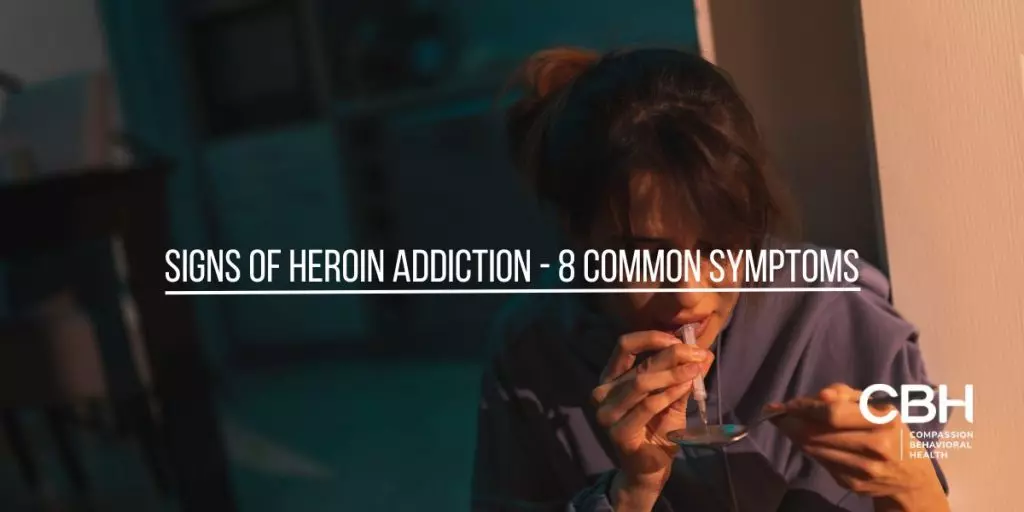
Heroin leaves a trail. Whether you are worried about someone you love or trying to make sense of changes you have witnessed, understanding the signs of heroin use can be the first step toward getting someone the help they need. Heroin is an opioid derived from morphine, and it affects the brain’s reward system rapidly and powerfully, making it one of the most addictive substances available. Recognizing the warning signs early matters because the consequences of untreated heroin use escalate quickly.
Research from the National Institute on Drug Abuse consistently shows that heroin use rarely exists in isolation. Most people who develop opioid use disorder are also managing untreated depression, anxiety, trauma, or other mental health conditions that drove them toward substances in the first place. That underlying layer of pain is often invisible to families, which is why behavioral and emotional changes can be just as significant as physical ones.
Learning to identify what heroin use looks like, physically and behaviorally, can help you have a more informed and compassionate conversation with someone you care about. It can also help you understand why professional dual-diagnosis treatment, which addresses both the substance use and the mental health conditions driving it, produces more lasting outcomes than treating addiction alone.

What Are the Physical Signs of Heroin Use?
Heroin acts on the central nervous system within seconds of entering the body, and the physical effects are difficult to hide. Pinpoint pupils, even in low-light settings, are one of the most reliable early indicators. Skin that appears flushed, itchy, or covered in scratch marks is also common, as heroin triggers a histamine response that causes intense itching.
Sudden, unexplained drowsiness is another hallmark. People using heroin may nod off mid-conversation, slur their words, or seem unusually sedated, then appear alert again shortly after. This cycle of sedation followed by brief wakefulness is sometimes called “nodding out” and is a recognizable pattern for those familiar with opioid effects.
Weight loss and neglected hygiene often emerge over time. Heroin suppresses appetite and alters sleep patterns, and as use becomes compulsive, daily self-care routines break down. If you notice track marks, bruising, or scarring along the arms or other veins, these are signs consistent with intravenous use. You can learn more about specific forms heroin takes and how they are used by reading about liquid heroin and how it differs from other preparations.
What Does Heroin Paraphernalia Look Like?
Finding drug paraphernalia is often how families confirm their suspicions. Heroin can be smoked, snorted, or injected, and each method of use comes with specific tools. Knowing what to look for can help you understand how serious a situation has become and what level of care may be needed.
Common items associated with heroin use include the following:
- Syringes or needles not associated with a medical condition
- Spoons with burn marks or residue on the underside
- Small square pieces of foil, sometimes with burnt marks or residue
- Rubber tubing, belts, or laces used as tourniquets
- Small glassine bags, often stamped with logos or numbers
These items are not always hidden in obvious places. Coat pockets, shoeboxes, behind furniture, and inside everyday containers are common hiding spots. Finding any combination of these items together warrants serious concern and a prompt, non-confrontational conversation. Families struggling with understanding heroin addiction and its progression often find that early intervention changes outcomes significantly.
What Our Customers Are Saying
How Does Heroin Change Behavior?
Behavioral changes can precede or accompany physical signs, and they are often what prompts families to seek answers. Heroin rewires the brain’s dopamine system, making the drug feel like the highest priority above relationships, responsibilities, and personal values. People who were once engaged and reliable may become secretive, withdrawn, and unreliable in ways that feel out of character.
Financial behavior often shifts in noticeable ways. Unexplained requests for money, missing valuables, or sudden financial strain can signal that someone is funding a dependency. Isolating from close friends and family while forming new relationships with unfamiliar people is also a common behavioral pattern as use intensifies.
Mood swings tied to the drug’s cycle of intoxication and withdrawal are significant. A person may be calm and pleasant for a period, then irritable, anxious, or agitated when the drug wears off. These swings are not personality failures; they reflect the neurological grip that opioids develop quickly. The Fort Lauderdale heroin treatment program at CBH is designed to address both the behavioral and clinical dimensions of this process.
What Are the Signs of a Heroin Overdose?
A heroin overdose is a medical emergency. The drug suppresses breathing, and when someone takes too much, oxygen to the brain can be cut off within minutes. Because illicit heroin is increasingly mixed with fentanyl, overdoses now occur at lower doses and more suddenly than in previous years. Understanding the risk that fentanyl contamination adds is critical, and you can read more about how fentanyl affects the body and how long it remains detectable.
Recognizing an overdose quickly can save a life. The following symptoms indicate a possible opioid overdose requiring immediate emergency response:
- Breathing that is extremely slow, shallow, or has stopped
- Unresponsiveness or inability to be woken up
- Blue or grayish color in the lips, fingertips, or face
- Choking, gurgling, or snoring sounds coming from the throat
- Pinpoint pupils and limp body posture
If you witness these symptoms, call 911 immediately, administer naloxone (Narcan) if available, and place the person in the recovery position. Florida’s 911 Good Samaritan Act provides legal protection to people who call for help during an overdose. Acting without hesitation is what matters most in those moments.
How Do You Help Someone Using Heroin?
Watching someone you care about struggle with heroin use is one of the most painful experiences a family can face. Helping effectively means moving beyond fear or anger and toward informed, compassionate action. Confrontations driven by frustration rarely work; conversations grounded in concern and specific observations tend to be more productive.
Medical detox is typically the necessary first step, as heroin withdrawal can be physically intense and dangerous without clinical supervision. Attempting to stop abruptly at home without support increases the risk of relapse and overdose. Supervised detox stabilizes the body, reduces discomfort, and creates the foundation for deeper therapeutic work. The medical detox program in Hollywood, FL provides that stabilization under 24-hour clinical care.
Treatment that addresses underlying mental health conditions alongside substance use produces measurably better outcomes. Depression, trauma, anxiety, and PTSD are among the most common co-occurring conditions in people with opioid use disorder. Dual-diagnosis care treats both simultaneously, which is why it is the clinical standard, not an add-on, at Compassion Behavioral Health. Supporting a person through this process means being part of their recovery team, not just a witness to their struggle.
Key Takeaways on Signs of Heroin Use
- Physical indicators such as pinpoint pupils, nodding out, and track marks are among the clearest signs of heroin use
- Paraphernalia including burnt spoons, syringes, and small foil squares often confirms suspected use before a conversation takes place
- Behavioral shifts, including financial problems, isolation, and mood swings, are just as telling as physical symptoms
- Overdose risk is significantly elevated by fentanyl contamination in the current illicit drug supply, making naloxone access critical
- Dual-diagnosis treatment that addresses both substance use and mental health conditions produces measurably better outcomes than addiction-only care
Recognizing what heroin use looks like is a meaningful act of care, not surveillance. When you can name what you are seeing, you are better positioned to respond with clarity instead of fear. That clarity is what opens the door to a real conversation and, ultimately, to the right kind of help.
If someone you love is struggling, Compassion Behavioral Health offers a full continuum of dual-diagnosis care, from medical detox through residential, PHP, IOP, and outpatient support, at two locations in South Florida. The clinical team treats each patient as an individual, with care plans built around their specific mental health history, not a generic protocol. To speak with someone today, call 844-503-0126.
External Sources
- Nih.gov – Overview | National Institute on Drug Abuse
- Nih.gov – Fentanyl | National Institute on Drug Abuse
- Nih.gov – Medications for Opioid Use Disorder | National Institute on Drug Abuse