



























Inpatient Rehab in Hollywood, FL That Treats Mental Health and Addiction Together
Stabilizing mental health symptoms while safely addressing substance use takes focused, round-the-clock care. In a structured residential setting, psychiatrists and therapists can rapidly adjust medications, treat acute anxiety or depression, and remove triggers that keep you stuck. That clinical containment helps your nervous system settle so therapy can actually work.
Choosing Hollywood Inpatient Rehab means you get a trauma-informed plan that treats co-occurring mental health and substance use together from day one. Detox, if needed, is medically managed while your treatment team begins evidence-based therapy for mood, trauma, and thought disorders. With compassionate structure and consistent support, you gain clarity, momentum, and a safer path forward.
Why Inpatient Rehab Is Often the Most Important First Step
Safety and stabilization come first when symptoms are severe or unpredictable. Residential care limits access to substances, provides 24/7 medical and psychiatric support, and creates space to regulate sleep, nutrition, and mood. That foundation reduces crisis risk and lets therapy begin in an environment designed for healing.
Detox, when indicated, is overseen by medical staff who monitor vitals, withdrawal, and medication response. Early psychiatric evaluation guides a plan for anxiety, depression, PTSD, or bipolar symptoms that often drive substance use. Choosing Hollywood Inpatient Rehab concentrates weeks of scattered attempts into focused, coordinated progress.
- Stabilizes mood and sleep quickly
- Reduces triggers and access to substances
- Coordinates medical and psychiatric care
- Starts evidence-based therapy sooner
- Builds daily structure and safety
This first step equips you with stability and insight that carry into the next level of care.
For a clear overview of the detox phase, see our medical detox guide.
Mental Health and Dual-Diagnosis Care at Our Hollywood Inpatient Facility
Every patient receives a comprehensive psychiatric assessment that informs therapy and medication decisions. Minimal therapist caseloads mean your story is known, your triggers are mapped, and your plan stays individualized. GeneSight pharmacogenomic testing is available for complex mental health cases to guide safer, more targeted medication choices.
Care includes trauma-focused modalities like EMDR, skills-based CBT and DBT groups, neurofeedback, SMART Recovery, and Canine Assisted Therapy twice weekly at residential. The program is LGBTQIA+ affirming, with dedicated Friday gender-specific groups and sensitivity to identity, culture, and family systems. Our team is accredited and trained for high-acuity care, including JCAHO, AHCA, DCF, NAMI, and PsychArmor recognition, with 633+ verified reviews showing improved depression, anxiety, and PTSD outcomes.
To understand how co-occurring conditions are treated together, explore our dual-diagnosis approach.
What Residential Treatment at CBH Hollywood Actually Looks Like
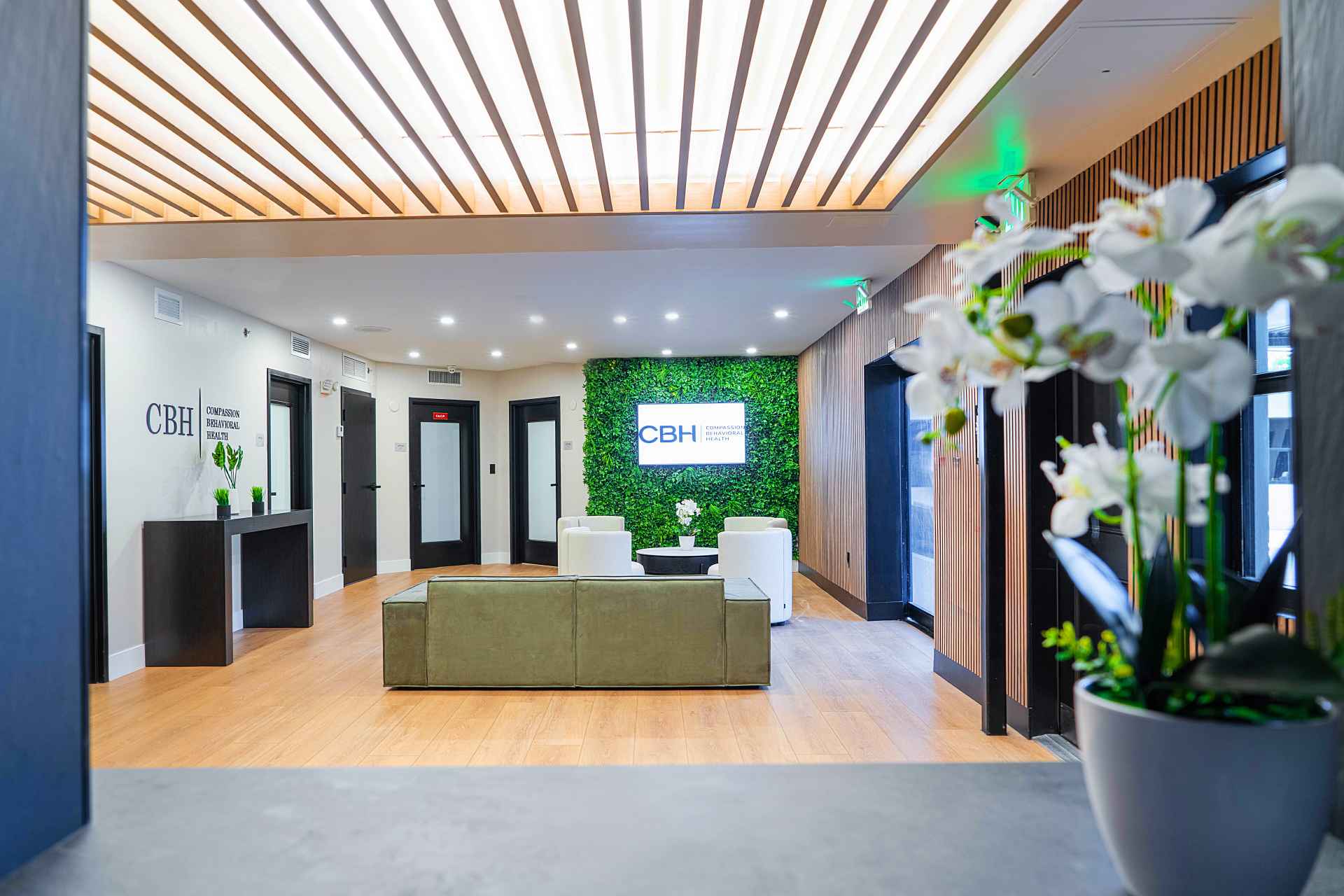
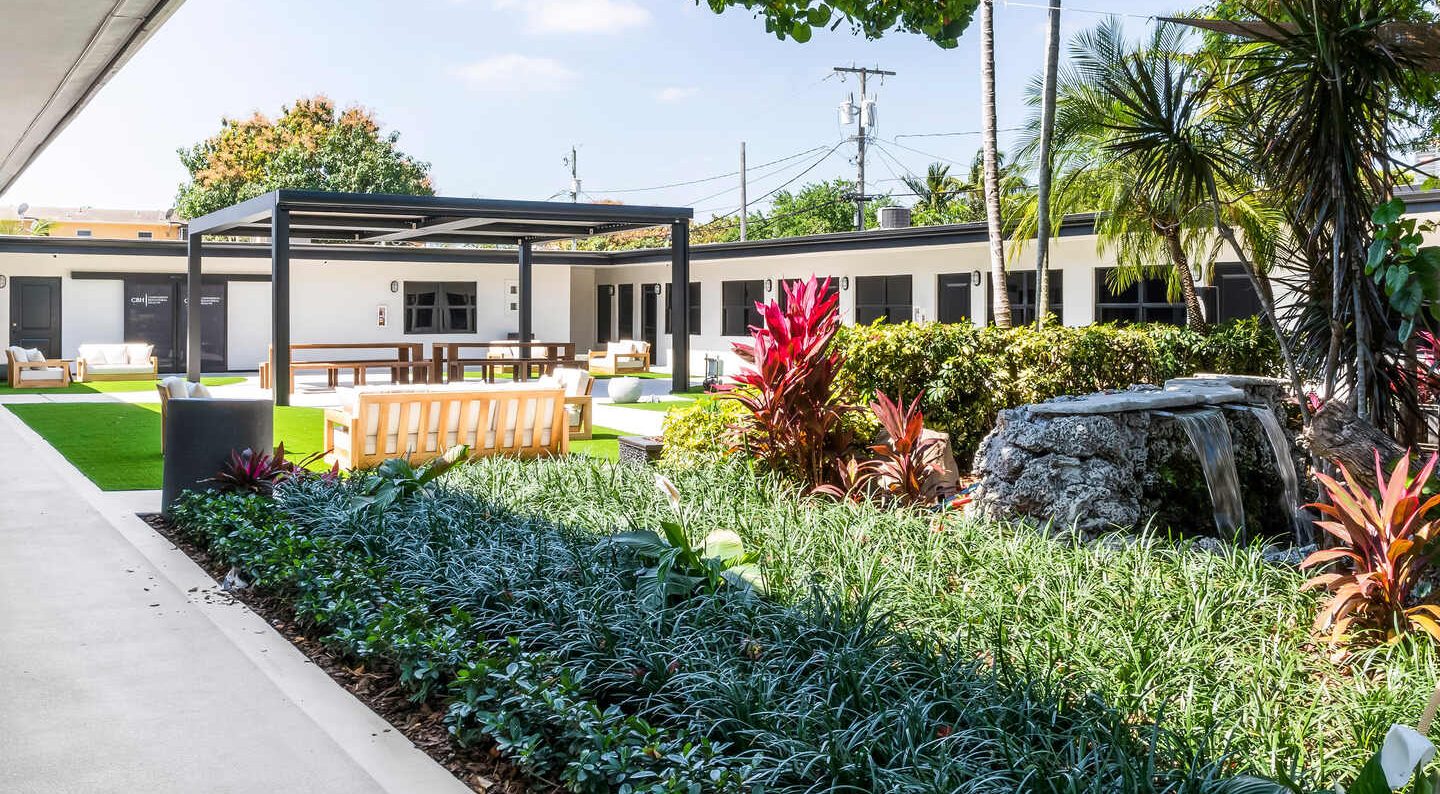
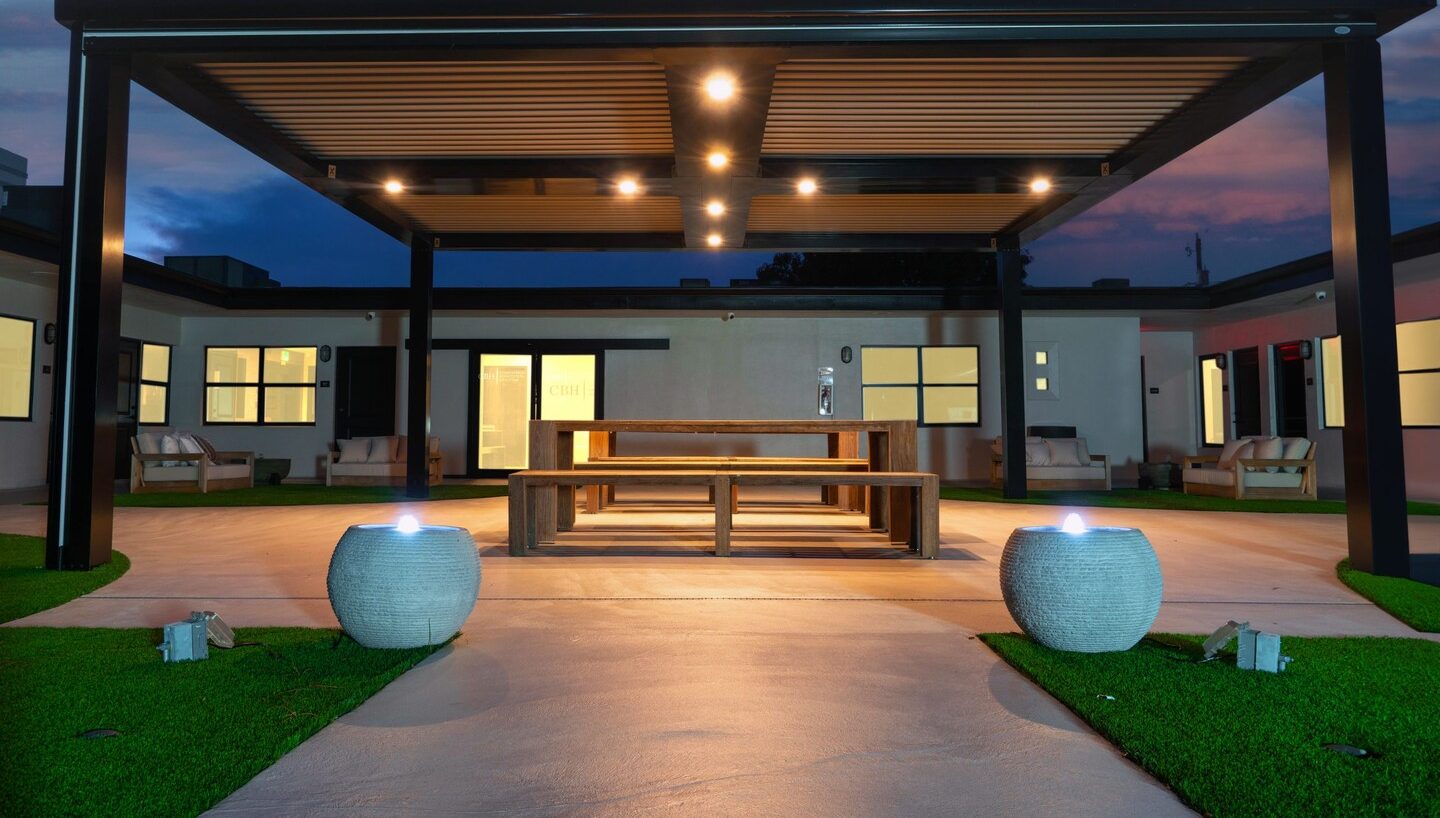
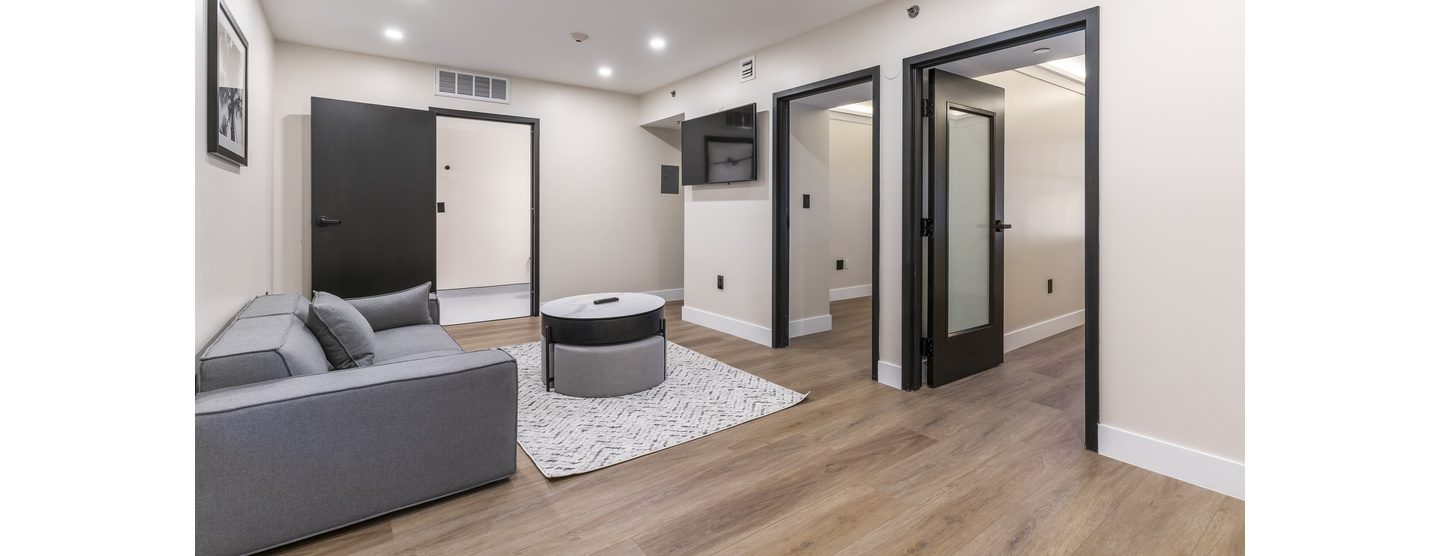
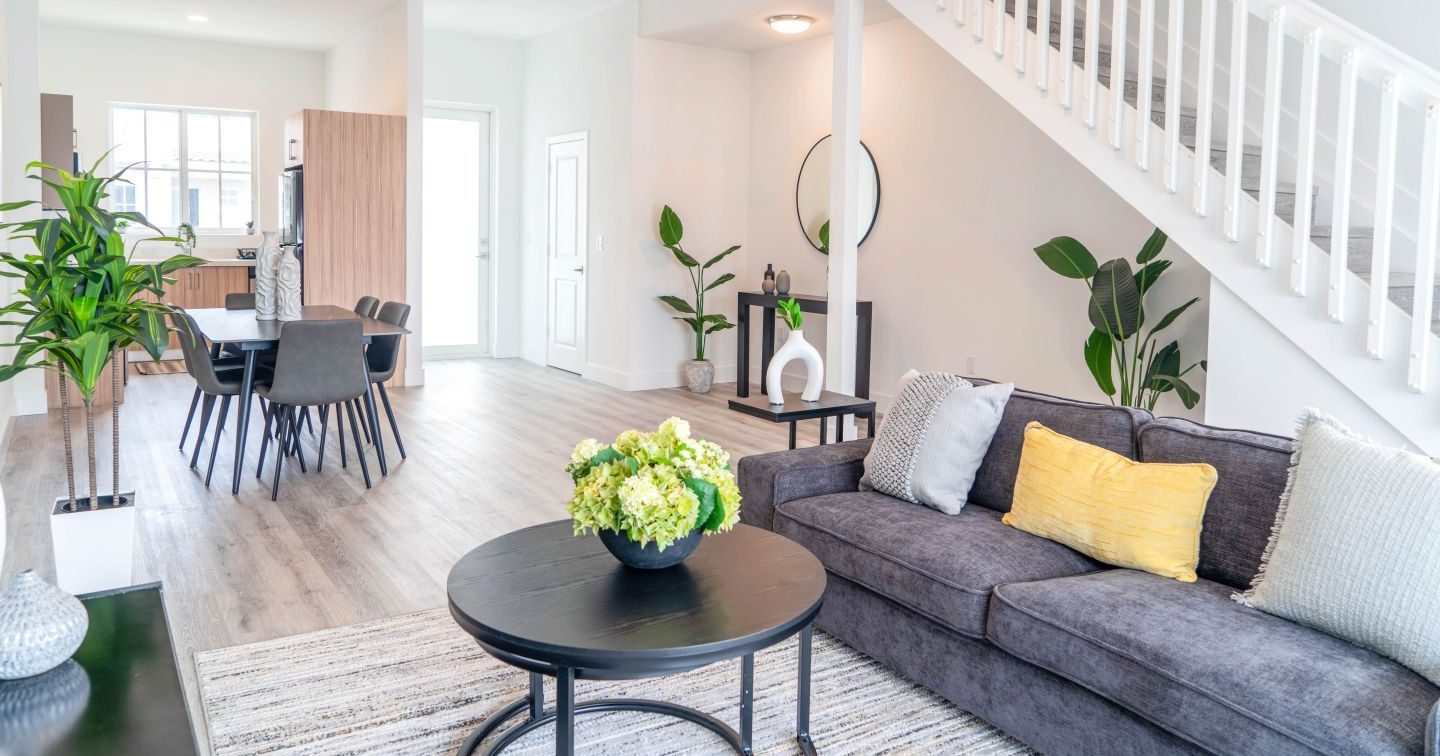
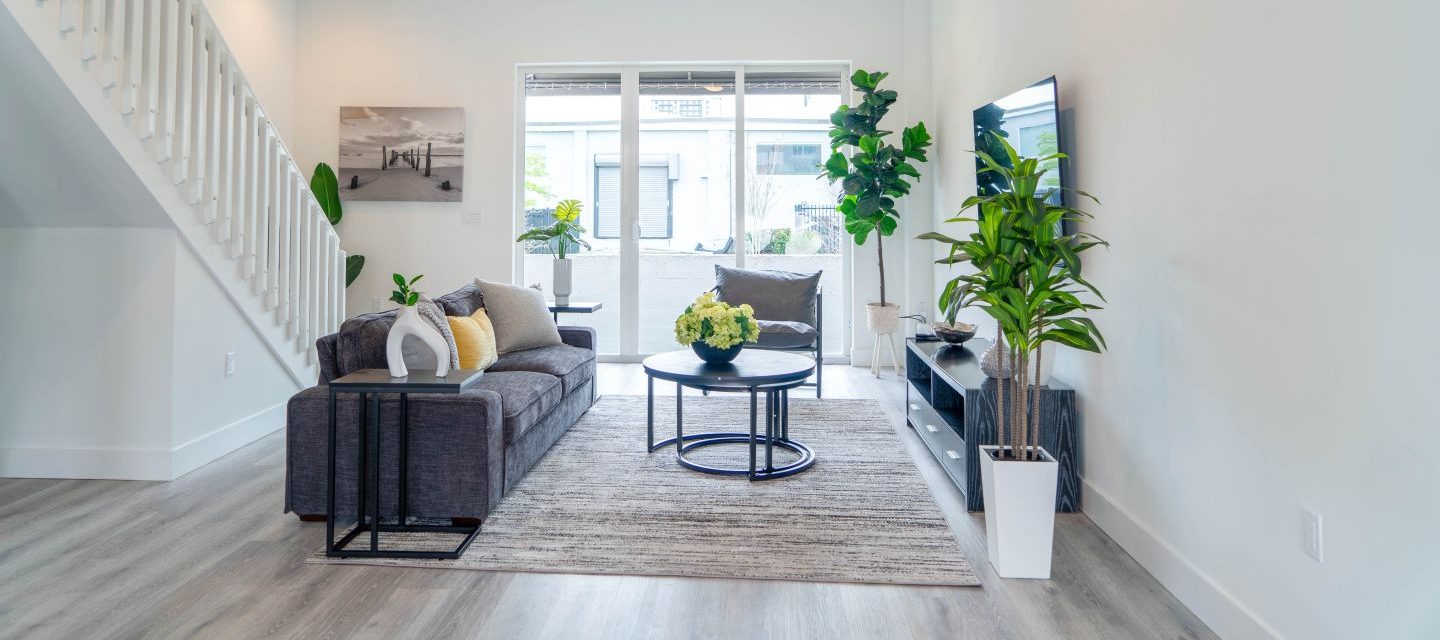
On our intimate 29-bed Hollywood campus, days are structured yet personalized. You will participate in individual therapy, small-group sessions, and experiential therapies that address both mental health and substance use patterns. Clinical directors know each patient by name and adjust care as your stability grows.
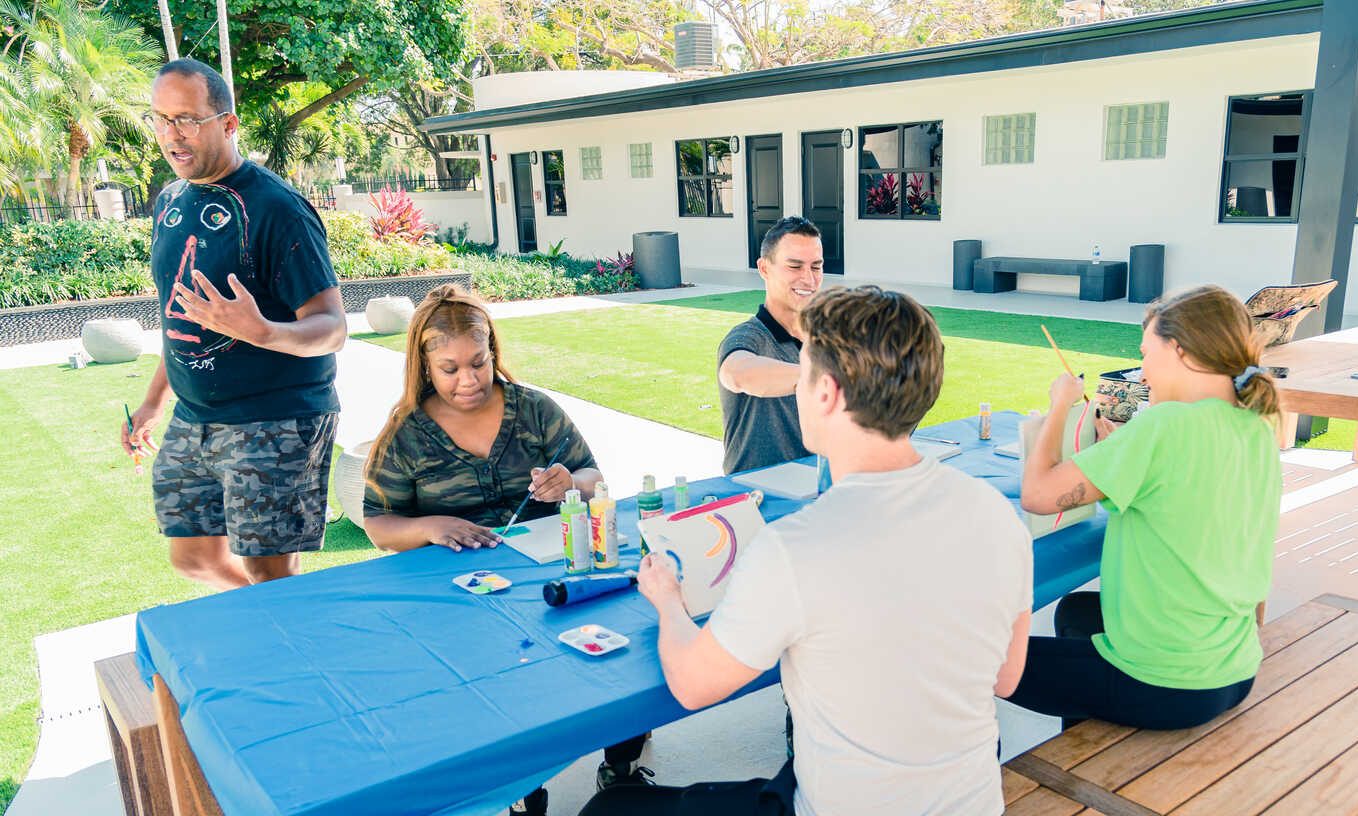
Programming blends evidenced-based therapies with wellness and community. Expect EMDR or trauma work as appropriate, CBT and DBT skills practice, neurofeedback, art and music therapy, Mobile Fitness, SMART Recovery, and non-mandatory 12-Step options. Canine Assisted Therapy adds connection and regulation through twice-weekly sessions.
When medications are part of the plan for opioid or alcohol use disorders, they are managed alongside therapy and psychiatric care. You can learn how this integrates with recovery by reviewing medication-assisted treatment details. Care plans evolve as symptoms improve and readiness increases.
After Inpatient Rehab: Building a Lasting Recovery Plan
Continuing care maintains the gains made in residential treatment. Many patients step to our Fort Lauderdale campus for Partial Hospitalization and Intensive Outpatient, guided by an empowerment-based PHP leveling system. At Level 3, patients access structured family therapy, therapeutic passes, and full programming privileges that support community practice.
Family is part of the treatment team through Compassion Connections, a bi-weekly Zoom series with a 6-week curriculum. Veterans receive dedicated support from our Director of Veteran Services, a 21-year military veteran who helps navigate VA benefits and TRICARE East. The same core care team follows you across months, keeping your goals and progress cohesive.
Recovery continues with a flexible step-down to Outpatient and community supports that fit work and family life. To see what that looks like, explore our outpatient programs in South Florida. Leaving Hollywood Inpatient Rehab with a clear plan turns short-term stability into long-term recovery momentum.
Frequently Asked Questions About inpatient rehab and dual-diagnosis care
Here are straightforward answers to common questions patients and families ask:
How long does residential treatment usually last?
Length of stay is individualized based on clinical need and progress. Your team will review timelines with you and adjust as symptoms stabilize.
What mental health conditions are treated alongside substance use?
Common co-occurring conditions include depression, anxiety, PTSD, and bipolar disorder. Care plans treat these first, with substance use addressed in tandem.
Is medical detox available if withdrawal is a concern?
Yes, medical professionals monitor withdrawal, comfort, and safety throughout detox. Medication needs are assessed continually to reduce risk and discomfort.
Which therapies are offered during residential care?
Patients may receive EMDR, CBT, DBT, neurofeedback, SMART Recovery, and experiential therapies. Programming is matched to diagnosis, symptoms, and readiness.
Do you work with families during treatment?
Families are engaged through structured programming and education to support healing. A dedicated curriculum helps relatives communicate effectively and reduce relapse risk.
Is medication-assisted treatment part of the program?
When clinically appropriate, medications for opioid or alcohol use disorders are integrated with therapy. Prescribing and monitoring are coordinated with psychiatric care.
Key Takeaways on Hollywood Inpatient Rehab
- Stabilizes mental health while addressing substance use.
- Individualized plans with minimal therapist caseloads.
- Evidence-based therapies plus CAT, art, and fitness.
- Empowerment-based step-down through PHP, IOP, and OP.
- Accreditations and data-backed outcomes guide care.
Residential treatment provides structure, safety, and a trauma-aware plan that treats co-occurring conditions together. With coordinated psychiatry, therapy, and medications, you regain stability and prepare for meaningful step-down care.
If you or a loved one is considering Hollywood Inpatient Rehab, a compassionate team can help you stabilize, heal, and build a plan you can live with. Support starts the moment you call, and it continues as you transition through each level of care.
To learn more about our approach, visit Compassion Behavioral Health or call 844-503-0126 for guidance today. A trained admissions specialist will listen, answer clinical questions, and outline next steps. Your story matters, and help is available now.
External Sources
- Addiction Policy Forum – 10 key breakthroughs advancing addiction science
- PubMed Central – Integrated treatment for co-occurring mental health and substance use
- ScienceDirect – Social factors influencing access to addiction treatment