




































Individual Therapy in Fort Lauderdale: One Therapist, One Plan, Built Around Your Story
When your mind feels loud and scattered, sitting with one skilled therapist can create a safe pause. In that focused space, patterns become visible and relief starts to take shape. For many across South Florida, individual therapy Fort Lauderdale becomes the steady anchor that helps anxiety, depression, and trauma symptoms begin to loosen.
One-to-one sessions let you share what is hardest without performance pressure. Care stays centered on your history, your pace, and your goals. With the right therapeutic fit, you gain practical tools and a trusted ally so daily life becomes more workable. That alignment is the path to sustainable progress.

What Individual Therapy Is and Why One-on-One Clinical Work Is Central to Mental Health Recovery
Individual therapy is structured, confidential psychotherapy between a licensed clinician and a patient. Sessions target core symptoms, relationship patterns, and daily functioning that may be disrupted by depression, anxiety, trauma, or other diagnoses. This private setting builds trust and safety, which are essential to lasting mental health change.
Evidence-based approaches are adapted to your needs in real time, not forced into a template. One clinician tracks your progress and collaborates on goals to reduce fragmentation and confusion. The individualized format also supports skill rehearsal between sessions, which accelerates stabilization. For a broader view of related care options in our region, explore South Florida mental health services.
How CBH Fort Lauderdale Matches Clients With the Right Therapist and Builds a Personalized Treatment Plan
At intake, patients receive a thorough biopsychosocial assessment that maps symptoms, safety, and strengths. Clinical directors then match you with a therapist whose training aligns with your presentation, such as trauma, mood disorders, or co-occurring substance use. Minimal caseloads mean your therapist knows your story deeply, not just a chart summary.
Matching and planning include these patient-centered steps:
- Collaborative goals clarified in early sessions
- Personalized safety and coping plan for crises
- Medication review with GeneSight when appropriate
- Identity-affirming care, including LGBTQIA+ support
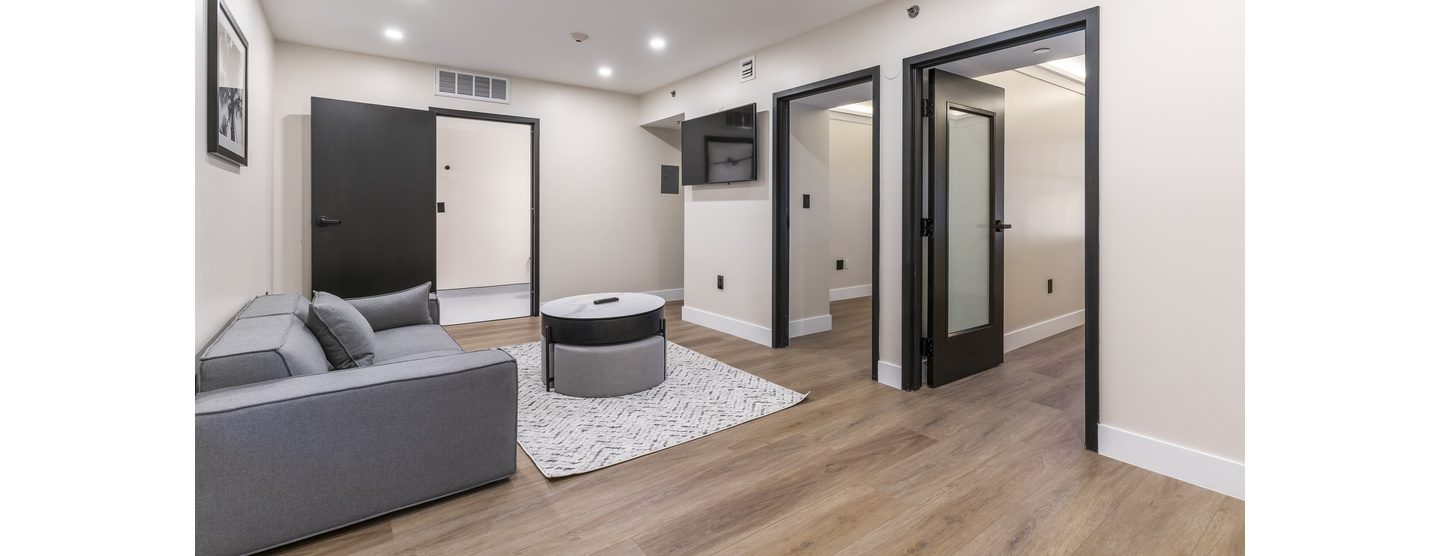
This approach yields a plan you can understand and trust, with clear next steps. Family participation is invited so your support network learns how to help, not hover. You can also tour and learn about our Fort Lauderdale treatment campus, where clinical directors know every patient by name.
Modalities Used in Individual Therapy at CBH: CBT, DBT, EMDR, MI, and Trauma-Focused Approaches
Your therapist selects modalities based on your goals and readiness. Cognitive Behavioral Therapy helps identify and modify thinking patterns that drive mood and behavior. Dialectical Behavior Therapy builds emotion regulation and distress tolerance through practical, skills-based work.
Core modalities available in one-on-one sessions include:
- CBT to challenge unhelpful thoughts
- DBT skills for emotion stability
- EMDR to process traumatic memories
- Motivational Interviewing to strengthen change talk
- Trauma-focused care that prioritizes safety
These methods are sequenced to fit your window of tolerance so work feels safe and effective. Progress is reviewed frequently, and modalities are adjusted as your stability grows. For a deeper look at CBT foundations, see our Cognitive behavioral therapy overview.
How Individual Therapy Works Alongside Group Therapy and Other Levels of Care at CBH Fort Lauderdale
Individual sessions coordinate with group therapy, psychiatry, and case management across each level of care. The same core team follows you from detox or residential through PHP, IOP, and outpatient, reducing handoffs and retelling your story. Our PHP leveling system is empowerment based; as you progress, family therapy and therapeutic passes open up to support real-life practice.
Group work rehearses skills explored privately, while your therapist reinforces those skills between groups. If substance use is part of your story, therapy integrates compassionate relapse prevention to make a lapse, not a relapse. Families are part of the treatment team through Compassion Connections, a bi-weekly education and support program that strengthens home stability.
When mental health and substance use intersect, learn how we treat both together through integrated dual-diagnosis care. We are accredited by JCAHO, AHCA, DCF, and NAMI, reflecting rigorous quality standards. Our Director of Veteran Services, Spencer, a 21-year veteran, helps patients navigate VA benefits and TRICARE East for seamless support.
Frequently Asked Questions About One-on-One Therapy in Fort Lauderdale
Here are clear answers to common questions patients and families ask:
How often do one-on-one sessions occur during PHP and IOP?
Session frequency is individualized and may increase during higher-acuity phases. Many patients in PHP meet multiple times weekly, while IOP commonly includes weekly sessions.
What is the difference between individual therapy and group therapy?
Individual sessions focus on your history, symptoms, and goals in a private setting. Group therapy builds skills and connection through shared practice and feedback.
Can therapy address trauma and substance use at the same time?
Yes, treatment plans integrate both with coordinated goals and pacing. Therapists use trauma-informed methods alongside relapse prevention without shame.
How do you ensure a good therapist-patient fit?
Clinical directors match based on assessment data and specialty training. If the fit is not right, we adjust promptly to support progress.
Is medication management coordinated with therapy?
Yes, prescribers and therapists collaborate on goals and safety planning. GeneSight testing may inform medication choices in complex cases.
Do you include family in care?
Yes, family is part of the treatment team through structured sessions. Our education series helps loved ones support recovery at home.
Key Takeaways on individual therapy Fort Lauderdale
- One-on-one therapy builds trust and targets core symptoms.
- Therapist matching is guided by assessment and specialty training.
- CBT, DBT, EMDR, MI, and trauma care are available.
- Individual sessions align with groups across a full continuum.
- Family involvement and compassionate relapse responses are standard.
Personalized therapy can organize the chaos, clarify next steps, and restore momentum. With a consistent therapist, skills translate into daily life and stability grows. When care is paced to your readiness, change becomes sustainable.
If you are ready to take the next step with a team that leads with mental health and treats co-occurring challenges in one integrated plan, reach out to Compassion Behavioral Health. Our admissions specialists will listen, answer questions, and guide you to the right level of care. Call 844-503-0126 to start a confidential conversation today. Stories change here when the right support is in place.
External Sources
- National Institute of Mental Health – Psychotherapies: Evidence-based approaches and uses
- PubMed Central – Evidence on integrated psychotherapy for co-occurring conditions
- NAMI Florida – Behavioral health data exchange growth in Florida