
























IOP in Hollywood, Florida for Mental Health and Co-Occurring Disorders
When mental health symptoms start to derail work, family, and sleep, waiting for relief is not an option. Intensive outpatient care offers a higher level of support than weekly therapy while allowing you to keep living at home. IOP Hollywood is designed for people who need consistent structure, evidence-based treatment, and compassionate accountability without stepping away from daily life.
Co-occurring substance use often complicates depression, anxiety, PTSD, or bipolar disorder. A mental health-first model gets to the root causes while addressing substance use in parallel, so progress sticks beyond discharge. With coordinated step-up or step-down options, you can stabilize safely and move forward with a clear plan.

Who Benefits Most From Intensive Outpatient Treatment?
Intensive outpatient treatment fits patients whose symptoms are stabilized enough for community living but still need daily structure. It is a strong step-down after residential or PHP and a safe step-up when weekly therapy is not enough. Many find IOP ideal when co-occurring substance use has complicated mood, sleep, trauma responses, or relationships.
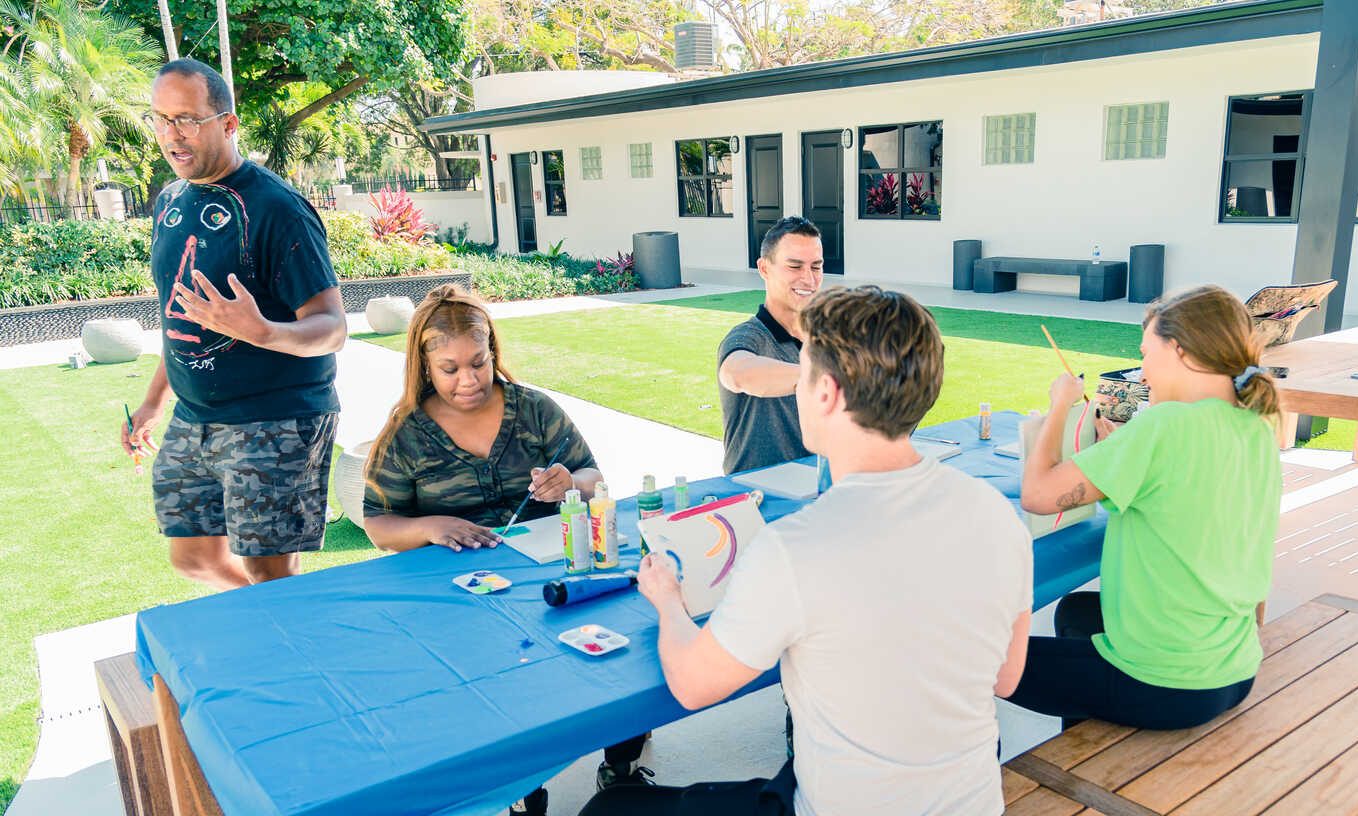
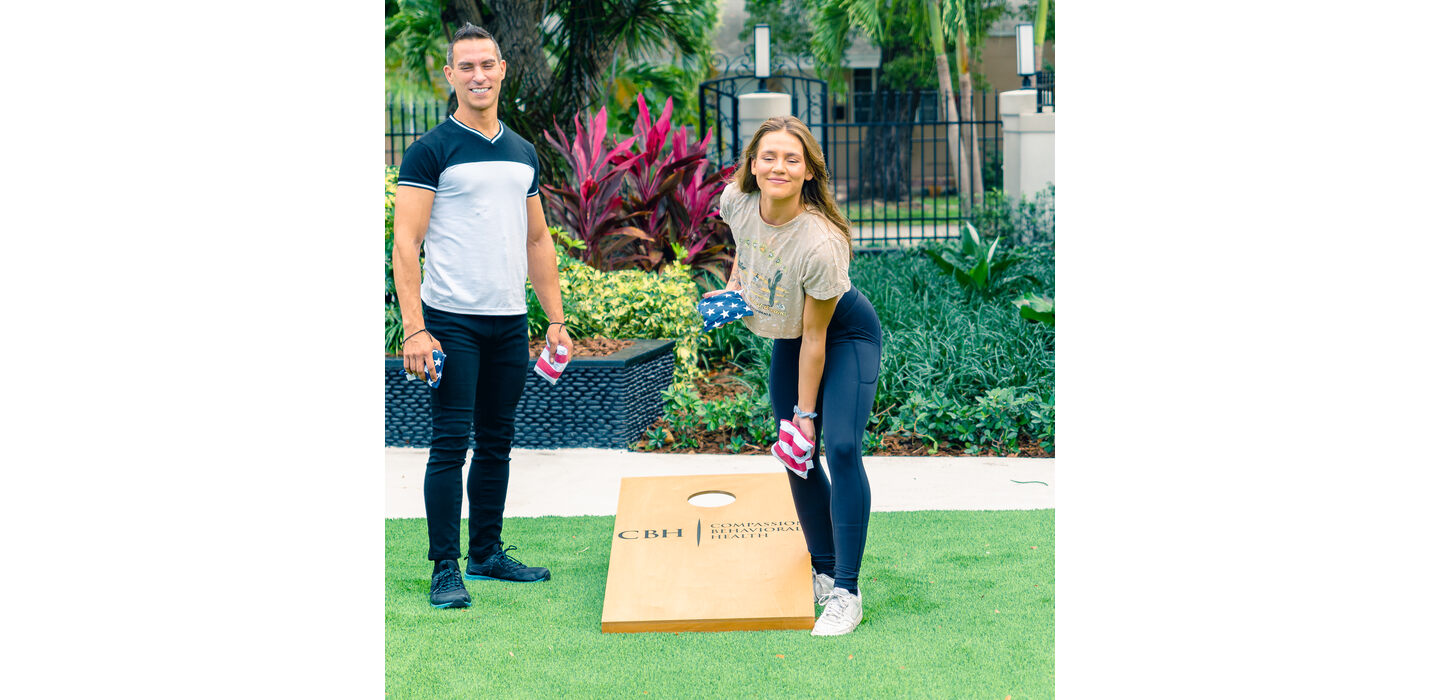
Flexible daytime or evening tracks help working adults, college students, and caregivers maintain commitments. LGBTQIA+ affirming groups and military-competent care create spaces where identity and experience are respected. The approach supports accountability with empathy, not shame.
Patients who often benefit include:
- Step-down after residential or PHP stabilization
- Step-up when weekly therapy is not enough
- Co-occurring substance use with depression or anxiety
- PTSD or trauma-related symptoms needing structure
- Veterans and first responders seeking skilled support
This level ensures enough therapeutic intensity while protecting your ability to work, study, and care for family.
To understand how mental health drives recovery from substances, explore our dual-diagnosis approach in this overview: Our dual-diagnosis approach.
How CBH Hollywood Builds IOP Around Mental Health First
Care is coordinated by our Hollywood clinical leadership and delivered through our Fort Lauderdale center, so you receive seamless support across levels. The same core team tracks your progress, keeps caseloads low, and individualizes your plan. Evidence-based modalities guide treatment, including CBT, DBT skills, EMDR, neurofeedback, and SMART Recovery, with 12-Step options never mandatory.
Medication management prioritizes safety and clarity, using GeneSight testing in select high-acuity cases to inform prescribing. Family is part of the treatment team, with structured therapy and our Compassion Connections program supporting loved ones. If specialty interventions like TMS or SPRAVATO are clinically appropriate, our team works with NeuroHealth in Fort Lauderdale for coordinated care.
The culture follows an empowerment model informed by our PHP leveling system, where progress unlocks privileges rather than punishes missteps. Lapses are addressed quickly and compassionately to prevent full relapse. This IOP Hollywood framework is backed by JCAHO, AHCA, and DCF accreditations, NAMI principles, PsychArmor training, and dedicated veteran services led by Spencer, a 21-year U.S. Army veteran who helps patients navigate VA benefits and TRICARE East.
For a side-by-side look at step-down paths, you can compare PHP and IOP care in this guide: Compare PHP and IOP care.
What a Typical Week Looks Like in Our Hollywood IOP Program
Most patients attend three to five days per week, about three hours per day, with morning or late-day options. Your week blends process groups, skills training, and individual therapy, alongside psychiatry and medication check-ins as needed. Trauma-informed care is available, including EMDR for appropriate cases and neurofeedback sessions to support regulation.
Expect practical work you can use immediately at home and on the job. Groups practice distress tolerance, emotion regulation, and communication skills, then translate them into daily routines. Case management coordinates school or work letters, court documents, and care with outside providers when needed.
Your weekly plan typically includes:
- 9–15 hours of therapist-led groups
- One individual session focused on goals
- Medication management and psychiatry support
- EMDR or neurofeedback when clinically indicated
- Family session and SMART Recovery options
For those stepping down before IOP, learn how earlier stabilization works in our residential program overview: Residential treatment in South Florida.
Continuing Care After IOP: Staying on Track in Hollywood and Beyond
After IOP, many patients transition to outpatient therapy with the same trusted team and alumni groups for ongoing accountability. Family continues in Compassion Connections, our bi-weekly virtual support with a six-week curriculum that teaches practical coaching skills. Veterans and military families receive coordinated handoffs to VA resources and TRICARE East-compatible providers.
Recovery plans often include community supports like SMART Recovery, skill groups, and non-mandatory 12-Step meetings. When indicated, medication-assisted treatment for opioid or alcohol use is coordinated with careful monitoring. For specialty interventions such as TMS or SPRAVATO, our clinicians refer to NeuroHealth in Fort Lauderdale and integrate progress back into your plan.
If you are exploring the broader landscape of local options and how they fit together, this South Florida overview can help you compare pathways: A guide to finding the right path.
Frequently Asked Questions About Intensive Outpatient Treatment in South Florida
Here are clear answers to common questions patients and families ask:
Who qualifies for intensive outpatient mental health care?
Patients are medically and psychiatrically stable enough to live at home but need more structure than weekly therapy. Co-occurring substance use is treated alongside primary mental health conditions.
How many hours a week does IOP require?
Most weeks include 9 to 15 hours across three to five days. Exact schedules are individualized to clinical needs and life obligations.
What therapies are included at this level of care?
Treatment often includes CBT, DBT skills, EMDR, neurofeedback, and SMART Recovery, with 12-Step options not mandatory. Family therapy and psychiatric care are integrated as needed.
How is medication managed during treatment?
Board-certified providers manage medications and monitor safety closely. GeneSight testing may be used in select high-acuity cases to inform prescribing choices.
What if I have a lapse with substances during treatment?
Staff respond without shame to make it a lapse, not a relapse. The plan adjusts quickly to restore safety and momentum.
How does aftercare work when I finish?
Most patients step down to outpatient therapy, alumni support, and community meetings. The same core team coordinates follow-up to reduce gaps in care.
Key Takeaways on IOP Hollywood
- Mental health drives care; substance use is addressed in parallel.
- Seamless step-up and step-down with the same core team.
- Evidence-based therapies include CBT, DBT, EMDR, and neurofeedback.
- Flexible schedules support work, school, and family life.
- Family involvement and veteran-competent care strengthen outcomes.
With coordinated teams, low caseloads, and evidence-based practices, intensive outpatient care provides structure without putting life on hold. IOP Hollywood gives you practical tools, compassionate accountability, and a plan that adapts as you grow.
If you or a loved one is ready for mental health-first treatment that addresses co-occurring substance use, we are here to help. Visit Compassion Behavioral Health to explore next steps or speak with our admissions team at 844-503-0126. Our team supports patients across South Florida with coordinated levels of care and family involvement. Stories change here, one informed decision at a time.
External Sources
- Addiction Policy Forum – 10 key breakthroughs advancing addiction science
- JAMA Network Open – Comparative effectiveness of psychosocial treatments for opioid use disorder
- National Institutes of Health (PMC) – Evidence supporting intensive outpatient programs for substance use
