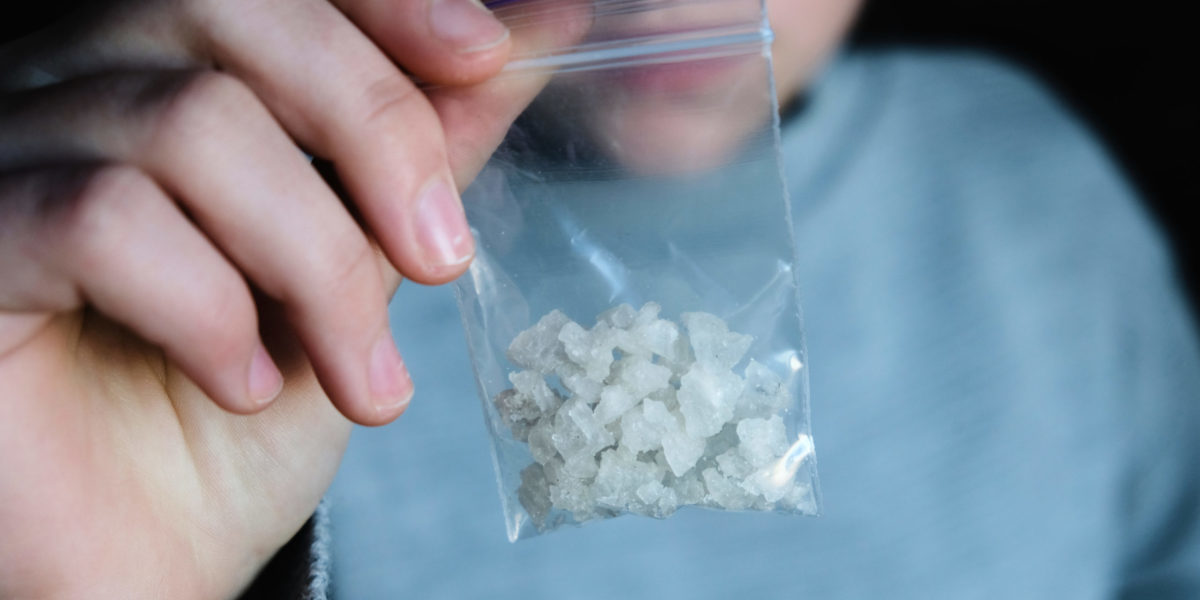
Understanding Alcohol Addiction: Recognizing the Problem and Finding Help
Imagine sitting at a family dinner, where laughter and stories once filled the room with warmth. However, lately, you’ve noticed a change in your loved one. They seem distant and their once vibrant personality has been overshadowed by mood swings and secretive behaviors. You suspect alcohol might be the culprit, but you’re unsure how to approach the subject. This scenario is not uncommon, as many families face the heartache of watching someone they care about struggle with alcohol addiction.
Alcohol addiction is a pervasive issue, affecting millions of individuals and their families across the globe. According to recent studies, nearly 14.5 million Americans aged 12 and older had an alcohol use disorder in 2019. Early intervention is critical, as it can significantly improve recovery outcomes and prevent the escalation of addiction-related consequences. By recognizing the signs early, families and individuals can seek timely alcohol addiction treatment, potentially saving lives and restoring relationships. Understanding the prevalence and impact of alcohol addiction emphasizes the importance of awareness and action.
In this article, we will delve into recognizing the signs of alcohol addiction and exploring the resources available for help. By understanding these signs, you can better support your loved one in finding the help they need. We’ll discuss the complexities of addiction, including how factors such as genetics and environment can play a role, and touch upon specific demographics, like the challenges faced by Native Americans and Alcohol Addiction. Additionally, we’ll provide guidance on how to approach a loved one with compassion and empathy, ensuring that you feel equipped to navigate this challenging journey. Understanding these dynamics is crucial in fostering a supportive environment for recovery.
Understanding How Addiction Develops
Alcohol addiction often begins subtly, with occasional social drinking gradually escalating into a more frequent and compulsive activity. The science of dependence reveals that alcohol affects the brain’s reward pathways, releasing dopamine and creating a sense of pleasure that the body craves repeatedly. Over time, the brain’s chemistry adapts, requiring more alcohol to achieve the same effects, leading to increased consumption and dependency. This progression can be so gradual that individuals may not realize they have crossed the line into addiction until they experience withdrawal symptoms in the absence of alcohol. Understanding the physiological basis of alcohol addiction is crucial in recognizing that it is not merely a matter of willpower or personal choice.
Several risk factors can contribute to the development of alcohol addiction, including genetics, trauma, and environmental influences. Research indicates that having a family history of addiction significantly increases the likelihood of developing similar issues. Additionally, individuals who have experienced trauma, whether in childhood or adulthood, may turn to alcohol as a coping mechanism to numb emotional pain. The environment also plays a critical role, with social and cultural norms potentially normalizing excessive drinking. Recognizing these risk factors can help in identifying individuals who are more susceptible to developing an addiction, allowing for earlier intervention and prevention strategies.
It is essential to understand that addiction is a medical condition, not a moral failing. The stigma surrounding alcoholism often prevents individuals from seeking necessary help, as they may feel ashamed or guilty about their situation. However, addiction is recognized by the medical community as a chronic disease, akin to diabetes or heart disease, requiring professional treatment and management. Compassion Behavioral Health offers addiction treatment in South Florida that is tailored to address the unique needs of each patient, emphasizing that recovery is possible with the right support and resources. By viewing addiction through the lens of healthcare, we can foster a more empathetic and supportive environment for those affected.
Behavioral Warning Signs of Substance Abuse
One of the first behavioral warning signs of alcohol addiction is a noticeable change in social behavior, often characterized by increased secrecy and withdrawal from family and friends. Individuals struggling with addiction may begin to isolate themselves, avoiding social gatherings where alcohol is not present or where they might face judgment. This withdrawal can lead to strained relationships and a sense of loneliness, which in turn may fuel further alcohol consumption. Secrecy becomes a way of life as individuals attempt to conceal their drinking habits from loved ones, fearing confrontation or intervention. Understanding these behavioral shifts is crucial for family members and friends who wish to support their loved ones in seeking help.
Another significant indicator of alcohol addiction is the neglect of responsibilities at work, school, or home. Individuals may start missing work or classes, fail to meet deadlines, or become unreliable in their commitments due to the effects of their drinking. This decline in responsibility often leads to negative consequences, such as job loss, academic failure, or conflicts within the family. It is important to recognize these patterns early, as they can serve as a catalyst for seeking professional help and initiating the recovery process. For more insights on personal recovery journeys, you can read one individual’s story in Alcoholism and Me: How I Found the Strength to Overcome It.
Changes in social circles and the development of new friend groups that encourage drinking can further exacerbate alcohol addiction. Individuals may begin to lie or exhibit manipulative behavior to cover up their drinking, often leading to trust issues with family and friends. This shift in social dynamics is indicative of the powerful hold that addiction can have, altering one’s priorities and values. For those seeking to curb alcohol cravings, exploring dietary options such as the 7 Foods That Can Help Stop Alcohol Cravings may be beneficial. Recognizing and addressing these behavioral signs is a critical step in the journey towards recovery, offering hope and direction for those affected.
Call us today at (844) 503-0126

Recognizing the physical signs of alcohol addiction in a loved one can be a crucial step towards getting them the help they need. One of the most apparent indicators is a noticeable change in their physical appearance. This might include sudden weight loss or gain, which can occur when alcohol consumption replaces regular meals. You might also observe bloodshot eyes, a common consequence of excessive drinking. Additionally, poor hygiene and a general neglect of personal appearance can be strong indicators that alcohol has taken precedence over self-care.
Beyond surface-level changes, alcohol addiction can lead to a variety of health problems. Frequent illnesses or a weakened immune system may result from the body’s struggle to cope with constant alcohol intake. Changes in sleep patterns, such as insomnia or excessive sleeping, can also signal an underlying issue. These health challenges often become more apparent as the body becomes increasingly dependent on alcohol. It’s important to understand that these physical symptoms are not just byproducts of alcohol consumption but are also reflections of deeper health issues that require attention.
Another significant physical sign to be aware of is the presence of withdrawal symptoms when alcohol consumption is reduced or stopped. These symptoms might include shaking, sweating, nausea, and even seizures in severe cases. Additionally, if your loved one appears to need more alcohol to achieve the same effects, this can indicate a growing tolerance. This tolerance often leads to increased consumption over time, further entrenching the addiction. Recognizing these signs early can be instrumental in guiding your loved one towards seeking professional help, such as an alcohol detox program.
Emotional and Psychological Red Flags
Alcohol addiction doesn’t just affect the body; it deeply impacts emotional and psychological well-being as well. Mood swings can become a regular occurrence, with your loved one displaying irritability or unexplained anger. These emotional fluctuations can strain relationships and create an environment of tension and uncertainty. The unpredictability of their moods may be tied to the fluctuations in their alcohol consumption and withdrawal cycles. Understanding these emotional red flags is essential in recognizing the broader impact of alcohol addiction.
Beyond mood disturbances, alcohol addiction often correlates with mental health challenges like depression, anxiety, and paranoia. These conditions may already be present but can be exacerbated by alcohol use, creating a vicious cycle of self-medication. Individuals may drink to alleviate their emotional distress, only to find that their symptoms worsen over time. The combination of alcohol and mental health issues can lead to a sense of hopelessness, making it even harder for them to seek help. Learning from others’ experiences, such as How Treatment Helped Me Regain Self-Worth and Confidence, can provide hope and motivation.
The situation becomes even more complex when alcohol addiction occurs alongside other mental health disorders, a condition known as dual diagnosis. Co-occurring disorders can significantly complicate treatment, as each condition can exacerbate the other. For example, untreated anxiety might lead someone to drink more, while alcohol consumption can heighten anxiety symptoms. Comprehensive treatment approaches that address both issues simultaneously are essential for effective recovery. If you suspect your loved one is experiencing a dual diagnosis, pursuing a mental health treatment that addresses both addiction and mental health is vital.
Call us today at (844) 503-0126
When to Seek Professional Addiction Treatment
Recognizing when informal help is insufficient and professional intervention is necessary can be a challenging realization. Many individuals battling alcohol addiction initially turn to family and friends for support, but there comes a point when expert help becomes indispensable. Signs that professional treatment is needed include an inability to control drinking, experiencing withdrawal symptoms, and continued use despite negative consequences. Additionally, if the individual has attempted to quit multiple times without success, it may be time to consider a structured alcohol rehab program. At this stage, the guidance of experienced professionals can provide the structured support and evidence-based strategies necessary for recovery.
The dangers of delaying treatment for alcohol addiction are significant and multifaceted. As the addiction progresses, the physical and psychological toll increases, leading to severe health issues such as liver disease, cardiovascular problems, and cognitive impairments. Moreover, the longer an individual remains dependent on alcohol, the more challenging it becomes to break the cycle of addiction due to deepened behavioral patterns and increased tolerance. Delaying treatment not only endangers the individual’s health but also strains relationships and can lead to loss of employment or legal issues. Recognizing the urgency of seeking help can prevent these complications and pave the way for a healthier future.
Having a compassionate conversation about seeking help for alcohol addiction can be instrumental in encouraging a loved one to enter treatment. It’s crucial to approach the subject with empathy, understanding, and without judgment. Begin by expressing concern for their well-being and sharing specific observations about how their drinking habits have impacted their life and relationships. Offering support and suggesting professional resources, such as Compassion Behavioral Health, can be a pivotal step in their journey to recovery. Emphasizing that seeking help is a sign of strength, not weakness, can alleviate fears and motivate them to take that crucial first step.

Treatment Options Available for Your Loved One
Understanding the treatment options available for alcohol addiction is essential in making informed decisions for a loved one. The continuum of care typically begins with a detox program to safely manage withdrawal symptoms and prepare the individual for further treatment. Following detox, individuals may transition into residential or inpatient care, where they receive intensive therapy and support in a structured environment. This comprehensive approach ensures that the physical, emotional, and psychological aspects of addiction are addressed. As recovery progresses, individuals may step down to less intensive levels of care, such as Partial Hospitalization Programs (PHP) or Intensive Outpatient Programs (IOP), which provide flexibility while maintaining therapeutic support.
Residential and inpatient treatment offer a focused and immersive experience, ideal for those with severe addiction or co-occurring disorders. These programs provide 24/7 medical and therapeutic support in a safe, substance-free environment, allowing individuals to concentrate solely on their recovery. In such settings, patients benefit from personalized treatment plans that incorporate a variety of evidence-based therapies, such as Cognitive Behavioral Therapy (CBT) and Dialectical Behavioral Therapy (DBT). By removing external distractions and triggers, residential treatment can significantly enhance the chances of a successful recovery. This level of care is particularly beneficial for individuals who have not responded well to outpatient treatments or those with a history of relapse.
For individuals who require flexibility due to work, family commitments, or other obligations, PHP, IOP, and outpatient programs offer effective solutions. These programs provide varying levels of intensity, with PHP offering a highly structured daily schedule and IOP providing more flexibility with fewer weekly hours. Outpatient treatment is often a suitable option for those who have completed higher levels of care and are transitioning back into everyday life. These programs emphasize relapse prevention, coping strategies, and ongoing support to maintain sobriety. By tailoring treatment to the individual’s needs, these programs can accommodate different levels of addiction severity and personal circumstances, ensuring a comprehensive approach to recovery.
Call us today at (844) 503-0126
Supporting Your Loved One Through Recovery
Family plays a crucial role in the recovery process, offering support and encouragement that can significantly impact the journey to sobriety. Establishing healthy boundaries is essential, as they help maintain a supportive environment while also promoting personal responsibility and accountability for the individual in recovery. Families often struggle with finding the balance between being supportive and enabling, which is why setting clear boundaries can be beneficial for everyone involved. Engaging in open communication and seeking professional guidance can assist families in navigating these complex dynamics. At Compassion Behavioral Health, we emphasize the importance of family involvement in our mental health treatment in South Florida, as it fosters a more comprehensive healing process.
Understanding what to expect during treatment can help alleviate some of the anxiety that families may feel when a loved one enters alcoholism treatment. The recovery process varies for each individual, with treatment durations depending on the severity of the addiction and any co-occurring disorders. Typically, recovery involves a combination of detoxification, therapy, and aftercare planning to support long-term sobriety. It’s important to note that recovery is not linear, and setbacks may occur, but with a robust support system and professional guidance, sustained recovery is achievable. Our residential treatment program in Hollywood, FL, is designed to address these needs comprehensively.
There are numerous resources available for families to support their loved ones, including support groups and family therapy sessions. These resources provide a platform for families to share experiences, gain insights, and develop coping strategies while fostering a sense of community and understanding. Family therapy, in particular, can help address any interpersonal issues and improve communication, which are critical for a successful recovery. Al-Anon and Nar-Anon are examples of support groups specifically designed for families of individuals struggling with addiction, offering guidance and support from those who have faced similar challenges. At Compassion Behavioral Health, we encourage families to actively participate in the recovery process, as their involvement can be pivotal in the healing journey.

Top-Rated Alcohol Addiction Treatment Center in Florida
Recognizing the signs of alcohol addiction is the first step toward seeking help and initiating recovery. It’s crucial to understand that alcohol addiction is a complex condition that requires professional intervention, and fortunately, there are numerous treatment options available. From alcohol rehab to comprehensive counseling services, individuals struggling with addiction can find the help they need to reclaim their lives. The journey to recovery may be challenging, but with the right support and resources, individuals can overcome addiction and lead fulfilling lives. Remember, acknowledging the problem and reaching out for help are courageous steps toward transformation.

If you or someone you love is struggling with addiction, you don’t have to face it alone. Call us today at (844) 503-0126 to speak with a compassionate admissions counselor about personalized treatment options. Our team at Compassion Behavioral Health is ready to help your family take the first step toward healing. You can also verify your insurance coverage online to explore your options today.