
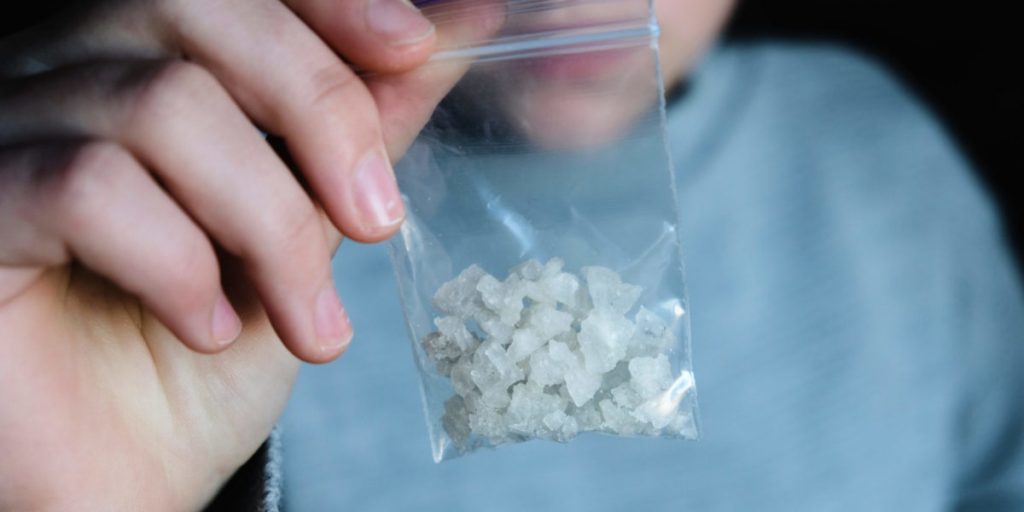
Methamphetamine is one of the most destructive substances a person can use, and the changes it causes are rarely subtle. Families and friends often sense something is wrong long before they can name it. Recognizing the signs of meth use early gives loved ones a better chance to respond with clarity rather than panic, and it gives the person struggling a better chance at getting the right help.
Meth is a powerful central nervous system stimulant that floods the brain with dopamine at levels far beyond what normal pleasurable activities produce. Over time, the brain loses its ability to regulate mood, energy, and impulse control on its own. What often begins as experimentation can accelerate into a pattern that reshapes every dimension of a person’s life, from their physical health to their closest relationships.
It is also worth understanding that most people who develop a dependence on methamphetamine are not simply making reckless choices. Research consistently shows that untreated mental health conditions, including depression, anxiety, PTSD, and ADHD, are significant risk factors for stimulant use. You can learn more about how amphetamine-related substance use disorders develop and why treating the underlying mental health condition is essential to lasting recovery.
What Are the Physical Signs of Meth Use?
The body responds to methamphetamine in ways that are often visible to others before the person using it acknowledges a problem. Meth dramatically increases heart rate, blood pressure, and body temperature, and those physiological changes leave physical marks. Knowing what to look for can help you act sooner rather than later.
Some of the most consistent physical indicators include changes that accumulate over weeks and months. The following are commonly observed physical signs in someone using methamphetamine:
- Significant, rapid weight loss from appetite suppression
- Skin sores or scabs from compulsive picking
- Dilated pupils, even in well-lit environments
- Excessive sweating and elevated body temperature
- Tremors, twitching, or jerky movements
These changes often intensify the longer meth use continues. Someone who has been using for several months may also show visible aging, thinning hair, and deteriorating skin texture. Physical decline is one of the most reliable external indicators that something is seriously wrong.
Understanding the full scope of how methamphetamine affects the body and mind can help families move from confusion to informed action. Physical symptoms rarely appear in isolation; they are almost always accompanied by behavioral and psychological changes as well.
What Is Meth Mouth?
Meth mouth is one of the most recognizable physical consequences of long-term methamphetamine use. The term describes severe dental decay, cracked teeth, and gum disease that develop rapidly in people who use meth regularly. It is caused by a combination of dry mouth (meth reduces saliva production), teeth grinding, poor oral hygiene, and the acidic nature of the drug itself.
Saliva is the mouth’s natural defense against bacteria. When meth suppresses saliva flow over months or years, decay accelerates at a rate most dentists rarely see outside of this context. Teeth can deteriorate to the point of fracture or complete loss, even in young adults who previously had healthy teeth.
The dental damage seen in chronic meth use is not just cosmetic. It signals prolonged, heavy use and is often one of the clearest visible markers that someone has been using for an extended period. Addressing meth mouth requires medical and dental intervention alongside addiction treatment, because the underlying behavior driving the damage must be treated simultaneously. Learning more about why methamphetamine is so difficult to stop using helps explain why physical deterioration like this progresses even when people want to quit.
What Our Customers Are Saying
How Does Meth Change Behavior and Mood?
Behavioral changes are often what families notice first, even before obvious physical decline sets in. Meth dramatically alters the brain’s reward and regulation systems, which means that normal emotional responses become unpredictable and extreme. A person who was once calm and responsible may become irritable, secretive, and impulsive in ways that feel completely out of character.
Mood swings tied to meth use tend to follow a cycle. During active use, a person may seem wired, unusually confident, or agitated. During the “crash” that follows, they may be profoundly exhausted, depressed, or withdrawn. Over time, this cycle erodes relationships, work performance, and basic daily functioning.
Common behavioral changes that family members and close friends often observe include increased secrecy around phone calls and whereabouts, withdrawing from longtime friendships, neglecting responsibilities at home or work, and becoming defensive or hostile when questioned. These shifts are not personality flaws. They reflect how deeply meth disrupts the brain’s chemistry and judgment. The signs of meth use at the behavioral level are just as clinically significant as the physical ones.
Can Meth Use Cause Paranoia or Psychosis?
Methamphetamine-induced psychosis is a well-documented and serious risk. Research published in peer-reviewed clinical literature shows that prolonged or high-dose meth use can trigger symptoms that closely mirror schizophrenia, including paranoid delusions, auditory and visual hallucinations, and disorganized thinking. These symptoms can appear after a single binge or develop gradually over months of use.
The mechanism is primarily dopaminergic. Meth floods dopamine pathways far beyond normal capacity, and the brain attempts to compensate by reducing its own receptor sensitivity. When that system becomes dysregulated, psychotic symptoms can emerge even when the person is not actively using the drug. In some cases, symptoms persist for weeks or months after the last use.
This is one reason why dual-diagnosis treatment matters so much with meth. A person experiencing drug-induced psychosis needs clinical psychiatric assessment, not just withdrawal management. Understanding the link between stimulant use and drug-induced psychosis and schizophrenia-like symptoms is critical for anyone supporting a loved one through this kind of crisis. Paranoia and psychosis are medical emergencies, not signs of weakness or bad character.
How Do You Help Someone Who Is Using Meth?
Helping someone who is using meth begins with a clear-eyed understanding of what you are dealing with. Meth use rewires the brain’s motivation and reward systems in ways that make quitting feel impossible, not just difficult. Confrontation without support rarely works and can deepen shame, which often drives further use. The most effective approach is one that combines compassionate honesty with a concrete plan for getting clinical help.
When someone is confronted about their substance use, they often respond with denial, anger, or blame-shifting. That is not defiance for its own sake; it reflects how the brain under the influence of addiction protects the behavior it depends on. Staying grounded, non-accusatory, and focused on your concern rather than their behavior tends to be more effective than ultimatums alone.
If you are ready to explore treatment options, dual-diagnosis care is the most appropriate starting point for meth-related concerns. Many people using meth have an underlying mental health condition that has never been properly diagnosed or treated, and addressing both simultaneously produces far better outcomes. Compassion Behavioral Health’s dual-diagnosis treatment program in Fort Lauderdale is designed precisely for this kind of complexity, treating the mental health condition and the substance use together rather than in isolation.
Frequently Asked Questions About Methamphetamine Use and Recovery
Here are some of the questions people most commonly ask when they are trying to understand what they are seeing in someone they care about:
-
What Are the Most Noticeable Physical Changes in Someone Using Meth?
Rapid weight loss, skin sores from picking, severely decayed teeth, and dilated pupils are among the most visible indicators of methamphetamine use. These physical changes tend to accelerate over time and become increasingly difficult to conceal.
-
How Does Meth Affect a Person’s Behavior in Relationships?
Methamphetamine use often leads to emotional unavailability, unpredictability, and broken trust as the person prioritizes obtaining and using the substance over their relationships. Lying, financial secrecy, and increasing isolation from close friends and family are commonly reported patterns.
-
Can Meth Use Cause Lasting Mental Health Problems?
Yes, prolonged methamphetamine use can cause persistent anxiety, depression, and psychotic symptoms that continue well beyond the period of active use. Psychiatric evaluation is an important part of any comprehensive treatment approach for this reason.
-
What Is the Difference Between Stimulant Intoxication and a Psychiatric Episode?
Stimulant intoxication can produce agitation, paranoia, hallucinations, and confusion that closely resemble a primary psychiatric episode, making clinical assessment essential. A trained clinician can help determine whether symptoms are substance-induced, pre-existing, or both.
-
How Does Someone Develop a Tolerance to Methamphetamine?
As defined by the DSM-5 under Stimulant Use Disorder, tolerance occurs when a person requires markedly greater amounts of the substance to achieve the same effect, or experiences significantly less effect at the same dose over time. This pharmacological change is a clinical hallmark of dependence, not a personal failure.
-
What Should I Do If I Think Someone I Know Is Using Meth?
Reaching out to a licensed behavioral health provider for guidance is a sound first step, as they can help you plan a compassionate and effective approach. Professional treatment that addresses both the substance use and any underlying mental health conditions gives your loved one the strongest foundation for recovery.
Key Takeaways on Signs of Meth Use
- Physical signs of meth use include rapid weight loss, dilated pupils, skin sores, and severe dental decay
- Behavioral changes such as secrecy, mood swings, and neglected responsibilities often appear alongside physical decline
- Meth-induced paranoia and psychosis are medical events that require psychiatric evaluation, not just detox
- Most people using meth have an underlying mental health condition that must be treated alongside the substance use
- Compassionate, non-confrontational engagement combined with professional dual-diagnosis care produces the best outcomes
Recognizing the signs of meth use in someone you love is one of the hardest things a family member can face. What you do with that recognition matters enormously. Early, informed action opens the door to real clinical support before the consequences become more severe.
If you are in South Florida and need guidance, Compassion Behavioral Health offers a full continuum of dual-diagnosis care, from medical detox and residential stabilization through PHP, IOP, and outpatient services. Clinical directors know every patient by name, treatment plans are never cookie-cutter, and the goal is always to treat what is underneath, not just what is visible. Call 844-503-0126 to speak with someone who can help you understand your options and take the next step with confidence.
External Sources
- Nih.gov – Page Not Found (404)
- Nih.gov – Understanding Psychosis – National Institute of Mental Health (NIMH)
- Nih.gov – Treatment | National Institute on Drug Abuse