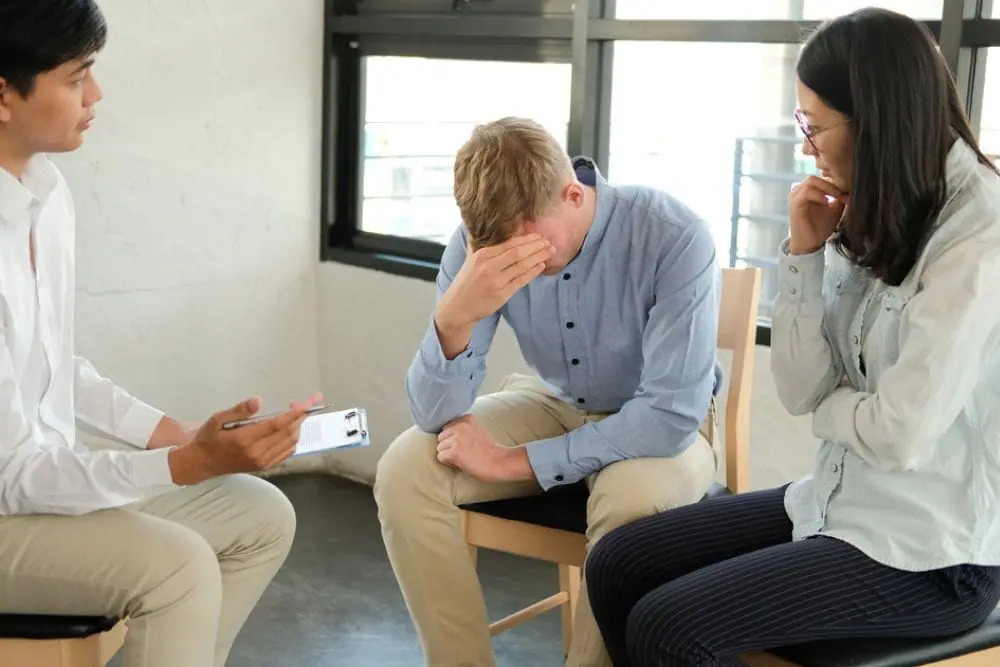
Most people searching for mental health support are not looking for a quick fix. They are looking for something that will actually work. Research consistently shows that longer, more structured treatment leads to better mental health outcomes, and a well-designed 30 day mental health treatment program can serve as a meaningful turning point for people struggling with depression, anxiety, trauma, and co-occurring substance use disorders. The key is not just the duration but the depth of care delivered during that time.
Mental health conditions rarely develop overnight, and they do not resolve that way either. According to the National Institute of Mental Health, nearly one in five adults in the United States lives with a mental illness, and a significant portion of those individuals also experience co-occurring substance use challenges. When both conditions are present, treating only one rarely produces lasting change. A structured, integrated approach that addresses the emotional, neurological, and behavioral roots of distress is what clinical evidence continues to support as most effective.
For South Florida residents navigating this decision, understanding what a structured month of treatment actually involves, what conditions it addresses, and what comes next is essential. Explore the full range of mental health treatment options in South Florida to understand how professional care can match the complexity of what you or your loved one is facing. The right program does not just stabilize a crisis. It builds the foundation for a different life.

What Happens During 30-Day Mental Health Treatment at CBH?
Structured treatment at Compassion Behavioral Health begins with clinical stabilization, which is the essential first step before any meaningful therapeutic work can take root. At the Hollywood location, medical detox provides a safe, medically supervised process for patients who need it, followed by a transition into residential-level care focused on mental health stabilization and assessment. Every clinical director knows each patient by name, and that proximity is not coincidental. It reflects a treatment model built on genuine individual attention rather than volume-based care.
Once stabilized, patients begin an individualized treatment plan shaped by a thorough psychiatric evaluation, a review of prior medication trials, and in high-acuity cases, GeneSight genetic testing to identify how a patient metabolizes specific psychiatric medications. This kind of precision matters enormously for families who have watched loved ones cycle through multiple medications without relief. The plan that emerges is specific to the person, not a standard protocol applied across a caseload. Therapist caseloads at CBH are intentionally kept small to protect that level of individualized care.
The therapeutic modalities available during this phase include evidence-based approaches that are matched to the patient’s clinical profile. Patients engage in therapies that are active, not passive, and that address both the mental health conditions and any co-occurring substance use challenges. The approach that shapes each session varies by individual need, and the care team coordinates closely to ensure the plan evolves as the patient does. For a deeper look at the residential level of care, visit our page on residential addiction treatment in South Florida to learn what this phase entails.
Is 30 Days Enough? How CBH Maximizes Outcomes in Short-Term Treatment
Thirty days is not a finish line. For many people, it is the beginning of a sustained recovery process, and the clinical evidence supports that framing. Research published in peer-reviewed psychiatric literature consistently shows that treatment engagement, therapeutic alliance, and continuity of care matter far more than any fixed calendar marker. What a well-structured month can accomplish is significant: stabilization, accurate diagnosis, medication management, and meaningful therapeutic progress that creates a real foundation for what comes next.
CBH’s outcome data supports this. Patients completing the residential and PHP phases of care show marked improvement in depression outcomes, significant improvement in anxiety outcomes, and great improvement in PTSD outcomes. These are not self-reported satisfaction scores. They reflect documented clinical change measured across a continuum of care. The PHP leveling system, which patients move through based on engagement rather than time alone, gives each stage of progress structure and purpose. Reaching Level 3, typically around ten days into PHP, unlocks family therapy, day passes, and full programming access.
CBH actively advocates for longer stays when insurers push for early discharge, and the care team navigates that process alongside families. No treatment timeline is predetermined, and no patient is asked to leave before they are clinically ready. That commitment to individualized care is what separates a meaningful 30 day mental health treatment experience from a rushed discharge with a pamphlet. Understanding the cognitive and behavioral tools used in this process is important. Cognitive behavioral therapy for mental health is one of the primary evidence-based modalities supporting this work.
What Our Customers Are Saying
Mental Health Conditions Addressed in Our 30-Day Treatment Programs
Dual-diagnosis treatment at CBH is built on the clinical recognition that addiction is most often driven by underlying mental health conditions. When a person enters care with alcohol use disorder alongside untreated trauma, or with opioid dependence alongside a mood disorder, addressing only the substance use is clinically insufficient. CBH’s programs are designed to treat both simultaneously, with a psychiatric team, licensed therapists, and specialty care working together from day one.
The mental health conditions most commonly treated in this setting span a wide clinical range. CBH’s programs address these conditions through individualized care plans supported by therapies that are matched to each patient’s presentation:
- Major depressive disorder and persistent depressive disorder
- Generalized anxiety disorder and panic disorder
- Post-traumatic stress disorder (PTSD) and complex trauma
- Bipolar disorder and mood dysregulation
- Co-occurring substance use disorders, including alcohol, opioids, benzodiazepines, and methamphetamine
Therapies such as EMDR, DBT, neurofeedback, and Canine Assisted Therapy (CAT) are integrated into treatment based on each patient’s specific clinical needs. For patients with treatment-resistant presentations or complex histories, CBH works with NeuroHealth in Fort Lauderdale for access to SPRAVATO treatment, as that service is not administered on-site. Patients who need motivational support alongside clinical therapy also benefit from structured approaches. Learn more about how motivational interviewing supports recovery at CBH’s Fort Lauderdale center.
Life After 30-Day Treatment: Continuing Care and Long-Term Recovery at CBH
Discharge planning is not an afterthought at CBH. It is built into the treatment model from the beginning. The continuum of care moves from detox and residential care at the Hollywood location to PHP, IOP, and outpatient programming in Fort Lauderdale, with the same care team supporting patients across all phases. That continuity is clinically meaningful because it eliminates the trust-building delays and communication gaps that often undermine transitions between separate providers.
Family involvement is woven into this continued care in concrete ways. Weekly family therapy sessions, available by Zoom or in person, keep loved ones engaged and informed. The Compassion Connections family support program provides a structured six-week curriculum delivered via bi-weekly Zoom sessions, giving families the education and tools they need to support recovery at home without enabling harmful patterns. “The opposite of addiction is community and connection,” and CBH’s care model is built around making that connection real for both patients and their families.
Relapse, if it occurs, is met with the same clinical seriousness and compassion as any other medical event. CBH’s philosophy frames relapse as part of the recovery process, not as a moral failure. The goal is always to make it a lapse, not a relapse, and that means an immediate, individualized clinical reassessment rather than judgment or discharge. For a broader look at how CBH approaches care that goes beyond a surface-level diagnosis, the Fort Lauderdale mental health treatment program page offers helpful context on this philosophy.
Frequently Asked Questions About Mental Health Treatment Timelines and Programs
Here are some common questions people ask about structured mental health treatment programs and what to expect:
-
What is the difference between residential mental health treatment and PHP?
Residential treatment provides 24-hour clinical support in a structured setting focused on stabilization, assessment, and the beginning of therapeutic work. Partial Hospitalization Programs (PHP) offer intensive daytime programming while patients live in supported housing, allowing for gradual reintegration into daily routines.
-
How do I know if a structured inpatient program is the right level of care?
A licensed clinician can conduct a clinical assessment to determine the appropriate level of care based on symptom severity, safety risk, prior treatment history, and co-occurring conditions. Residential or PHP-level care is typically recommended when outpatient support alone has not been sufficient or when a person’s current environment poses a risk to recovery.
-
Does insurance cover mental health treatment programs in South Florida?
Many private insurance plans, VA benefits, and TRICARE East cover medically necessary mental health treatment, including residential and PHP levels of care. Coverage and authorization timelines vary by plan, and the CBH admissions team can help navigate that process, including the VA’s two-week authorization window.
-
What is GeneSight testing and how is it used in treatment?
GeneSight is a genetic test that analyzes how a person’s DNA affects their response to psychiatric medications, including how quickly they metabolize specific drugs. It is particularly valuable for patients who have experienced multiple failed medication trials, as it helps the prescribing team identify more effective options based on biology rather than trial and error.
-
What happens if a person experiences a relapse after completing a structured program?
A relapse is treated as a clinical event requiring reassessment, not as a failure of character or a reason for discharge. CBH’s approach is to respond immediately with compassion, conduct an individualized clinical review, and adjust the treatment plan or level of care as needed to support continued recovery.
-
Are family members involved in the treatment process at CBH?
Family involvement is a structured part of care at CBH, including weekly family therapy sessions and the Compassion Connections support program, which provides a six-week educational curriculum for loved ones. Once a patient reaches Level 3 in the PHP program, family passes and in-person visits become available as part of the leveling and empowerment model.
Key Takeaways on 30 Day Mental Health Treatment
- A structured 30 day mental health treatment program builds clinical stabilization, accurate diagnosis, and a foundation for continued recovery, not just short-term symptom relief.
- CBH treats mental health conditions as primary and substance use as co-occurring, which clinical evidence supports as the more effective long-term approach for dual-diagnosis patients.
- Individualized care at CBH is backed by small therapist caseloads, GeneSight testing, and a PHP leveling system based on engagement rather than fixed timelines.
- The full continuum, from detox and residential in Hollywood to PHP, IOP, and outpatient in Fort Lauderdale, is supported by the same care team across multiple months.
- Family is included in treatment from the start, and relapse is met with compassion and clinical reassessment, never judgment.
For anyone weighing whether structured treatment is the right step, the most important thing to understand is that the quality of care, the depth of clinical integration, and the presence of a real continuum matter far more than any specific number of days on a calendar. CBH’s accreditations from JCAHO, AHCA, DCF, NAMI, and PsychArmor, combined with documented outcome improvements in depression, anxiety, and PTSD, reflect a program built to produce real clinical change.
If you or someone you love is ready to take that step, Compassion Behavioral Health is here to answer your questions and help you understand every option available. Reach the admissions team directly at 844-503-0126 for a confidential conversation about next steps. Stories change here, and yours can too.
External Sources
- Flgov.com – Governor DeSantis Signs Legislation to Support Floridians with More Mental Health and Substance Abuse Resources | Executive Office of the Governor
- Namiflorida.org – Behavioral Health Sees Promising Data Exchange Growth
- Nih.gov – Sociodemographic Correlates of Affordable Community Behavioral Health Treatment Facility Availability in Florida: A Cross-Sectional Study

Ryan attended college at the Ohio State University and the University at Buffalo, receiving degrees in Sociology. His background and experience in the healthcare space has led him to his role as a managing partner at Compassion Behavioral Health. Ryan demonstrates a strong ability to identify project needs, formulate strategies, maintain good practice quality assurance, and manage a team to deliver the highest standard of client care and professionalism.