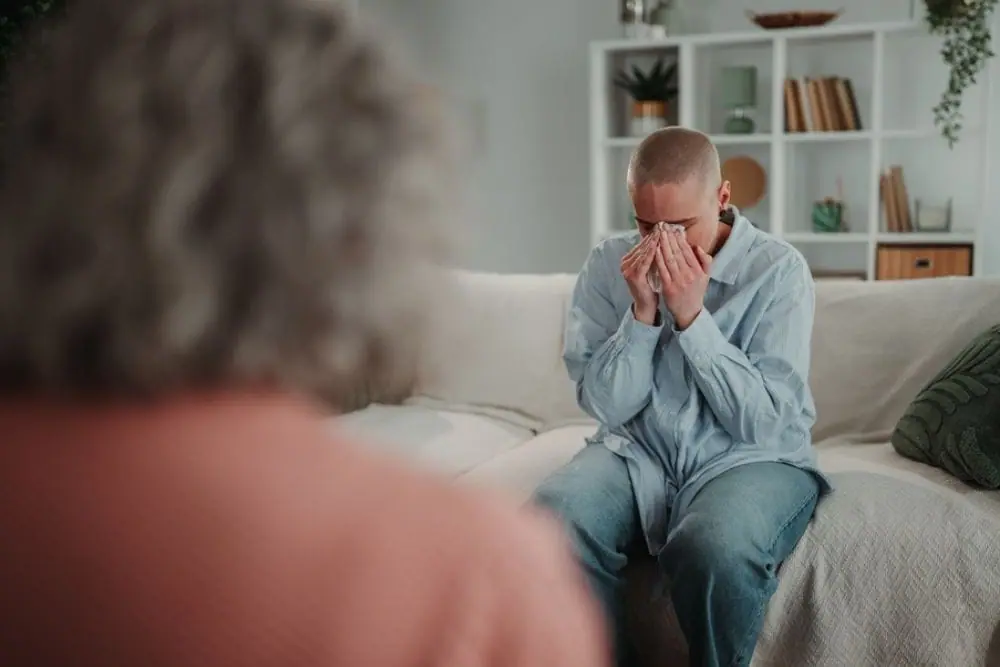
Trauma leaves a mark that goes far deeper than memory. For many people, unresolved trauma quietly reshapes how the brain processes stress, relationships, and self-worth, and it often drives the patterns that eventually look like addiction or severe depression. Research from the Substance Abuse and Mental Health Services Administration (SAMHSA) consistently shows that people with a history of trauma are significantly more likely to develop co-occurring mental health and substance use disorders. When trauma is left untreated, those disorders compound each other, making standard treatment approaches less effective. Seeking trauma rehab in Fort Lauderdale that treats both conditions simultaneously is not just a clinical preference; it is the evidence-based standard for lasting recovery. You can learn more about the full scope of mental health treatment in South Florida to understand what a comprehensive approach looks like.
Trauma-informed care is not a single therapy or a checklist. It is a clinical framework that shapes every interaction, every assessment, and every treatment decision. It means that a person’s history of adverse experiences is understood as a contributing factor to their current symptoms, not something to push through or set aside. This approach reduces re-traumatization, builds psychological safety, and helps people engage more honestly in the therapeutic process. For people who have cycled through treatment without lasting results, trauma-informed care is often the missing variable.
South Florida has a high concentration of behavioral health providers, but not all of them are equipped to treat trauma as a core clinical priority alongside addiction and mental health. The difference matters enormously in outcomes. A program that addresses trauma at the root, using evidence-based therapies delivered by clinicians trained in trauma, offers a fundamentally different experience than one that treats symptoms in isolation.

How Unresolved Trauma Drives Mental Health Disorders and Substance Use
Trauma does not always announce itself. For many people, the connection between a past experience and a current struggle—anxiety that never quiets, relationships that keep fracturing, a need to numb out—is not immediately obvious. The brain’s response to overwhelming stress is biological and involuntary. When the nervous system gets locked into a survival state, it becomes very difficult to regulate emotions, maintain trust, or feel safe in ordinary circumstances.
The National Institute on Drug Abuse (NIDA) reports that people who have experienced trauma, particularly in childhood, show measurable differences in brain structure and stress-response systems. These neurological changes increase vulnerability to mood disorders, PTSD, anxiety, and substance use disorders. Substances often become a form of self-regulation, a way to quiet hypervigilance, numb emotional pain, or feel something in the absence of connection.
Understanding this connection reframes what recovery actually requires. Treating the substance use without addressing the underlying trauma typically leaves the most powerful driver of the behavior untouched. The full continuum of mental health care at a trauma-informed program is specifically designed to work through that root cause across multiple levels of treatment, not just in a brief stabilization window.
Trauma-Informed Care at CBH: What It Means and Why It Matters
Trauma-informed care at Compassion Behavioral Health begins at assessment and runs through every level of the continuum, from medical stabilization in Hollywood to PHP and IOP in Fort Lauderdale. Clinical directors know every patient by name and history, not just by diagnosis. Caseloads are kept intentionally small so that therapists can engage with each person’s specific trauma history rather than delivering a generic curriculum.
Several evidence-based therapies support trauma processing at CBH. EMDR (Eye Movement Desensitization and Reprocessing) is one of the most clinically validated approaches for trauma, helping patients reprocess distressing memories so they lose their neurological grip. Neurofeedback helps regulate the nervous system directly, addressing the physiological dimension of trauma that talk therapy alone cannot always reach. Cognitive Behavioral Therapy (CBT) and Dialectical Behavior Therapy (DBT) provide tools for changing the thought patterns and emotional responses that trauma instills. These approaches are not offered in isolation; they work together within an individualized treatment plan.
For patients whose trauma intersects with identity, culture, or military service, CBH offers dedicated support structures. LGBTQIA+ affirming care includes weekly gender-specific groups where people can process trauma in a space that reflects their lived experience. Learning more about mental health treatment in Fort Lauderdale that goes beyond a diagnosis shows how deeply this philosophy is built into CBH’s model.
What Our Customers Are Saying
Therapies Used in Our Fort Lauderdale Trauma Rehab Program
Effective trauma treatment requires more than one clinical approach. Because trauma affects cognition, emotion, body sensation, and behavior simultaneously, the most successful programs use a range of therapies that address each of those dimensions. CBH’s Fort Lauderdale program offers a structured, individualized combination of evidence-based modalities.
The therapies available at our trauma rehab in Fort Lauderdale include research-backed approaches adapted to each patient’s history and readiness. The core therapeutic options include:
- EMDR for reprocessing traumatic memories and reducing their emotional charge
- Neurofeedback for nervous system regulation and reducing trauma-driven hyperarousal
- CBT for identifying and shifting maladaptive thought patterns
- DBT for building distress tolerance and emotional regulation skills
- Art and music therapy for processing trauma that is difficult to verbalize
These therapies are not deployed uniformly. Each patient’s treatment plan reflects their specific trauma history, co-occurring diagnoses, and therapeutic readiness, which changes over the course of treatment. Individualized care also means that family is included as a resource, with weekly family therapy sessions available by Zoom or in person once patients progress through the PHP leveling system. Understanding the role of cognitive behavioral therapy in mental health treatment provides a useful context for how structured approaches support trauma recovery over time.
Canine Assisted Therapy (CAT) also plays a meaningful role in the residential program, offering somatic and relational healing that complements clinical work. For some patients, the nonverbal connection that comes from Canine Assisted Therapy opens emotional doors that traditional therapy sessions take longer to reach.
Finding Safety and Recovery Through Trauma Rehab at CBH Fort Lauderdale
Recovery from trauma is not linear, and it rarely follows a fixed schedule. CBH’s approach to treatment timelines reflects that reality, with all stays individualized, and the clinical team actively advocates for longer authorizations when insurance presents resistance. The goal is not to move people through levels quickly but to ensure that each transition is clinically sound and that the patient is genuinely ready.
CBH’s outcome data reflects the effectiveness of this approach. Patients completing treatment show marked improvement in depression outcomes, significant improvement in anxiety, and great improvement in PTSD-related symptoms. These are not incidental results; they are the product of a model that treats trauma as the primary clinical priority, not an afterthought added to a substance use curriculum.
If a setback occurs during or after treatment, the response is never punitive. CBH’s relapse philosophy is grounded in the belief that setbacks are part of the recovery process. The goal is to make it a lapse, not a relapse, and respond with immediate compassion, individualized reassessment, and a return to care without shame. Outpatient support continues this philosophy, offering a path for people to gradually reintegrate into daily life while maintaining a therapeutic connection. Exploring outpatient mental health programming in South Florida shows how ongoing care supports the transition back to everyday life after higher levels of treatment.
Frequently Asked Questions About Trauma-Informed Rehab in Fort Lauderdale
Here are some common questions people ask about trauma-informed treatment, dual diagnosis care, and what to expect from this level of support:
-
What Is Dual Diagnosis Treatment and Why Is It Important for Trauma Survivors?
Dual diagnosis treatment addresses a mental health disorder and a substance use disorder at the same time, within the same clinical program. For trauma survivors, this is critical because trauma often drives both conditions simultaneously; treating one without the other leaves the root cause unresolved.
-
What Is EMDR and How Does It Help With Trauma Recovery?
EMDR, or Eye Movement Desensitization and Reprocessing, is an evidence-based therapy that helps patients reprocess distressing memories so they no longer trigger intense emotional or physical reactions. It is widely recognized by the American Psychological Association and the World Health Organization as an effective treatment for PTSD and trauma-related disorders.
-
How Long Does a Trauma-Informed Treatment Program Typically Last?
There is no single timeline that fits every person’s recovery from trauma and co-occurring disorders. Treatment length is individualized based on clinical progress, and programs that advocate for longer stays when clinically appropriate tend to produce more durable outcomes.
-
Can Family Members Be Involved in the Treatment Process?
Family involvement is an active part of the treatment model at trauma-informed programs that prioritize holistic care. Weekly family therapy sessions, family support programming, and structured family passes at certain levels of care all help families heal alongside their loved ones.
-
What Should Someone Expect During the First Days of a Trauma-Informed Residential Program?
The first phase of care focuses on stabilization, helping the nervous system settle enough to safely begin therapeutic work. Clinical assessments, medication evaluations, and the development of an individualized treatment plan typically occur within the first several days of admission.
-
Does Insurance Cover Treatment for Trauma and Co-Occurring Disorders?
Most major insurance plans cover treatment for trauma-related conditions and co-occurring substance use disorders under mental health parity laws, which require coverage to be comparable to medical and surgical benefits. VA benefits and TRICARE East are also accepted by some South Florida programs, with navigational support available to help veterans manage authorization timelines.
Key Takeaways on Trauma Rehab in Fort Lauderdale
- Unresolved trauma is a primary driver of co-occurring mental health disorders and substance use, making trauma-informed care essential to lasting recovery.
- Effective trauma treatment combines multiple evidence-based therapies, including EMDR, neurofeedback, CBT, and DBT, tailored to each person’s history and readiness.
- Individualized treatment timelines, small therapist caseloads, and clinical director proximity define the quality of care at a program built around genuine personalization.
- Family involvement, veteran-specific support, and LGBTQIA+ affirming care are operational realities, not just stated values, at a clinically credible dual diagnosis program.
- Relapse is approached with compassion and immediate reassessment, not judgment, because sustainable recovery requires safety, not shame.
Trauma recovery is not a destination reached in a fixed number of days. It is a process that requires the right clinical environment, the right therapeutic relationships, and the right continuum of support across multiple levels of care.
If you or someone you care about is ready to address the root causes of addiction and mental health struggles, Compassion Behavioral Health offers a full continuum of trauma-informed, dual diagnosis care across South Florida. Reach out today by calling 844-503-0126 to speak with a clinical team member who can help determine the right level of care for your situation. Stories change here — and that process can begin with a single conversation.
External Sources
- Nih.gov – Technology and the Future of Mental Health Treatment – National Institute of Mental Health (NIMH)
- Flgov.com – Governor DeSantis Signs Legislation to Support Floridians with More Mental Health and Substance Abuse Resources | Executive Office of the Governor
- Kff.org – The Growing Use of Artificial Intelligence in Health Care and Implications for Disparities | KFF

Ryan attended college at the Ohio State University and the University at Buffalo, receiving degrees in Sociology. His background and experience in the healthcare space has led him to his role as a managing partner at Compassion Behavioral Health. Ryan demonstrates a strong ability to identify project needs, formulate strategies, maintain good practice quality assurance, and manage a team to deliver the highest standard of client care and professionalism.