




















Depression is not just sadness. It is waking up exhausted before the day begins. It is the weight that makes even simple decisions feel impossible. It is the quiet erosion of the life you want. And for many people, it is the hidden driver behind substance use, relationship breakdown, and repeated failed attempts at recovery.
At Compassion Behavioral Health, we treat depression as the primary diagnosis it is. Our dual-diagnosis model means we do not just manage symptoms. We address the mental health conditions that are driving them. For our clients, that approach has led to a 159% improvement in depression outcomes, verified by third-party clinical research firm Greenspace Health across more than 1,000 patient surveys.
If you or someone you love is living with depression and has not found lasting relief, call us at 844-503-0126. Our team is available to help you understand your options and verify your insurance coverage.
What Depression Really Looks Like & Why It Is So Often Missed
Clinical depression, known formally as Major Depressive Disorder (MDD), is one of the most common and most misunderstood mental health conditions in the United States. It affects more than 21 million American adults each year. Yet, millions go untreated or undertreated because their symptoms do not match the cultural picture of what depression is supposed to look like.
Depression does not always look like someone who cannot get out of bed. It can look like someone who is highly functional, constantly overworking, and privately exhausted. It can look like irritability rather than sadness. It can look like physical pain, disrupted sleep, or difficulty concentrating. In many cases, it looks like a drinking problem — because alcohol or other substances have become the only thing that temporarily quiets the noise.
Common signs of depression that are frequently overlooked include:
- Persistent fatigue that does not improve with rest
- Difficulty feeling pleasure in activities that used to bring joy
- Increased irritability, anger, or emotional numbness
- Withdrawing from relationships and social activity
- Changes in appetite or weight without intention
- Physical symptoms like headaches or chronic pain without a clear medical cause
- Using alcohol, cannabis, or other substances to feel normal or to sleep
If any of these sound familiar, you are not alone. And you do not have to keep managing it on your own.
Depression and Co-Occurring Conditions: The Dual-Diagnosis Reality
One of the most important, and most commonly missed, facts about depression is that it rarely travels alone. Research consistently shows that the majority of people who seek treatment for addiction, anxiety, PTSD, or other behavioral health concerns are also living with depression. The reverse is equally true.
CBH was founded on a specific clinical belief: that substance use is most often a symptom, not the root cause. When someone is using alcohol to manage depression, treating only the alcohol use leaves the underlying condition untouched. That is why so many people relapse. That is why standard 30-day addiction programs often fail people with depression. The root was never addressed.
At CBH, every client receives a comprehensive psychiatric evaluation at admission. If depression is driving substance use, we treat the depression first and with equal clinical weight throughout the entire stay. This dual-diagnosis approach is not a marketing term at CBH. It is the foundational reason the organization exists.
Conditions that commonly co-occur with depression include:
- Generalized Anxiety Disorder (GAD)
- Post-Traumatic Stress Disorder (PTSD)
- Bipolar Disorder
- Alcohol Use Disorder
- Opioid Use Disorder
- Attention-Deficit/Hyperactivity Disorder (ADHD)
- Borderline Personality Disorder (BPD)
Treating only one condition when multiple are present is clinically incomplete. CBH treats the whole picture.
Types of Depression We Treat
Not all depression is the same, and not all depression responds to the same interventions. CBH’s clinical team is trained to assess and treat the full spectrum of depressive disorders, including:
Major Depressive Disorder (MDD)
The most common form of clinical depression. Characterized by persistent low mood, loss of interest, and a range of physical and cognitive symptoms that interfere with daily functioning.
Persistent Depressive Disorder (Dysthymia)
A chronic, lower-grade depression lasting two years or more. Often dismissed because it is not as dramatic as MDD, dysthymia quietly erodes quality of life and frequently goes untreated for years.
Bipolar Depression
The depressive phase of bipolar disorder is often what brings people into treatment. Accurate diagnosis matters here because antidepressants alone can trigger manic episodes in bipolar clients. Our psychiatric team is skilled in differential diagnosis and appropriate mood stabilization.
Treatment-Resistant Depression (TRD)
When two or more antidepressants have not worked, depression is considered treatment-resistant. This is more common than most people realize, and it does not mean you are out of options. CBH uses GeneSight genetic testing to identify how a client’s unique genetic profile affects their response to psychiatric medications, which can be a turning point for clients who have failed multiple medication trials.
Depression with Co-Occurring Substance Use
When depression and addiction are present together, both must be treated simultaneously. CBH’s dual-diagnosis model is specifically designed for this population. We do not require clients to be sober before receiving mental health care. We stabilize, assess, and treat both from day one.
How CBH Treats Depression: From Stabilization to Recovery
CBH operates a full continuum of care across two South Florida locations. Depression treatment does not end after detox or a short residential stay. It deepens at every level. Here is what that looks like:
Medical Detox — Hollywood, FL
For clients whose depression has been complicated by substance use, detox is the first step. Our 24/7 medically supervised detox program at our Hollywood facility stabilizes the body so that meaningful psychiatric and therapeutic work can begin. Clients are not pushed into intensive therapy while they are in withdrawal. Stabilization comes first.
Residential Mental Health Treatment — Hollywood, FL
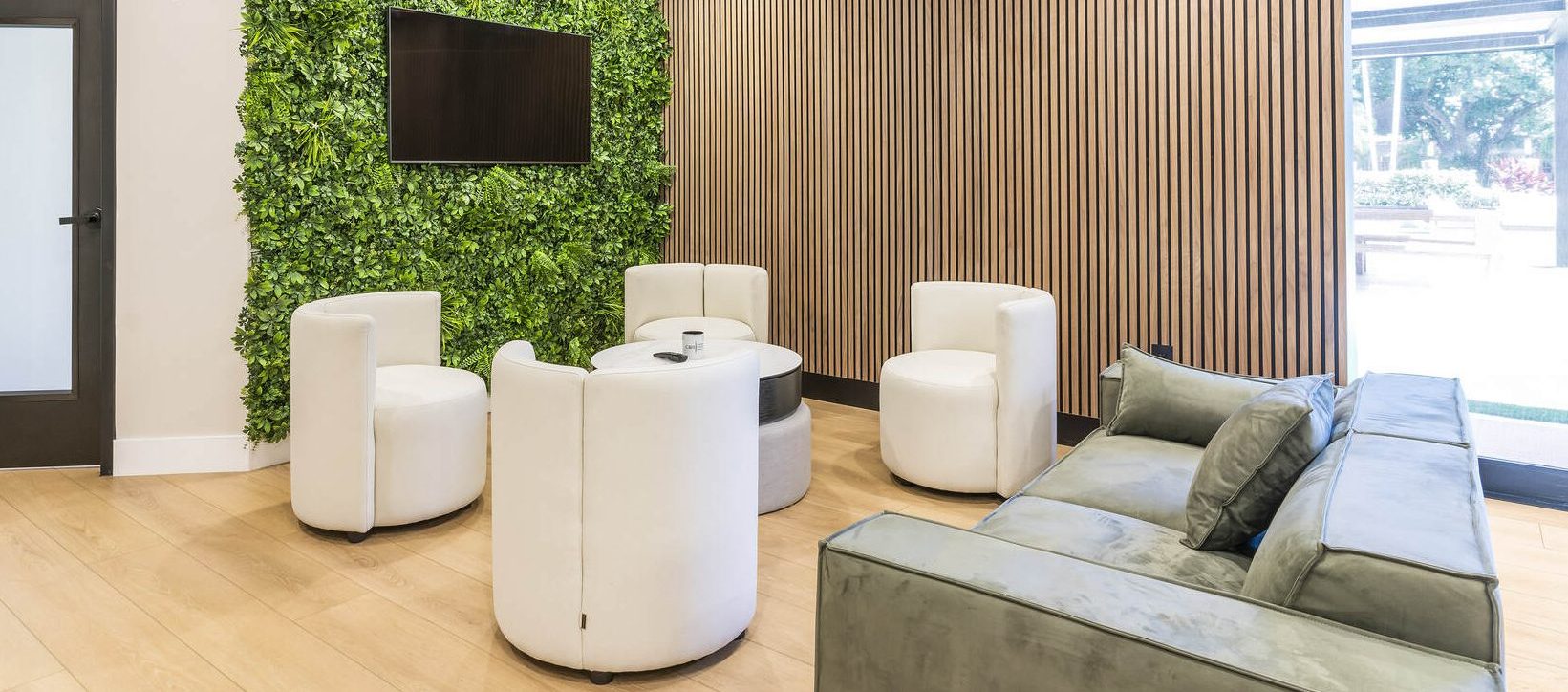
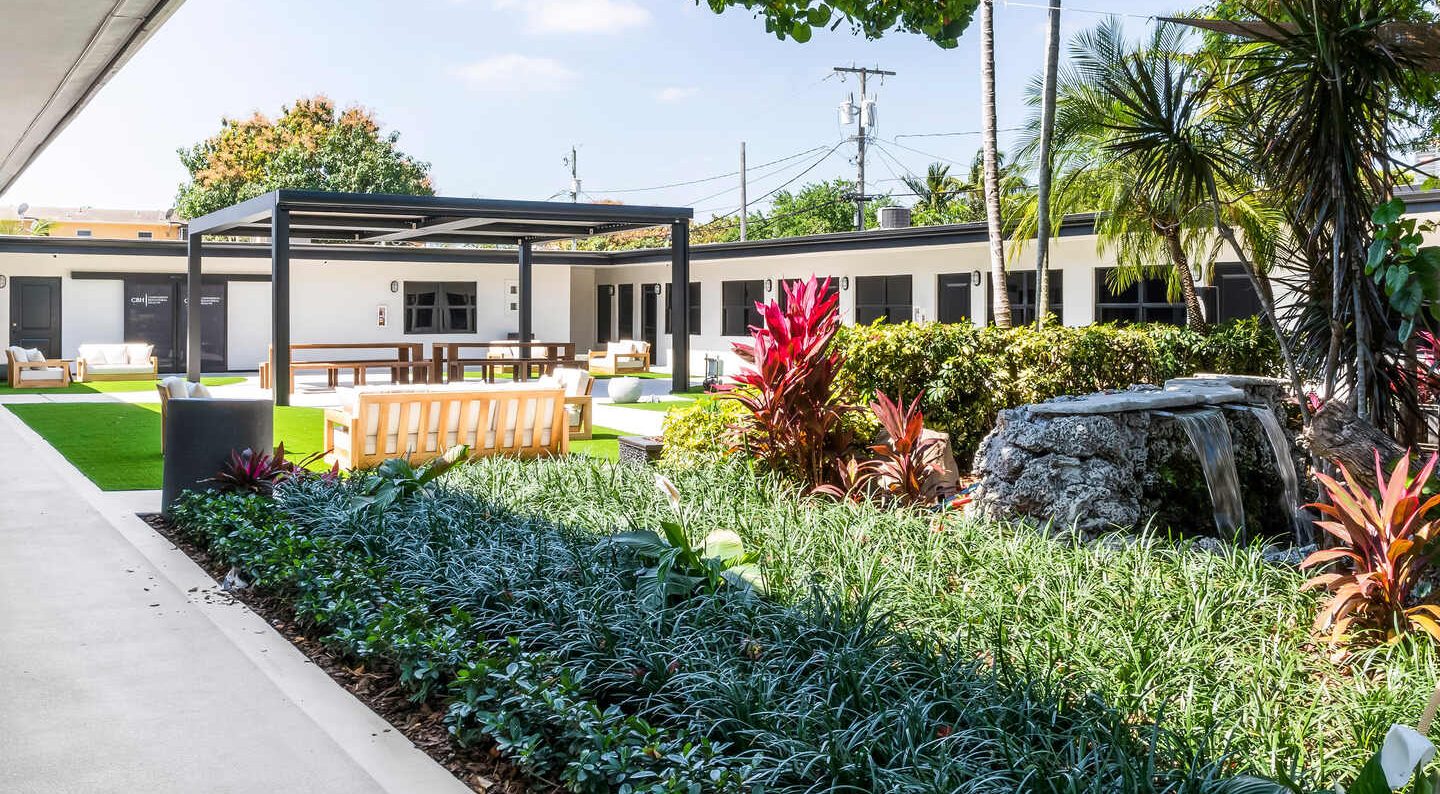
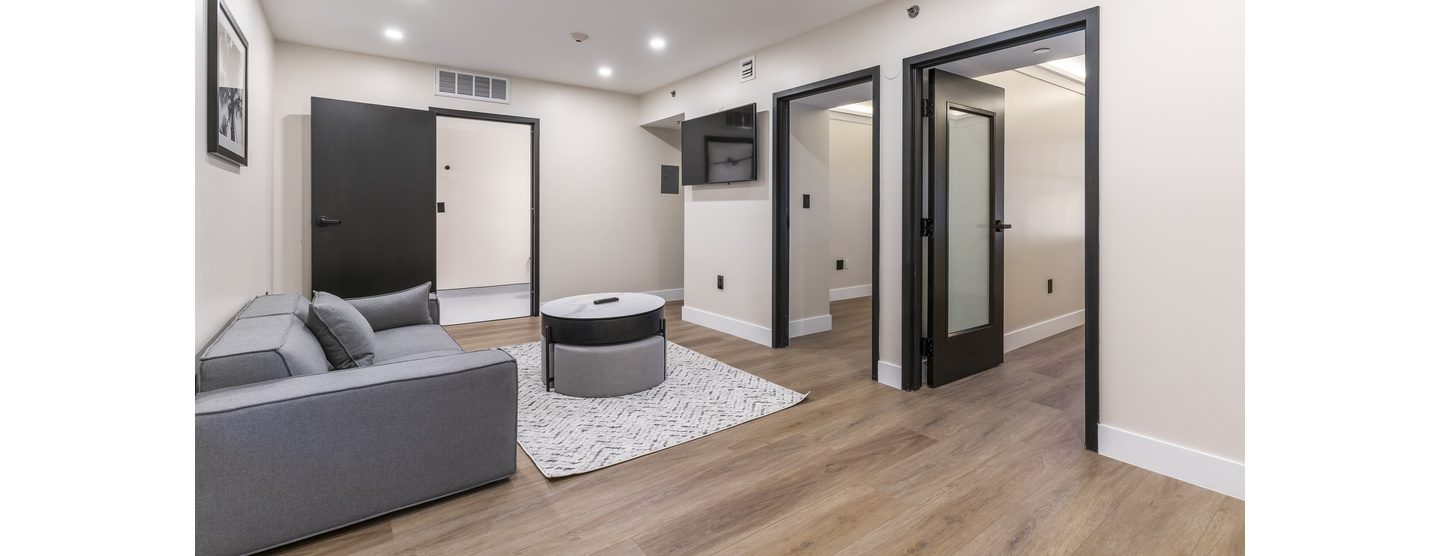
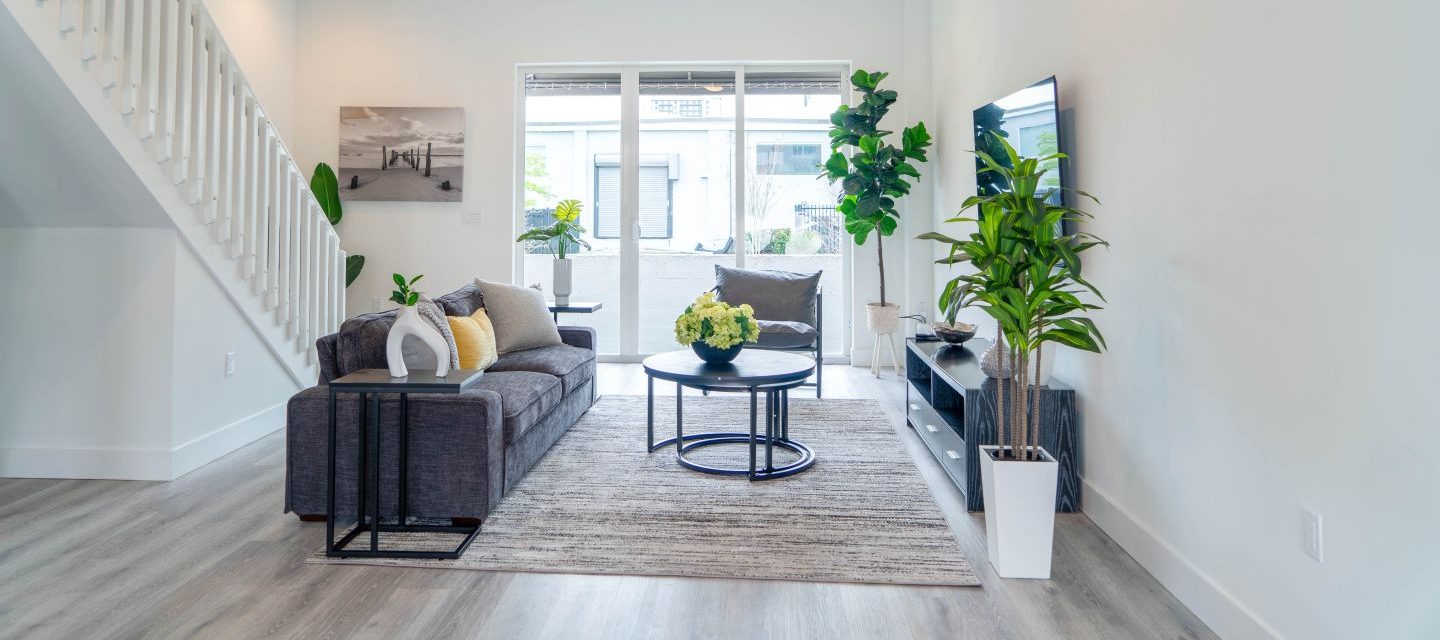
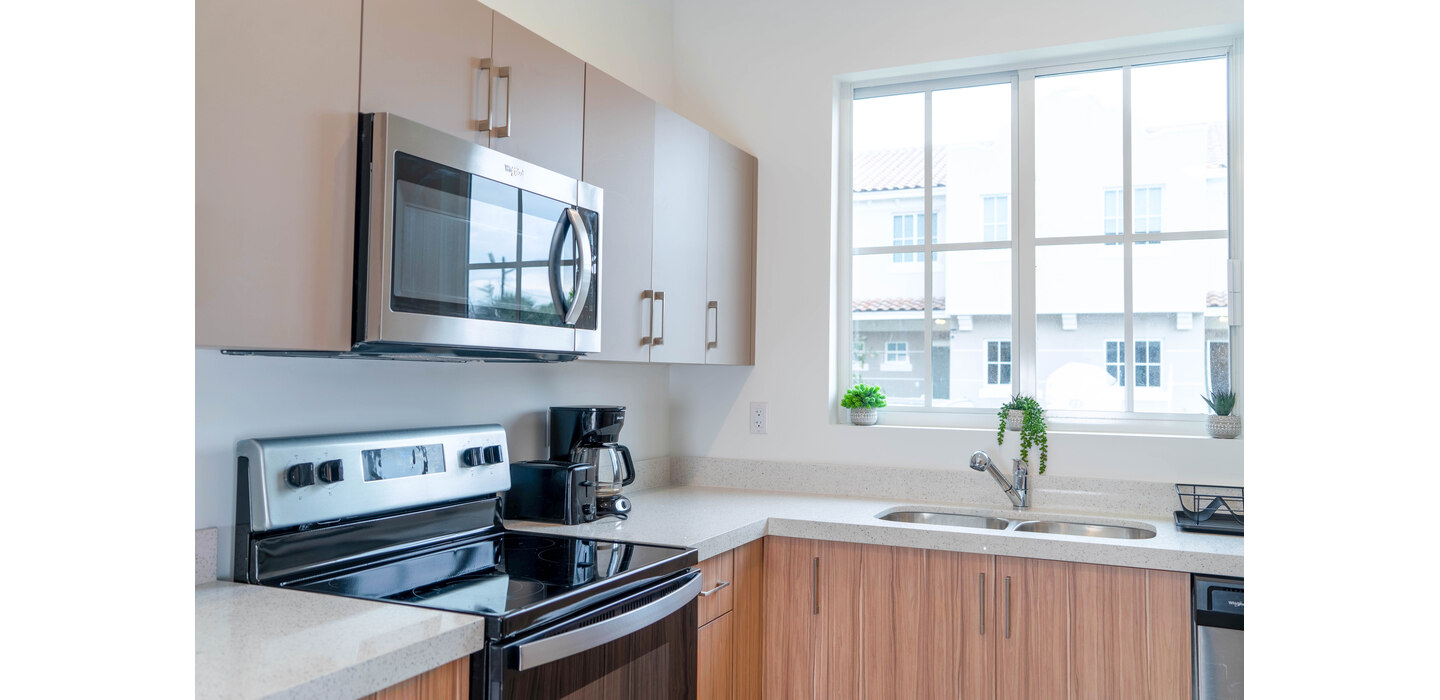
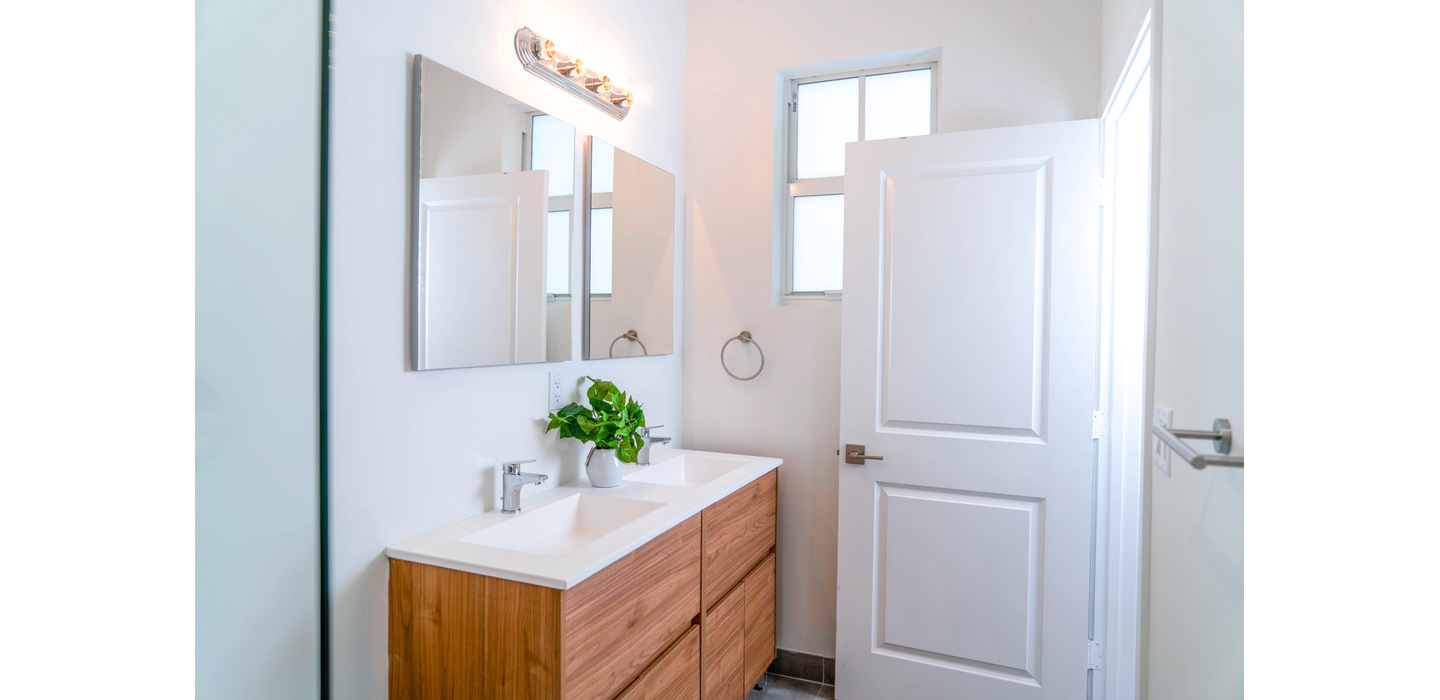
Our 29-bed residential program is where the real work of treating depression begins. Caseloads are kept to 8-10 clients per therapist, which is significantly smaller than the industry norm. The Clinical Director knows every client by name. This is not a talking point; it is the operational structure of the program.
Residential treatment for depression includes individual therapy, group therapy, medication management, and the introduction of evidence-based modalities like CBT and DBT. Clients also have access to GeneSight genetic testing for medication optimization, Canine Assisted Therapy twice per week, and neurofeedback therapy.
Partial Hospitalization Program (PHP) — Fort Lauderdale, FL
PHP offers at least 20 hours of structured therapy per week while clients live in supervised housing. This is where deeper therapeutic work happens: processing trauma, building coping skills, and beginning reintegration. EMDR is available at the PHP level for clients with trauma-driven depression. Family therapy begins in earnest here.
Intensive Outpatient Program (IOP) — Fort Lauderdale, FL
IOP provides at least 12 hours of therapy per week while clients rebuild independence. At this stage, clients are applying what they have learned in real-world settings. Think of PHP as the teacher and IOP as the coach. Both are essential. Most clients who complete the full continuum from detox through IOP see the most durable outcomes.
Evidence-Based Therapies for Depression at CBH
CBH uses a combination of proven, evidence-based therapies tailored to each client’s diagnosis, history, and goals. For depression specifically, the following modalities are used across levels of care:
Cognitive Behavioral Therapy (CBT)
The gold standard for depression treatment. CBT identifies and restructures the thought patterns that maintain depressive states. Clients learn to recognize cognitive distortions and replace them with more accurate, adaptive thinking.
Dialectical Behavior Therapy (DBT)
Particularly effective for clients whose depression is accompanied by emotional dysregulation, self-harm history, or relationship instability. DBT builds four core skill sets: mindfulness, distress tolerance, emotional regulation, and interpersonal effectiveness.
EMDR (Eye Movement Desensitization and Reprocessing)
Available at the PHP and IOP levels. For clients whose depression is rooted in trauma, EMDR directly targets the unprocessed memories that keep the nervous system in a state of alarm. It is one of the most evidence-backed trauma interventions available.
Neurofeedback
A non-invasive therapy that uses real-time brain activity data to help clients train healthier neural patterns. Neurofeedback has strong evidence for depression, anxiety, and PTSD. CBH’s neurofeedback therapist, Tharlene, has performed and assessed an extensive number of sessions across the full client population.
GeneSight Genetic Testing
GeneSight analyzes how a client’s genetic profile affects their response to psychiatric medications. For clients with treatment-resistant depression or a history of medication trials that have not worked, this testing can identify why certain medications were ineffective and guide a more targeted prescribing approach. This is a significant differentiator for families who have watched a loved one cycle through antidepressants without relief.
Individual and Group Therapy
Every client receives weekly individual therapy sessions with a licensed therapist. Group therapy runs daily across all levels of care, providing peer connection, shared experience, and accountability. The research on group therapy for depression is strong, and CBH’s small caseloads make group sessions more intimate and clinically meaningful than at larger facilities.
What Makes CBH Different from Other Depression Treatment Centers in Florida
Florida has no shortage of behavioral health facilities. Most of them treat addiction. Fewer treat depression. Even fewer do both well. Here is what sets CBH apart for clients specifically seeking depression treatment:
- 159% improvement in depression outcomes, verified by Greenspace Health across 1,043 patient surveys (August 2024 to August 2025)
- The dual-diagnosis model was built from the ground up to treat mental health first, not addiction first
- 29-bed intimate residential setting, not a large institutional program where you are a number
- Caseloads of 8 to 10 clients per therapist, significantly below the industry norm
- Clinical Director knows every client by name, operational fact, not a marketing claim
- GeneSight genetic testing for clients who have not responded to prior medication trials
- Full continuum from detox through outpatient — one clinical team, one treatment philosophy, no handoff gaps
- Joint Commission accredited, NAMI affiliated, AHCA, and DCF licensed
- 633+ Google reviews across both locations
Depression Treatment for Special Populations
Veterans with Depression
CBH is PsychArmor certified for military-competent care. Veterans face a unique combination of depression, PTSD, TBI, and moral injury that requires a clinically informed, culturally respectful approach. We accept TRICARE East and work directly with the VA. Spencer, a 21-year veteran and member of the CBH clinical team, is a credible peer voice for veteran clients navigating care.
LGBTQIA+ Individuals
CBH offers affirming care for LGBTQIA+ clients, including dedicated gender-specific groups every Friday. Depression rates are significantly higher in LGBTQIA+ populations, largely due to minority stress, discrimination, and family rejection. Our staff is trained in culturally competent, affirming treatment practices.
Clients Who Have Not Responded to Prior Treatment
If previous treatment for depression, whether outpatient therapy, medication management, or prior residential care, did not produce lasting results, it does not mean treatment cannot work. It may mean the treatment plan was incomplete, the diagnosis was inaccurate, or a co-occurring condition was never addressed. CBH specializes in this population. A fresh, comprehensive clinical assessment often reveals what has been missed.
Frequently Asked Questions About Depression Treatment
How long does Depression Treatment take?
There is no fixed timeline for depression treatment. At CBH, all treatment plans are individualized. Residential stays typically range from 25 to 45 days, followed by PHP and IOP for clients who need continued support. The full continuum from detox through IOP can span several months. Research consistently shows that longer treatment engagement produces more durable outcomes. CBH does not promise 30-day fixes. We promise individualized care for as long as it is clinically indicated.
Can Depression be Treated without Medication?
Yes, though medication is often a helpful component of a comprehensive treatment plan. CBH uses a combination of therapy, neurofeedback, lifestyle interventions, and medication management when clinically appropriate. For clients with treatment-resistant depression, GeneSight genetic testing can help identify the most effective medication options. Our psychiatric team works with each client to find the right balance.
What is Dual Diagnosis Depression Treatment?
Dual diagnosis treatment addresses depression and a co-occurring condition — most often a substance use disorder — simultaneously. Standard addiction treatment often ignores underlying depression. Standard outpatient therapy often underestimates the role of substance use. Dual diagnosis treatment recognizes that both must be treated at the same time, with equal clinical weight, in order to produce lasting results.
Does my Insurance cover Depression Treatment at CBH?
CBH is in-network with Aetna, Blue Cross Blue Shield, Cigna, Optum, Curative, TRICARE East, and the VA. Most commercial insurance plans cover at least a portion of residential and outpatient mental health treatment. Call 844-503-0126 to speak with our admissions team. We will verify your benefits at no cost and help you understand exactly what is covered before you make any decisions.
What is the Difference between Depression Treatment and Addiction Treatment?
Traditional addiction treatment focuses primarily on substance use: detox, relapse prevention, and 12-step programming. Depression treatment focuses on the underlying mental health condition: diagnosis, therapy, medication management, and building the skills to sustain mental health long-term. At CBH, we do not separate these. Because depression and substance use so frequently co-occur, our programs treat both from the first day of admission.
What should I expect on the First Day at CBH?
Your first day at CBH begins with a comprehensive intake evaluation conducted by our clinical and medical team. We gather your full history, including mental health, substance use, medications, and any prior treatment. You will meet with our psychiatric staff for an initial assessment, and a preliminary treatment plan will be developed. You will be oriented to the facility, introduced to your treatment team, and given time to settle in. Our staff takes intake seriously. It sets the tone for everything that follows.
Ready to Start? We Are Here.
Depression is treatable. The right level of care, the right clinical team, and the right approach to what is actually driving your symptoms can change the outcome entirely. At Compassion Behavioral Health, we have seen it happen more than a thousand times.
If you or someone you love is struggling with depression, with or without a co-occurring substance use concern, we want to hear from you. Call 844-503-0126 today. Our admissions team will listen, help you understand your options, verify your insurance, and get you the information you need to make a confident decision.
You do not have to figure this out alone. Stories change here.