

Battling alcohol cravings is one of the most physically demanding parts of alcohol addiction recovery, and most people don’t realize how much their diet plays into it. Your brain isn’t just craving a substance out of habit or weakness. It’s responding to real neurochemical deficits that alcohol created over time. The good news? Certain foods can help stop alcohol cravings by addressing those deficits directly, filling nutritional gaps, and stabilizing the biological systems that drive compulsive drinking.
This isn’t a magic fix. No amount of kale is going to replace professional treatment. But understanding the food-craving connection gives you a practical, everyday tool that works alongside therapy, medication, and structured support.
Understanding Alcohol Cravings
Alcohol cravings are often the single biggest obstacle for people trying to reduce their drinking or maintain sobriety. They can hit at random: standing in line at the grocery store, driving past a familiar bar, sitting through a stressful meeting. Sometimes there’s no obvious trigger at all. Before we talk about which foods help, it’s worth understanding what’s actually happening in your brain when a craving strikes.
The Science Behind Alcohol Cravings

Cravings for alcohol aren’t about willpower. Full stop. They are the result of measurable, well-documented changes in brain chemistry.
Chronic alcohol use disrupts the balance of neurotransmitters, particularly dopamine, which governs your brain’s pleasure and reward circuitry. When someone drinks regularly, the brain begins to treat alcohol as a primary source of reward. Over time, it downregulates its own dopamine production, essentially outsourcing the job to alcohol. When the alcohol isn’t there, the brain screams for it.
A 2024 study published in Neuropharmacology confirmed that this dopamine dysregulation can persist for months after a person stops drinking, which explains why cravings don’t just disappear after detox. The brain needs time, and the right raw materials, to rebuild its neurotransmitter production.
Genetics also play a significant role. Research from the National Institute on Alcohol Abuse and Alcoholism (NIAAA) estimates that genetic factors account for roughly 50% of a person’s vulnerability to alcohol use disorder. Some people are simply wired to experience more intense cravings, which makes recovery harder but not impossible.
Environmental factors compound the problem. Growing up in a household where heavy drinking was normalized, living in a high-stress environment, or having a social circle centered on alcohol all increase susceptibility. Cravings aren’t just biological; they’re contextual.
The Role of Diet in Alcohol Cravings
Here’s something that doesn’t get enough attention: diet directly affects craving intensity. Certain nutrients are essential for maintaining balanced brain chemistry, and chronic alcohol use depletes many of them. When those nutrients are missing, cravings get louder.
Vitamin B6 is a prime example. It’s a critical building block for serotonin and other neurotransmitters that regulate mood and impulse control. A 2025 review in Nutritional Neuroscience found that individuals in early recovery with low B6 levels reported significantly higher craving scores than those with adequate levels. Foods rich in B6, like bananas, avocados, and chickpeas, can help close that gap.

Omega-3 fatty acids are another piece of the puzzle. Found in salmon, walnuts, and flaxseeds, omega-3s reduce neuroinflammation and support the structural integrity of brain cell membranes. A meta-analysis from 2024 covering 14 clinical trials found that omega-3 supplementation was associated with a measurable reduction in impulsive behavior and substance cravings.
Hydration matters too. Dehydration mimics some of the same symptoms as alcohol withdrawal: fatigue, irritability, difficulty concentrating. Drinking enough water throughout the day helps flush toxins and reduces the physical discomfort that can trigger a craving.
But here’s the honest truth: diet is one tool in a larger toolkit. It’s not a standalone solution. Professional treatment, whether that’s counseling, group therapy, medication-assisted treatment, or a structured program, addresses the underlying psychological and behavioral patterns that food alone cannot touch.
The Connection Between Food and Alcohol Cravings
Emerging research suggests that what you eat may have a significant impact on alcohol cravings. Indeed, certain foods may help to curb these cravings by providing the nutrients your body lacks.
Furthermore, eating regularly and maintaining a balanced diet can keep your blood sugar levels stable, which may lessen alcohol cravings.
How Certain Foods Can Curb Cravings

Certain foods are thought to reduce alcohol cravings due to their nutritional content. They can support brain health, balance mood, boost energy levels, and fill the nutrition gap left by alcohol misuse.
For example, high-protein foods such as lean meats, fish, tofu, and legumes can help stabilize blood sugar levels and provide the amino acids necessary for neurotransmitter production. These neurotransmitters, like serotonin and dopamine, play a crucial role in regulating mood and cravings.
In addition, whole grains like quinoa, brown rice, and oats are rich in complex carbohydrates that provide a slow and steady release of energy. This can help prevent blood sugar spikes and crashes, which are often associated with increased alcohol cravings.
Antioxidant-rich fruits and vegetables, such as berries, leafy greens, and colorful bell peppers, are packed with vitamins, minerals, and phytochemicals that support brain health and reduce oxidative stress. This can help alleviate the physiological imbalances that contribute to alcohol cravings.
The Importance of Balanced Nutrition
A balanced diet can significantly contribute to the success of a recovery journey. It ensures that the body gets all the essential nutrients it needs, which can reduce cravings and support overall health.
Eating regularly throughout the day, rather than skipping meals, helps maintain stable blood sugar levels and prevents extreme hunger, which can trigger cravings. Including a variety of foods from different food groups ensures that you obtain a wide range of nutrients necessary for optimal brain function and overall well-being.

Staying hydrated is also crucial, as dehydration can lead to fatigue and mood imbalances, which may increase alcohol cravings. Aim to drink plenty of water throughout the day and limit the consumption of dehydrating beverages like alcohol and caffeine.
While general guidelines can be helpful, it is important to remember that everyone’s dietary needs may vary. Seeking professional advice from a registered dietitian or nutritionist can provide personalized recommendations tailored to your specific needs and recovery goals.
7 Foods That Can Help Curb Alcohol Cravings
Considering the link between diet and alcohol cravings, a list of seven foods reputed for their ability to help curb alcohol cravings is provided. Note that while these foods alone might not solve the problem, they can certainly help when part of a balanced diet and recovery plan.
1. Dark Chocolate: A Sweet Substitute

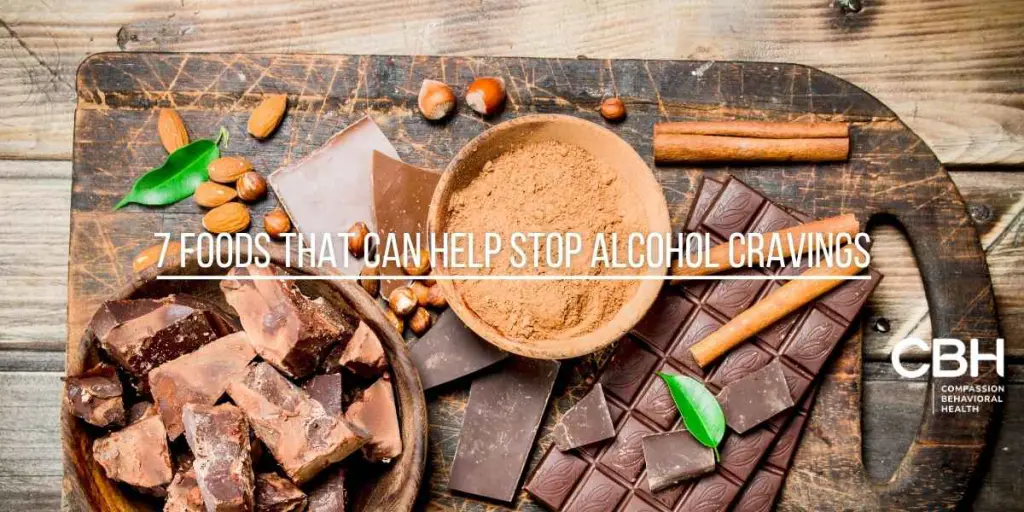
Dark chocolate is rich in antioxidants and can satisfy sweet cravings, which often arise when a person stops drinking alcohol. Moreover, it’s believed that chocolate’s magnesium content may also help reduce alcohol cravings.
2. Fruits and Vegetables: Nature’s Candy

Fruits and vegetables are excellent sources of vitamins, minerals, and dietary fiber, which can help curb alcohol cravings by maintaining stable blood sugar levels and supporting overall health.
3. Whole Grains: A Satisfying Staple

Whole grains, such as brown rice, oats, and whole wheat bread, are rich in complex carbohydrates. These carbohydrates are broken down slowly in the body, providing sustained energy and reducing the chance of experiencing alcohol cravings.
4. Lean Proteins: A Filling Option

Protein-rich foods, like lean meat, poultry, fish, and eggs, can keep you feeling full and satisfied, making you less likely to reach for alcohol. Additionally, these foods also supply the amino acids necessary for brain health and balance.
5. Nuts and Seeds: Healthy Fats to the Rescue

Nuts and seeds are packed with healthy fats, proteins, and fibers, making them a perfect snack to curb alcohol cravings. Plus, they are loaded with essential nutrients like magnesium, which may alleviate alcohol cravings.
6. Spicy Foods: A Distinct Distraction

Spicy foods can be a helpful distraction from alcohol cravings. They trigger an endorphin release similar to the one that alcohol stimulates, making them an effective substitute.
7. Fermented Foods: A Gut-Healthy Choice

Fermented foods, such as yogurt and sauerkraut, can improve gut health, enhance mood, and potentially help alleviate alcohol cravings.
Incorporating These Foods into Your Diet to Curb Alcohol Cravings
Armed with the knowledge of how diet can affect alcohol cravings, the mission now is to incorporate these beneficial foods into a daily dietary routine. This can be achieved through thoughtful meal planning and discovering new, delicious recipes.
Practical Tips for Meal Planning
A well-planned menu is essential for maintaining a balanced diet. Scheduled meal times can also help reduce the likelihood of impulsive eating or drinking. Consider including the previously mentioned foods in your daily meals, and don’t be afraid to experiment with different cooking methods and recipes.
Easy and Delicious Recipes to Try
Beyond simply eating these foods on their own, they can be used in a variety of tasty and nutritious recipes. From exciting salads and protein-packed main dishes to healthy snacks, there’s no limit to the ways you can incorporate these foods into your diet.
While diet alone cannot cure alcohol cravings, it can certainly play a key role in the alcohol addiction recovery process. Incorporating beneficial foods into your diet can support brain and body health, and potentially lessen the intensity of alcohol cravings.
Alcohol Addiction Treatment at CBH in Florida

Need Help from Professionals to Manage Alcohol Cravings? At Compassion Behavioral Health, we understand that addiction is multifaceted. While nutrition can play a pivotal role, professional intervention often becomes indispensable. Our dedicated team, leveraging evidence-based methodologies, offerouprs personalized treatment plans for alcohol addiction catering to individual needs. From individual counseling sessions and group therapies to holistic approaches, we ensure a rounded recovery path. Call us or contact us today to learn more.

Ryan attended college at the Ohio State University and the University at Buffalo, receiving degrees in Sociology. His background and experience in the healthcare space has led him to his role as a managing partner at Compassion Behavioral Health. Ryan demonstrates a strong ability to identify project needs, formulate strategies, maintain good practice quality assurance, and manage a team to deliver the highest standard of client care and professionalism.


